A Breakdown of Combat Mechanics in PlayStation Exclusive Titles
14 February 2026
Let’s be real: when it comes to jaw-dropping visuals, deeply emotional storytelling, and heart-pounding combat, PlayStation exclusive titles knock it out of the park. Whether you're swinging through New York as Spider-Man, hacking down Norse gods in God of War, or sneaking through post-apocalyptic America in The Last of Us, combat feels good—tight, responsive, and seriously cinematic.
But what makes the combat in these games so darn compelling? Why do we keep coming back for more even after the credits roll? That’s exactly what we’re diving into here. So grab your DualSense, folks—here’s a breakdown of combat mechanics in PlayStation exclusive titles.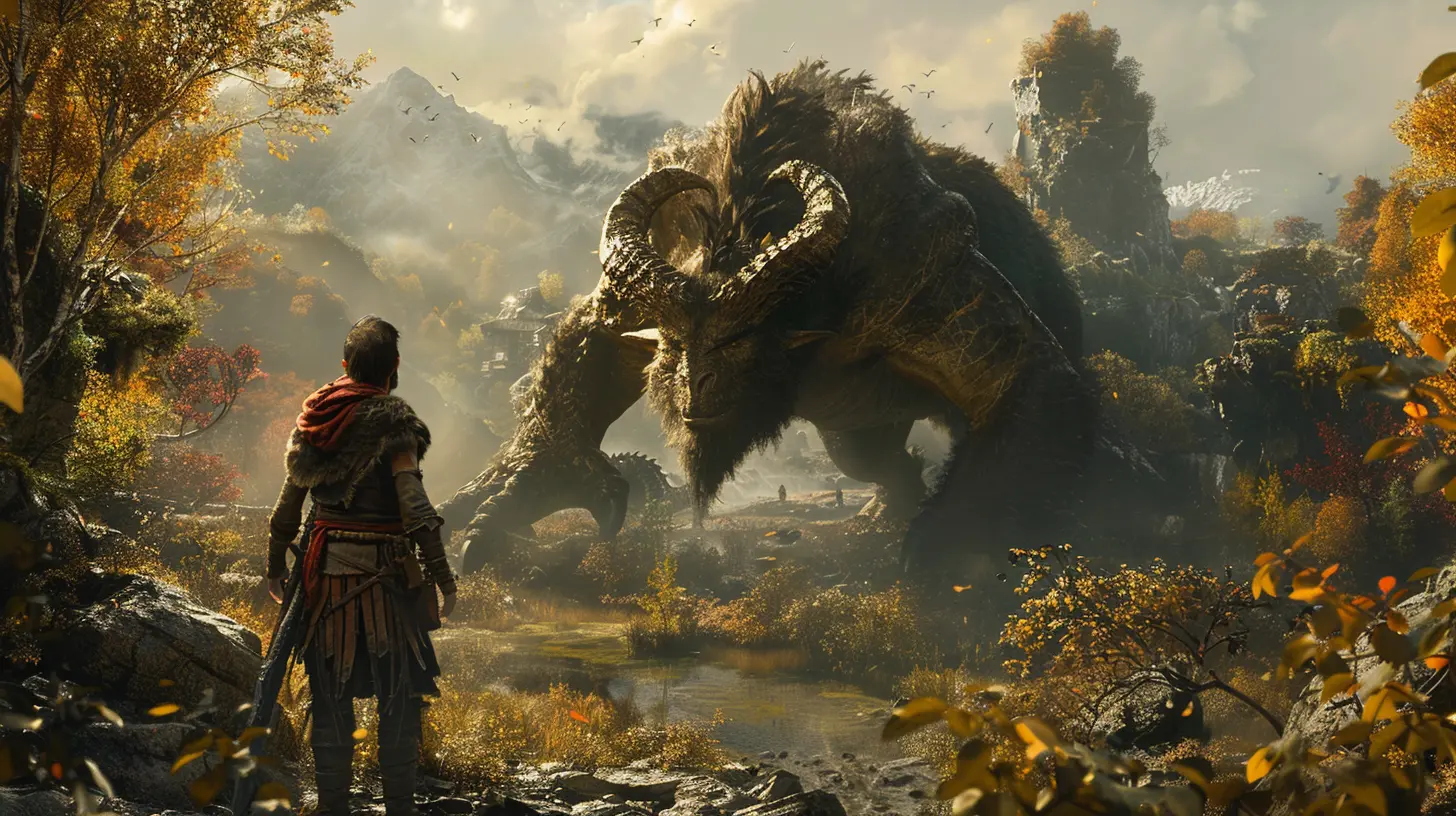
Why Combat Matters in PlayStation Exclusives
Combat isn’t just button-mashing. In these games, it’s more than just mechanics—it’s storytelling, atmosphere, and character development all rolled into one. PlayStation studios like Naughty Dog, Santa Monica Studio, Guerrilla Games, and Insomniac put in the work. They aren’t just handing you a weapon and saying, “Go nuts.” They design every movement, every punch, every parry with purpose.From fluid animations to AI enemy behavior, combat in these games tells a story—and you’re the author in the middle of the chaos.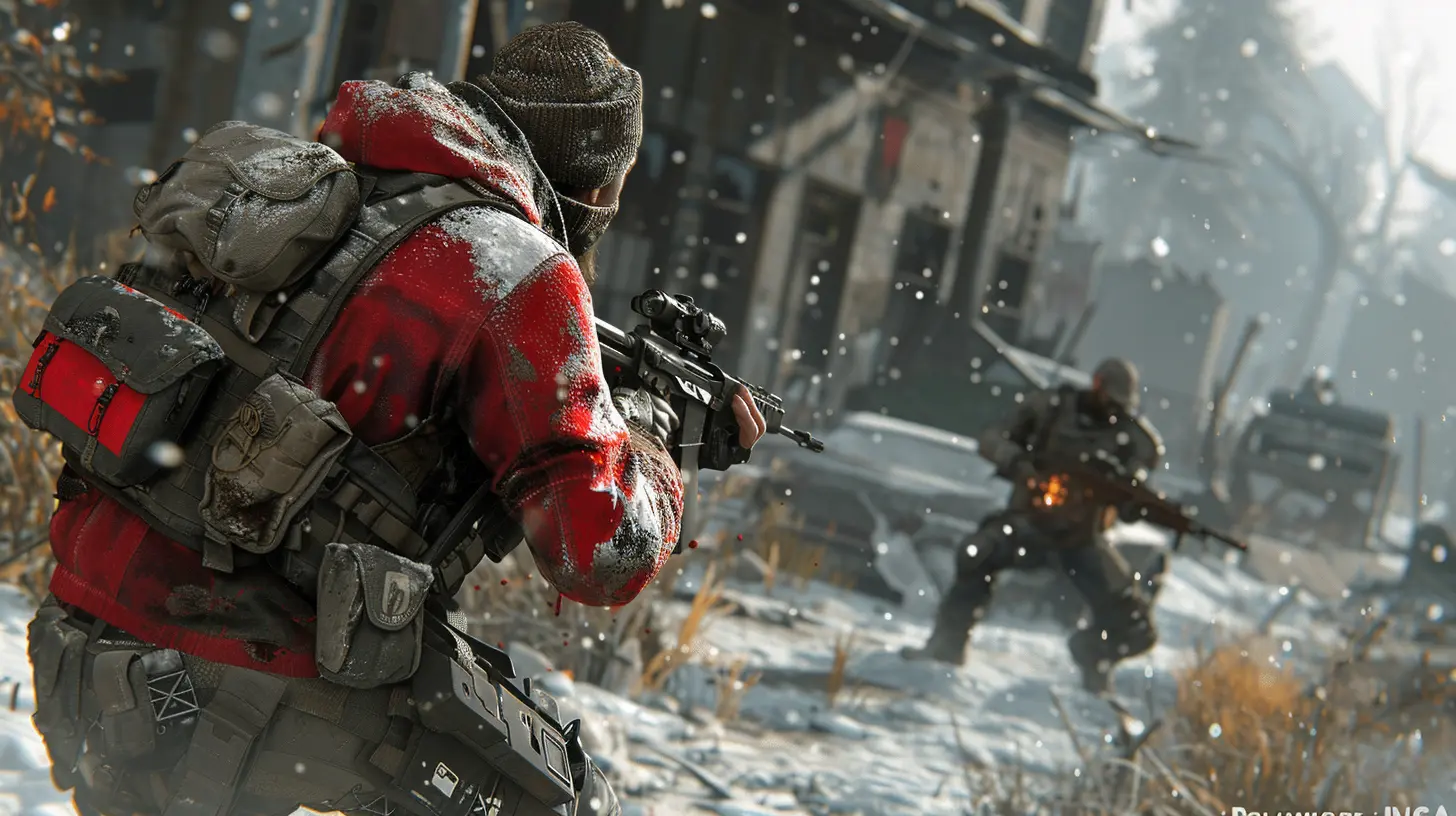
The God-Tier Combat of God of War (2018 & Ragnarok)
Let’s start with a big one.The Leviathan Axe: More Than Just a Weapon
Kratos’ Leviathan Axe is more than just a badass weapon. It’s tactile, weighty, and responsive. The fact that you can throw it and summon it back like Thor's hammer? Never gets old.What makes it special:
- Precision aiming with a satisfying freeze effect.
- Heavy vs. light attacks for strategic depth.
- Elemental effects and skill trees to customize your playstyle.
Oh, and don’t forget the Blades of Chaos. Once they return, combat opens up big time. Crowd control becomes a breeze, and switching between axe and blades mid-combat? Chef’s kiss.
Atreus and Companion Combat
Atreus isn't just a tag-along. He actively helps in combat—stunning enemies, calling in spectral animals, and even solving puzzles. This dynamic duo system adds layers without overwhelming you.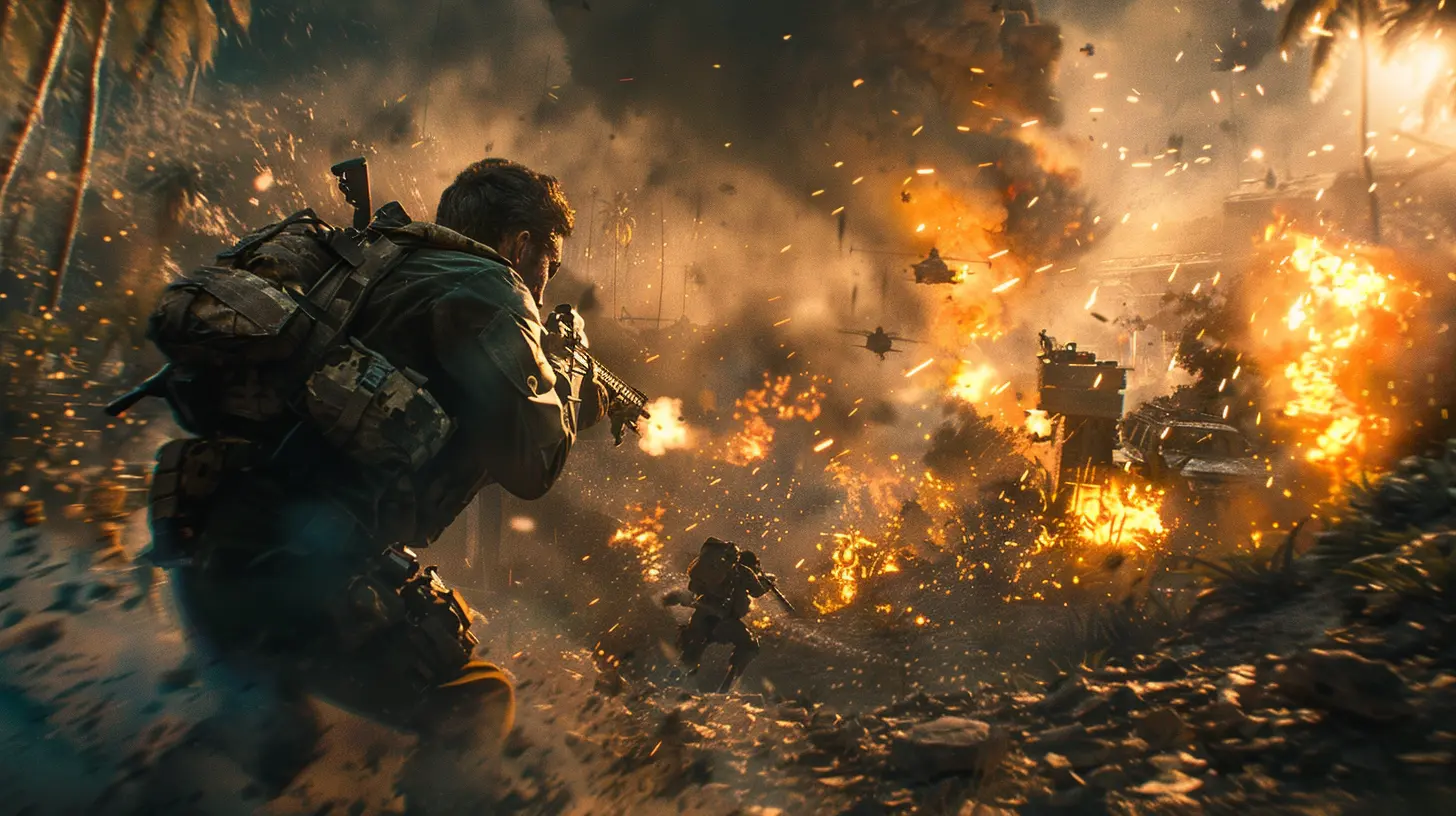
The Last of Us (Parts I & II): Gritty, Grounded, and Brutal
These games strip combat down to the bones. It’s not stylish—it’s survival.Stealth is Survival
Combat here is intimate and intentional. Running in guns blazing? That'll get you killed. You gotta use your brain as much as your trigger finger.Key combat components:
- Limited ammo makes every shot count.
- Dynamic stealth mechanics—crouch, prone, flanking.
- Listen mode lets you track enemies through walls.
In Part II, the introduction of dogs, smarter AI, and vertical environments amped things up hardcore. There’s an eerie beauty in how real it all feels—every kill comes with emotional weight.
Crafting and Resource Management
You’re constantly weighing options—use that rag for a medkit or a Molotov? It makes even downtime feel tense. Combat becomes an extension of your scavenging skills.
Marvel's Spider-Man (2018 & Miles Morales): Combat in Full Swing
Oh man, if you’ve ever wanted to be Spider-Man, these games nail it.Fluid and Aerial
Spider-Man’s combat feels acrobatic and fast-paced. You’re not just punching dudes—you’re zipping between walls, launching enemies into the air, and webbing them to buildings.Breakdown of the magic:
- Combo-based melee with light/heavy attacks.
- Gadgets like web bombs, electric punches, drones.
- Dodging and counterattacking Spider-Sense style.
Stealth and Crowd Control
You can choose how you start a fight—go stealthy and pick off enemies from the rafters or drop from the sky and start a brawl. Either way, combat flows like a dance, and you’re leading the rhythm.Ghost of Tsushima: Samurai Precision Meets Open-World Beauty
You ever play a game where every sword swing feels meaningful? That’s Ghost of Tsushima in a nutshell.Standoff and Duels
The Standoff mechanic is pure samurai cinema. You wait for your enemy to make a move, then slice them down in one hit—if you time it right.Key elements:
- Multiple combat stances (Stone, Water, Wind, Moon) each effective against different enemy types.
- Parrying system that rewards timing and finesse.
- Smooth transitions between stealth and open combat.
Ghost Tools and Tactics
As you embrace the “Ghost” side, your combat expands. Smoke bombs, kunai, fear tactics—it all shifts the battlefield in your favor. It’s all about choice. Fight with honor, or fight dirty.Bloodborne & Demon’s Souls (Remakes): PS Exclusive Soulsborne Combat
Okay, technically these come from FromSoftware (with help from Bluepoint for the remakes), but they’re exclusive, and they’re brutal.Risk-Reward Systems
These games live on risk and reward. You swing that sword? You better commit. Miss and you’re toast.Combat hallmarks:
- No hand-holding—learn by dying.
- Stamina management is crucial.
- Parrying and dodging over blocking.
Aggressive Combat in Bloodborne
Bloodborne ditches shields for fast-paced aggression. The regain system lets you recover lost health by attacking back quick. It pushes you to stay in the fight rather than backing off. It’s like dancing with death—and loving every step.Returnal: Bullet Hell Meets Roguelike Brilliance
Returnal is like if Hades and Metroid had a moody, sci-fi baby—and it works.Fast, Fluid, Frantic
Combat in Returnal is non-stop. You’re always moving, dodging, shooting, and watching patterns like you’re in a bullet hell arcade game.What makes it tick:
- Tight third-person shooting.
- Dodge dash mechanic that saves your butt 24/7.
- Variety of weapons with unique alt-fires.
Each “run” feels different, which keeps you on edge. You develop muscle memory, improve your instincts, and adapt faster each time.
Ratchet & Clank: Rift Apart – Creative Chaos
Want fun? Just give Ratchet a new weapon.Insane Arsenal
Combat here is all about creativity. From pixelizers that turn enemies into 8-bit sprites to sprinklers that turn baddies into topiary, it’s just pure joy.Features to love:
- Huge range of upgradable weapons.
- Real-time weapon wheel for quick changes.
- Visual and tactile feedback (especially on PS5) feels fantastic.
It’s chaotic, colorful, and clever—a welcome break from the gritty realism of other titles.
How PlayStation Nails Combat Across the Board
So what’s the secret sauce? Here’s the common thread across all these games:1. Responsiveness
Combat feels right. No laggy inputs, no janky hitboxes. You push a button, your character reacts immediately.2. Animation Quality
We’re talking real-time motion capture, facial reactions in combat, smooth transitions. It’s all cinematic yet playable.3. Progression and Customization
Whether it’s skill trees, weapon upgrades, or new moves, these games keep things fresh. You never feel stuck for long.4. AI That Challenges
Enemies are smart. They flank you, force you out of cover, adapt to your tactics. It keeps you engaged and on your toes.The Future of Combat in PS Exclusives
With new IPs and sequels on the horizon (Wolverine, anyone?), we’re expecting even more innovation. Imagine haptic feedback that lets you feel the crackle of electricity in your fingertips, or AI that learns from your playstyle mid-campaign. Yeah, the future’s looking wild.And with PlayStation constantly pushing the envelope for immersion, storytelling, and gameplay, combat is only going to get better—more personal, more explosive, and even more unforgettable.
Final Thoughts
Combat in PlayStation exclusive titles isn’t just about fighting—it’s about experiencing. Whether you’re slicing through enemies with a katana or sneaking up on clickers in the dark, each system is built to immerse you. These aren’t just games; they’re interactive masterpieces with combat that sticks with you long after you’ve put down the controller.If you’re a fan of deep, responsive, and memorable combat systems, PlayStation exclusives are where it’s at.
all images in this post were generated using AI tools
Category:
Playstation ExclusivesAuthor:

Jack McKinstry
Discussion
rate this article
2 comments
Leslie Smith
Combat mechanics in PlayStation exclusives: where even your virtual hero needs a nap after dodging, slashing, and saving the world—one button mash at a time!
February 15, 2026 at 5:18 PM
Jack McKinstry
Thanks for your insight! It's interesting how game mechanics can mirror real-life fatigue, adding depth to gameplay.
Taryn Dillon
Ah, yes! Because we definitely needed another deep dive into virtual button-mashing strategies. So thrilling!
February 15, 2026 at 5:06 AM
Jack McKinstry
I appreciate your sarcasm! There's always more to explore in gameplay dynamics, and I hope some insights might surprise you.