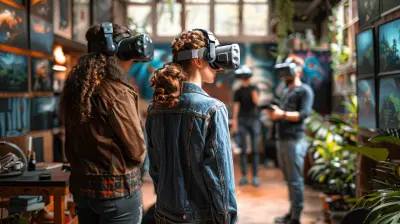
A Deep Dive into the Mechanics of AR-Based Puzzle Games
21 September 2026
Alright, let’s cut to the chase. Augmented Reality (AR) is no longer just some sci-fi mumbo jumbo from futuristic movies. It’s here, living rent-free in our smartphones and giving regular ol’ puzzle games a serious facelift. If you’ve ever tilted your head sideways while pointing your phone at your kitchen table just to line up a magical rune, then congrats: you’ve already dipped your toes in the weird and wonderful world of AR-based puzzle games.
But what’s really going on under the hood of these mind-bending, reality-warping games? How do they manage to mash together real-world surroundings with virtual challenges? Buckle up, because we’re about to pull back the curtain and take a gloriously nerdy deep dive into the surprisingly clever mechanics powering AR puzzle games.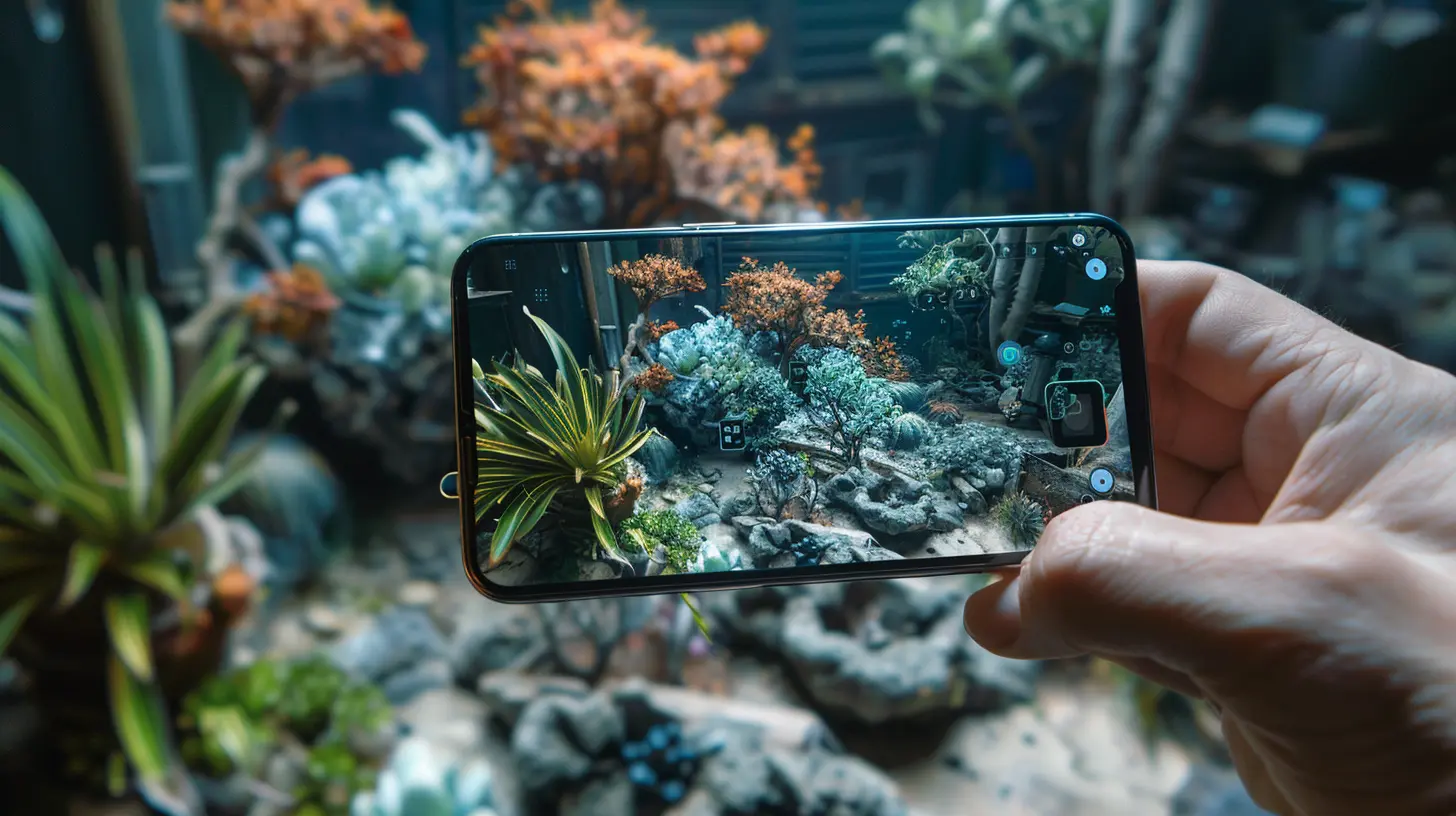
What on Earth is an AR-Based Puzzle Game?
Let’s start with the basics—because, yes, not everyone is wandering around pointing their phone at lamp posts for fun (yet).AR-based puzzle games use your device’s camera, sensors, and a sprinkle of dark magic (read: software) to blend digital elements into your view of the real world. You look through your phone or headset, and voilà—a puzzle appears floating in mid-air above your cat. It’s like “Where’s Waldo?” but Waldo is a glowing orb, and he’s hiding behind your toaster.
Imagine solving a jigsaw puzzle where the pieces are scattered around your living room. Only instead of losing a few pieces under the couch, they disappear because you didn’t angle your phone correctly. Fun, right?
But let’s not get ahead of ourselves. First, let’s break down how AR puzzle games actually work.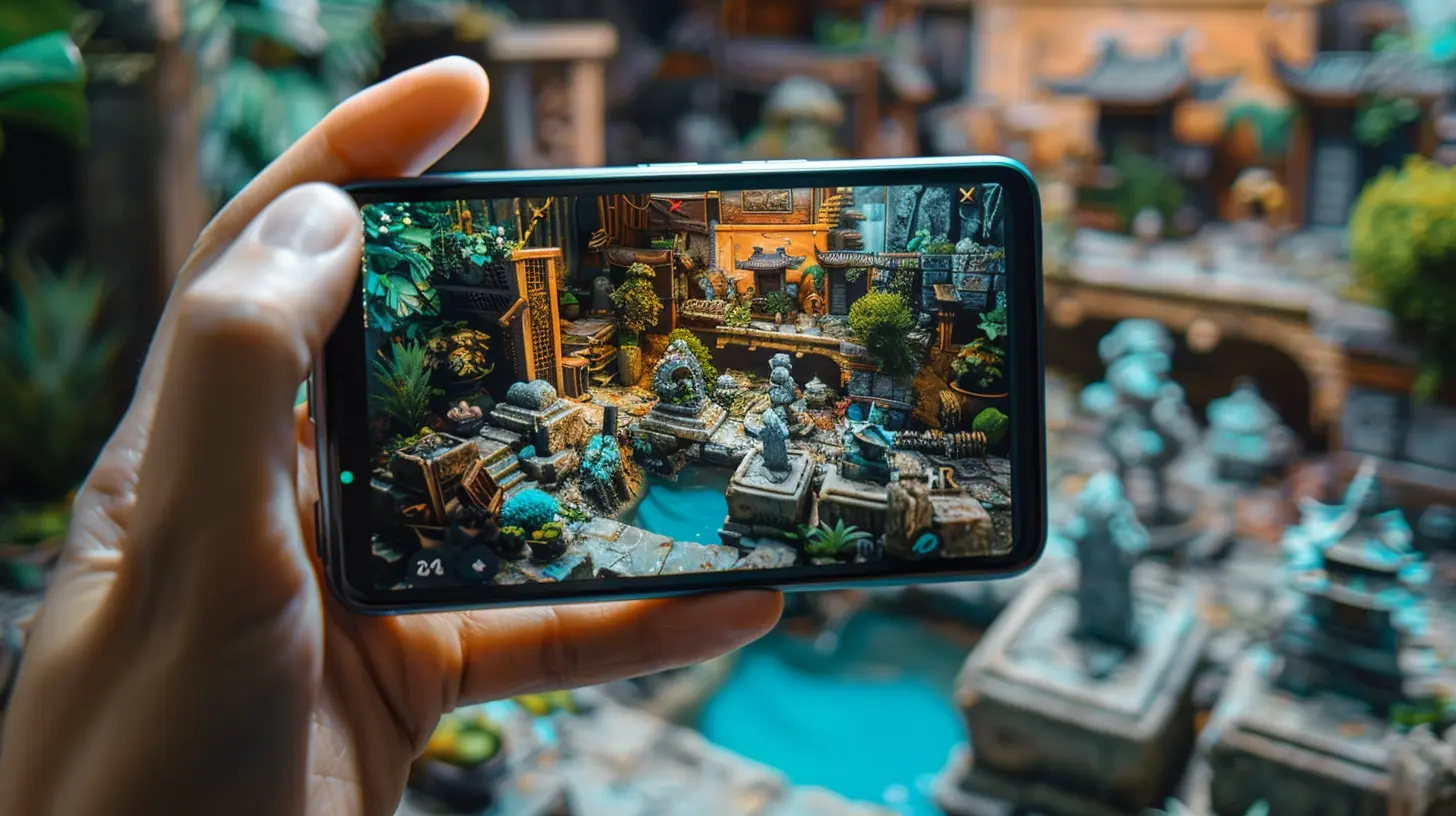
The Secret Sauce: Core Mechanics of AR-Based Puzzle Games
1. Spatial Mapping: Or, How Your Phone Pretends It’s a Jedi
Spatial mapping is the unsung hero of AR gaming. It’s how your phone figures out where everything in your room is. It scans the environment using its camera and depth sensors (if it’s fancy), and builds a virtual blueprint of your space. So yes, your phone now knows about those dust bunnies under your bed.This spatial awareness lets the game stick digital stuff onto real-world objects. That means puzzle elements can be “glued” to your kitchen table or hang mid-air in your hallway. It’s like your house got turned into a giant escape room. (And suddenly that laundry chair becomes a gaming arena. Win-win.)
2. Object Recognition: Because Your Sofa Deserves to be Noticed
Some AR puzzle games take it up a notch with object recognition. Your device can identify specific surfaces, shapes, or even objects like cups, books, or your unsuspecting houseplants. The game then tailors the challenges based on what it sees.For example, a puzzle might require you to align symbols that appear only when you stack real books in a certain way. Yep, folks, AR games have figured out a way to make you rearrange your furniture for fun.
3. Gesture and Motion Controls: Wave to Win
You’re not just tapping at your screen like a regular gamer. In AR-based puzzles, you might have to literally walk around an object, tilt your phone, or wave it like you’re swatting mosquitoes—because some puzzles are only solvable when viewed from a specific angle.Some games even use gesture tracking, allowing you to interact with puzzles using your hands. We’re talking full sci-fi here—reaching out into thin air to slide a lever or unscramble a magic cube feels straight out of Tony Stark’s playbook.
The Puzzle Playground: Types of AR-Based Puzzle Challenges
Alright, let’s talk flavor. AR puzzle games come in all shapes and sizes. Some are sweet brain teasers. Some are full-blown mental marathons. And some? Just pure weird—and we love them for it.1. Environmental Puzzles
Think Pokémon Go meets Professor Layton. These puzzles ask you to explore the physical world to uncover clues or pieces of a larger challenge. Great, now your morning walk just became an epic quest to find scattered puzzle shards in your neighborhood.Bonus: these games are basically tricking you into exercising. Sneaky, right?
2. Spatial Reasoning Challenges
These puzzles make you think in 3D. The kind that makes your brain feel like it’s been turned inside out.You might have to rotate shapes, align distant symbols, or piece together virtual artifacts in your real-world space. Imagine solving a Rubik’s Cube… but one where the pieces are hovering around your room like confused toddlers at a birthday party.
3. Escape Room Simulators
Who needs to pay for an escape room when your living room can transform into one? These games drop you into a full-blown AR mystery, complete with clues, riddles, and weird locks that open only when you look at them sideways and chant secret passwords (okay, maybe not that last one).Solving these requires Sherlock Holmes-level logic AND the agility to maneuver around your coffee table without stubbing your toe.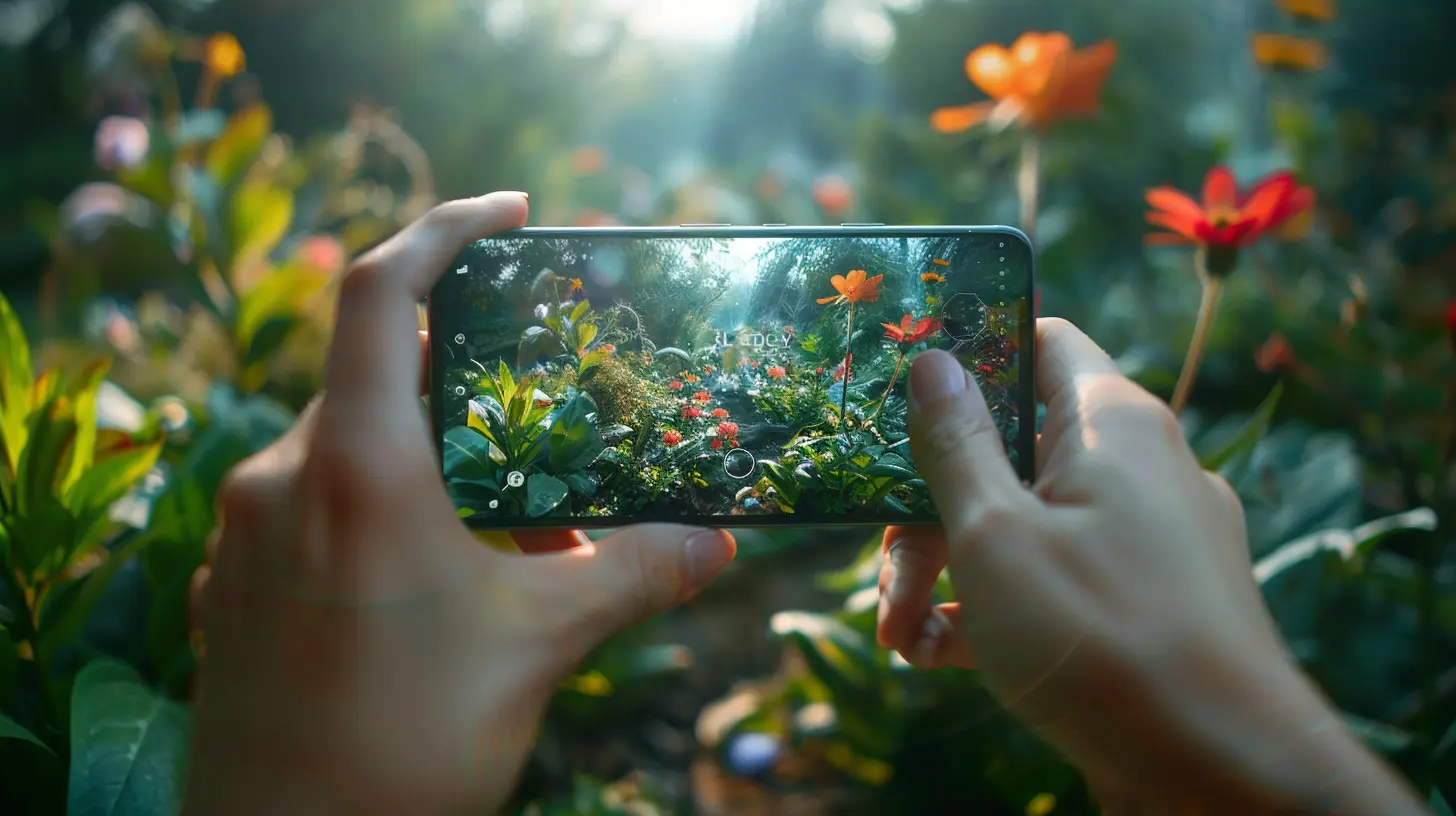
Why We Can’t Get Enough of AR Puzzle Games
Okay, let’s be real. There’s something inherently satisfying about physically moving around to solve a digital mystery. It taps into your inner MacGyver—you’re not just playing the puzzle, you’re in it.The immersion? Off the charts.
The sense of discovery? Chef’s kiss.
The dopamine hit when you finally align those rotating orbs? Absolutely addictive.
Plus, there’s a little ego boost from knowing you're solving puzzles that require actual spatial awareness. It’s like Sudoku had a glow-up and started working out.
The Tech Wizards Behind the Curtain
Behind every AR puzzle game is a group of devs who are absolutely caffeinated out of their minds and working magic with:- ARKit/ARCore: Apple and Google’s AR platforms. They’re the reason your phone even knows your floor exists.
- Unity/Unreal Engine: These game engines support AR and let developers build the rich, interactive environments players love.
- Cloud Anchors: These bad boys let players share their AR puzzles in the same physical space. So yes, you and your friend can both see the same digital dragon perched on your couch.
It’s basically a tech sandwich made of software smarts, sensor trickery, and a generous sauce of imagination.
But Let’s Talk Struggles… Because It Ain’t All Smooth Sailing
Now, as cool as this all sounds, AR puzzle games aren’t exactly perfect. They’ve got more quirks than a laptop running Windows 95.1. Lighting is a Diva
Bad lighting = glitchy AR = rage quit. Your device struggles to recognize surfaces in low light. So if you were hoping for a spooky nighttime puzzle session, think again. Unless you enjoy fumbling in the dark like a budget ghost hunter.2. Battery Life is a Lie
AR apps gobble up battery life like it’s candy. Five minutes of puzzle solving, and your phone feels like it just ran a marathon. Better keep that charger close, or be prepared to play "Guess the Clue" with 3% battery left and rising panic.3. Space is Not Optional
Live in a tiny apartment? Get ready to solve puzzles while doing a comical shuffle around your cramped room. Bonus points if you knock something over while trying to align a virtual dial.Still, the experience is worth it. Because when AR puzzle games work, they work like magic wrapped in technology dipped in fun.
The Future: AR Puzzle Games Level Up
Here’s the exciting part—we’re still early days with AR puzzle games. What’s coming down the pipeline is enough to make any gamer drool.- Wearable AR: Smart glasses will make AR games easier, smoother, and hands-free. Finally, no more looking like a lost tourist pointing your phone at random objects.
- AI Integration: Imagine puzzles that adapt based on your brainpower. If you're stuck, the game might subtly change to guide you forward. Like a nice teacher… or a very polite backseat driver.
- Cross-Platform Madness: AR puzzles embedded into everyday life, like your work meetings or your kitchen appliances. (Let’s be honest, anything to make doing dishes more interesting.)
So if you thought AR puzzle games were cool now? The future’s about to blow your mind—pun absolutely intended.
Final Thoughts: Puzzle Me This
AR-based puzzle games are kind of like the quirky cousin of traditional video games—the one who shows up with a laser pointer and turns your entire house into a playground. They blend tech, creativity, and just enough chaos to keep things exciting.They make you move, think, explore, and occasionally shout at your phone. And somehow, that awkward dance between digital and physical worlds strikes gaming gold.
So the next time your phone asks for access to your camera “for a better experience,” just say yes—and get ready to turn reality into a brain-bending, riddle-filled adventure.
Welcome to the wonderfully weird world of AR puzzle gaming. Your sofa will never look the same again.
all images in this post were generated using AI tools
Category:
Augmented Reality GamesAuthor:

Jack McKinstry
Discussion
rate this article
1 comments
Keira McAuley
AR-based puzzle games blend reality and creativity in exciting ways. The mechanics encourage players to think beyond traditional boundaries, making each challenge feel fresh and engaging. Looking forward to seeing more innovation in this genre!
September 21, 2026 at 2:30 AM