Character Design Tips for Story-Driven Games
3 March 2026
Crafting memorable characters isn't just about their looks — it's about making players feel, think, and connect with them on a deeper level. In story-driven games, character design is your secret weapon. It bridges that magical gap between narrative and gameplay. Think of your characters as the beating heart of your story. Without them, even the most epic plot can fall flat.
So, whether you're an aspiring indie dev, a writer with world-changing ideas, or an artist looking to level up your skills, you're in the right place. Let's dive deep into some must-know character design tips that can transform your story-driven game from meh to masterpiece.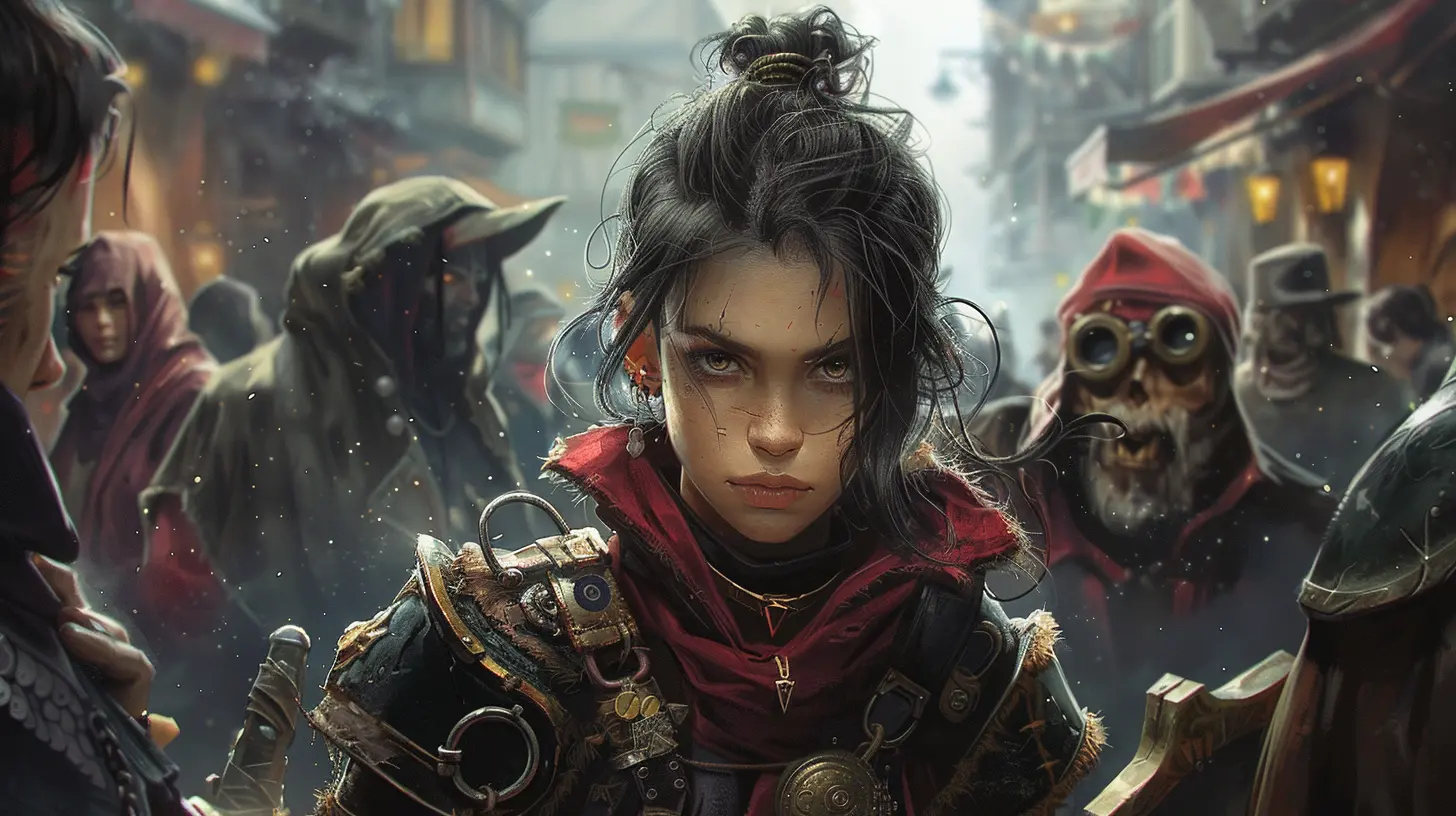
🎨 Why Character Design Is So Important in Story-Driven Games
Alright, let’s set the stage. Imagine playing a game where the mechanics are top-notch, the visuals are beautiful, but… the characters? Bland. You don't care if they win or lose, live or die. It’s like eating a fancy meal with no seasoning — technically good, but utterly forgettable.Characters are more than avatars. They're the soul of your story. When done right, design choices can subtly (or not-so-subtly) whisper clues about who your characters are — their motives, their past, their relationships, and even their inner conflicts.
First Impressions Are Everything
Players judge characters in the first few seconds. Whether it's their look, their voice, or how they behave, it all has to scream, "This person MATTERS!" Every visual element — from clothing to posture — should serve the story. A worn-out jacket? Maybe they’ve been through hell and back. A clean, polished appearance? Perhaps they’re hiding something.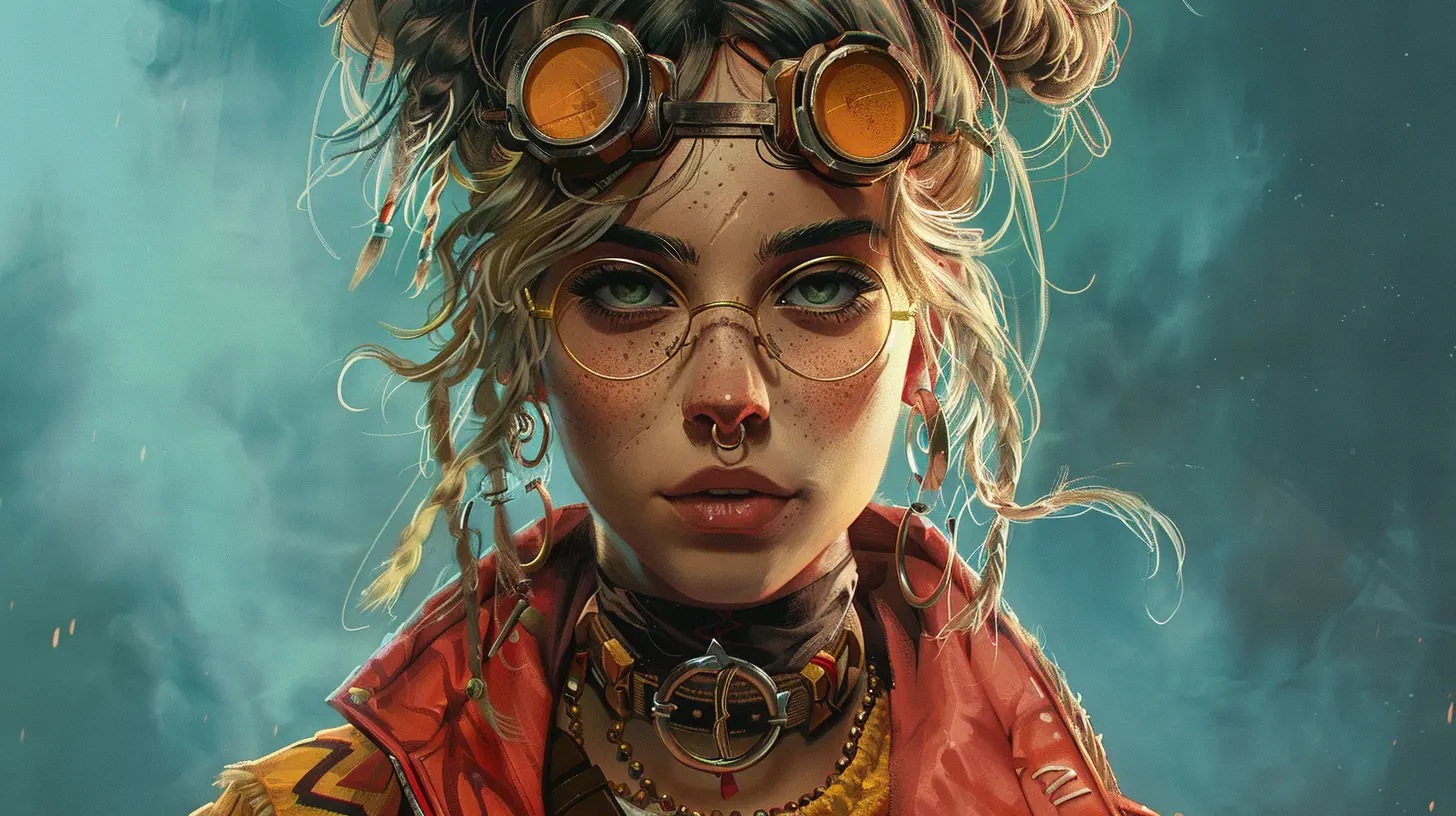
🧠 Start with the Story, Not the Style
Here’s a trap many fall into: designing a character who looks awesome, then scrambling to write a backstory that fits their aesthetics.Flip that!
Build from the Inside Out
Ask yourself:- What’s their role in the story?
- What motivates them?
- What’s their biggest fear?
- How do they change over time?
Once you know who they are, designing how they look becomes way easier and more authentic. Imagine you’re casting for a movie. You wouldn’t pick an actor solely based on how cool they look — it’s about how well they embody the role.
Character Arcs Shape Design
A character’s growth should be reflected subtly in how they evolve visually. Think of Joel and Ellie from The Last of Us — their clothing gets more worn, their faces more tired, and their demeanor shifts as their emotional journey unfolds. The visual evolution should whisper, "This person has been through some stuff."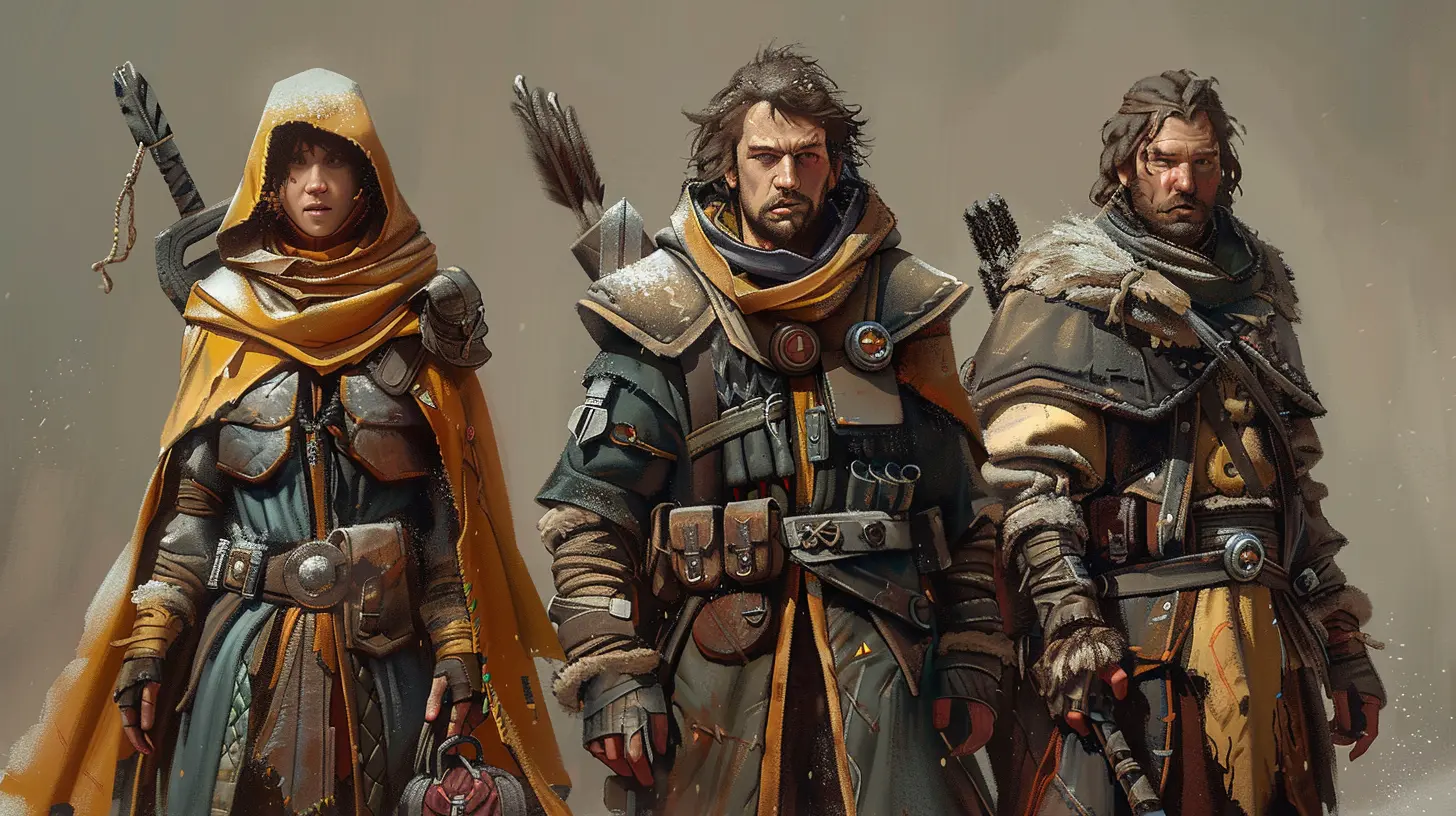
👀 Keep It Visually Meaningful
Visual storytelling is your best friend. Remember, in games, players don’t read paragraphs — they see the world.Use Silhouettes to Make Characters Distinct
Good character design reads clearly in silhouette. That means if you black out the whole character and just show the outline, players should still be able to tell who it is.Ask yourself:
- Can players instantly recognize this character even from a distance?
- Is their shape unique compared to others?
Silhouettes help with visual clarity, especially during gameplay, and add an instant signature look.
Color Them with Purpose
Colors talk — loud and clear. They carry emotional weight. Here’s a cheat sheet:- Red: Passion, danger, intensity
- Blue: Calm, intelligence, sorrow
- Green: Growth, envy, mystery
- Black: Power, secrecy, tragedy
- White: Innocence, peace, but also emptiness
Use colors based on your characters' emotions, traits, or even symbolic connections in your story. Be intentional, not accidental.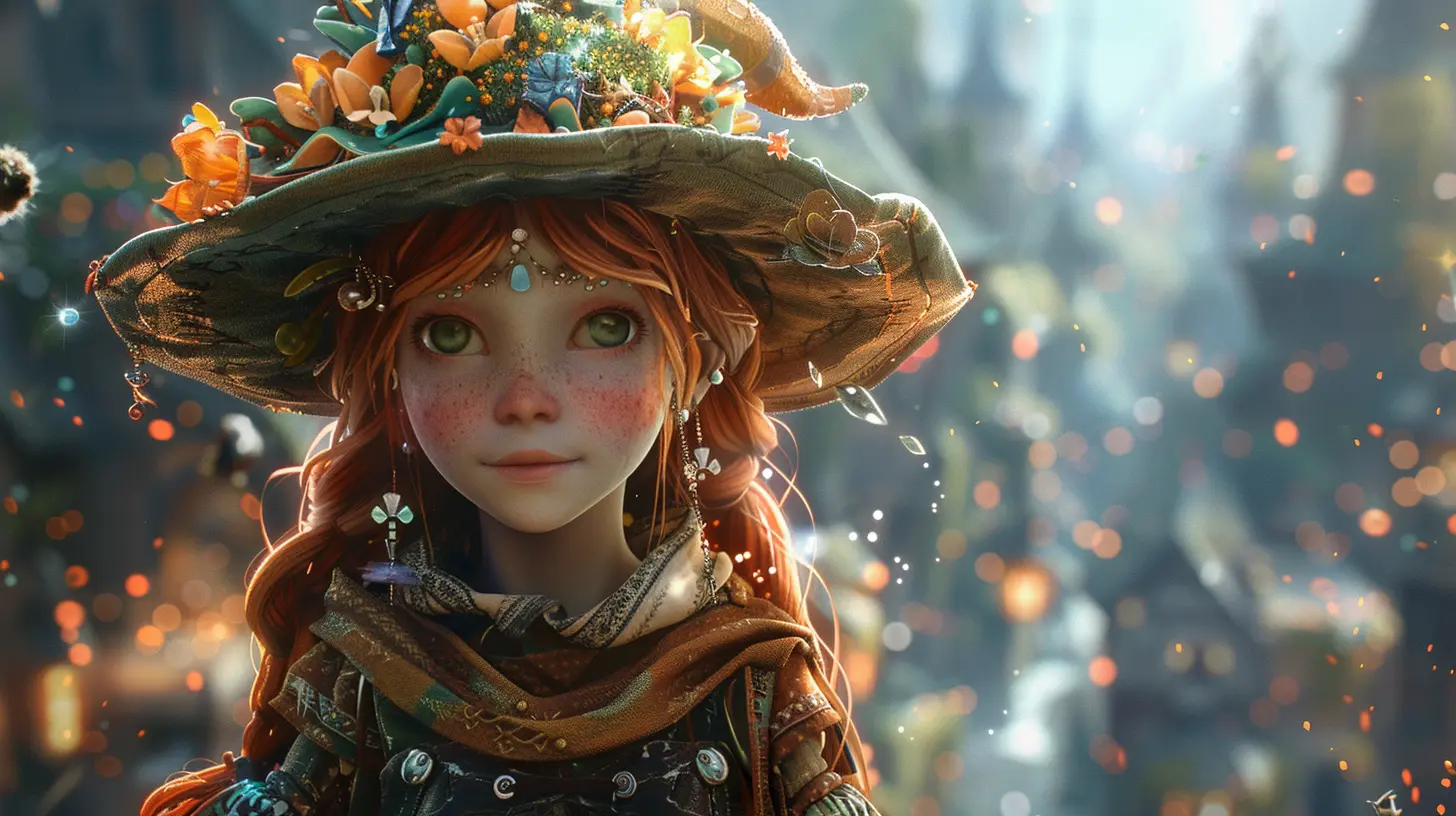
🛠️ Gameplay-Driven Design
Don’t forget — this is a game. Your characters have to function, not just look cool in a screenshot.Fit Design to Mechanics
If your main character is stealthy, don’t load them up with steel armor covered in clanking chains. If they’re parkouring across cities, make sure their outfit looks flexible and lightweight.Design needs to align with what the character does every second of gameplay. Otherwise, it feels jarring.
Hint At Abilities Visually
Is your character a healer? A magician? A bruiser?Use visual cues to communicate that. Glowing runes, oversized gauntlets, equipment, even posture — all of it serves as shorthand for what the player can expect from this character’s role in gameplay.
💬 Dialogue Meets Design
Voice, tone, and personality should line up with how the character looks. Otherwise, you risk dissonance — and not the good kind.Consistency Is Key
Let’s say you design a shy, intellectual introvert. Maybe their clothes are modest, their posture closed off. But if they suddenly start cracking loud jokes, it feels weird. The mismatch pulls players out of the immersion.Keep your tone, design, and behavior in sync. It builds immersion and makes characters feel authentic.
💔 Flaws Make Characters Real
Perfect characters are boring. Struggles, flaws, quirks — that’s where the gold is. That’s what players connect with.A scarred warrior who’s terrified of failure. A cheerful rogue who masks deep guilt. A villain driven by a tragic misunderstanding. These details stick with players long after the end credits.
Flaws also give you room to grow the character. They create tension, conflict, and — most importantly — player empathy.
🔀 Don’t Forget the Supporting Cast
Main characters steal the spotlight, but supporting characters are the glue that holds the story world together.Make Them Memorable Too
Give side characters a purpose. Unique quirks. Reactive dialogue. A design that reflects their distinct place in the world. They don't need elaborate backstories — just enough personality and design to feel alive.Example: In Undertale, even NPCs have distinct personalities, and you remember them because each one adds depth to the world.
🌍 Consider the Worldbuilding
Your character doesn't exist in a vacuum. They’re a product of their world.- What culture are they from?
- What's the social structure?
- What era or tech defines the setting?
Your world should influence clothing styles, materials, symbols, accessories, even hairstyles. A character from a desert city will dress differently from one living in a high-tech underwater base, right?
World-based design gives your characters authenticity and immersion.
🔄 Iterate, Iterate, Iterate
The first design isn’t always "the one." And that’s totally fine.Sketch. Draft. Rework. Get feedback. Then do it again. Sometimes, adding or removing one small detail — a necklace, a scar, a hairstyle — can unlock the entire character’s identity.
Take your time. Let the design breathe. And don’t fall in love with early concepts too fast.
🔍 Playtest for Emotional Connection
Here's an underrated gem: test if players care.Let people play parts of your story. See how they react to your characters. Ask:
- Did they remember the names?
- Did they feel sad when someone got hurt?
- Were they surprised by the backstory reveal?
If players walk away talking more about your characters than your mechanics, you’ve nailed it.
✅ Quickfire Pro Tips
- Less is more: Don’t over-design. Leave room for imagination.- Iconic accessories: Give characters one standout item — a hat, a necklace, a weapon — that players instantly associate with them.
- Body language matters: How a character stands or walks speaks volumes.
- Design for different camera views: Top-down needs different clarity than third-person or side-scroll.
- Keep diversity in mind: Vary body types, ethnicities, ages, voices. Represent more players in your world.
💡 Final Thoughts
Designing characters for story-driven games isn’t about creating pretty art — it’s about crafting people that feel real, relatable, and emotionally rich.It’s like being both a sculptor and a storyteller. Each design choice you make — from tattoos to tears — either strengthens or weakens the bond between player and character.
Great games make you remember the story. But amazing games make you remember the people who lived it.
So go on — design characters that breathe, feel, suffer, and shine. Your players are waiting to meet them.
all images in this post were generated using AI tools
Category:
Game Content CreationAuthor:

Jack McKinstry
Discussion
rate this article
2 comments
Owyn McMahon
Great tips! Strong character design really enhances immersion and storytelling in games.
March 7, 2026 at 3:46 PM
Jack McKinstry
Thank you! I'm glad you found the tips helpful—strong character design truly makes a difference in storytelling and player engagement.
Olympia McKibben
Great tips! Character depth enhances storytelling immensely.
March 5, 2026 at 3:42 PM
Jack McKinstry
Thank you! I’m glad you found the tips helpful—depth truly brings characters to life!