Creating Believable Factions in Your Game World
20 February 2026
Ever played a game where the factions felt... off? Maybe the villains were evil just for the sake of it. Or the heroes seemed more like cardboard cutouts than real people. If you've ever scratched your head wondering why a certain in-game group didn’t quite pull you in, chances are the faction wasn’t built with depth or intent.
Creating believable factions is like cooking a great stew — every ingredient matters, and you’ve got to let it simmer. In this article, we’ll walk through practical tips to craft game factions that not only make sense but also pull your players right into the thick of your fictional universe.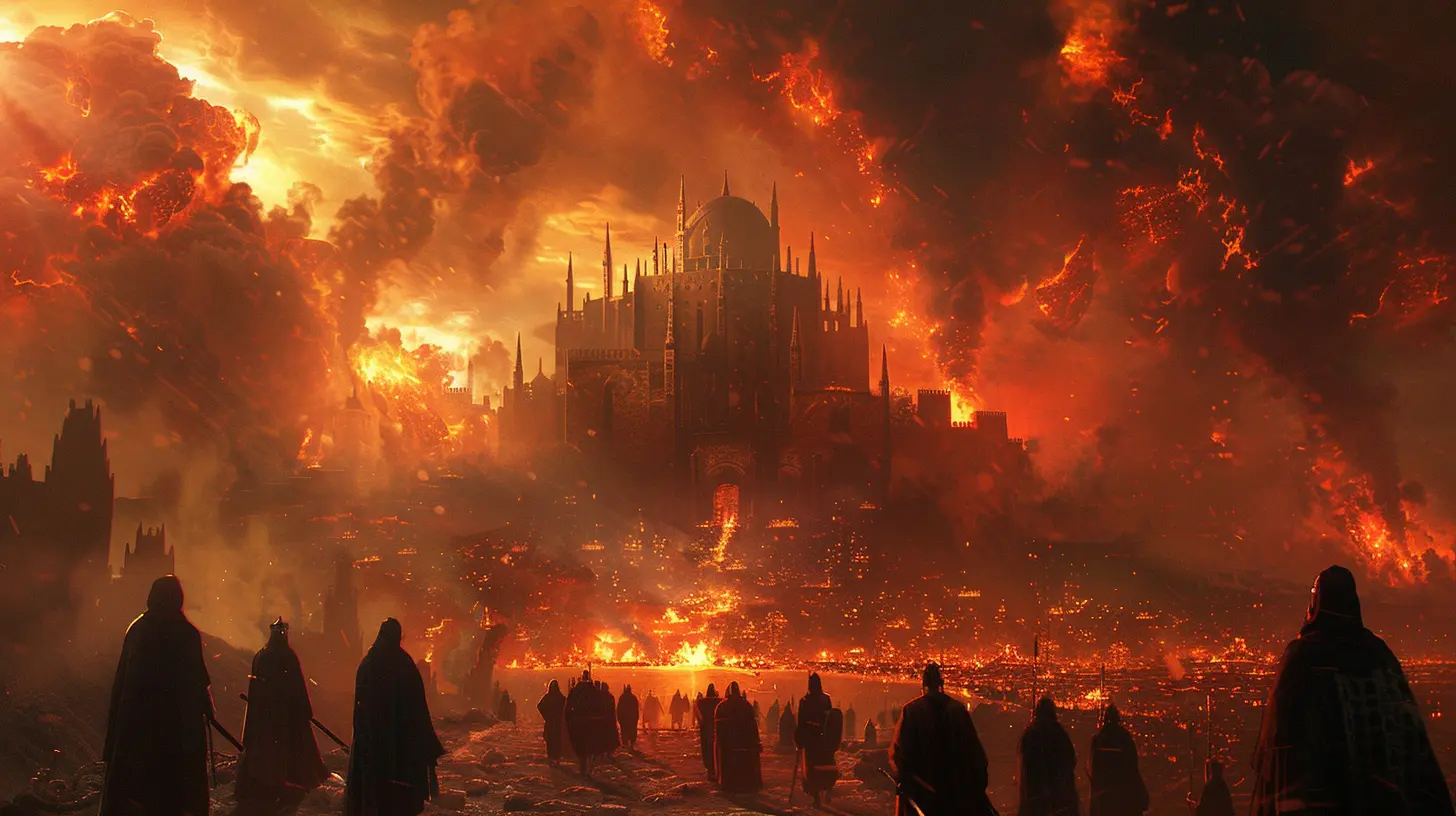
Why Factions Matter More Than You Think
Before we dive into the how-to, let’s tackle the “why.” Why do factions matter in your worldbuilding? Simple — they breathe life into your game. Factions add tension, conflict, and flavor. They become the heartbeat of your politics, your wars, your uneasy alliances, and your plot twists. Without them, your world can feel static, sterile, and lacking in that juicy drama that keeps players hooked.Think about the Brotherhood of Steel in Fallout or the Houses in Game of Thrones. They’re not just groups, they’re ideologies, cultures, and histories wrapped in a name. They provoke emotion. And that’s the secret sauce.
The Core Ingredients of a Believable Faction
Sure, anyone can slap a cool name and a logo on a group and call it a faction. But if you want yours to feel real, you’ll need to dig a little deeper. Here’s what to focus on:1. A Clear Purpose or Belief System
The first thing any faction needs is a reason to exist. Why did this group form? What do they stand for? What do they want?A solid belief system or ideology gives your faction consistency and depth. Maybe they believe in restoring order to a chaotic world. Maybe they hoard knowledge because they believe it’s too dangerous in the wrong hands. Whatever the case, make sure their actions reflect their philosophy.
🧠 Tip: Flesh out their tagline — if they had a motto or slogan, what would it be? This helps anchor their identity.
2. Internal Structure and Hierarchy
A realistic faction isn’t just a mob of people following one guy with a cool sword. They’ve got leadership structures, chains of command, advisors, maybe even figureheads who aren't really in control.Ask yourself:
- Who leads the faction?
- How do decisions get made?
- Are there rivalries within the group?
Add a little backstabbing, power struggles, or old grudges. That internal drama makes for rich storytelling.
3. Culture and Lifestyle
What’s a day in the life like for a member of your faction? Culture is more than clothes and slang — it’s how people eat, fight, worship, and make sense of the world.Do they live communally, or are they hyper-individualistic? Do they tattoo their achievements on their bodies? Do they shun technology? These little quirks make factions feel lived-in and personal.
🌍 Bonus: Think about how environment shapes culture. A desert-dwelling faction might center their religion around water. A group in a frigid tundra might prize warmth and community.
4. Unique Visual Design
Okay, visuals aren’t everything, but let’s not pretend they don’t matter. A faction's aesthetic should reflect their values. Are they polished and uniform? Ragged and rebellious? Covered in techno-runes?Remember, your players often see before they understand — so make your faction’s appearance tell a story even before anyone opens their mouth.
💡 Inspiration: Look at real-world cultures, mix and match ideas, and don’t be afraid to get weird.
Types of Factions and What They Bring to the Table
There’s no one-size-fits-all when it comes to faction types. In fact, your world will feel richer if you mix contrasting ones that collide and compete.1. Political Factions
These guys are all about power. Kings, diplomats, secret cabals... whether they fight with swords or signatures, their weapon is influence.🕴 Perfect for: intrigue, espionage, betrayal arcs
2. Religious or Cult Factions
Faith can be a powerful motivator — for good or for terrifyingly weird. These factions are driven by divine duty, prophecy, or eldritch interpretations of reality.⛪ Great for: moral dilemmas, fanaticism, forbidden knowledge
3. Technological Factions
When the rest of the world is swinging swords, these are the folks building laser cannons or uploading minds to the cloud. Maybe they’re visionaries. Or maybe they’ve gone too far.🤖 Use them for: sci-fi twists, ethical gray areas
4. Rebel or Revolutionary Factions
These groups fight against the status quo. Freedom fighters or terrorists, depending on who you ask.🔥 Ideal for: underdog stories, guerrilla tactics, shifting perceptions
5. Criminal Syndicates
They break the law — or maybe they are the law in their turf. Think smugglers, mafia families, pirates, and thieves’ guilds.💰 Plug them into: heists, shady deals, morally gray quests
Conflict Is King: Making Factions Clash
Here’s the meat of your narrative — conflict. Factions without enemies (or even frenemies) are like a chessboard with one player. Boring.Now, conflict doesn't always mean war. It could be hostile negotiations at a treaty table or a spy planted in an enemy clan. Still, you want tension. Juicy, pulpy, player-grabbing tension.
Ask:
- What does each faction want?
- Whose goals directly oppose one another?
- Where are the gray areas where deals and double-crosses can happen?
Create triangular relationships too. Instead of a simple A vs. B, throw in a third faction with their own agenda, and watch chaos bloom.
Making Factions Interactive for Players
Let’s shift gears for a second. You’ve crafted these amazing factions... now what? How do you actually make them matter to players?Simple. Give players meaningful ways to interact with them.
1. Faction Reputation Systems
Let players rise (or fall) in the eyes of each faction. The more they engage, the more doors open — or close.🎮 Think: unlocking faction-specific gear, missions, or even storylines.
2. Choices That Matter
Don’t just have players run errands. Force them to make tough calls. Maybe aligning with one faction locks out another. Maybe betraying a faction leads to a permanent bounty on their head.Players love drama when their actions have weight.
3. Let Them Join — Or Destroy — Factions
The ultimate level of interactivity? Let players become part of a faction’s story. Maybe they rise through the ranks. Maybe they tear the whole thing down from the inside.Give them that power, and they’ll be talking about your game long after the credits roll.
Common Faction Building Pitfalls (And How to Avoid Them)
Even great ideas can stumble. Don’t fall into these traps:🚫 Faction Monolith Syndrome — Not every member of a faction must think or act the same. Add diversity of opinion and personality.
🚫 Too Many Factions, Not Enough Depth — It’s better to have 3 fleshed-out factions than 9 shallow ones. Quality over quantity.
🚫 The Evil-For-Evil’s-Sake Trope — Villainous factions are fine, but they need believable motivations. No one thinks they’re the bad guy.
🚫 Overused Tropes Without a Twist — A noble knight order? Cool. But why not give them a secret addiction to dark magic or a history of failed crusades?
Real-World Inspiration: Where to Look
Stuck for ideas? History is your best friend. Seriously, look at the real world. Human beings are great at forming groups, squabbling, and justifying it all with philosophy.Here are a few jumping-off points:
- The Roman Senate and its political scheming
- Pirate codes and seafaring brotherhoods
- Sufi mystics and their secret societies
- Cold War arms races and shadow espionage games
Steal like an artist. Mix ideas. Add magic, tech, or post-apocalyptic ruins. Boom — you’ve got something fresh.
Final Thoughts: Think Like a Faction Member
At the heart of it all, building believable factions means thinking like the people inside them. What do they fear? What do they hope for? Who taught them what they believe?When you get into that mindset, your factions stop being just “groups of NPCs.” They become living, breathing parts of your world with stories just waiting to unfold.
And when that happens? Your players won’t just meet factions. They’ll join them, love them, hate them, betray them — and remember them long after the game is done.
all images in this post were generated using AI tools
Category:
Game Content CreationAuthor:

Jack McKinstry
Discussion
rate this article
2 comments
Tyler Hahn
Great tips! Consider adding unique motivations and conflicts to enhance faction depth and realism.
February 24, 2026 at 3:59 AM
Jack McKinstry
Thanks for the feedback! Unique motivations and conflicts can definitely add depth to factions. I appreciate your suggestion!
Caelestis Coffey
Great article! Creating believable factions can really enhance the depth of a game world. I love how you emphasized the importance of unique motivations and backstories. It’s amazing how well-developed factions can make players feel more connected to the story. Keep up the awesome work!
February 23, 2026 at 5:47 AM
Jack McKinstry
Thank you! I'm glad you found the article helpful and appreciate your insights on the importance of unique motivations in game factions. Happy gaming!