Creating Memorable Villains Through Gameplay
22 December 2025
Let’s be real—villains are the spicy jalapeños in the bland soup of storytelling. They bring tension, conflict, and that sweet satisfaction when you finally take them down. But in gaming? Oh, it’s a whole different ball game. Creating memorable villains through gameplay isn't just about slapping on a sinister smile and giving them a tragic backstory. It’s about letting the player feel their presence, their power, and their purpose, all through gameplay mechanics.
So buckle up, because we’re about to dig into the dark side and unravel how game devs can craft villains that haunt your dreams, make your palms sweat, and leave a lasting impact long after the credits roll.
Why Great Villains Matter in Games
Ever played a game with a forgettable villain? Yeah, me neither. Great villains don’t just show up in cutscenes with epic monologues—they manifest through the very way you play the game. Villains shape your journey. They influence the mechanics, the obstacles, the stakes, and even your emotional investment.Without a strong antagonist, the story just feels hollow. I mean, would "Far Cry 3" have hit the same without Vaas? Would "Portal" be iconic without GLaDOS’ sarcastic commentary twisted into madness?
The best video game villains don’t just exist in the script. They’re baked into the gameplay.
What Makes a Villain "Memorable"?
Let’s break it down. A memorable villain has:- Presence – You feel them lurking, even when they’re not on screen.
- Personality – They’re not just evil for the sake of it—they have layers.
- Impact – They affect the way you play the game, constantly.
- Growth – As you grow stronger, so do they—or at least they respond to your progress.
But the real secret sauce? Integration. The villain must be tied into the gameplay so tightly that even your mechanics feel like a conversation with them.
The Psychology of a Great Video Game Villain
Here’s where things get juicy. The best villains mess with your head. They make you second-guess your decisions. They challenge your morality. They blur the lines between right and wrong.Think about Andrew Ryan in BioShock. The entire game builds him up not just through plotlines, but through the world design, propaganda, and gameplay paths that echo his philosophy. By the time you meet him, you’re not just confronting a person—you’re confronting a system. All through gameplay.
Now that’s psychological warfare.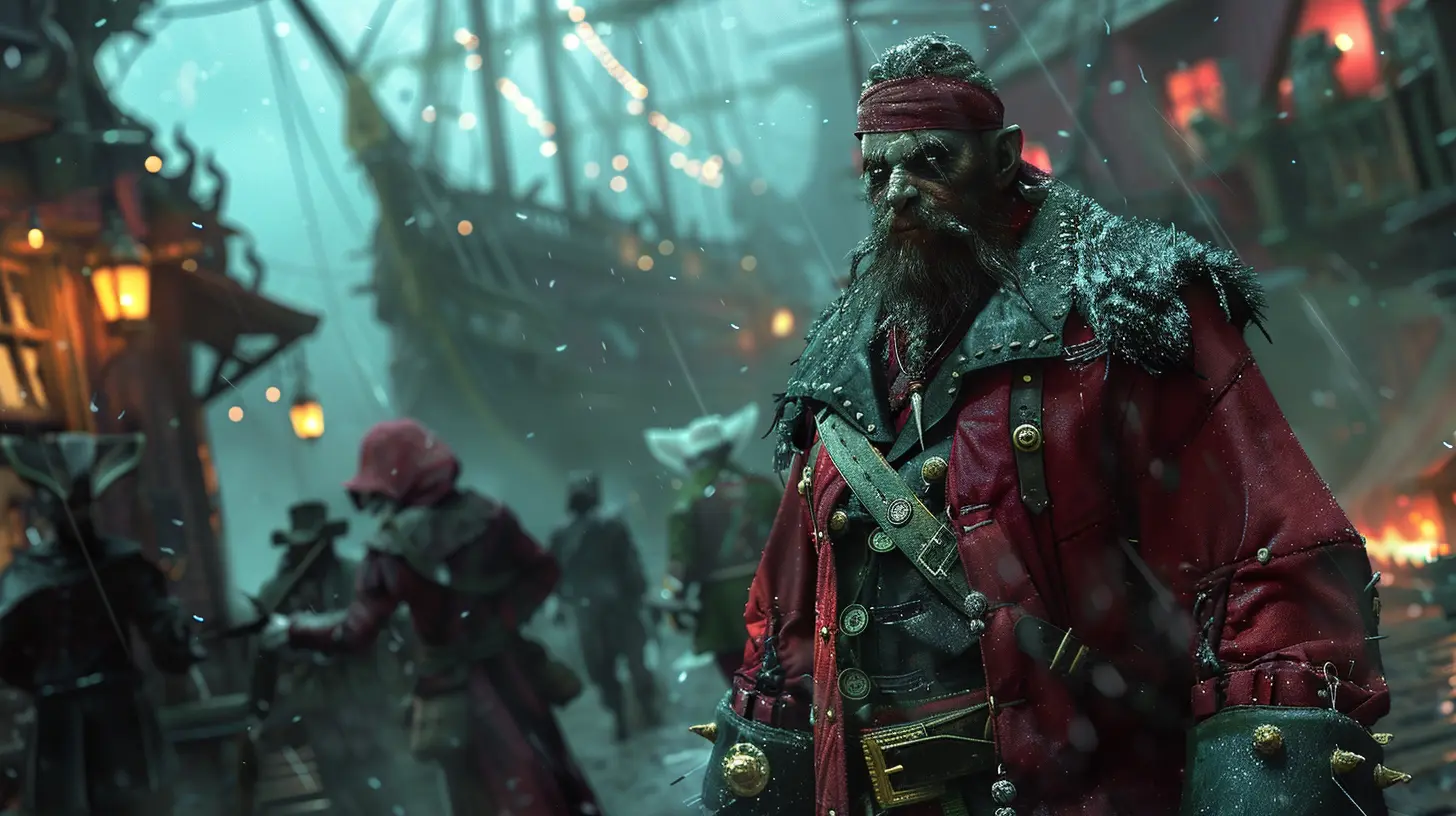
Gameplay as a Narrative Weapon
Games have a unique advantage over movies and books—they’re interactive. So why should a villain only exist in cutscenes?Great games use gameplay itself to reflect a villain’s identity. It’s not about talking, it’s about doing.
Boss Fights as Storytelling Tools
Let’s not gloss over boss fights—they’re more than just epic showdowns. They’re narrative moments disguised as gameplay. The way a boss fights you tells you who they really are.Take Sans from Undertale. His fight is ridiculously hard—not because he’s strong, but because he doesn’t want to fight you. The mechanics reflect his despair, his anger, his loss. It’s all there, woven into his attacks and timing.
Boss fights are the villain’s final mic drop. And if done right, you’ll feel their character through every punch, dodge, and power move.
Environmental Design That Screams "Villain"
Ever walk into a room in a game and feel chills? That’s world-building, baby. Villains don’t have to appear on screen to make their presence known. Sometimes, their influence is in the cracks on the wall, the blood-stained floors, the eerie silence.Resident Evil’s Mr. X doesn’t need dialogue. His heavy footsteps echoing in a hallway are enough to make you flinch. Pure gameplay tension.
Enemy Design That Teaches You About the Villain
Think about how enemies behave. Are they mindless drones? Tactical soldiers? Twisted mutants?These design choices reflect the villain’s mentality. In Metal Gear Solid, the enemies use real military tactics—they’re smart, organized, and persistent. That’s no accident. It tells you about the shadowy powers you’re up against—without uttering a single word.
Let the Villain Invade the Player’s Space
When villains break the fourth wall or reach into your gameplay routines, it sticks. It’s unsettling. Memorable.Remember Psycho Mantis in Metal Gear Solid? He read your memory card, messed with your inputs, and made you switch controller ports. He didn’t just fight you—he broke the game’s rules to do it.
You couldn’t trust the game. And that twist of reality left players stunned.
If you want your villain to be unforgettable, let them play your game, not just be in it.
The Illusion of Choice—Moral Manipulation by Villains
Some villains don’t scream. They whisper.In games where choice matters, villains can manipulate your decisions, making you complicit. You're not just fighting them—you’re becoming what they want you to be.
The Illusive Man in Mass Effect is a perfect example. He doesn’t threaten you. He seduces you with his logic, his ideology. He makes you wonder, "Is he actually wrong?" And that doubt eats away at you.
That’s villainy on a chessboard level.
Incorporating Villain Progression into Gameplay
Villains shouldn’t be static. If you’re leveling up, getting stronger, unlocking abilities—shouldn’t they?Think of Nemesis in Resident Evil 3 or the Nemesis System in Middle-earth: Shadow of Mordor. These bad guys evolve. If you barely escape a villain once, next time they’ll adapt. Smarter tactics. New weapons. Harsher consequences.
It turns every encounter into a personal rivalry. Now that’s gameplay with teeth.
Subverting Expectations: The Twist Villain
Sometimes, the best villains are the ones you never saw coming. Or worse—the ones you trusted.Games like Final Fantasy VII and Spec Ops: The Line introduced villains in ways that made you reel. The betrayal hits different when it’s someone you’ve played alongside, or a twist framed through your own actions.
Gameplay shifts. Narrative tone darkens. You feel it in your gut.
Villains like these don’t just tell you a story—they make you question your story.
Building Empathy (Without Making Excuses)
Here’s a twist: We don’t have to hate the villain. In fact, some of the most impactful antagonists are the ones we understand.Look at Arthas in Warcraft III. His descent from noble prince to tyrant wasn’t just plot—it was gameplay. His abilities change. His goals shift. As you play through his downfall, you feel his choices become more desperate, more brutal.
It’s tragic. And unforgettable.
But let’s be clear… having empathy doesn’t mean justifying their actions. It means understanding their why—even as you work to stop them.
Memorable Villains Drive Replayability
Here’s the kicker. When a villain is well-crafted through gameplay, it doesn’t just enhance the story—it fuels your desire to replay.You remember how they made you feel. How a random hallway became terrifying. How your strategy had to evolve. How your choices meant something.
Replay the game a few months later, and it still hits. That’s staying power. That’s legacy.
Tips for Game Devs: Crafting Villains with Gameplay in Mind
Alright, devs, here’s your cheat sheet:1. Make the villain’s presence constant, even if they’re not always on-screen.
2. Use gameplay mechanics to reinforce their personality—are they brutal? Strategic? Playful?
3. Design environments that reflect their influence—a level should feel like it was shaped by them.
4. Give enemies behaviors that whisper the villain’s tactics—mindless mobs vs. organized squads.
5. Let the villain evolve alongside the player—make it a chess match, not a one-round KO.
6. Surprise the player with villain control over the game world—break the rules.
7. Tie moral choices to the villain’s ideology—make players squirm.
Pull that off, and you’ve got more than a villain. You’ve got a legend.
Final Boss: Wrapping It All Up
Villains aren’t just characters. They’re catalysts. They push players to grow, to struggle, to feel. And when integrated into gameplay, they become more than just antagonists—they become experiences.Whether it’s through psychological warfare, moral manipulation, or brutal boss fights, the key to creating memorable villains isn’t just in writing or design. It’s in how they move through the game—how they shape the player’s every step.
So if you’re crafting a game and want players to feel something deep in their bones, don’t just create a villain.
Let the villain play the game with them.
all images in this post were generated using AI tools
Category:
Game Content CreationAuthor:

Jack McKinstry
Discussion
rate this article
2 comments
Rosalyn Lambert
Gameplay shapes villainy, deepening impact.
January 11, 2026 at 4:02 PM
Jack McKinstry
Thank you! I completely agree—integrating gameplay elements can significantly enhance a villain's depth and make their impact more memorable.
Beth McGarvey
Great insights! Memorable villains truly enhance gameplay. Integrating unique mechanics and backstories can elevate player engagement and emotional investment in the story.
December 23, 2025 at 3:34 AM
Jack McKinstry
Thank you! I'm glad you found the insights valuable. Memorable villains really do play a crucial role in enriching the gaming experience.