Creating Player Choice Without Breaking Your Narrative
30 April 2026
Video games are this incredible mashup of storytelling and interaction. Unlike books or movies, you’re not just watching the story unfold — you’re part of it. You make the choices. You live through the consequences. But here’s the million-dollar question: how do you give players real choices without totally wrecking the narrative you spent months (or years) crafting?
Let’s be honest — weaving player agency into a tightly-woven story without turning it into a tangled mess is no easy feat. But it can be done. And when it’s done right? Oh man, it feels magic. Let’s dive into the art and science of creating player choice without breaking your narrative.
Why Player Choice Matters (And It Really Does)
In story-driven games, player choice is the hot sauce that makes everything sizzle. Choice means ownership. When players get to steer the ship, they’re hooked — emotionally invested. Their decisions feel important because they are. The consequence? Players care more. They replay more. They talk about your game more.But it’s not just about “good” or “evil” options. It’s about giving players the opportunity to express themselves inside your world. Whether that’s saving a town or letting it burn, flirting or fighting, lying or confessing — choice is what makes players feel like it’s their story.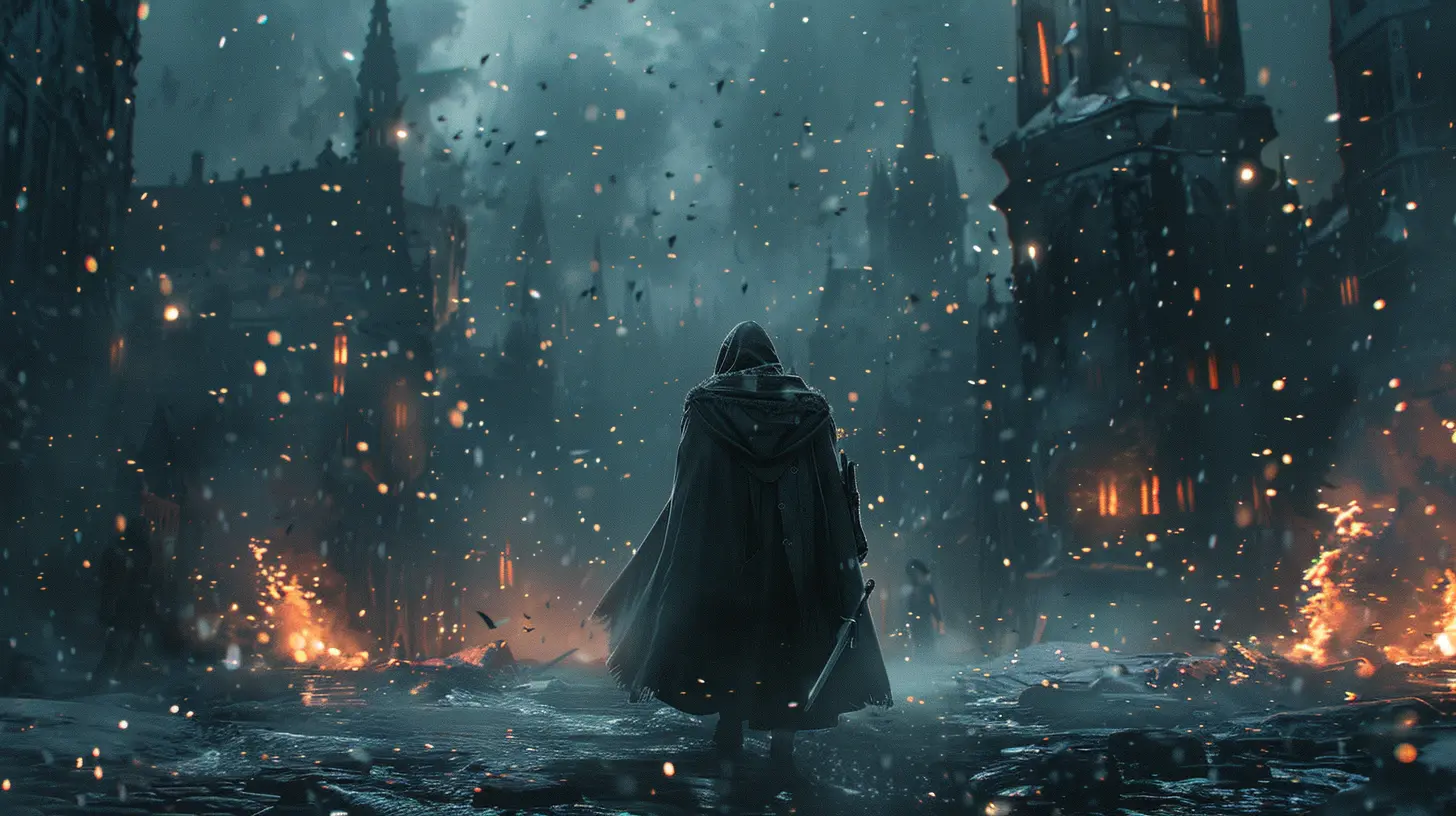
The Narrative Paradox: Story vs. Freedom
Okay, here’s the big dilemma: stories need structure. A beginning, a middle, an end. Characters with arcs. Plotlines that resolve. But when you hand the keys over to the player, things can spiral fast. What if they skip crucial scenes? What if they kill a major NPC? What if their choices break the pacing?This is what I call the Narrative Paradox — the constant tug-of-war between letting players do what they want and keeping your story coherent.
So how do you solve it?
The Secret’s in the Illusion (Sometimes)
Here’s the thing most players don’t realize: a lot of “choices” in games are actually smoke and mirrors. You’re not always changing the story, just shifting the lens the player sees it through.Take classic RPGs. You might choose between three dialogue options, but they all lead to the same outcome. Yet it still feels like a choice — because you got to pick how it played out.
This doesn’t mean you should fake everything. But cleverly using illusion in smaller choices helps reserve your big narrative punches for when they’ll really land.
Branching Narratives vs. Converging Paths
Let’s talk structure. There are two main ways to design player choice in narrative games:1. Branching Narratives
These are your “choose-your-own-adventure” style games where each decision causes the story to diverge wildly. Think Until Dawn or Detroit: Become Human. Every major choice creates a ripple, and the story can end in a dozen different ways.It sounds awesome, right? It is. But it’s also a beast to develop. You’re basically writing several stories in one. It requires a ton of content most players will never see.
2. Converging Paths
On the other hand, some games use multiple choice points but always “snap back” to a core storyline. You might solve the mystery differently or get a different ally, but the main plot beats stay the same. Think Mass Effect or The Witcher 3. You feel like your choices matter — and they do — but they don’t derail the whole narrative train.This method offers flexibility without sacrificing coherence. You control the core narrative structure while giving players room for expression.
Smart Ways to Build Player Choice
Alright, let’s roll up our sleeves. If you want to give players meaningful choices without losing your story’s soul, here are a few strategies that work like a charm.1. Define the Story's Anchors
First step: know what’s non-negotiable. What are the narrative pillars of your game? Is it a central mystery that must be solved? A villain that must be confronted? Define the beats that absolutely, positively have to happen.These are your narrative anchors. No matter what choices players make, they still arrive at these key moments. This gives you freedom in the in-between spaces while keeping your story on course.
2. Use Variable Dialogue
Sometimes, a single line of dialogue can make a world of difference. Let players choose how they speak, how they react, and how they approach conflict — even if the end result is the same. It might not change the world, but it changes how the world feels.Variable dialogue offers micro-expression. It’s flavor. Personality. And best of all, it’s relatively low cost to implement.
3. Let Choices Impact Character Relationships
Don’t just let choices alter events — let them shape people. If you backstab a friend, maybe they resent you later. If you’re consistently kind, maybe someone opens up to you. These evolving relationships can feel incredibly personal and impactful.It also allows the story to adapt dynamically without rewriting the whole plot. Characters shift, not the world.
4. Design Consequences That Echo Later
A great trick? Delay the consequences. If you made a tough call in Act 1, don’t show the fallout in the next scene. Make it echo in Act 3. That way, you create long-term cause and effect without writing dozens of diverging paths.It keeps players on their toes. They never know when a choice might come back to haunt (or help) them.
5. Offer Thematic Choices, Not Just Plot Ones
Not every choice has to change what literally happens. Sometimes, it’s about theme. Let players decide what kind of person they want to be. Make them reflect on values, ethics, and gray morality.A great example? Spec Ops: The Line. Many of its choices don’t affect the outcome — but they deeply affect how the player perceives their actions and the story’s message.
When Not to Offer a Choice (Yes, Really)
Here’s an unpopular opinion: sometimes, no choice is the best choice.Some story moments are so emotionally heavy or so narratively significant that giving the player agency would actually weaken the impact. Think of a vital character death, or a plot twist meant to shock and provoke.
Sometimes the most powerful thing you can do is force the player to move forward — whether they like it or not. It reminds them they’re not in total control. And that’s okay. The best stories still surprise us.
Player Choice Is Not a Game Mechanic — It’s a Language
If you think about it, choice is how the game talks to the player. It’s how it says: “Hey, I see you. I know you.” When you build choice smartly, you’re not just altering story paths — you’re shaping identity, forming bonds, and building immersion.Choice lets us become someone else. It allows for reflection, for regret, for growth. And even when the destination is the same, the path taken feels personal.
Common Pitfalls (And How to Dodge 'Em)
Before you charge into the writing cave, let’s go over a few common mistakes and how to avoid them:1. Too Many Meaningless Choices
You know the kind — three dialogue options that all say the same thing in different fonts. Players catch on fast. If choices don’t matter at all, they become noise. Always ask: does this choice reveal something about the character, the world, or the player?2. Breaking Believability
Don’t sacrifice narrative logic just to force a choice in. If a character acts wildly out of personality just to offer a branching path, it feels fake. Keep character motivations clear and grounded.3. Binary Morality Systems
Good vs. evil meters are outdated. Real people aren’t that simple. Give players moral ambiguity, conflicting motivations, and shades of gray. Make them pause. Make them think.4. Letting Mechanics Overrule Narrative
If a gameplay system forces the story to twist unnaturally, you’ve got a problem. Always build your narrative and mechanics to support each other — not fight for control.Real Talk: It’s Hard — But Worth It
Crafting player choice that enhances your story — not breaks it — takes effort. It takes planning. Flexibility. A deep understanding of what your game is really about.But when you get it right? Players feel it. They remember those decisions for years. They argue about them on forums. They write fan-fiction. And they thank you — not because you gave them power, but because you gave them meaningful power.
Final Thoughts
Creating player choice without breaking your narrative isn’t about giving total freedom. It’s about guiding players through a journey where their input feels real, their voice matters, and their story is personal — even if it’s traveling a well-planned path.So go on — craft those choice points. Anchor your narrative. Trick the eye when needed. And above all, respect the intelligence and heart of your players. Because in the end, they’re not just playing your game — they’re living it.
all images in this post were generated using AI tools
Category:
Game Content CreationAuthor:

Jack McKinstry
Discussion
rate this article
2 comments
Caroline Webster
This article is a breath of fresh air! It's great to see how player choice can enhance storytelling without derailing the narrative. Keep those creative juices flowing, and remember, a little flexibility can lead to unforgettable gaming experiences. Happy designing!
June 18, 2026 at 2:58 PM
Jack McKinstry
Thanks for the kind words! I'm glad you enjoyed it. Player choice really can elevate the story in exciting ways. Happy designing to you too!
Tristan Smith
Balance choices with story for immersion.
May 21, 2026 at 4:20 AM
Jack McKinstry
Absolutely. Striking the right balance makes choices feel meaningful while keeping the story engaging.