Creating Replayable Game Content Without Repetition
24 April 2026
Let’s talk about an issue that every game designer, developer, and even players face at some point—how do you keep the gameplay fresh, exciting, and worth coming back to, without turning it into a repetitive slog? You know what I mean. That moment when you realize you’re doing the exact same quest or battle strategy for the tenth time, and suddenly the magic’s gone. Been there, played that, right?
Well, creating replayable game content without repetition is possible. It’s a bit like making a cake that you can eat a slice of every day, yet it somehow always surprises you with a new flavor. Sounds impossible? It isn't. Let’s dive into how developers can achieve this balancing act and keep players hooked without falling into the trap of rinse-and-repeat gameplay loops.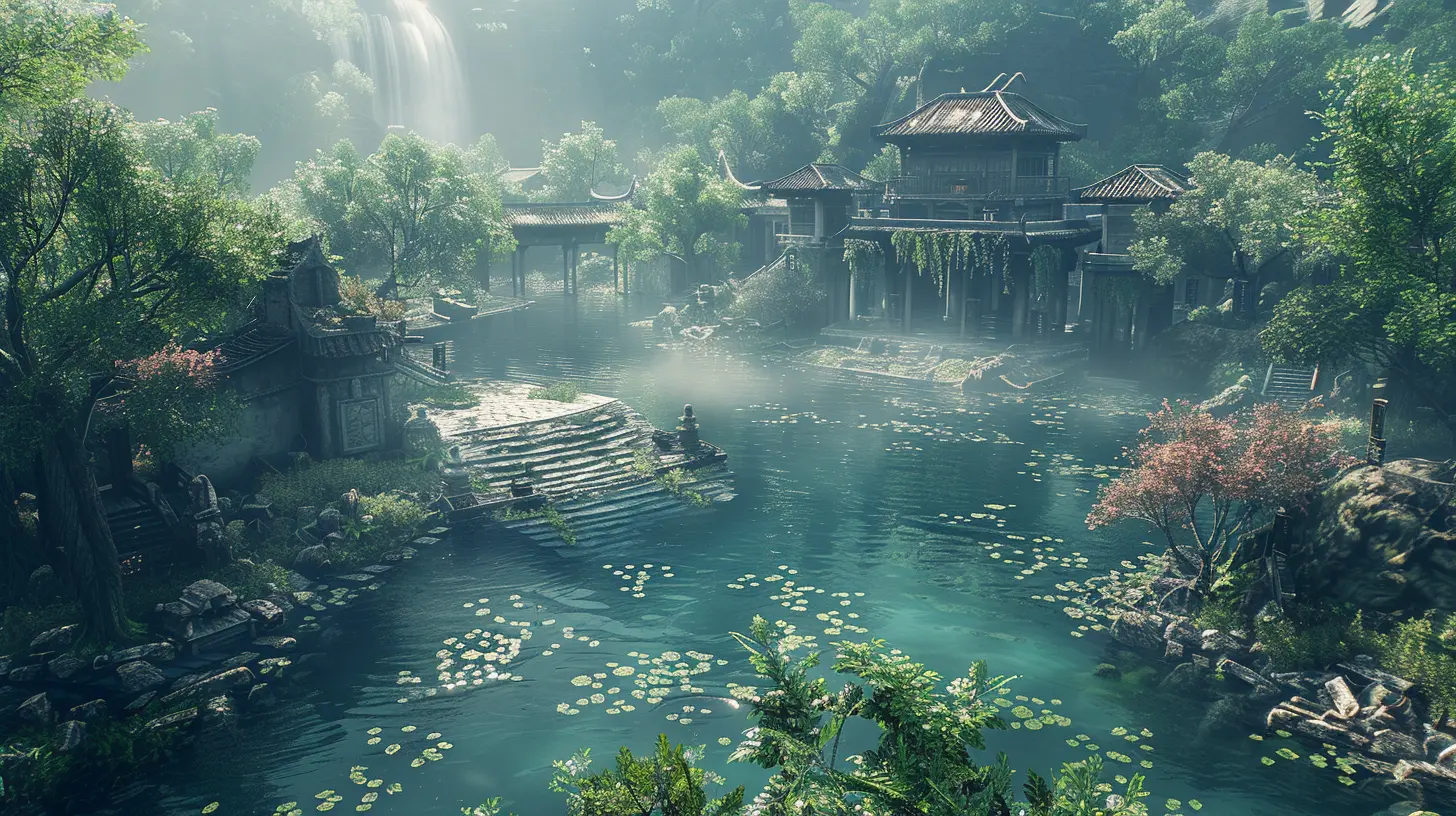
Why Replayability Matters in Games
Before we go full speed ahead, let’s clarify one thing. Why is replayability even a big deal?Well, in a world where players have access to thousands of games at their fingertips, keeping them engaged could be the difference between a game being remembered or forgotten. Replayability stretches a game’s lifespan, deepens player investment, and encourages community growth and word-of-mouth buzz. If players are still talking about your game months (or even years) after launch, you're doing something right.
But here's the catch—replayability isn't just about giving players 40 hours of content. It's about making each of those hours feel fresh, engaging, and worth re-experiencing.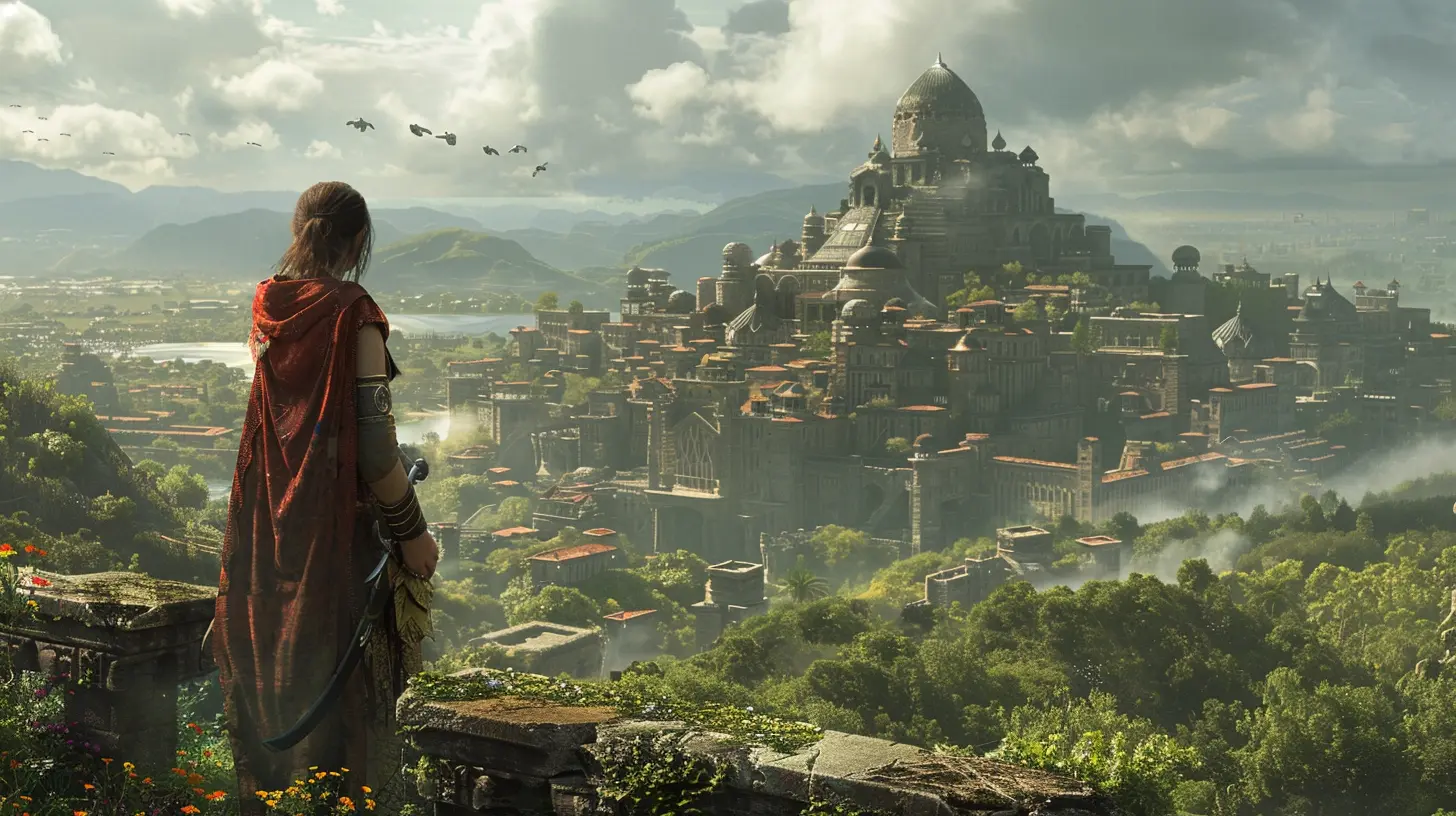
The Replayability Trap: Repetition in Disguise
Here’s where many designs fall short: they mistake longevity for replayability. Just because a game has 100 hours of content doesn’t mean it’s not repetitive. If you’ve played a game that recycles the same side quests or enemy types with a slight color swap, you know exactly what I mean.Think about those "fetch this", "kill that", "go here" quests that feel like they were generated by a bot. That’s not replayable content. That’s recycled content.
To truly nail replayability, you need to find ways to make each play session feel new, unpredictable, and player-driven.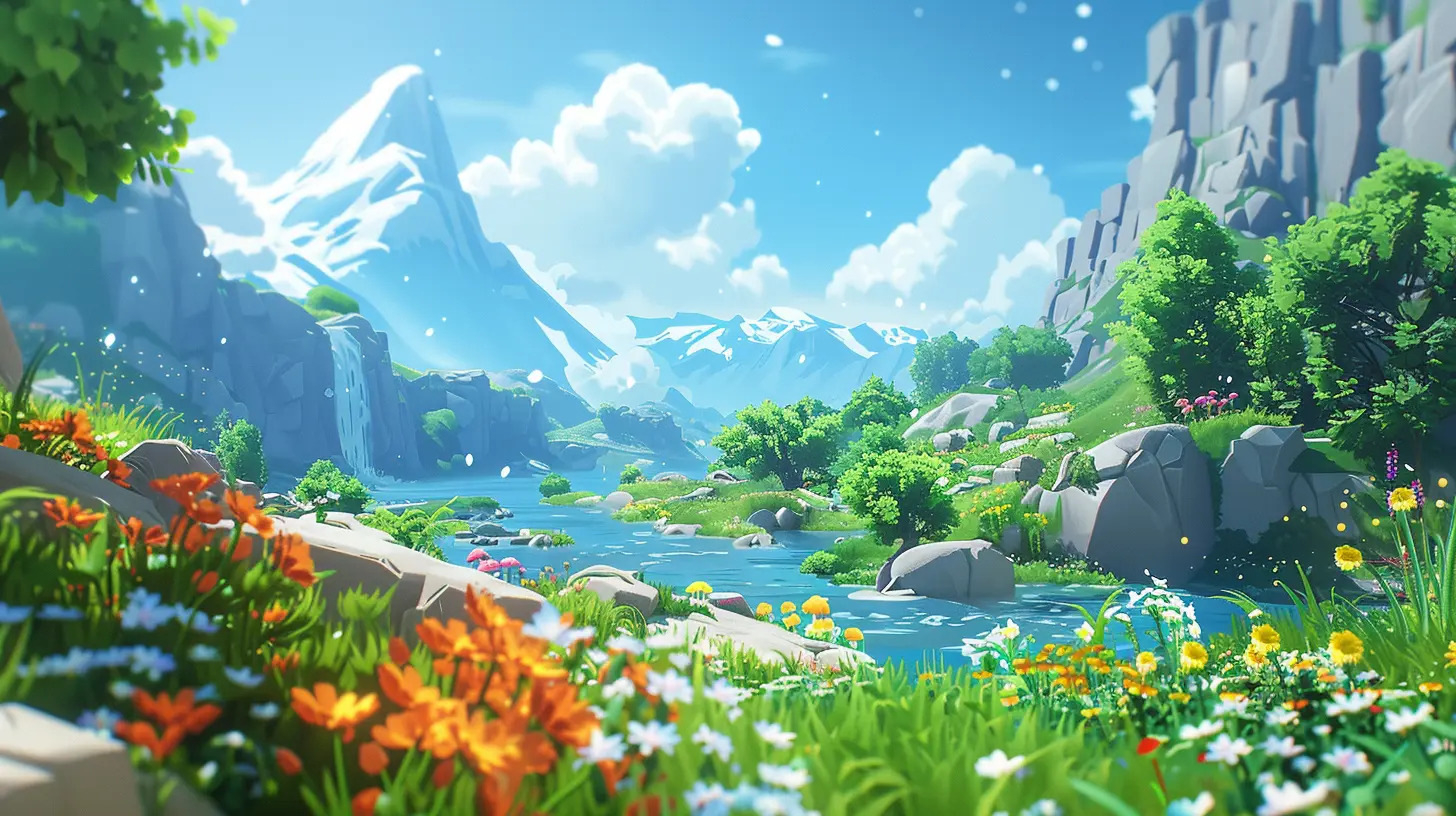
Dynamic Systems Are Your Best Friend
One of the smartest ways to encourage replayability is by building in dynamic systems that change based on the player’s decisions or in-game variables. We're talking:- Procedural generation
- Random encounters
- Dynamic AI behavior
- Adaptive storylines
Let’s break them down.
Procedural Generation: Same World, Different Layout
Games like Minecraft, No Man’s Sky, and Spelunky nailed this. They use algorithms to create environments, maps, or levels each time you start a new game. That means even if you've played 100 times, the layout is never exactly the same.But here’s the trick—procedural generation needs rules. Without structure, it just becomes chaos. What makes it replayable isn’t just the randomness, but the balance between familiar mechanics and unfamiliar landscapes.
Random Encounters: Keep Players on Their Toes
Isn't it great when something unexpected happens in the middle of a predictable journey? Like a rare monster spawn or a mysterious traveler offering you a life-changing item? Random events, when done right, make the world feel alive.The Witcher 3 and Red Dead Redemption 2 use this beautifully. You might stumble into a new sub-story or event that you didn’t even know existed on your third playthrough—and that’s what makes players come back.
Dynamic AI: Enemies That Learn and Adapt
Let’s say you always use stealth to get past enemies. What if the enemy AI started setting traps for you? Or called in patrols more frequently because you’ve been a sneaky little fox?When AI behavior changes based on how the player plays, the game starts to feel less like a set of puzzles and more like a chess match. That friction, that push and pull—that’s addictive.
Branching Storylines and Player Choice
We’re suckers for stories where our choices matter, aren’t we? Games like Detroit: Become Human or The Walking Dead offer multiple endings, character fates, and moral dilemmas. You could play the same game five times and get five different emotional journeys.When a game’s world and narrative bend and shift according to the player’s decisions, it invites curiosity. “What if I saved this character instead?” is a powerful reason to hit that ‘New Game’ button again.
Variety is the Spice of (Gaming) Life
Let’s be real—doing the same thing over and over wears thin fast. Even the best combat system will get stale if that’s all you do. So how do you add spice?Mix Up Gameplay Mechanics
Introduce new mechanics or twists gradually. Maybe give the player new tools, weapons, or even forms of movement that unlock different strategies or areas. Think Metroidvania-style progression—your playthrough opens up in unique ways depending on what abilities you unlock and when.Optional Challenges or Modes
Some people love a good boss rush. Others want a cozy farming experience. Offering optional content—like time trials, survival modes, or build-your-own-level tools—means players can carve their own journey without feeling railroaded.Role-Specific Playstyles
In multiplayer or RPGs, different roles offer different gameplay experiences. Playing as a rogue vs. a tank in an MMO? Totally different vibe. Design your content to support various playstyles so that switching roles feels like an entirely new game.Let Players Shape Their Own Stories
One secret sauce to infinite replayability? Letting players bring their creativity into the fold.Modding Support
Look at Skyrim. That game has been re-released more times than we can count, and it’s still alive because of its modding community. Mods breathe new life into old worlds. Developer-provided modding tools empower players to create fresh content, from new quests to graphics overhauls.Player-Created Content
Games like Mario Maker and Dreams are living proof that the community is your content factory. Build a game that gives players the tools to create, share, and challenge each other.When one person can make a level and another can try to beat it, you’ve got an ecosystem with endless possibilities.
Layered Progression Systems That Don’t Burn Out
You want players to feel like they’re always building toward something—unlocking a little more story, gear, or skill. But here’s the kicker: it needs to be meaningful.Avoid XP for the Sake of XP
Don’t just slap a grindy XP bar and call it progression. Make sure rewards are tied to player goals, choices, and curiosity.Prestige and New Game Plus Modes
Want to keep players around post-credits? Let them restart the game with added challenges or perks. Maybe they carry over their skills, but enemies are smarter. Or perhaps they unlock entirely new storylines. Like peeling an onion, each playthrough reveals a new layer.Emotional Replay Value
Sometimes, what makes a player come back isn’t mechanics or loot—it’s emotion.Nostalgia and Familiarity
Remember that cozy town in Stardew Valley? Or that heartbreaking moment in Life is Strange? Emotional connections to characters or locations can be more powerful than any loot drop.Memorable Choices and Regrets
If a game makes you regret a decision, you’re 100% likely to come back and “get it right” next time. Emotional stakes are the ultimate replay motivators.Avoiding the Burnout Trap
So yeah, you can add systems, random events, and emotion. But if a game becomes overwhelming or bloated, players will bounce.Don’t Overwhelm with Options
Too many systems can make a game feel more like a job. Keep it simple, but deep. Let players explore naturally without handing them a 50-item to-do list.Structure the Experience
Provide clear goals and milestones. Let players feel progress without having to Google what they’re supposed to do next.Final Thoughts: Quantity Doesn’t Equal Quality
Creating replayable content without repetition isn’t about stretching content. It’s about designing with intention—focusing on depth over breadth, player agency over scripted paths, and surprises over predictability.Remember, replayability isn’t just about going through the motions again. It’s about making each trip feel like a new adventure—even if it’s in a familiar world.
So next time you sit down to design or play a game, ask yourself: “Would I want to experience this again?” If the answer is a resounding yes, you know you’re on the right track.
Now get out there and craft something unforgettable.
all images in this post were generated using AI tools
Category:
Game Content CreationAuthor:

Jack McKinstry
Discussion
rate this article
2 comments
Aisha Whitley
This is a fascinating topic! I'm intrigued by how developers can find innovative ways to keep gameplay fresh and engaging. Looking forward to discovering new strategies that enhance replayability!
April 25, 2026 at 3:08 AM
Jack McKinstry
Thanks for your thoughts! I'm excited to share strategies that can really spice up gameplay and keep players coming back for more. Stay tuned!
Alice McCabe
This article insightfully explores the balance between engaging mechanics and diverse experiences in game design. By emphasizing dynamic systems, player-driven narratives, and evolving environments, developers can craft replayable content that feels fresh, keeping players invested and eager to explore new possibilities each time.
April 24, 2026 at 3:07 AM
Jack McKinstry
Thank you for your thoughtful comment. I'm glad you found the exploration of dynamic systems and player-driven narratives valuable. It's all about keeping the experience exciting and engaging!