Developing Games with Streamers in Mind
19 June 2026
In the past decade, one of the most transformative shifts in the gaming world hasn't come from graphics or gameplay mechanics—it’s been the explosive rise of game streaming. Platforms like Twitch, YouTube Live, and even Facebook Gaming have turned regular gamers into internet celebrities. And it’s not just players benefiting from the exposure. Developers who design with streamers in mind are unlocking a whole new avenue of success.
So, if you’re working on a game in today’s landscape, the streaming ecosystem should absolutely be a part of your thought process. Because let's be honest—if a game isn't stream-friendly in 2024, it might as well be invisible.
Let’s dive deep into why and how developers are (and should be) creating games with streamers as a priority, not just an afterthought.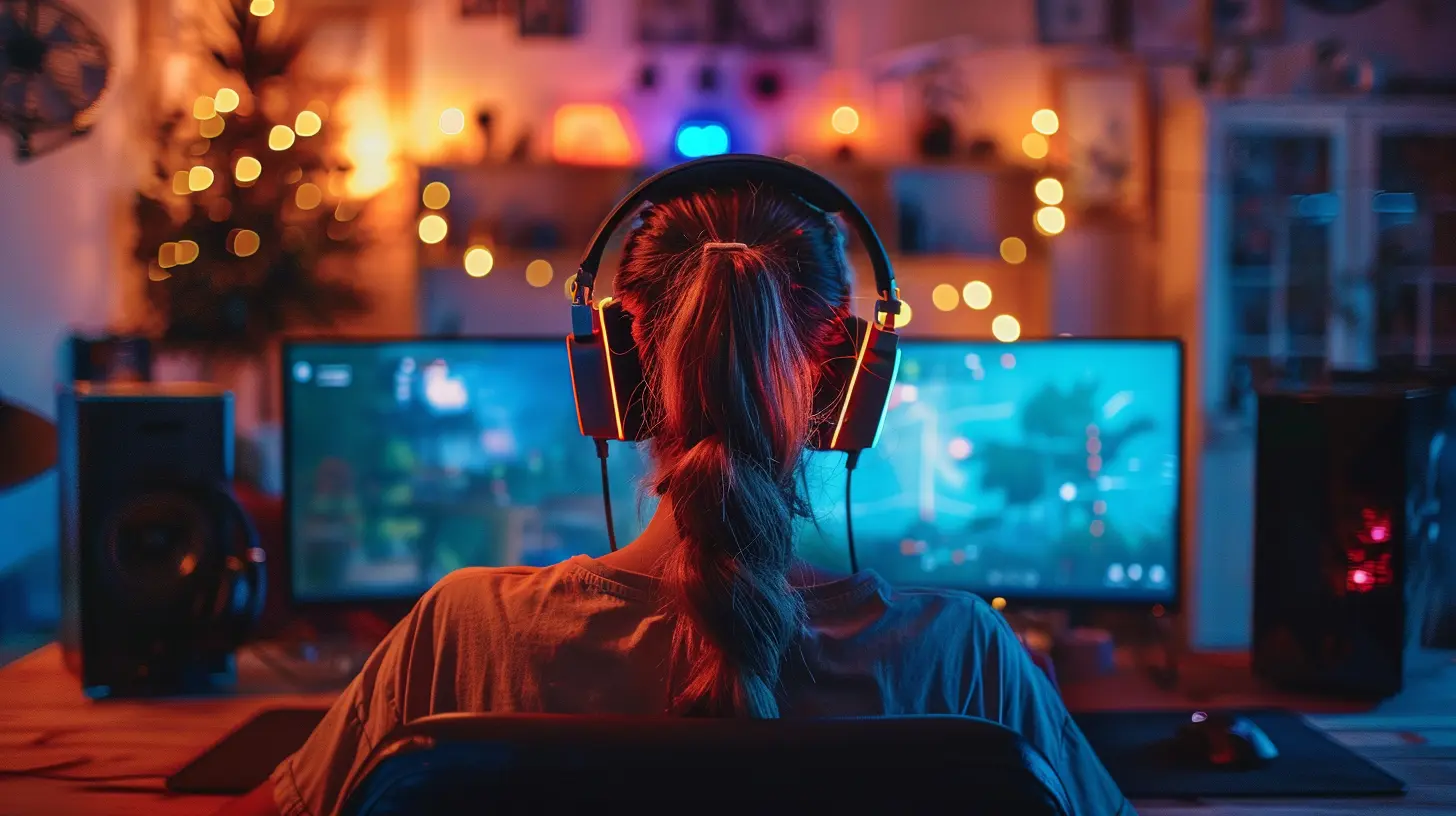
Why Streamers Matter in Game Development
Streamers aren't just influencers; they’re community builders, marketers, and in many ways, co-creators of your game’s success. Here's the thing: a game that's fun to play isn't always fun to watch. Developers who understand this are already a step ahead.When someone plays a game solo, the experience is private. When a streamer plays it? It becomes a shared journey, a live show, a rolling theater of interactions, jokes, and unpredictable chaos. And that’s gold.
Let’s break it down:
1. Streamers Drive Word-Of-Mouth Marketing
Who needs traditional ads when Twitch streamers can showcase your game to thousands—sometimes millions—of viewers? One entertaining stream can spark massive curiosity and chatter. Think of streamers as walking (or rather, sitting) billboards.Remember how "Among Us" exploded in popularity two years after its release? That wasn't due to some marketing push. It was because streamers made it viral. That’s the power of streamer appeal.
2. They Expand the Lifespan of the Game
Some games lose traction within weeks. Others keep going strong, thanks to streamers who continuously find ways to entertain their audience using the game. Games like "Minecraft" and "GTA V" have remained relevant largely because of their streaming community.3. Streamer-Friendly Games Generate Community Content
The more streamers play your game, the more fan-made memes, highlights, commentary videos, and reaction clips flood the internet. This creates a feedback loop of content that keeps your game in the spotlight.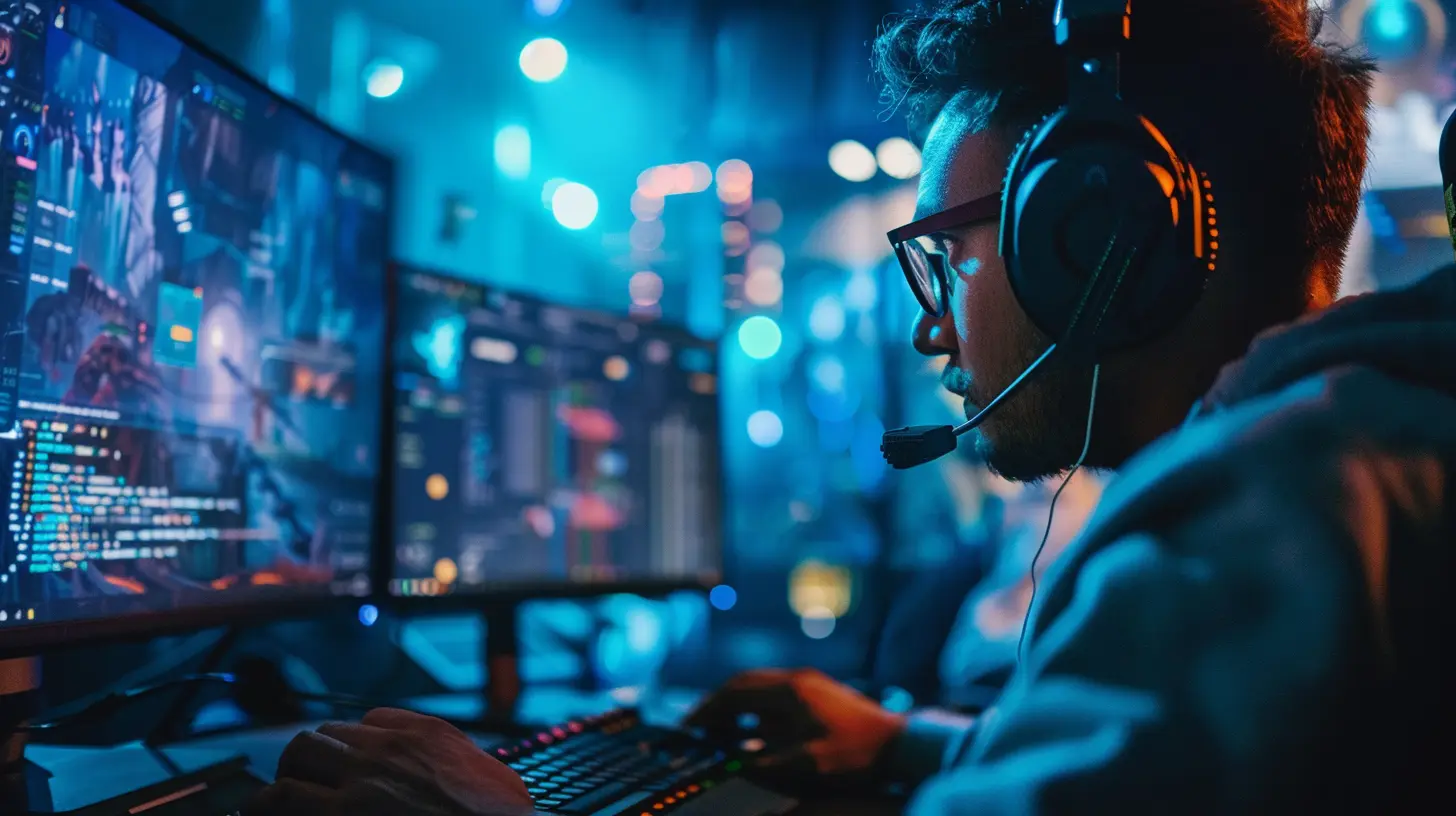
What Makes a Game Streamer-Friendly?
Now, the big question—how do you craft a game that feels tailor-made for streamers? Let’s walk through the elements that make a game irresistible to creator communities.1. High Viewer Engagement Potential
No one wants to watch a silent, slow-paced grind unless it’s interspersed with hilarious fails or nail-biting moments. The games that thrive on streaming platforms tend to have:- Unexpected events
- High stakes
- Funny or dramatic consequences
- Opportunities for viewer interaction
Think: unpredictability. That’s your best friend when it comes to engaging streams.
2. Strong Social or Cooperative Gameplay
Look at games like "Phasmophobia," "Valorant," or "It Takes Two." They create scenarios where players need to work together—or mess with each other. That interpersonal dynamic is what turns gameplay into entertainment.Streamers love games that let them bounce off their friends (and enemies) in real-time. The banter that ensues? That’s the real show.
3. Character Customization and Roleplay Elements
Streamers are entertainers. Give them tools to be creative. Cosmetics, funny emotes, quirky voice lines, even character creation systems encourage them to put their own twist on gameplay.Ever seen a streamer completely commit to playing a character in full roleplay mode? It’s hilarious, engaging, and makes your game memorable.
4. Shareable Moments
Design for the GIFs, the TikToks, the YouTube Shorts. Moments that scream, “do you see what just happened?”—those are your marketing gems.Incorporating physics-based chaos, over-the-top animations, or unique fails/successes creates ripe content for highlight reels.
5. Support for Mods and Community Tools
If your game is moddable, it’s like giving streamers an infinite sandbox. Titles like "Skyrim," "The Sims," and "Minecraft" have survived and thrived due to their modding communities.And please, give them camera tools, overlays, and streamer settings. Enable spectator modes, hide UI elements, or even integrate chat interactions. The easier you make it for streamers to present your game beautifully, the more likely they are to stick with it.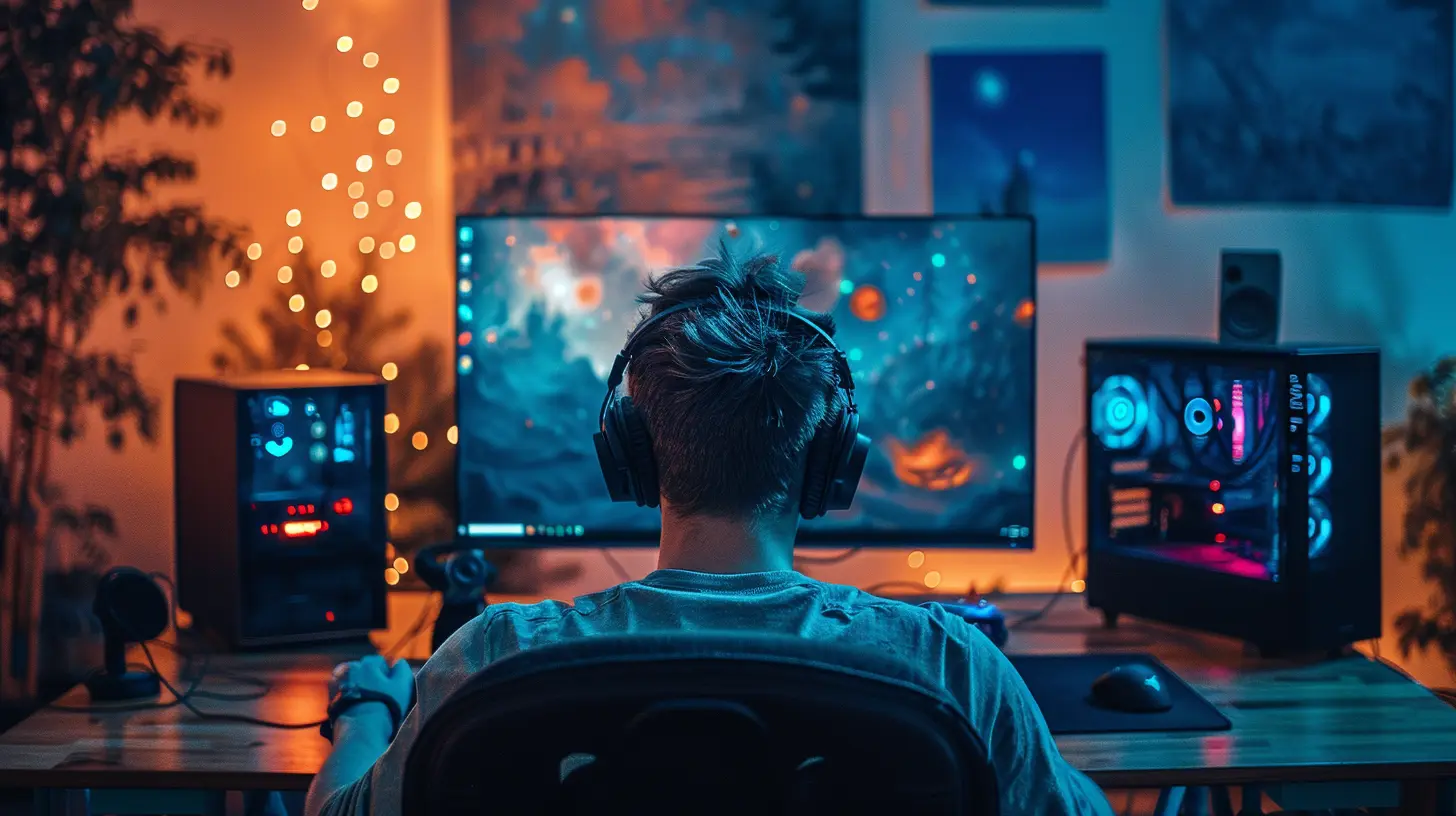
Integrating Streamer Features into Game Design
Just slapping on a Twitch integration feature isn’t enough. True streamer-friendly design means building features from the ground up that encourage interaction.1. Chat Interaction Mechanics
Imagine your viewers influencing the weather in-game, spawning items, changing enemy behavior, or even voting on challenges. Games like "Death Road to Canada" and "Choice Chamber" have dabbled in this, and it’s incredibly fun to watch.Letting chat mess with gameplay? Chaos. Beautiful chaos. And streamers eat it up.
2. Streamer Modes
Think about accessibility not just for players, but for streamers too. Add a "no spoiler" mode that hides story twists from chat, or censor modes for family-friendly content creators.Layered UI controls, easy clip creation, and tools that let streamers focus on engaging instead of babysitting settings? That’s smart design.
3. Audience Participation
Some of the best stream-friendly games blur the line between player and audience. Think "Jackbox Games" where the audience votes, joins, and plays along.Even a simple poll or in-game decision driven by chat can significantly boost engagement and turn passive viewers into participants.
Case Studies: Games That Nailed Streamer Appeal
Let’s look at some games that understood the assignment.Among Us
This indie gem was pretty quiet for a couple years until streamers like Disguised Toast, Valkyrae, and Pokimane made it their playground. Deception, discussion, and betrayal? Perfect for content.The real magic? The social dynamic. Every stream was unique. No two games played the same, and the drama kept viewers coming back.
Fall Guys
This game nailed the “fail moment” formula. Watching players fumble, fall, and flail their way to the finish line is pure entertainment. Add cute costumes and a battle royale setup? Instant stream bait.Dead by Daylight
Not only does this asymmetric horror game let streamers play as killers or survivors, but it also has a rich cosmetic system and ever-expanding lore. Add in mods, stream-overlay support, and active community events? Streamers love it.Pitfalls to Avoid When Designing for Streamers
Okay, so you’re pumped. You want to build the next big streamer magnet. But wait—there are some traps you’ll want to dodge.1. Too Much Randomness
Yes, chaos is good… to a point. Games that feel unfair or too luck-driven can frustrate both players and viewers. Design unpredictability with purpose—don’t just throw in RNG for shock value.2. Overcomplicated UI
Streamers have to juggle gameplay, chat, stream overlays, and more. A messy interface is a surefire way to kill the vibe. Aim for simplicity and clarity.3. Neglecting Replayability
If your game doesn’t offer fresh experiences over time, streamers may move on quickly. Keep content fresh with updates, customization, or player-driven variety.4. Poor Optimization
Lag, crashes, and bugs are stream killers. Because when a stream dies mid-game? That’s not just annoying—it’s bad PR. Test thoroughly and provide streamer-friendly settings (like performance modes and hardware profiling).The Future: Fusing Streaming and Game Development
Looking ahead, the line between gaming and streaming is only going to blur further. We’re heading toward a hybrid entertainment model where everyone’s a potential content creator. Developers who embrace this shift will win big.Even now, companies like Twitch are investing in tools for stream-integrated experiences. Meanwhile, viewers increasingly expect to be part of the show, not just passive watchers.
Could we see entire genres built around chat-driven gameplay? Games where the audience is the dungeon master or antagonist? We're just scratching the surface.
Final Thoughts
Developing games with streamers in mind isn't a “nice-to-have” anymore—it’s an essential part of modern game design. Streamers are the lifeblood of game discovery and longevity. They’re your unpaid promoters, your content creators, your bug testers—and often, your harshest critics.By thinking about how your game will look, feel, and play in a live stream, you’re setting yourself up for a broader, more engaged audience. Whether it’s chat integration, social gameplay, memeable moments, or just solid fun, the games that win in the streaming era are the ones designed not just to be played, but to be watched.
So, if you’re building your next game—ask yourself: would a streamer want to play this? Would an audience want to watch it? The answer could make or break your launch.
all images in this post were generated using AI tools
Category:
Game Content CreationAuthor:

Jack McKinstry
Discussion
rate this article
2 comments
Isaiah McKeehan
Streamers shape player experiences.
September 16, 2026 at 3:19 AM
Zinnia McFee
Great insight! Streamers truly shape gaming experiences.
June 23, 2026 at 4:59 AM
Jack McKinstry
Thanks for your feedback! Streamers definitely play a huge role in how games are perceived and enjoyed.