Developing Side Quests That Add Real Value
3 August 2026
When we talk about video game design, it's easy to get caught up in the main storyline. After all, that’s the big, epic journey most players will follow. But let’s be honest—what do many gamers love just as much (if not more) than the main story? Yup, you guessed it. Side quests.
Side quests are like the juicy snacks between meals. They might not be the main course, but they can be just as satisfying—sometimes even more so. But here’s the thing: not all side quests are created equal. Some feel like pointless chores, while others stick with players long after the end credits roll.
So, how do you go about developing side quests that actually add value? Buckle in, because we’re about to dive deep into the art and craft of meaningful side content.
Why Side Quests Matter More Than You Think
Before we get into the nuts and bolts, let’s talk about why side quests are worth the effort.Think of a video game world as a living, breathing place. The main story gives us the plot, but the side quests? They give us texture. They're where the world reveals its quirky characters, hidden histories, and surprising secrets. Without side quests, some games would feel like straight hallways with pretty wallpaper.
Plus, for players who love to immerse themselves fully, side quests provide freedom. They offer choice, diversity, and a break from the intensity of the main mission.
But—and it’s a big but—if done wrong, they can feel like filler. An annoying fetch quest here, a pointless task there… and suddenly, your beautifully crafted game world feels like it’s full of busywork.
So, how do you strike the right balance?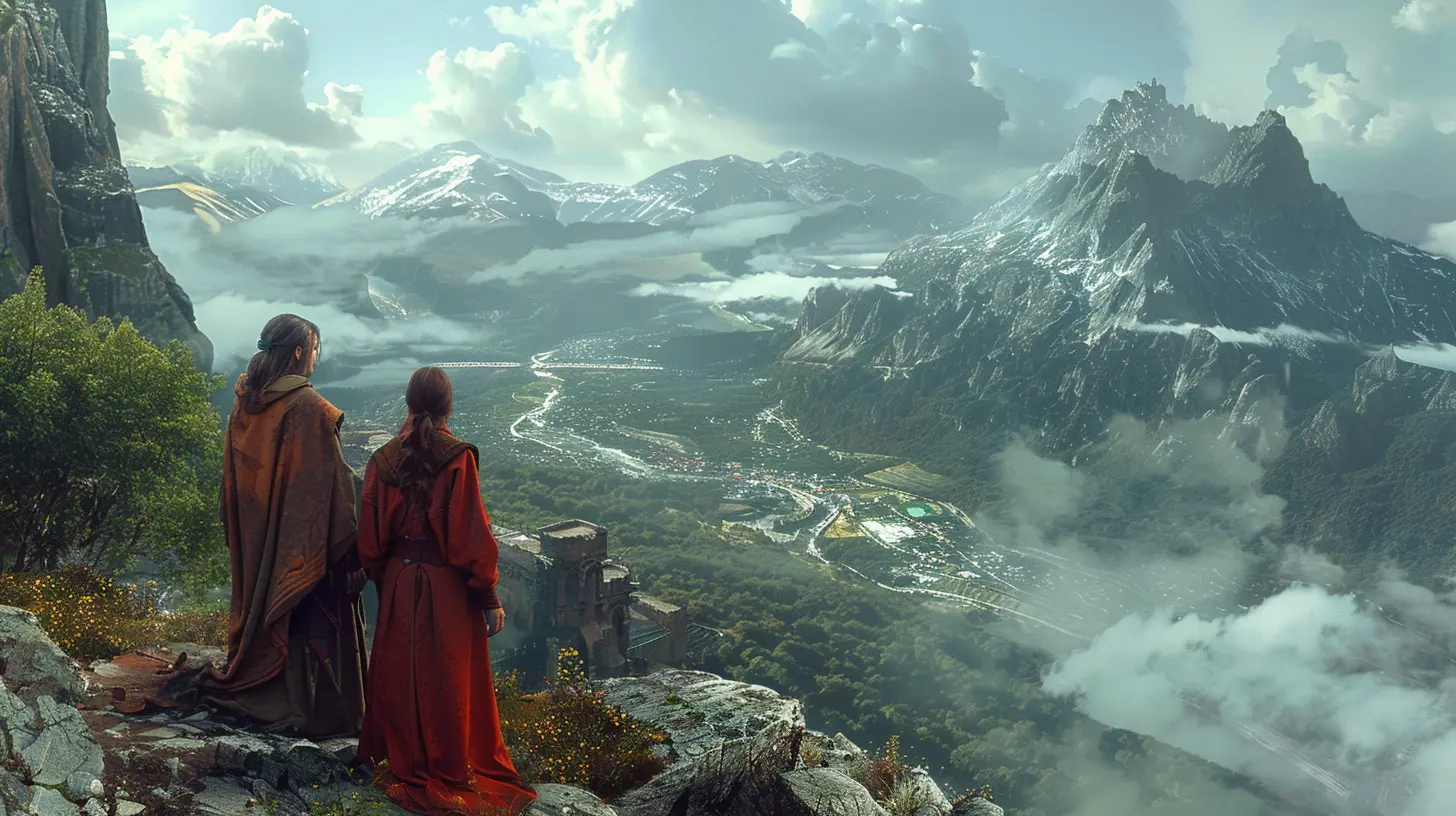
1. Give Side Quests Their Own Stories
One of the absolute best ways to create engaging side quests is to treat them like mini-stories.Think of it this way: every side quest is a short film within your blockbuster movie.
Rather than just saying, "Go kill ten wolves," how about creating a narrative around it? Maybe a village is being stalked by a mysterious beast that’s picking off livestock at night. The twist? It’s not a wolf—it’s a cursed villager. Boom. You’ve just turned a standard combat quest into an emotional, memorable tale.
These smaller stories give side quests depth and meaning. They make players curious. And curiosity is one of the most powerful tools in game design.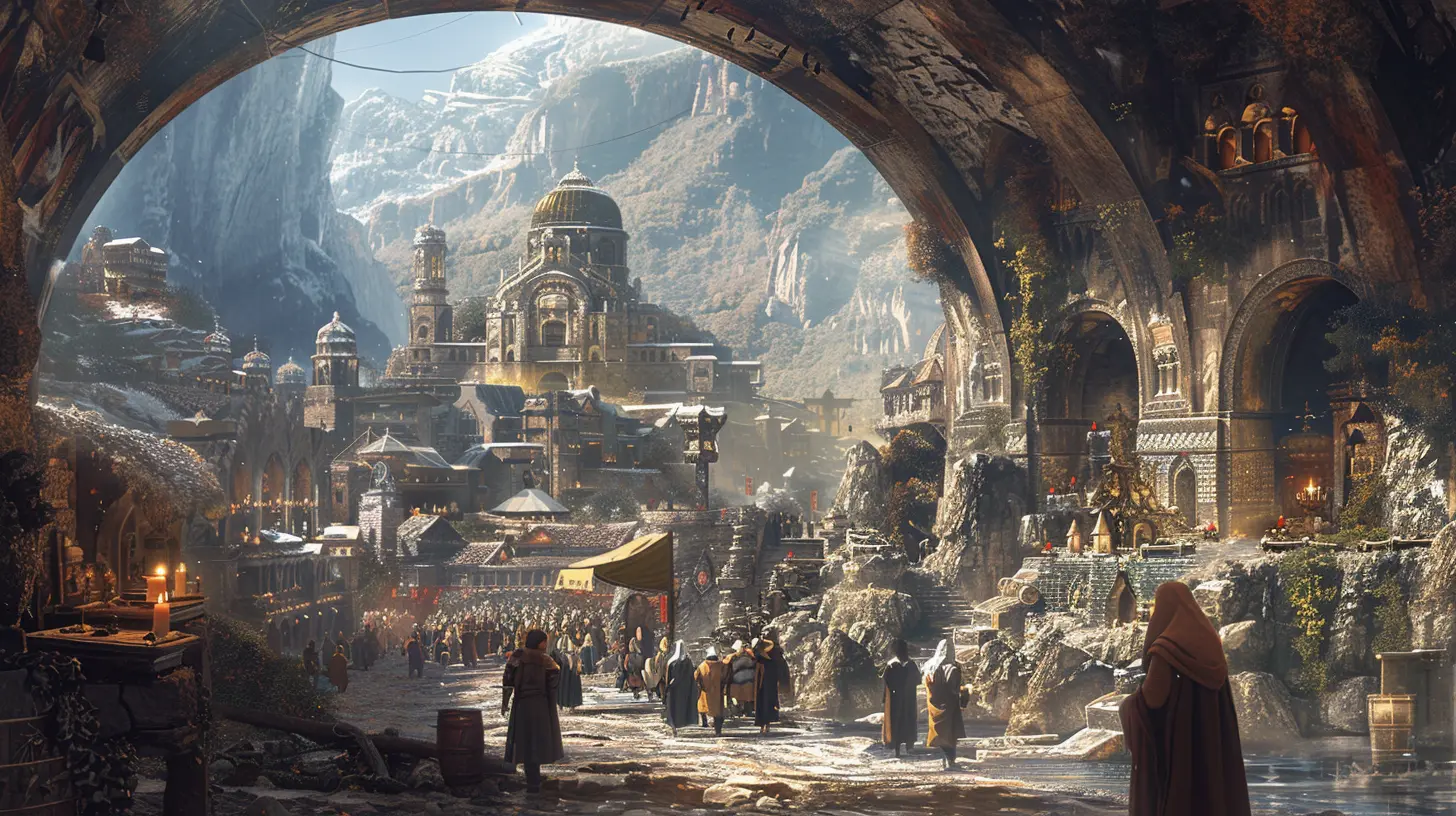
2. Connect Side Quests to the Main World
A side quest can still feel meaningful even if it doesn't tie directly into the main storyline—but it should always feel connected to the world.Use side quests to flesh out the lore, introduce factions, or dive into a region's culture. Maybe players are helping a chef gather rare ingredients not just for a meal, but for a royal banquet that pops up later in the main campaign.
The point? Make side quests feel relevant. Let them ripple into the bigger world events, even if subtly. Players love when their actions matter, even in small ways.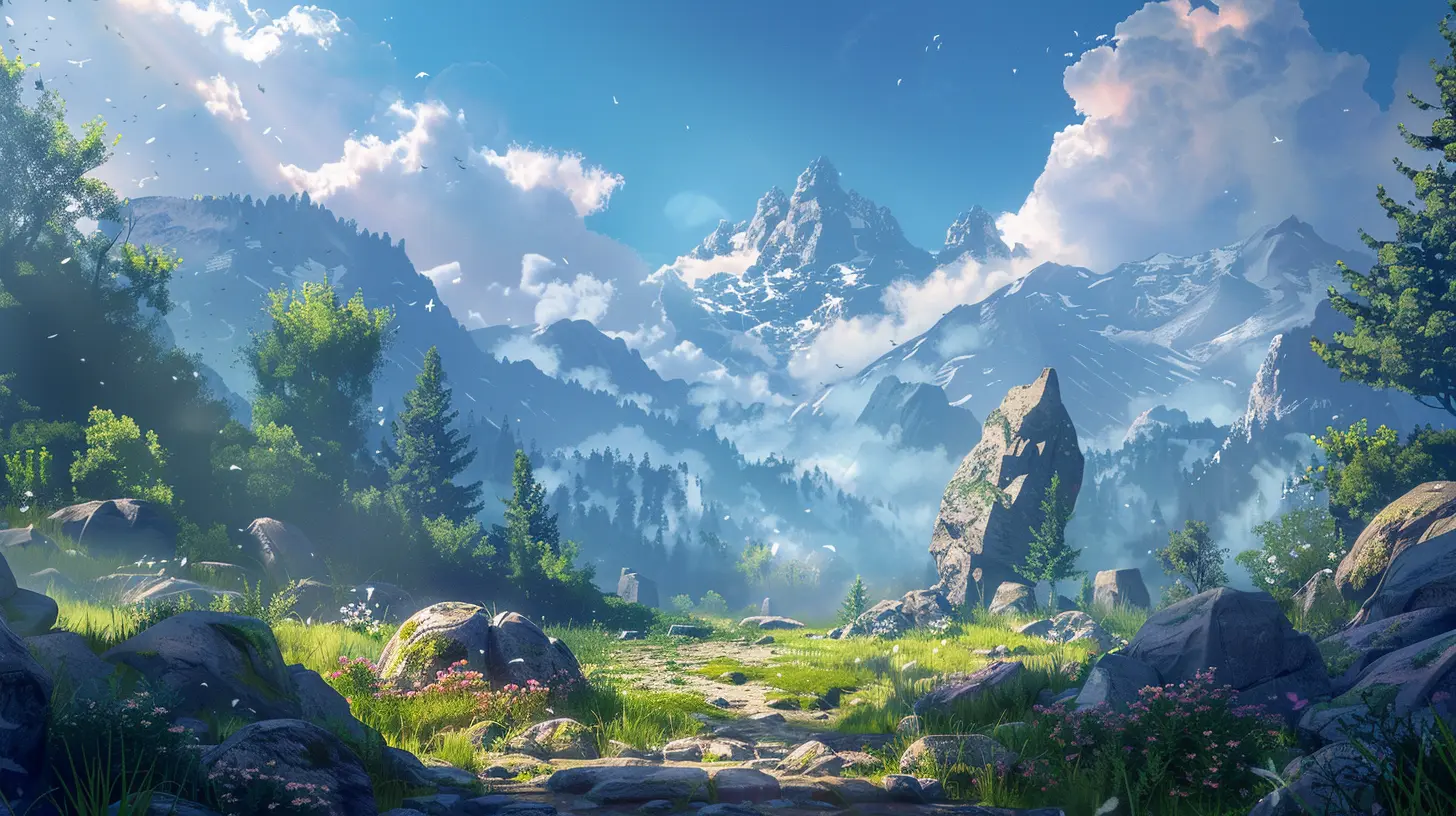
3. Let Choices Actually Matter
If you really want a side quest to feel valuable, give the player choices—and let those choices have consequences.Maybe helping a smuggler escape the city leads to more black market goods in the local shops. Or sparing a bandit results in them popping up later as an ally (or a traitor).
These ripple effects don’t need to rewrite your game’s ending, but they should remind players that their decisions count. Nothing kills immersion faster than realizing your choice didn’t change a thing.
4. Shake Up the Gameplay Loop
Let’s face it—fight, fetch, repeat gets boring fast.That’s why varied gameplay is key. Use side quests to introduce new mechanics, puzzles, or mini-games. Maybe one quest is an investigation, another’s a stealth mission, and the next one’s a race against the clock.
By mixing it up, you give players a reason to jump into quests beyond just “getting XP.” Make them curious. Make them excited. Keep them guessing what’s coming next.
5. Create Memorable Characters
If there’s one surefire way to make side quests stick, it’s through strong character design.Players may forget the name of the town they saved, but they won’t forget a sarcastic goblin who’s trying to kickstart his own dating service.
Give your side quest NPCs quirks, goals, and good dialogue. Make them feel like people (or creatures) with real problems. And hey, if they show up again later in small cameo moments? Even better. It makes the world feel connected and alive.
6. Reward The Player—But Not Just With Loot
Sure, everyone loves a shiny new sword, but meaningful rewards go beyond items.Maybe the reward is access to a hidden area, learning a secret about the world, or unlocking a choice that alters the main storyline.
And don’t underestimate emotional rewards. A satisfying resolution, a powerful moment of kindness, or a shocking revelation can be just as memorable—if not more so—than any loot drop.
7. Avoid the “Checklist” Syndrome
You know the type: “Collect 5 herbs from the forest.” No real story. No real challenge. Just a glowing marker on the map.These kinds of quests can feel like chores if you’re not careful. They might pad out the game, sure, but they rarely add value.
So if you’re going to include these task-driven quests, spice them up. Maybe there’s a time limit. Maybe the herbs are guarded by territorial wildlife. Maybe another NPC is racing to find them first. Just give players something to care about.
8. Tie In Themes Of The Main Story
Want to make your side quests feel more “on-theme”?Reflect your game’s core narrative themes in side content. If your main story is about redemption, let side quests explore what that means through different lenses. Maybe a former villain wants to make amends. Maybe a soldier can’t forgive himself.
These thematic echoes reinforce the story and make each quest feel like part of a grander puzzle.
9. Don’t Overcrowd The Map
More doesn’t always mean better.Ever open your map and see 50 icons staring back at you? Yeah, overwhelming is an understatement. That sea of side quests can lead to burnout or, worse, apathy.
So be selective. Focus on quality, not quantity. It's better to have 10 amazing side quests than 50 forgettable ones.
Sometimes less really is more.
10. Test, Iterate, Polish
Here’s a hard truth: no matter how clever your quest idea is, it might not land right the first time.Playtest your side quests. Get feedback. Watch how players react.
Is the pacing too slow? Does the reward feel weak? Are players skipping dialogue because it drags?
Take that feedback and use it. Iterate. Improve. The best side quests are often the result of multiple tweaks and refinements.
Examples of Side Quests That Nailed It
Let’s give credit where it’s due. These games delivered side content that added serious value:- The Witcher 3: Side quests feel like full-blown short stories. Some even outshine main quests with their emotional depth and moral dilemmas.
- Red Dead Redemption 2: From mysterious strangers to tender family moments, the side content here builds the world in unforgettable ways.
- Elden Ring: The world weaves quests subtly into exploration. There’s little handholding, but jaw-dropping payoffs for those who dig deep.
- Mass Effect: Loyalty missions? Heck yes. These give you deeper connections with your squad and make the ending really hit home.
Each of these games proves that side quests aren’t just fluff—they’re foundational.
Final Thoughts
Developing side quests that add real value isn’t just about checking a box or padding playtime. It’s about turning your game world into a living, breathing space that players want to get lost in.So next time you open up your quest designer toolkit, ask yourself:
- Does this quest tell a story?
- Does it connect to the world?
- Does it offer something unique?
If the answer’s yes, you’re on your way to creating side quests that aren’t just optional—they’re essential.
Keep it engaging. Keep it meaningful. And above all, keep it fun.
Thanks for tagging along, and until next time—may your fetch quests always have a twist!
all images in this post were generated using AI tools
Category:
Game Content CreationAuthor:

Jack McKinstry
Discussion
rate this article
1 comments
Jinx Elliott
This article offers valuable insights into crafting side quests that enhance player experience. It's refreshing to see a focus on meaningful storytelling and character development, which can elevate the overall game narrative and keep players engaged.
August 3, 2026 at 2:36 AM
Jack McKinstry
I'm glad you found the insights valuable. Meaningful storytelling really can transform the player experience. Thanks for your thoughts!