Emotional Bait or Honest Preview? The Game Trailer Debate
13 May 2026
Let’s be real for a second—game trailers are often the gaming world's version of movie trailers on steroids. You’re scrolling through YouTube or the PlayStation Store, sipping your 3rd cup of coffee, and bam—a dramatic voice, an orchestral explosion, and a character staring soulfully into the distance. You’re hyped. You’re hooked. You’re ready to throw money at your screen.
But then… the game drops.
And you’re left wondering, “Where is that epic battle in the flaming sky? What happened to the emotional storyline about love, loss, and vengeance? And why am I just delivering pizza in space in my underpants?”
So, what gives?
Welcome to the eternal debate: Emotional Bait or Honest Preview? Are developers playing with our hearts, or just marketing their games in the best (and most click-worthy) light they can?
Let’s unpack this—with humor, heart, and a little salt (just a sprinkle).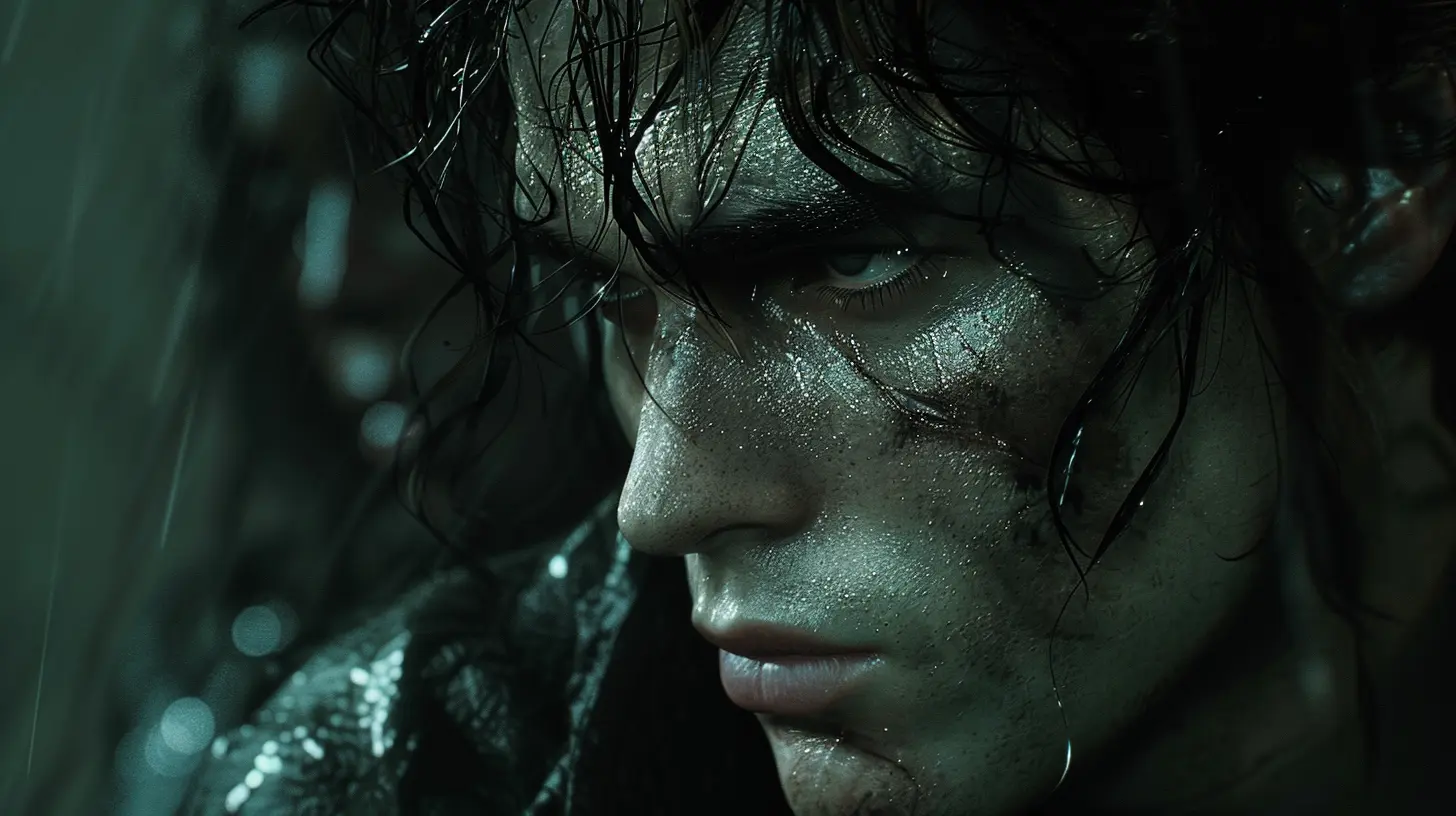
? First, What Makes a Game Trailer Anyway?
Okay, let’s break it down. A game trailer is essentially a hype machine. It’s designed to catch your attention, stir your emotions, and make you say, "I need that right now,” even if you already have a massive Steam backlog that could humble a small library.There are generally two kinds:
- Cinematic trailers: These are your Oscar-level drama reels. Big music, fast cuts, mysterious dialogue, maybe even a tear rolling down someone’s dirt-smeared cheek. All rendered in glorious pre-rendered CGI.
- Gameplay trailers: Actual in-engine footage. These are supposed to show you what the game really feels like. Emphasis on supposed to.
The problem? Sometimes, trailers blend these so well—or sneakily—that you can’t really tell what’s game and what’s Hollywood.
? Emotional Bait: The Hype Trap
Let’s talk about emotional baiting. It’s like when your dating app match uses a 7-year-old gym photo and a poetry quote in their bio. You swipe right, you match, and you soon figure out… well, reality hits differently.? The Music Gets You Every Time
Ever noticed how many game trailers feature haunting piano notes, slowed-down covers of popular songs, or choirs of children singing ominously? Yep, instant chills. And that’s the point.That musical combo triggers emotions faster than your dog realizing you’ve opened a cheese wrapper. You're not just watching a trailer; you’re feeling something. But is that feeling connected to the actual game?
Spoiler alert: Not always.
? “In a World…” Syndrome
Trailers love to give us vague, intense narratives. Stuff like:- “You were once the savior… but now, the world has forgotten you.”
- “Trust no one—not even yourself.”
- “War. War never changes. Except when it does. With loot boxes.”
These lines sound epic. But when the game is an online-only looter-shooter with no real storyline, you start to feel like you bought a book based on the blurb—and it turned out blank inside.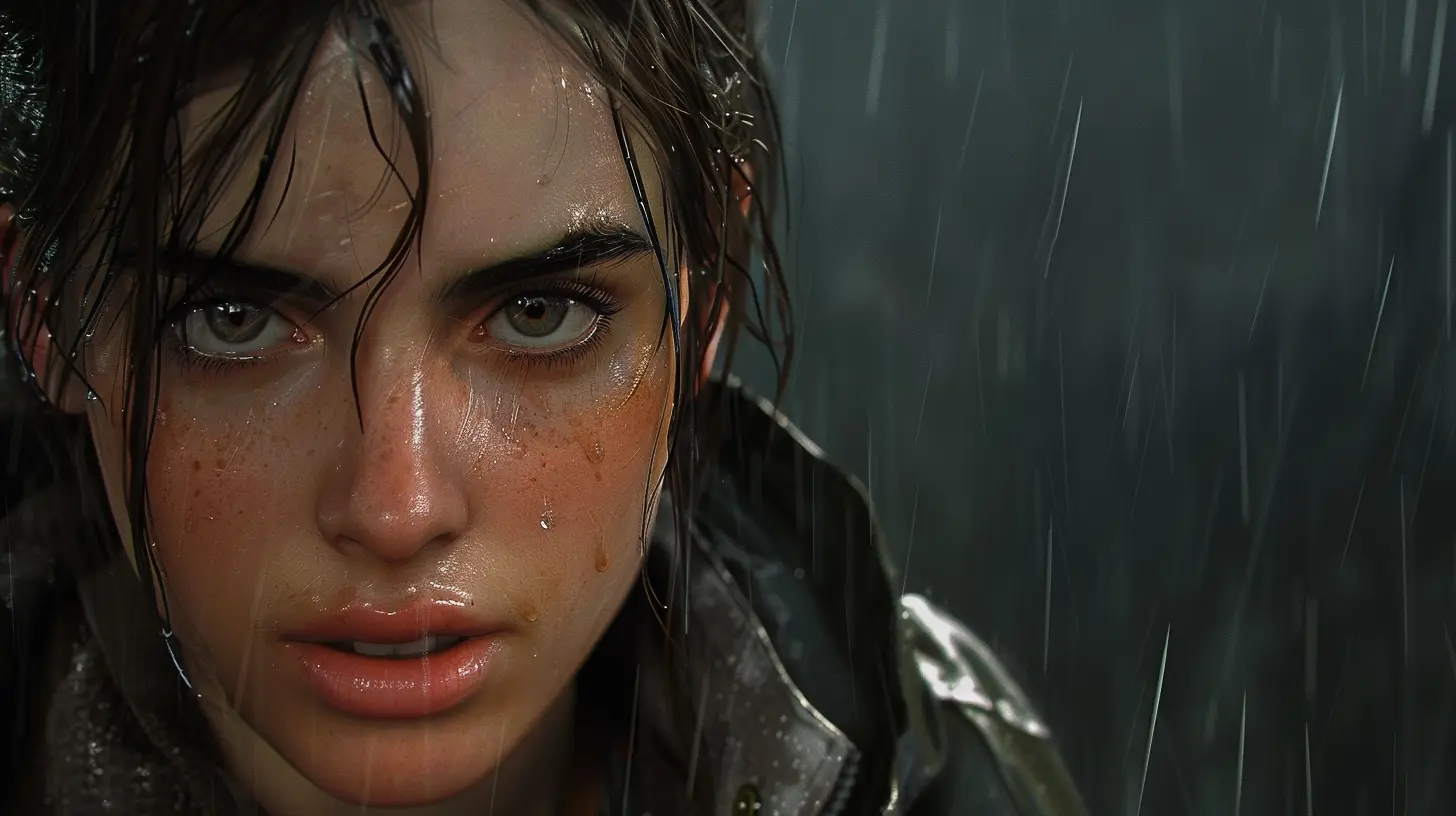
? Honest Previews: When Trailers Get It Right
Let’s not be too cynical here. Some game trailers do nail it. They show actual gameplay. They let the tone of the game shine. They make you excited and then deliver.?️ Shoutout to the Real Ones
Think about trailers like:- The Witcher 3: Wild Hunt – It mixed cinematic flair with gameplay and didn’t lie about the emotional rollercoaster.
- DOOM (2016) – No fluff. Just metal and demons. Exactly what you got.
- Animal Crossing: New Horizons – Showed you island life, soft pastels, and chill vibes. Guess what? That’s exactly what you got (plus Tom Nook debt).
These trailers set expectations clearly—and meet them. It’s like a restaurant showing you food pics that actually look like the dish you’re served. Rare, but beautiful.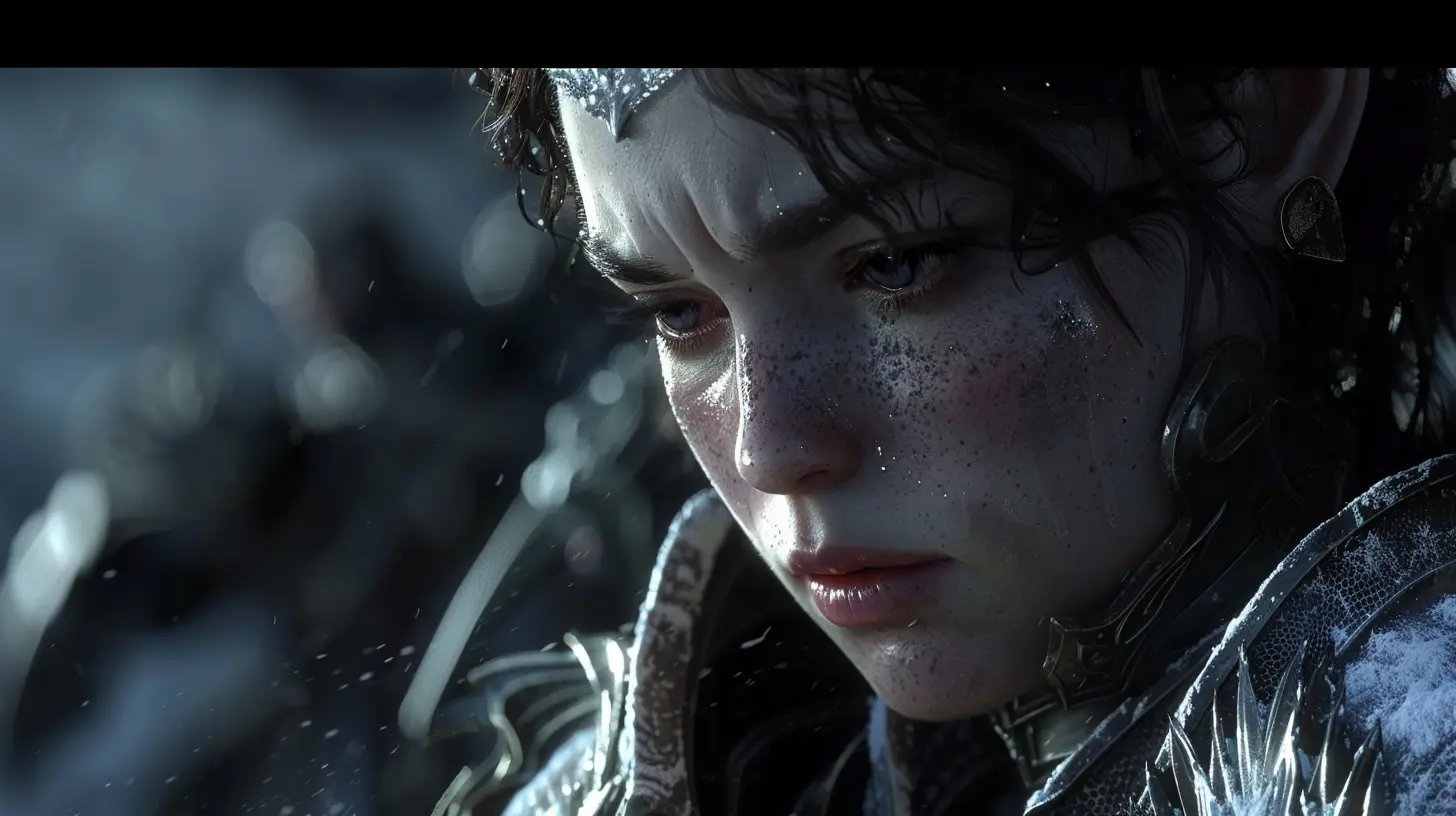
? Why Do Game Trailers Lie (Sometimes)?
Ah yes, the million-dollar question (or actually, the several-million-dollar marketing campaign question).? Marketing Pressure Is Real
Game development is expensive. Like, “mortgage a spaceship” expensive. So, studios rely on trailers to build hype, drive pre-orders, and make sure investors don’t start clutching their pearls.The result? Trailers that promise the moon—even if the game barely reaches the treetops.
? The “Vertical Slice” Mirage
Sometimes, what you see in a trailer isn’t the whole game—it’s what’s called a vertical slice. Think of it like a sample bite at Costco. Looks good. Tastes good. But it’s not the full meal—and the rest of it might still be half-cooked.Studios show a polished mini-version of the game that doesn’t represent the whole experience. But hey, they hope you don’t notice until after launch.
? The Psychology Behind Trailer Tactics
Let’s get nerdy for a second.Game trailers often tap into deep psychological drivers: anticipation, nostalgia, excitement, and sometimes even FOMO (Fear of Missing Out). Combine that with cutting-edge graphics, emotional sound design, and carefully edited pacing, and you’ve basically got emotional catnip.
We’re not just watching—we’re emotionally invested. Even if we don’t realize it.
Ever found yourself saying, “I don’t know what that game’s even about, but I’m definitely buying it”? Yeah. Mission accomplished, trailer department.
?♂️ Should We Be Mad? Or Just Wiser?
Look, we’ve all been burned. Whether it was a trailer that promised a moving story and gave us a bullet sponge simulator, or a game that looked gorgeous and ran like a potato in a microwave—it's not a new thing.?♂️ Don’t Blame the Devs (Too Much)
Oftentimes, marketing and development teams are separate. Developers may even hate what the marketing team throws into a trailer. But by then, the hype train has no brakes. And the devs are stuck trying to fix the bugs and explain why there’s no dragon riding like the trailer teased.? Be a Critical Viewer
Next time you watch a jaw-dropping trailer, ask yourself:- Is that actual gameplay or pre-rendered fluff?
- Does the tone match the type of game it is?
- Is there in-game UI? Or are we just watching The Game Awards’ version of a perfume ad?
Your wallet will thank you.
? How to Sniff Out the Honest from the Hype
Let’s build your BS detection skills, shall we?1. ? Watch for “In-Engine” vs. “Gameplay”
“In-engine footage” just means it was rendered using the game’s engine… not that it’s actual gameplay. It’s like saying your dating app photo is technically you—from 2012.Actual gameplay means HUDs, character movement, and things not looking quite so glossy.
2. ? Read the Fine Print
Look in the trailer description. If it says “representative of gameplay” or “not actual gameplay footage”—guess what? It's probably smoke and mirrors.3. ? Watch Live Demos or Dev Playthroughs
If a studio releases an actual walkthrough or lets streamers preview the game months before launch, that's usually a good sign. They’re not hiding anything under the hood.4. ? Wait a Bit
We know, patience isn’t easy in the land of instant gratification—but waiting for Day 1 reviews (not sponsored ones), or gameplay streams, gives you the real tea.? Can Trailers Still Be Good Without the Lies?
Absolutely! Not every trailer needs to channel the emotional intensity of a Christopher Nolan film to sell copies.Some of the best trailers are funny, self-aware, or just plain honest. Remember Devolver Digital's mock trailers? Hilarious and effective. Or Goat Simulator’s first trailer, which parodied Dead Island? Chef’s kiss.
Humor, style, or clear gameplay—all of that can hype a game without bamboozling the audience.
? The Final Boss: Balancing Hype and Honesty
At the end of the day, trailers are a marketing tool. So yes, they’ll be shiny, emotional, and sometimes a little “enhanced.” But that doesn’t mean you’re powerless.The best defense against emotional bait? A little skepticism, a lot of research, and a healthy sense of humor.
Be informed. Be curious. And maybe wait until Metacritic has a few real reviews before you hit that digital checkout.
And if you do fall for another dramatic trailer with a piano cover of “Smells Like Teen Spirit”? Honestly, same. We’ve all been there.
? TL;DR – Quick Recap
- Game trailers often use emotional cues to hook players—sometimes at the cost of honesty.- Cinematic trailers don’t always reflect what gameplay feels like.
- Honest trailers show gameplay, represent tone accurately, and don’t oversell.
- Marketing pressure, investor expectations, and hype culture all fuel the problem.
- Be a savvy gamer: look for real gameplay, follow previews, and don’t rush pre-orders.
all images in this post were generated using AI tools
Category:
Game TrailersAuthor:

Jack McKinstry
Discussion
rate this article
2 comments
Dulce Kirkland
What a fascinating discussion! Game trailers can really tug at our heartstrings or mislead us. It's so exciting to see how they evolve and affect our expectations. Can't wait to hear more opinions on this!
July 27, 2026 at 2:52 AM
Jack McKinstry
Thanks for your thoughts! Game trailers definitely have a unique power to shape our feelings and expectations. I'm looking forward to more discussions on this topic too!
Runehart McVaney
Ah, the classic trailer dilemma. Are we being pulled by the heartstrings or just caught in a marketing web? Maybe it's both. If my emotions are going to take a rollercoaster ride, I at least want some popcorn and a comfy seat along the way...
May 13, 2026 at 4:31 AM
Jack McKinstry
You're right; trailers often mix genuine emotion with marketing tactics. A good ride deserves some comfort and snacks.