Exploring the Cultural Impact of Augmented Reality Gaming
29 April 2026
In the last decade, gaming has gone from sitting on the couch with a controller to literally stepping into another world—or overlaying one on top of our own. That’s the magic of Augmented Reality (AR) gaming. You might’ve heard of Pokémon Go or even tried it yourself. But AR gaming is more than just catching animated creatures on your street corner. It’s changing how we interact with our surroundings, our communities, and pop culture itself.
So, what really happens when our physical world starts blending with digital gameplay? Buckle up, we're taking a deep dive into the cultural shift triggered by AR gaming.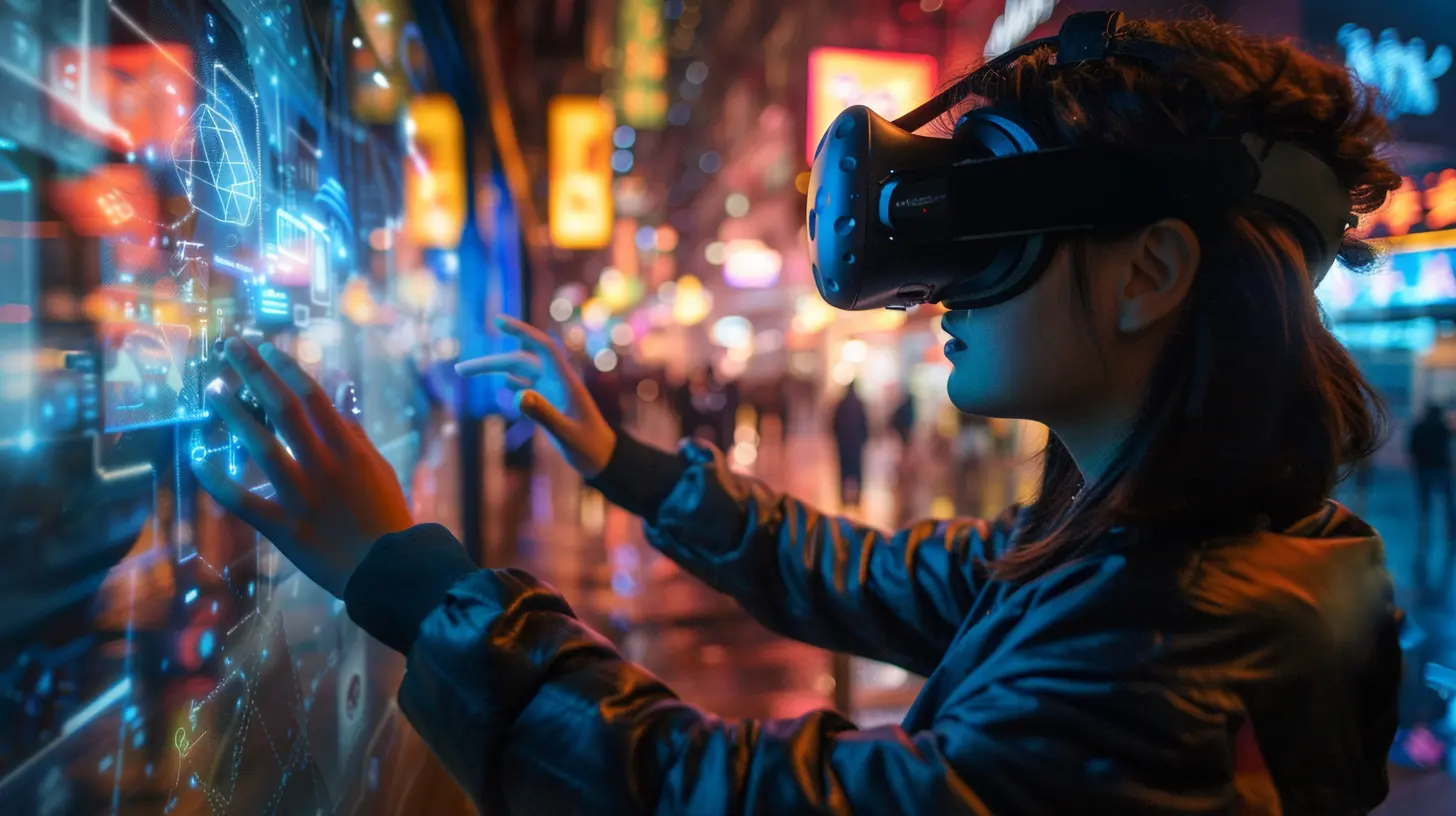
What Is Augmented Reality Gaming, Anyway?
Let’s start with the basics. Augmented Reality gaming is where digital elements—like characters, scores, effects—are layered over the real world using a screen, usually through your smartphone, AR glasses, or a headset.Unlike Virtual Reality (VR), which completely immerses you in a digital universe, AR enhances the physical world without replacing it. Think of it like putting a digital sticker on a street lamp or seeing a zombie chase you through your neighborhood via your phone camera. It sounds wild because it is!
And it’s precisely this unique blend of the real and the virtual that’s making waves beyond just entertainment.
Changing The Way We Play
Before AR, gaming was mostly a sedentary activity. You’d sit (or slouch) for hours, glued to a screen, occasionally remembering to stand up and stretch. With AR? You’re moving. You're walking around, exploring your environment, even traveling to new parts of your city just to catch a digital reward.Take Pokémon Go—it had people walking miles hunting for rare Pokémon. That single game turned local parks, historical landmarks, and even back alleys into hotspots of digital activity. Strangers became teammates. Families turned walks into quests. Fitness apps couldn’t have dreamed of a better cross-promotion.
AR gaming has literally redefined what it means to “go outside and play.”
Gaming Meets Social Interaction
One of the most underrated shifts brought by AR gaming is how it changes social behavior. Think about it—traditional gaming, especially online multiplayer, often keeps players isolated in their own rooms, connected only via headsets. But AR gaming encourages people to physically gather, interact, and collaborate in real life.Remember Pokémon Go’s community days? They weren’t just fun—they were massive social events. Parks were filled with people sharing tips, trading Pokémon, and forming spontaneous connections. It was like Comic-Con had exploded into every neighborhood.
Suddenly, gaming wasn’t just a solo or online-only thing anymore. It was a community experience.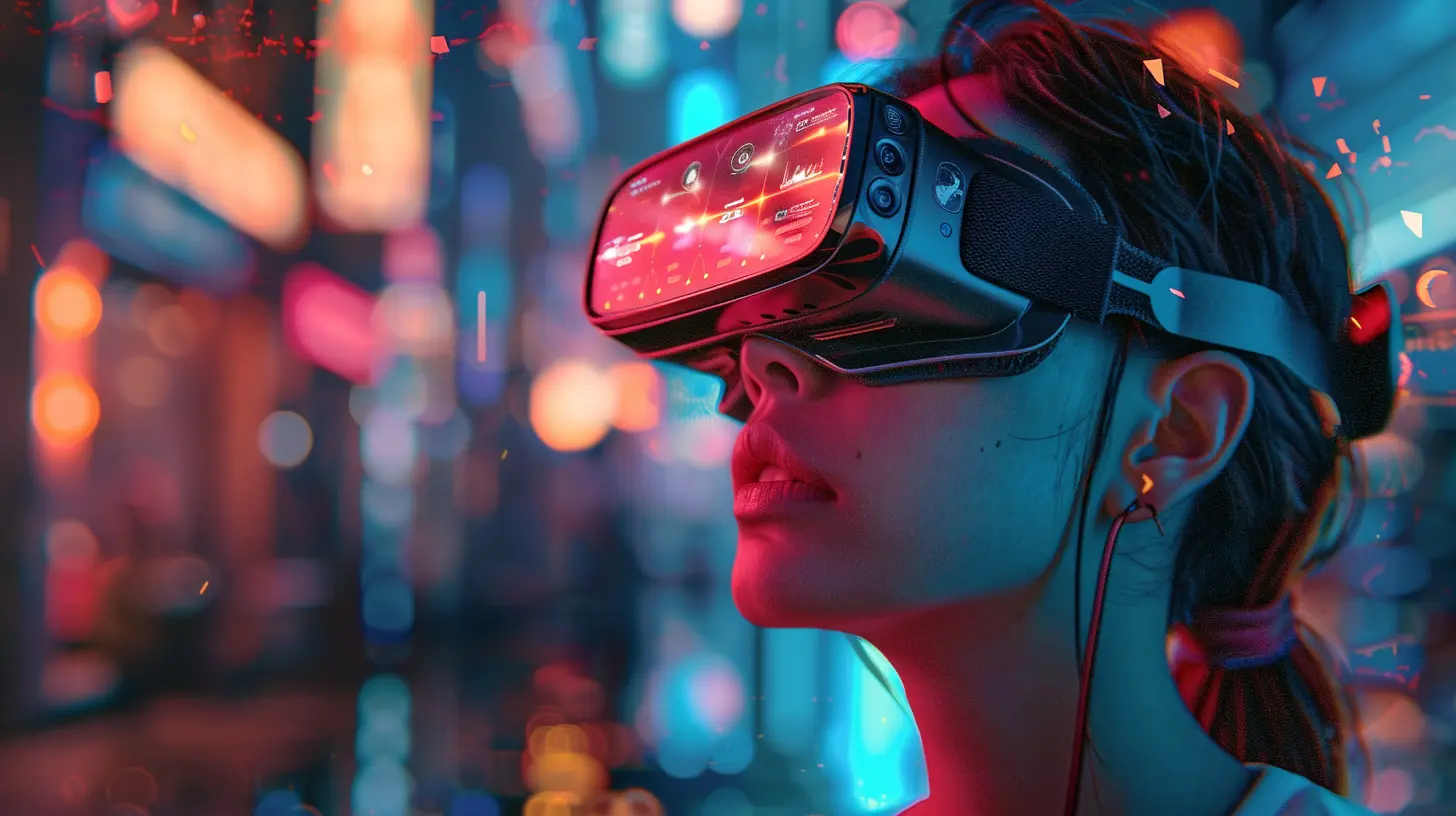
Merging Gaming and Daily Life
AR gaming is blurring the lines between play and reality. That may sound like sci-fi jargon, but it’s happening all around us. Don’t be surprised when you're grabbing your morning coffee and someone beside you is fighting off invisible dragons or solving a puzzle on a nearby bench.Games like Ingress, Wizards Unite, and The Walking Dead: Our World have turned routine spaces into dynamic playgrounds. Your city becomes part of the story. The grocery store isn’t just where you buy snacks; it’s where you collect mana stones or deploy defenses against alien threats.
This integration isn't just cool—it’s revolutionary. It makes everyday life just a little more magical, like adding a digital secret layer to the mundane.
The Cultural Shift in Gaming Communities
AR games aren’t just changing our behaviors—they’re changing the very culture of gaming.Let’s unpack that for a second.
In the past, gamers were often viewed as anti-social or tech-addicted. Mainstream culture painted a picture of the classic "gamer" as someone glued to a screen in their basement. But AR gaming is helping rewrite that narrative. Now, gamers are explorers, urban adventurers, and local historians uncovering real-world stories through digital play.
Cities and local governments have even jumped on board. Many have hosted AR game events or designed spaces with gaming in mind. Museums, for instance, are using AR to add interactive layers to their exhibits, blending education and gaming seamlessly.
It’s more than fun—it’s reshaping public opinion about what gaming is and who gamers are.
A Boost for Local Businesses and Tourism
Here’s something you might not expect—AR gaming can seriously boost local economies.During the Pokémon Go craze, small cafés and shops near popular in-game locations reported huge increases in foot traffic. Some even paid to become official in-game spots to lure players in. Imagine playing a game and being rewarded with a discount at your favorite pizza joint. Win-win, right?
Cities began incorporating AR game strategies into their tourism efforts. Want to encourage people to visit historic sites or underused public areas? Place a powerful game item there. Suddenly, that forgotten statue or obscure alley becomes a must-visit spot for thousands of players.
AR gaming isn’t just influencing culture—it’s influencing commerce.
Education Through Play
AR gaming has immense potential in education too. It’s like sneaking broccoli into pizza—kids are learning, but they’re having so much fun they don’t even notice.Apps like AR scavenger hunts and historical re-enactment games are bringing lessons to life. Instead of reading about the Battle of Gettysburg, imagine walking the field and seeing animations of the event unfold before your eyes. That’s AR.
Even classrooms are getting onboard. Teachers use AR tools to gamify lessons—from math to biology—and it works. Engagement skyrockets when learning stops being abstract and starts being interactive.
The Rise of AR Gaming Influencers
With every cultural wave comes new icons—and AR gaming is no exception. Influencers in this space have mastered the art of blending digital content with real-world exploration.YouTubers, TikTokers, and streamers have created thriving communities around AR games, sharing tricks, hosting events, and even traveling the world to participate in global AR experiences. Their content is deeply personal and hyper-engaging—it’s part travel vlog, part tutorial, part reality show.
These influencers are shaping how games are played and perceived, creating a new kind of celebrity born at the intersection of tech, gaming, and social media.
Cultural Criticisms and Ethical Dilemmas
Of course, it ain’t all rainbows and AR unicorns. As AR gaming becomes more entwined with everyday life, cultural and ethical concerns are bubbling up.We’ve seen controversies over players trespassing on private property, causing traffic jams, or gathering in sensitive areas like cemeteries or memorials. There’s also the question of digital addiction—anything designed to keep players hooked can cross a line.
On a deeper level, AR raises questions about privacy. If a game has access to your location, your camera, and your microphone, where does the fun end and the surveillance begin?
So, as AR gaming continues to evolve, there's a growing demand for developers to create ethical boundaries and users to play responsibly.
The Future of AR Gaming and Culture
We’ve barely scratched the surface of how AR will shape culture moving forward. With advances in wearable tech, 5G connectivity, and AI integration, AR gaming is about to get even more immersive—and even more influential.Imagine smart glasses that project games into your field of vision, no phone required. Or AI-powered characters that interact with you like real people. The future isn't just coming; it's almost here.
And as AR gaming becomes more mainstream, expect to see more cultural mashups—collaborations with fashion brands, music artists, movies, even politics. Campaigns and causes could use AR to engage people in interactive storytelling, social movements, or civic engagement.
The ripple effect is real, and it’s only getting bigger.
Final Thoughts
Augmented Reality gaming isn’t just a gimmick or a trend—it’s a movement. It’s transforming how we see our world and each other, blending play with purpose, fun with fitness, and fantasy with the familiar.From reshaping urban spaces to redefining gamer culture, AR is more than a tech upgrade—it’s a cultural revolution in your pocket. So next time you see someone pointing their phone at a wall or spinning in circles in the park, don’t laugh.
They might just be part of the next big wave in gaming history.
all images in this post were generated using AI tools
Category:
Augmented Reality GamesAuthor:

Jack McKinstry
Discussion
rate this article
2 comments
Eva Romero
AR gaming reshapes culture.
June 10, 2026 at 2:43 PM
Jack McKinstry
Absolutely. AR gaming not only enhances experiences but also influences how we interact, learn, and connect with each other and our surroundings. It's a transformative force in modern culture.
Jolene Green
This is a thoughtful piece. AR gaming's real power isn't just the tech, but how it reshapes our shared spaces and social rituals. It blurs the line between digital play and real-world connection, making culture feel more interactive and alive. Great insights here.
April 30, 2026 at 4:47 AM
Jack McKinstry
Thank you for your thoughtful comment. I'm glad you resonated with the piece and its exploration of AR gaming's influence on culture and connection.