How AR Games Are Changing Social Interaction Among Gamers
16 January 2026
Remember the days when gaming meant being holed up in your room, lights off, snack stash within arm’s reach, and headphones clamped on tight as you angrily shouted “noob” at some poor soul from halfway across the world? Ah, the golden solitude of traditional gaming!
Fast-forward to today, and Augmented Reality (AR) is throwing everything out the window (including your virtual enemies and maybe your sense of direction). With AR games, like Pokémon GO or Harry Potter: Wizards Unite (RIP...), players aren’t just glued to their screens anymore — they’re out in the world, connecting, competing, and sometimes colliding with other players IRL.
So, what's the magic sauce? How exactly are AR games transforming the social lives of gamers — those rare creatures once thought to be allergic to sunlight? Pull up a beanbag, level up your coffee, and let’s dive in.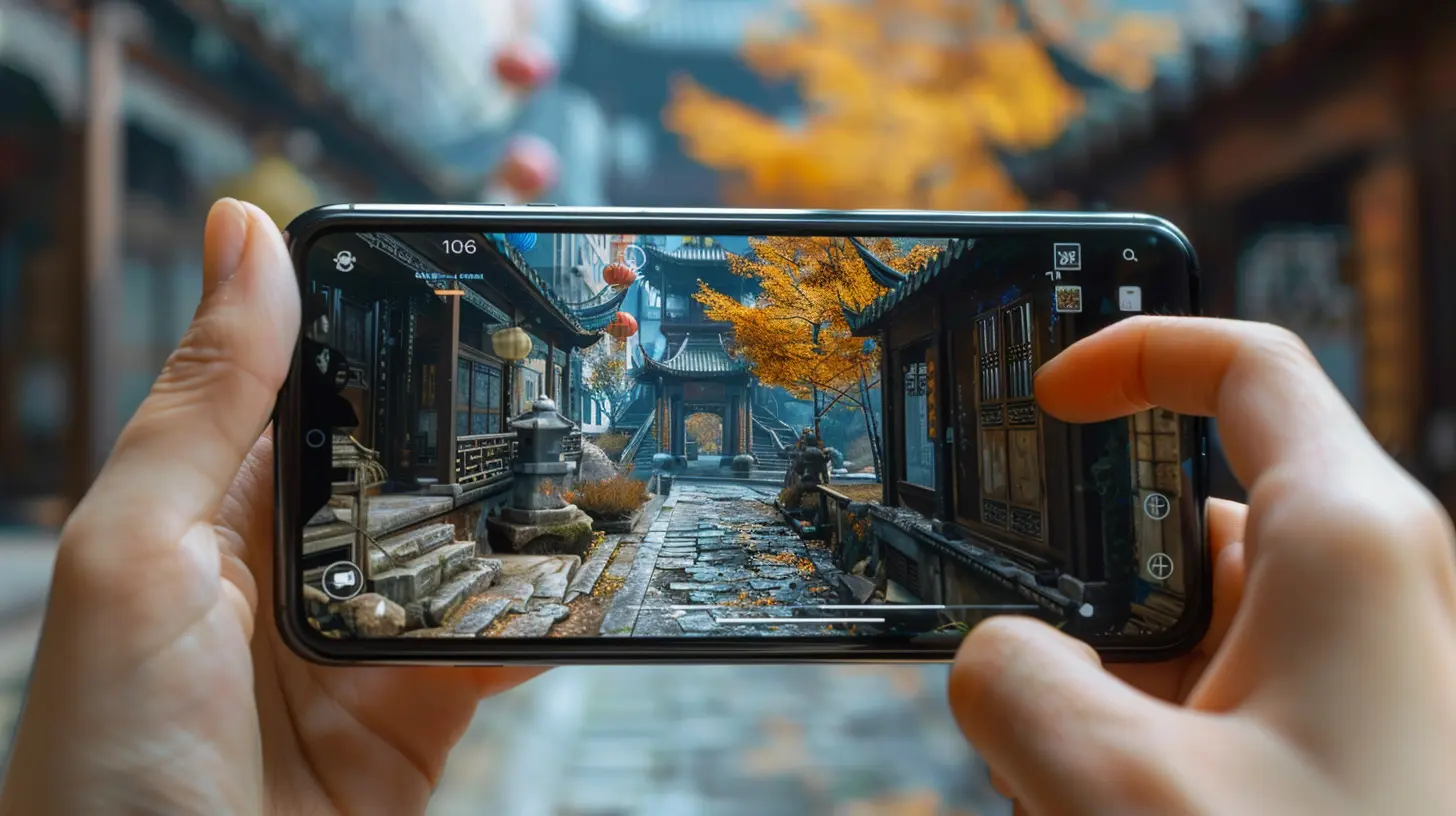
What the Heck is AR Anyway?
If you’re new to the AR party (hi, welcome, we have cookies), Augmented Reality is when virtual elements—like dragons, spaceships, or Pikachu—are overlaid onto the real world through your smartphone or AR glasses. Unlike VR, which shoves you into a full-on Matrix-style simulation, AR simply enhances your reality.It’s like real life… but spiced up with monsters and magic. Think of it as the hot sauce on your otherwise slightly bland taco of reality.
From Couch to Curb: AR Gets Gamers Moving
Ask any AR gamer, and they'll tell you: the first shock is that you have to—brace yourself—go outside.Pokémon GO: The OG of AR Social Gaming
Launched in 2016, Pokémon GO turned parks into Poké-hunting grounds and friends into fellow trainers. Strangers suddenly huddled by public landmarks, feverishly flicking their phones and yelling things like “I just caught a shiny Snorlax!”No longer limited to basement clans or online forums, gamers were now physically gathering, collaborating on raid battles, trading Pokémon, and forming friendships over shared nerdiness. I personally met a guy at a park gym raid who later became my roommate. (Spoiler: He still hasn’t evolved his Eevee into Umbreon. I’m judging.)
Real-Life Quests and Community Events
AR games often use location-based mechanics, creating missions tied to real-world locations. Community Days, raid events, and scavenger hunts push players to explore neighborhoods, connect at local hotspots, and — shockingly — talk to other humans.It’s gaming with cardio. Who knew?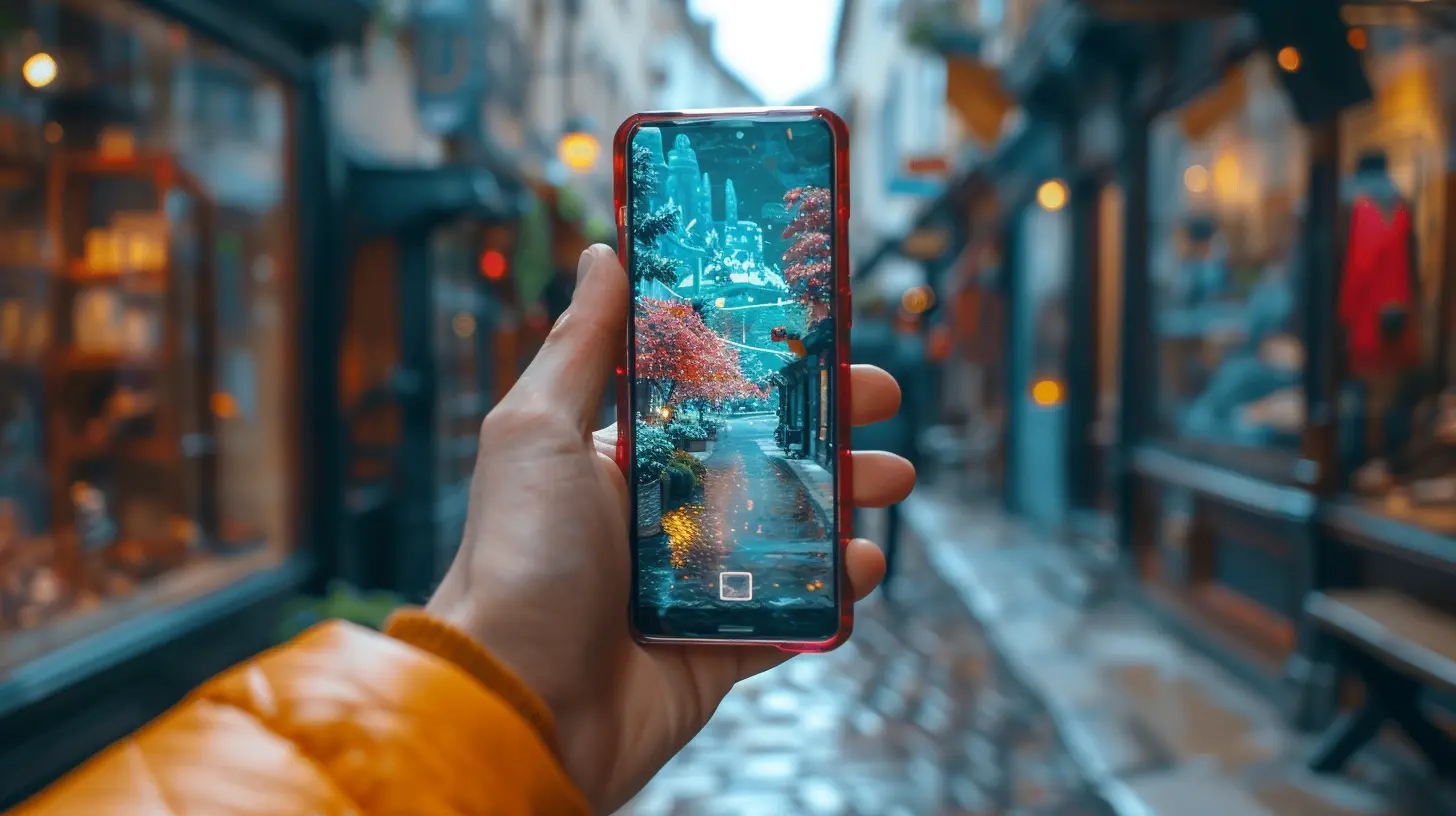
Breaking the Ice (and Social Anxiety)
For socially anxious folks or introverts (hi, your tribe welcomes you), sparking up conversations can be as terrifying as facing a level 999 boss with a stick and a dream. AR games make social interactions way less awkward.Built-In Conversation Starters
Imagine awkward silence at a bus stop... and then boom! A wild Charizard appears. Suddenly, you're high-fiving a complete stranger who also saw him.AR games naturally build connections through shared experiences. You don’t need to "network" or make small talk — just scream “Where’s the PokéStop?!” and voilà, instant community.
Group Play FTW
Many AR games require teamwork. Games like Ingress or The Walking Dead: Our World encourage you to join factions, defend turf, or slay zombies with allies. It's like forming a band, except with smartphones and less music (unless you're blasting Spotify in the background, which we highly suggest).
Gamified Social Circles: Leveling Up Friendships
Let’s get real for a second: playing AR games with friends is like friendship on steroids. You’re not just chilling or texting — you’re unraveling mysteries, taking down virtual enemies, and occasionally getting chased by geese (long story, don’t ask).Real-Life Meetups and Events
AR games have spawned an entire scene of IRL events—from local meetups to massive global festivals. Companies like Niantic organize events where thousands of gamers gather to play together, trade collectibles, and wear Pikachu onesies (respect).This is how communities are born. People make lifelong friends, start dating, form guilds, and in some incredibly nerdy cases—get married in AR-themed weddings. Yes, that’s a thing.
Clans, Teams & Factions
AR gaming isn’t just lone wolfing your way through city streets. Nope. You’re joining clans, backing factions, or becoming part of teams with shared goals and memes. Whether it’s Mystic, Valor, or Instinct (fight me), having that team identity builds a sense of belonging.How AR Games Help Break Down Barriers
Gaming has historically been somewhat insular — a bubble of like-minded people, often stuck indoors. But AR games are popping that bubble and letting in all sorts of fresh air (both literally and metaphorically).Cross-Generational Play
Who says gamers are all under 30? With AR games, we’re seeing grandparents playing with grandkids, parents bonding with teens, and that one uncle who finally learned how to use his iPhone just for Pokémon.There’s something beautifully unifying about chasing the same digital squirrel as someone three times your age.
Diversity & Inclusion
AR games often blur cultural and physical boundaries. You don’t need to speak the same language to team up. A simple nod at a raid, a thumbs-up, or a shared “YESSS” moment transcends words. It’s universal geek.The Flip Side: Some Social Pitfalls to Watch For
Okay, not every AR interaction is sunshine and Squirtles. Like anything social or internet-y, there are some potholes.Creepers, Trolls & Over-Competitive Players
Not everyone you meet will be chill. Some take the game too seriously (like, “You stole MY gym, prepare to suffer” serious). Others might just want to spam your DMs. Always stay safe and know when to walk away—physically and digitally.Screen Zombies
It’s ironic: AR is supposed to bring you into the real world, but you still see gamers walking into poles because they’re glued to their screens. PSA: Look up once in a while. The world’s got cool stuff too.Ghost Towns
Some AR games depend heavily on user density. If you live in a tiny town where the population includes more cows than people, it might get lonely. Join online communities to find nearby players or rally your friends to get involved.The Future of AR Gaming and Social Interaction
AR is just getting started, and the future looks both shiny and slightly dystopian (just the way we like it).AR Glasses = Social Butterfly Mode?
Tech giants are working on AR glasses that will project game elements into your everyday vision. Imagine spotting guildmates while grocery shopping, or seeing a digital quest pop up at Starbucks. It’s like having cheat codes for life.More Immersive Social Layers
Future AR games might include voice interaction, expressive avatars, and in-game social hubs that mirror real-world behavior. Think of it as MMORPG meets your neighborhood block party.The lines between gamer, player, and regular human will blur. And honestly? We’re here for it.
AR Games: The New Age Icebreakers
Let’s face it — small talk is hard. No one actually wants to discuss the weather, Karen. But launching into a story about how you just battled a digital fire-breathing lizard outside a Taco Bell? Now that’s memorable.AR games give us the perfect excuse to connect. They drop us into shared missions, shared spaces, and shared laughter. They remove the pressure of forced interaction and instead let us bond over something fun, spontaneous, and wildly unpredictable.
Conclusion: Game On, World!
Augmented Reality games are rewriting the social script for gamers. They’ve turned digital warriors into community builders, solitary players into real-world adventurers, and online buddies into actual coffee-drinking, raid-joining comrades.Yes, there are hiccups. Sidewalk collisions, occasional weirdos, and confusion over whether that’s a game object or actual trash on the ground. But in the end, AR games are making gaming — and life — a whole lot more interactive, inclusive, and downright fun.
So grab your phone, tie those sneakers, and maybe bring a friend along. The world is now your gameboard. And you’re never really playing alone.
all images in this post were generated using AI tools
Category:
Augmented Reality GamesAuthor:

Jack McKinstry
Discussion
rate this article
2 comments
Soryn McKellar
This article highlights the transformative impact of AR games on social interaction, illustrating how they blend virtual experiences with real-world connectivity. By fostering collaboration and face-to-face engagement, AR games enhance community building among gamers, challenging traditional notions of social isolation in gaming. This evolution underscores the potential for deeper relationships within the gaming culture.
February 2, 2026 at 4:07 PM
Jack McKinstry
Thank you for your insightful comment! I'm glad you found the article's exploration of AR games' impact on social interaction valuable. It's exciting to see how these experiences are shaping community dynamics among gamers.
Coral McGee
Great article! It's fascinating to see how AR games are reshaping social interactions in the gaming community. The blend of technology and social engagement truly enhances the gaming experience, fostering connections among players in innovative ways. Thanks for sharing!
January 16, 2026 at 5:31 PM
Jack McKinstry
Thank you! I’m glad you enjoyed the article and appreciate your insights on AR's impact on social interactions in gaming!