How AR Games Are Inspiring the Next Generation of Technologists
14 May 2026
Let’s be honest for a second. If you told someone twenty years ago that kids would one day be running around in public parks trying to catch invisible monsters on their phones…they’d probably hand you a tinfoil hat and back away slowly.
But here we are.
Augmented reality (AR) games have taken the world by storm, transforming the everyday world into a pixelated playground of excitement, quests, and—let’s not forget—epic battles with digital dragons that somehow pop up next to your local Starbucks.
Now here's the kicker: while most adults might see AR games as just another attention-grabbing screen-based obsession, there’s something way cooler going on beneath the surface.
AR games aren’t just entertaining—they’re sneakily inspiring a whole new wave of tech-savvy innovators.
Yup, it turns out chasing digital creatures IRL is lighting the spark for the next generation of programmers, engineers, and problem-solvers. Who knew?
So buckle up, because we're diving deep (with just the right amount of sarcasm and real talk) into how AR games are inspiring the next generation of technologists.
Wait, What Exactly Is AR (Again)?
Alright, before we head off to tech utopia, let’s get one thing straight: AR isn’t just a fancy acronym tech geeks throw around to sound smart.AR (Augmented Reality) is what happens when the digital world meets the real world and they awkwardly bump into each other like two coworkers at a party. It overlays digital elements—like graphics, sounds, or data—onto your actual environment, usually through a smartphone or AR glasses.
Unlike virtual reality (VR), which throws you into a completely fictional world (hello, Matrix), AR's more like your weird tech-savvy roommate who insists on tagging along while you go grocery shopping.
And guess what? Kids love it. But even more importantly…they’re learning from it.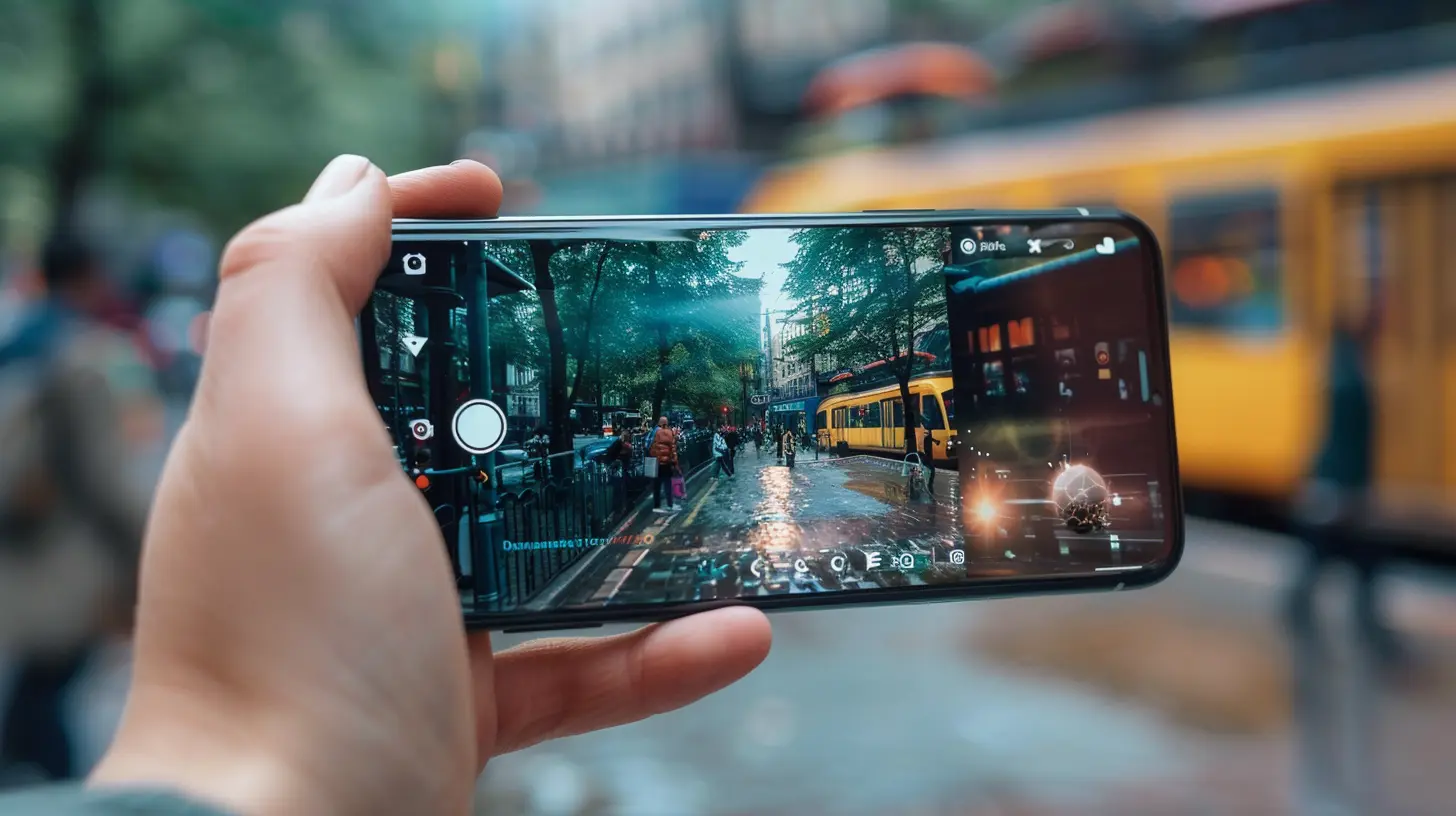
AR Games: Not Just Digital Babysitters
Sure, AR games keep kids entertained, but here’s where things get spicy: they also require real-world movement, decision-making, spatial awareness, and often, teamwork. And don’t even get me started on the unexpected geography lessons players get while tracking down hidden game elements across actual cities.Games like Pokémon GO started the craze, but now we’ve got a wave of AR games doing everything from teaching users how to code, to helping them understand 3D modeling—all without them realizing it. Sneaky, right?
Let’s break down the ways these “games” (read: stealth learning machines) are shaping tomorrow’s tech geniuses.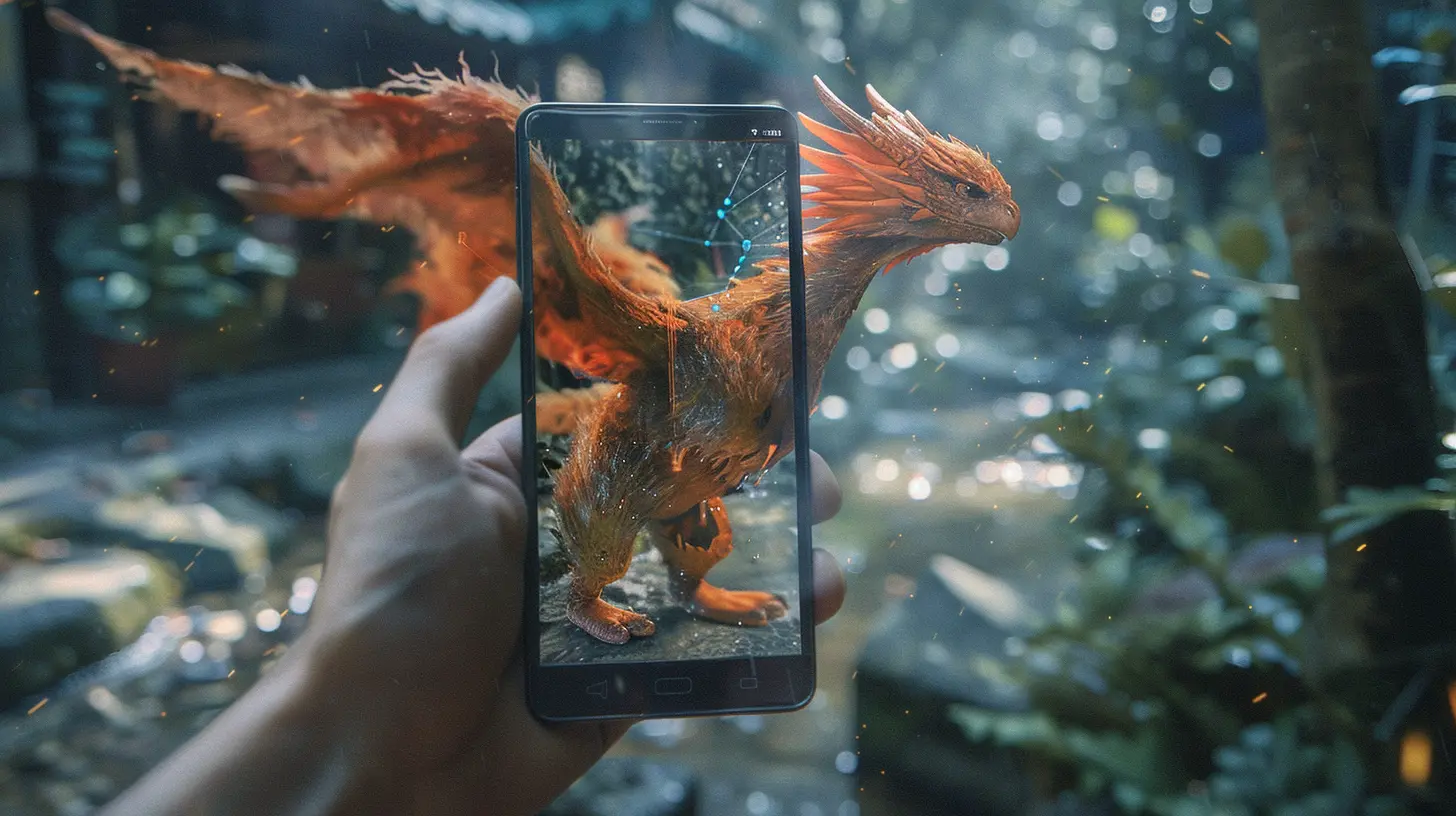
1. Gamified Learning: The Old "Trick 'Em Into Thinking It's Fun" Strategy
Remember when we were kids and “learning” meant sitting in a classroom staring blankly at a chalkboard covered in equations that may as well have been hieroglyphics?Well, surprise! Gen Z and Gen Alpha are out here learning physics, coding logic, and spatial reasoning by playing AR games on lunch break.
AR games like Merge Cube, Quiver, and CoSpaces Edu are blurring the line between play and education. They’re built with gamified STEAM learning in mind (Science, Technology, Engineering, Arts, Math—because everything needs a catchy acronym, right?).
These games plant the seeds of curiosity. Kids start asking questions like:
- “How does the game know where I am?”
- “Why can I only see the monster when I move around?”
- “What black magic allows this thing to interact with my furniture?!”
Spoiler alert: it’s not magic—it’s basic computer vision, spatial computing, and good ol’ fashioned coding. And guess what? Kids want to know more.
2. Sparking an Interest in Coding (Without Boring PowerPoints)
Let’s not sugarcoat it: traditional intro-to-coding lessons can be dull enough to make paint drying seem thrilling.But AR games? They’re turning coding into a must-have superpower. Many games now include options where players can modify environments or create their own AR experiences using platforms like Unity or Reality Composer.
They don’t just play the game—they build on it.
Imagine an eighth grader learning how to control which direction a holographic dragon breathes fire by tweaking a few lines of code. That’s absolute sorcery compared to dragging boxes into Scratch’s UI.
The best part? These coding adventures come with instant gratification. Change the code → deploy the game → watch your AR unicorn moonwalk across mom’s kitchen counter in real-time. (No unicorns harmed.)
3. Real-World Problem Solving With a Digital Twist
AR games force players to interact with the physical world in new ways. You want to grab that treasure chest? Well, you'll need to go outside, avoid obstacles, and maybe even work a puzzle or two.Welcome to the real-life version of critical thinking exercises, but with more bonus points and fewer yawns.
Kids are getting better at:
- Spatial awareness — Want to find the hidden portal? You’ll need to think in 3D.
- Navigation skills — Google Maps who? These kids are guided by glowing AR arrows.
- Multitasking — Dodge other pedestrians, solve puzzles, AND collect loot? Easy.
Adults struggle to remember where they parked their car—kids out here planning elaborate raids with GPS precision.
4. Collaboration and Social Skills (Yes, Seriously)
Believe it or not, AR doesn’t equal anti-social behavior. Quite the opposite.AR games often include collaborative features—whether it’s teaming up to defeat a boss, building together in a shared AR world, or trading digital goodies. Kids are learning how to communicate effectively, develop strategies, and yes, deal with in-game drama (because Becky totally stole that rare power-up last time).
These social interactions, layered with technology, are helping kids prepare for future workplaces where remote collaboration, digital tools, and augmented experiences will be the norm.
TL;DR: AR isn’t isolating kids—it’s prepping them for Zoom meetings. (Sorry kiddos.)
5. Design Thinking Starts with Game Design
Design thinking is just a fancy term for solving problems creatively—and guess what? AR games are mini design bootcamps in disguise.Players learn how to:
- Think through user experiences
- Test what works and what flops
- Iterate and improve based on feedback
Game creation platforms like Tynker AR and ZapWorks even let young minds design custom AR experiences, walking them through visual storytelling, environmental design, and interaction logic.
They’re not just playing games. They’re designing whole worlds.
(And here you are, still struggling with PowerPoint animations.)
6. Building Confidence With Tech Tools
Let’s talk about the confidence boost.Not every kid is going to be the class valedictorian or school’s top coder, but AR games give them a low-pressure environment to experiment, fail, and try again.
Failure in an AR game doesn’t come with judgement—it just means “Try again, hero.” No red pen. No bad grade. Just another chance to figure out how to make that portal open using actual logic.
This kind of forgiving feedback environment is crucial. It’s giving kids the guts to take on bigger tech challenges. And once they taste that win? They want more.
That’s how hobbyists evolve into creators. And how creators become technologists.
7. AR Is Making STEM…Cool?
Let’s be brutally honest: STEM used to have a bit of an image problem. It was seen as the realm of calculator-wielding, lab-coat-wearing, socially awkward geniuses.Now?
We're seeing a generation of kids who associate tech with thrilling quests, powerful dragons, and holographic adventures. STEM has had a glow-up, and AR games are the highlighter on those cheekbones.
Suddenly, coding isn’t just for “nerds”—it’s for creators, gamers, explorers, and storytellers.
8. It's Also (Weirdly) Encouraging Entrepreneurship
No joke. Some kids aren’t just playing AR games or coding them—they’re launching entire AR projects, building apps, and even selling virtual assets.Platforms like Roblox Studio (yes, it has AR elements now) let users create monetized content, while others dabble in selling AR filters, items, or custom game scripts.
The entrepreneurial bug bites early when kids realize they can make their own game—and their own money.
Shark Tank, you better be ready.
The Inevitable Disclaimer: It’s Not All Sunshine and Sparkles
Okay, okay, before we crown AR as the ultimate savior of education and youth development, let’s remember: it’s not perfect.Overuse = screen addiction
Improper use = safety hazards (no, Jimmy, don’t chase the virtual goblin into traffic)
And let’s be real—a few games are more “cookie clicker” than “coding genius.”
Still, when done right, AR gaming is a phenomenal gateway to deeper tech exploration. It’s the tech Trojan horse—disguised as fun, filled with learning, creativity, and future job skills.
So, What’s Next?
AR tech is only going to get crazier. (Apple Vision Pro, anyone?) We’re looking at a future where attending history class might mean virtually walking through Ancient Rome—or where biology class involves dissecting a digital frog that doesn’t smell like formaldehyde.And the kids who grew up playing AR games? They're going to be the ones building those experiences.
Let that sink in.
Final Thoughts: Let the Games Begin
So next time you see a kid chasing invisible monsters through a park, don’t roll your eyes. That kid might just be tomorrow’s top developer, engineer, or robotics expert.AR games aren’t just shaping the way we play—they’re reshaping how we think, create, and innovate.
Who knew that unlocking virtual doors might actually open real ones?
all images in this post were generated using AI tools
Category:
Augmented Reality GamesAuthor:

Jack McKinstry
Discussion
rate this article
2 comments
Solenne Barlow
AR games are not just fun; they are shaping the future of technology. By blending play with learning, they inspire creativity and problem-solving in young minds. It's exciting to see how these immersive experiences are paving the way for the next wave of tech innovators.
July 30, 2026 at 4:58 AM
Jack McKinstry
Absolutely! AR games are not only entertaining but also crucial for fostering innovation and critical thinking in the youth. It's amazing to witness their transformative impact on future tech leaders.
Finnian Hardy
It's exciting to see how AR games are sparking creativity and innovation in young minds. This technology not only entertains but also empowers the next generation to explore their potential in fields like coding and design. It's a fantastic way to inspire curiosity and a love for learning in a fun way.
May 17, 2026 at 5:03 AM
Jack McKinstry
I couldn't agree more. AR games are truly transforming the way young people engage with technology, blending fun with learning and creativity. It's amazing to see the impact they're having on future innovators.