How AR Games Are Revolutionizing Educational Content
17 August 2026
Augmented Reality (AR) isn't just a buzzword anymore—it's a full-blown revolution, and it's shaking up the education world like never before. If you've ever played Pokémon GO or used a Snapchat filter, you've already had a small taste of what AR can do. But imagine that same tech being used to make history come alive, math problems feel like puzzles, and science more hands-on than ever. Sounds wild, right?
Now picture this: you're sitting in class, and instead of reading a textbook about ancient Egypt, a 3D pyramid pops up on your desk. You can walk around it, zoom in, and even interact with historic characters. That’s the magic of AR games, and they’re completely transforming the way students engage with educational content.
Let’s talk about how AR games are revolutionizing learning—and why they’re not just a gimmick, but a powerful tool changing education forever.
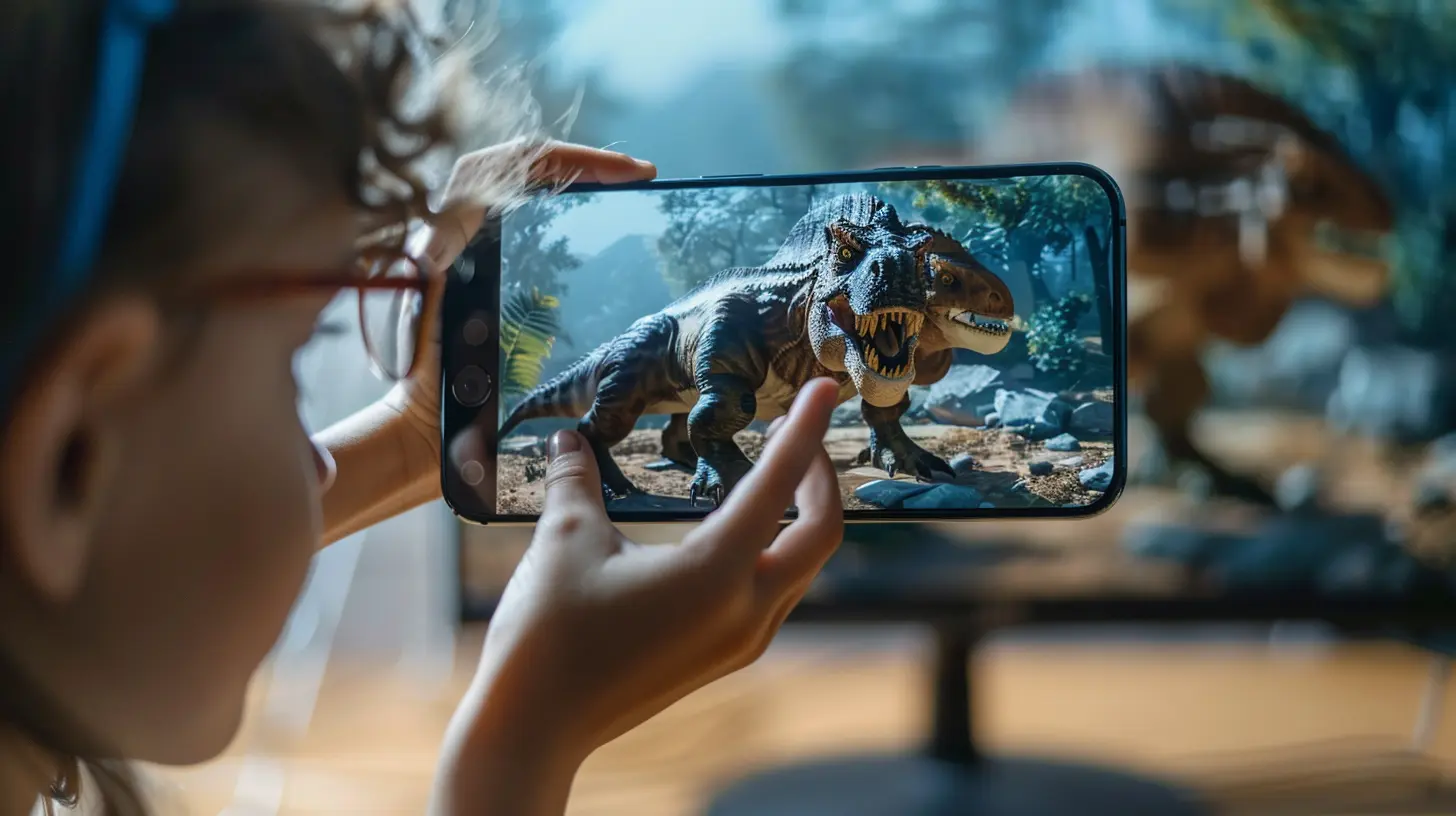
What Are AR Games, Anyway?
Let’s break it down. AR, or Augmented Reality, blends the real world with computer-generated elements. Unlike Virtual Reality (VR), which places you in a completely different world, AR layers digital stuff onto your real environment using your phone, tablet, or AR glasses.So when we say "AR games," we're talking about interactive experiences that mix real-world settings with game-like elements—think quizzes, puzzles, storylines, and challenges. And when you inject this into education? Well, that’s where the real magic begins.
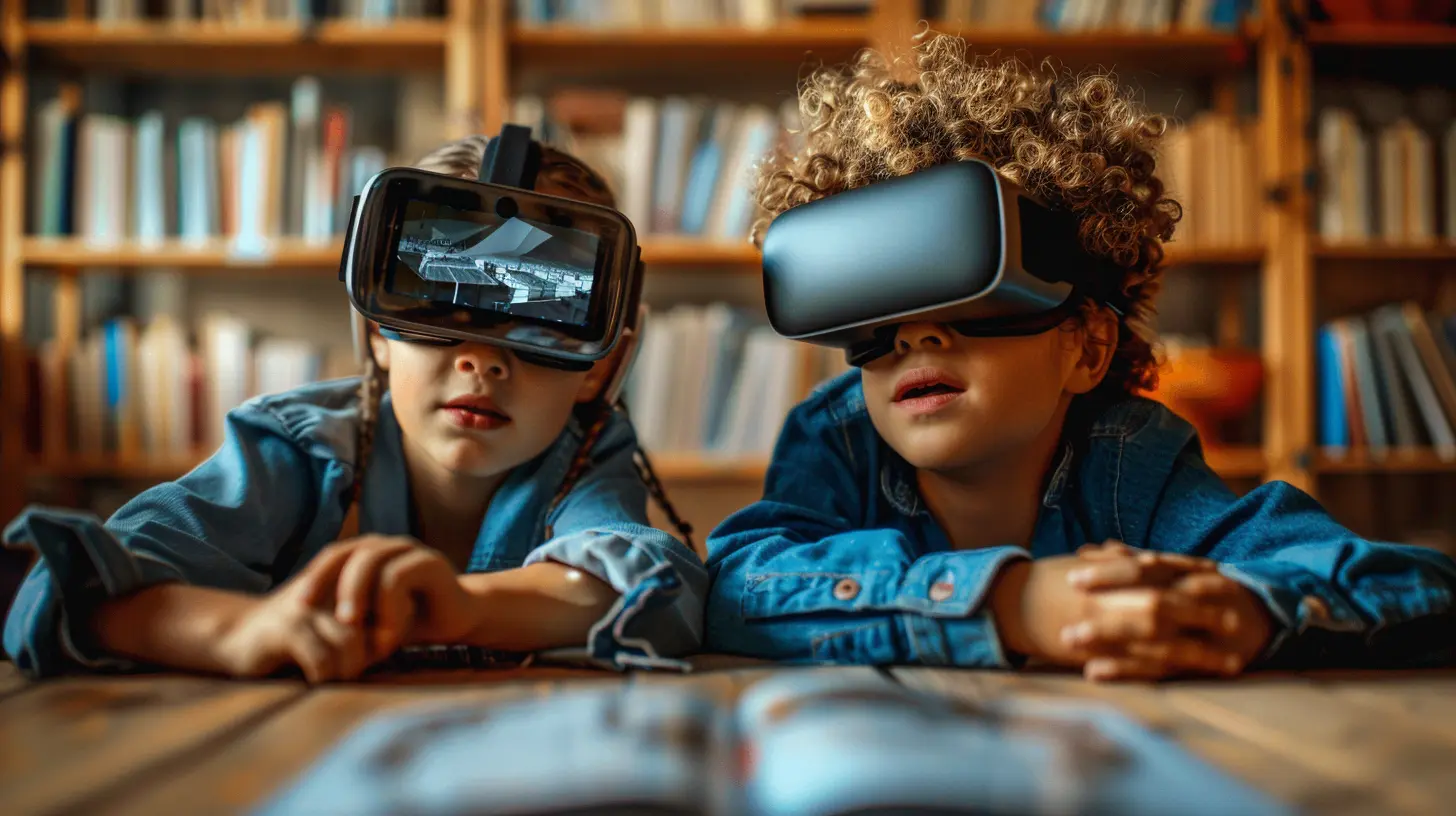
The Shift from Traditional to Interactive
Let’s be honest—textbooks and lectures aren’t exactly thrilling. We all remember zoning out during a long-winded history lesson or struggling to stay awake while reading about photosynthesis. But AR changes that by making learning interactive, immersive, and even fun.? Engagement Goes Through the Roof
Instead of passively absorbing information, students become active participants. They can manipulate 3D models, solve real-time challenges, and explore content in context.
? Visual Learning Hits Different
Not everyone learns best by reading or listening. AR taps into visual and kinesthetic learning, helping students “see” and “do” rather than just “hear.” It's like going from black-and-white to full-blown HD.
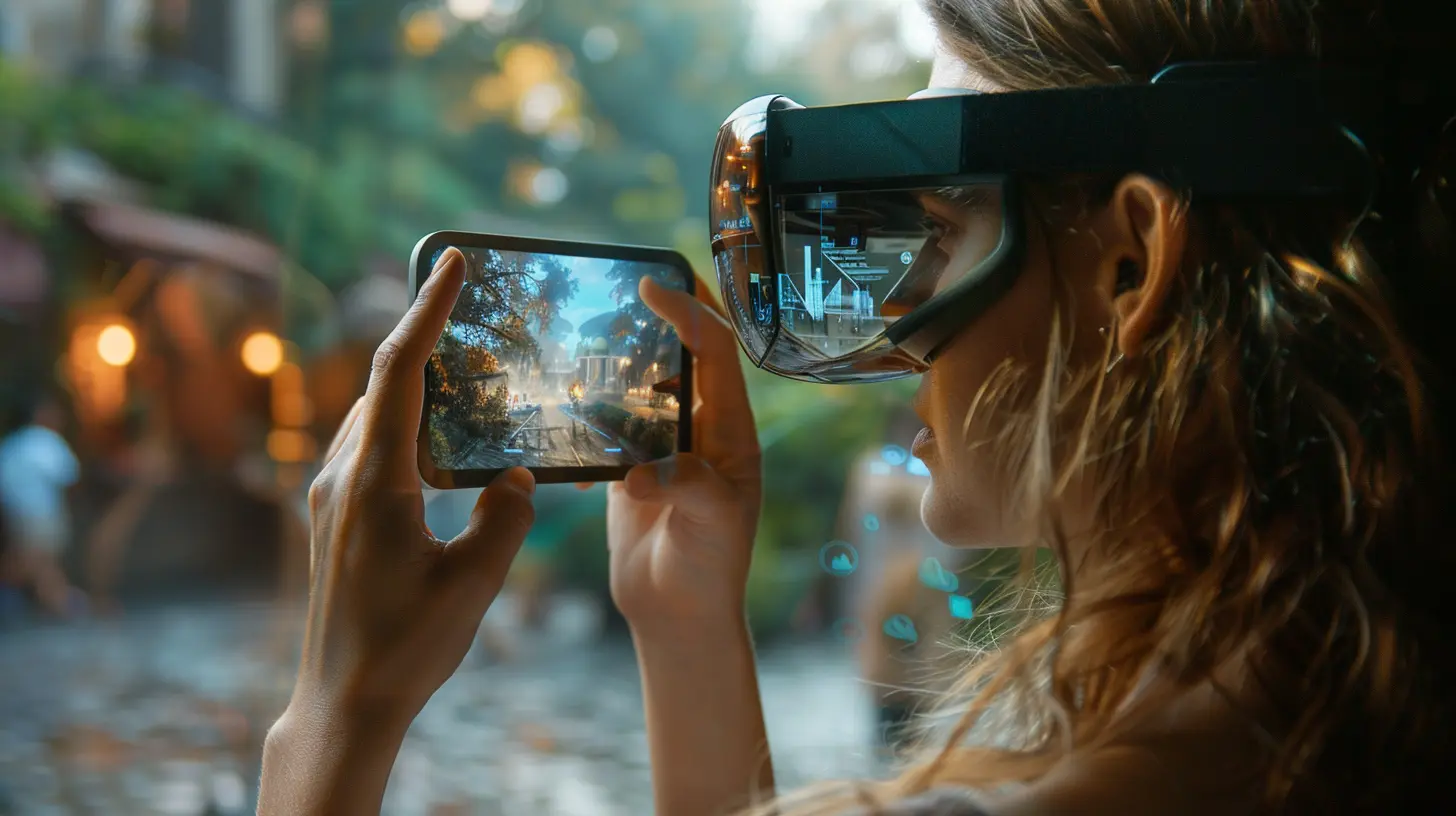
Real-World Applications in Education
AR is being used in classrooms across the globe—and not just in science or tech-heavy subjects. Here’s how it’s making waves in different fields:1. Science Comes Alive
Forget memorizing the parts of a cell from a diagram. With AR, students can explore cell structures in 3D, peel back layers, and even simulate chemical reactions safely. Apps like MERGE Cube allow kids to hold and interact with holograms, turning abstract concepts into tangible experiences.2. History Right Before Your Eyes
Ever had trouble remembering key dates or historical events? AR can transport students straight to ancient civilizations, battlefields, or world-changing moments. They can interact with historical figures, walk through time periods, and “witness” major events—all while staying in the classroom.3. Mathematical Concepts Made Visual
Math can feel like a foreign language. But AR tools break down equations into bite-sized, interactive chunks. Geometry becomes a 3D puzzle. Fractions turn into virtual pies you can slice and dice. It’s all about making numbers feel real.4. Learning New Languages Faster
Apps like Mondly AR let students speak and interact with virtual characters in foreign languages. It’s not just flashcards—it’s conversations in context, body language, and real-life scenarios. Plus, the instant feedback means you’re always improving.5. Geography and Environmental Studies
Why look at a map when you can explore the globe in your living room? AR can simulate weather systems, ecosystems, and even let students build their own sustainable cities. It makes learning about the Earth feel grounded and real.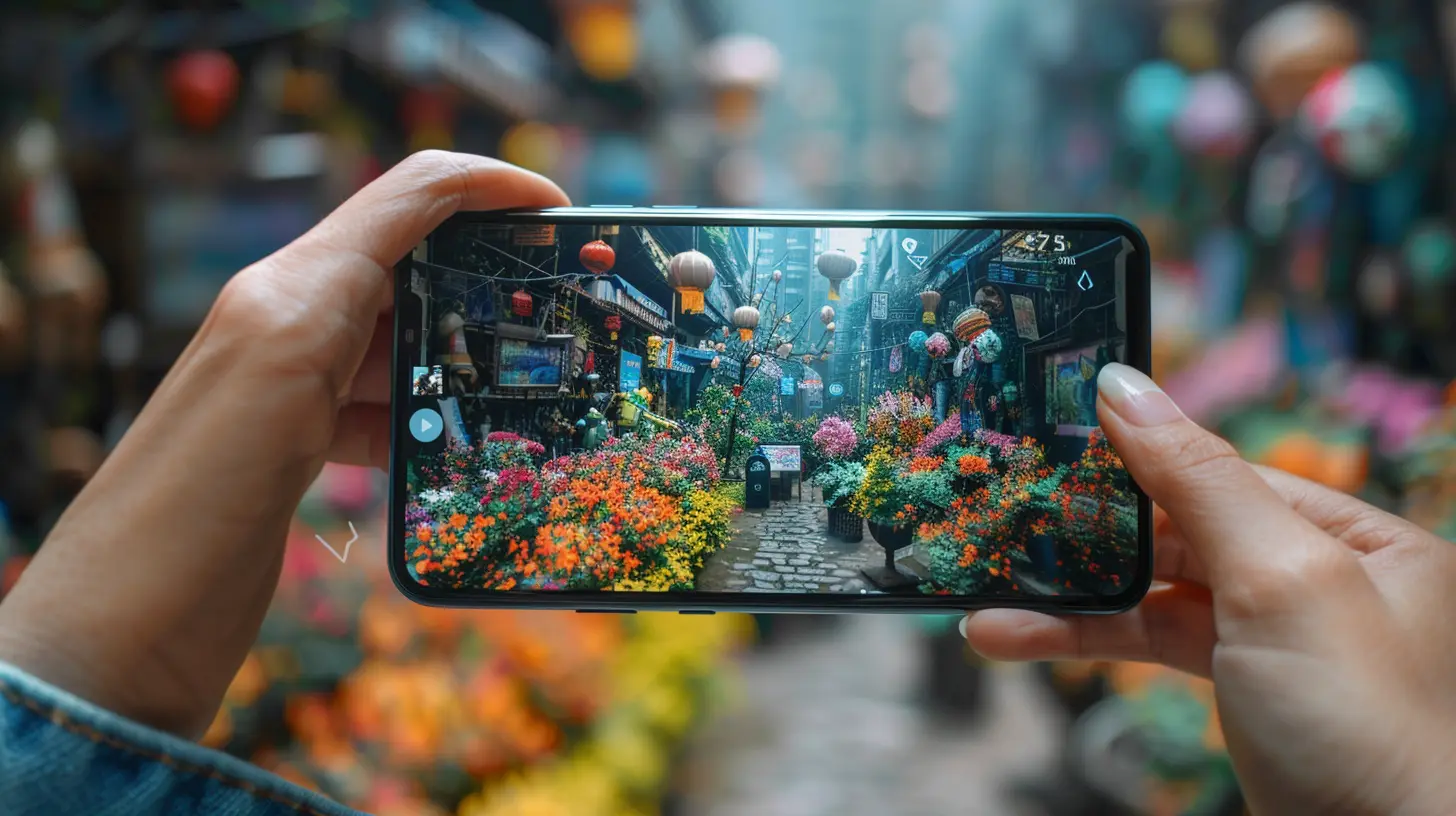
Benefits That Go Beyond the Classroom
We’re not just talking about boosted test scores here. AR educational games come with a wide range of benefits that influence how kids learn—and who they become.Improves Retention and Recall
You remember the stuff you do, not just the stuff you hear. AR learning sticks because students aren’t just passive observers; they’re right in the thick of it. That tactile experience makes lessons more memorable.Encourages Collaboration
Many AR platforms are built for group work, encouraging peer-to-peer interaction. Whether it’s solving a puzzle together or exploring a virtual environment side-by-side, students learn the value of teamwork.Builds Critical Thinking and Problem-Solving Skills
AR games generally involve tasks, puzzles, or missions that need to be completed. This means learners have to think logically, ask questions, and test theories—kind of like being a scientist, gamer, and detective all at once.Accessible Learning for Everyone
AR has massive potential for inclusive learning. For students with learning disabilities or differences, it offers alternative ways to grasp concepts. Visuals, audio prompts, interactive guides—it’s all there to meet them where they are.AR in Remote and Hybrid Education
When COVID-19 flipped the world upside down, education got a serious reality check. Remote learning was tough, no doubt. But AR came to the rescue in some pretty surprising ways.Even at home, students could access AR content through mobile apps or web platforms. Teachers used AR to bring their lessons to life—even over Zoom. And now, with hybrid models becoming the norm, AR continues to bridge the gap between physical and digital classrooms.
Plus, let’s face it—if your kid has the choice between watching a video or interacting with a 3D volcano that explodes when you answer a question right, which one do you think they’ll pick?
Challenges—Because It’s Not All Sunshine and Rainbows
Okay, let’s get real. As game-changing as AR is, it’s not perfect.Cost and Accessibility
Not every school has the funds for AR hardware or fast internet connections. While mobile apps are becoming more affordable, tech inequality is still a thing.Teacher Training
Just throwing AR tech into classrooms doesn’t fix everything. Teachers need to know how to use these tools effectively—and sadly, many don’t get the training they need.Screen Time Concerns
More tech = more screen time. That’s a concern for parents and educators alike. It’s a balance, and we’re still figuring out the right mix of digital and traditional learning.But despite these hurdles, the trajectory is clear: AR in education is here to stay, and it's only going to get better from here.
AR Game Examples Making an Impact
Let’s highlight a few AR educational games already making waves:- QuiverVision – This app lets students bring their drawings to life in 3D, teaching everything from anatomy to geography with interactive coloring pages.
- Merge EDU – A platform offering immersive science lessons where kids hold virtual objects and explore them in detail.
- JigSpace – Think of it as a 3D Wikipedia—you can “see” how things work, like engines or the human ear.
- Catchy Words AR – A word-based game where you physically move around the room collecting letters and forming words. It’s vocabulary building with a twist!
These are just the start. The industry is growing fast, and we’re going to see more and more educational apps blending play with purpose.
The Future of AR in Education
We’re just scratching the surface. Over the next five to ten years, we’ll likely see full AR-integrated curriculums. Think smart classrooms where every desk is AR-enabled, school trips done entirely through augmented reality, and personalized learning paths for every student based on their interaction with AR games.Artificial intelligence (AI) will also play a role by adapting these AR experiences to individual learning styles. Imagine a game that changes its difficulty based on your progress or offers hints based on your past mistakes. Sounds like sci-fi now, but it’s already in the works.
Final Thoughts
AR games have gone far beyond entertainment—they're reshaping how students learn, understand, and retain knowledge. They're making education more engaging, personalized, and accessible. And let’s be honest—when learning feels like a game, you actually want to show up.So whether you're a teacher looking for fresh tools, a parent hoping to spark your kid's love of learning, or just a curious gamer interested in where tech is heading—keep your eyes on AR. Because the future of education? It’s not just in books anymore. It's in your hands, your screen, and possibly... your living room.
all images in this post were generated using AI tools
Category:
Augmented Reality GamesAuthor:

Jack McKinstry
Discussion
rate this article
1 comments
Solara Roberson
This article highlights the innovative intersection of AR technology and education. It's exciting to see how games can enhance learning experiences and engage students effectively.
September 9, 2026 at 4:29 AM