How Augmented Reality Is Influencing Game Development
13 December 2025
Gaming has come a long, long way. From the pixelated days of Pong to massive open worlds, the industry has been in a constant state of evolution. But if there's one game-changer (pun absolutely intended) that’s redefining how we play today, it's augmented reality—better known as AR.
So what’s the deal with AR? And why is every game developer and tech enthusiast buzzing about it? In this deep dive, we’ll break down exactly how augmented reality is influencing game development today. Spoiler: it's not just about chasing Pokémon anymore.

What Is Augmented Reality, Really?
Let’s clear the air first. Augmented reality is not virtual reality (VR). They’re cousins, sure, but definitely not twins.While VR drops you into a fully digital world (like strapping on a headset and being transported into a fantasy realm), AR blends the digital with the real. It overlays computer-generated elements—like graphics, sounds, and even sensory feedback—onto the real world using your camera or AR glasses.
Think of AR like digital sprinkles on your everyday cupcake of reality. It doesn’t replace what you see—it enhances it. And that enhancement is where the magic happens, especially in gaming.
A Quick Throwback: AR’s First Major Gaming Breakthrough
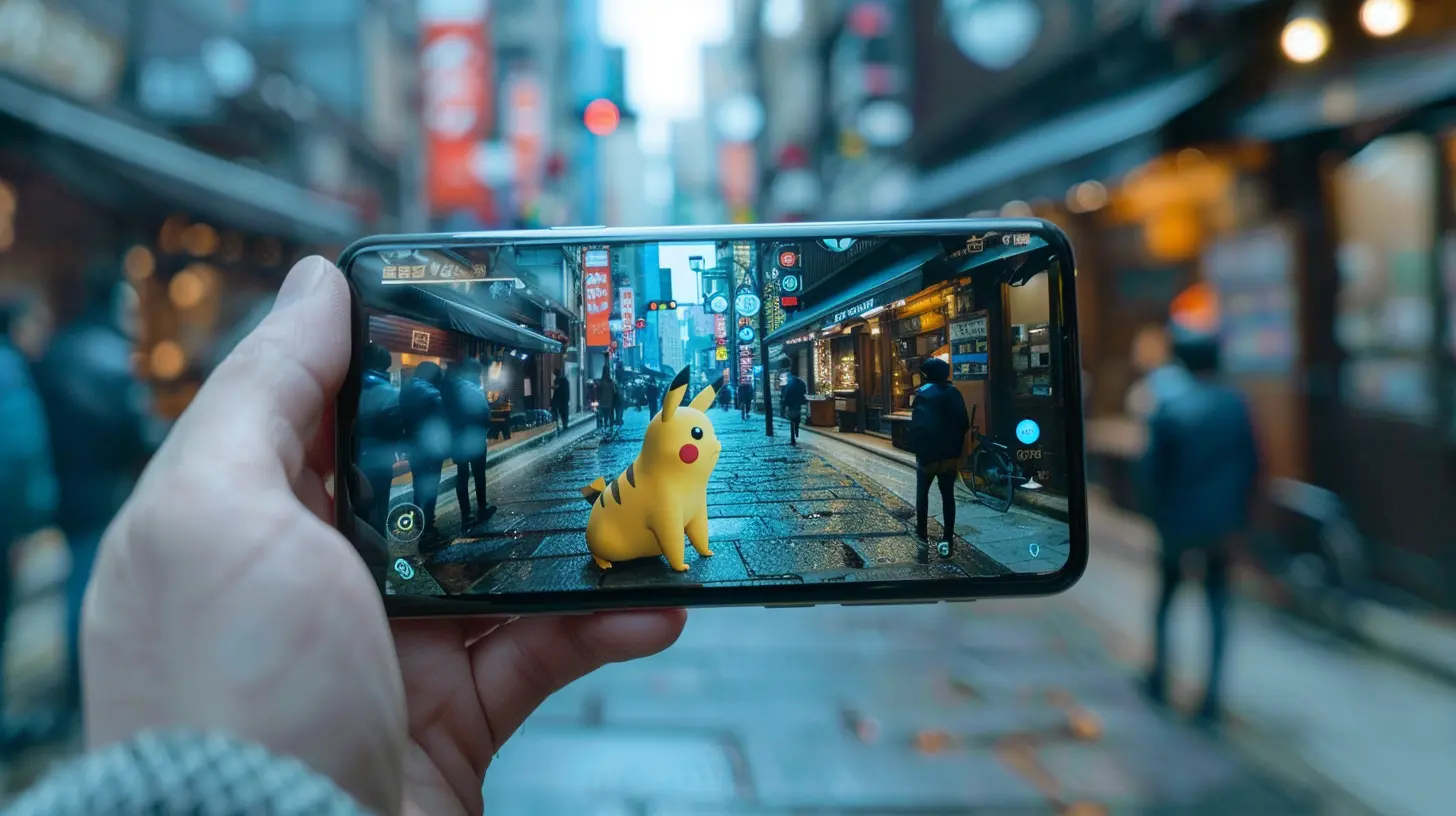
You probably already guessed it—Pokémon Go.When Niantic released Pokémon Go in 2016, it was like lightning in a bottle. Users were suddenly outside, phones in hand, actively exploring their local parks, towns, and cities to catch virtual creatures. Pokémon Go proved that AR could be more than just a gimmick. It could drive real engagement, blur boundaries, and most importantly—be fun.
And what followed was a realization: AR wasn’t just a fleeting trend. It had a serious part to play in the future of game development.
Why AR Has Developers Sitting Up Straight
Let’s get into the nitty-gritty. Game developers aren’t just flirting with AR—they’re going all in. Here's why:1. Enhanced Immersion
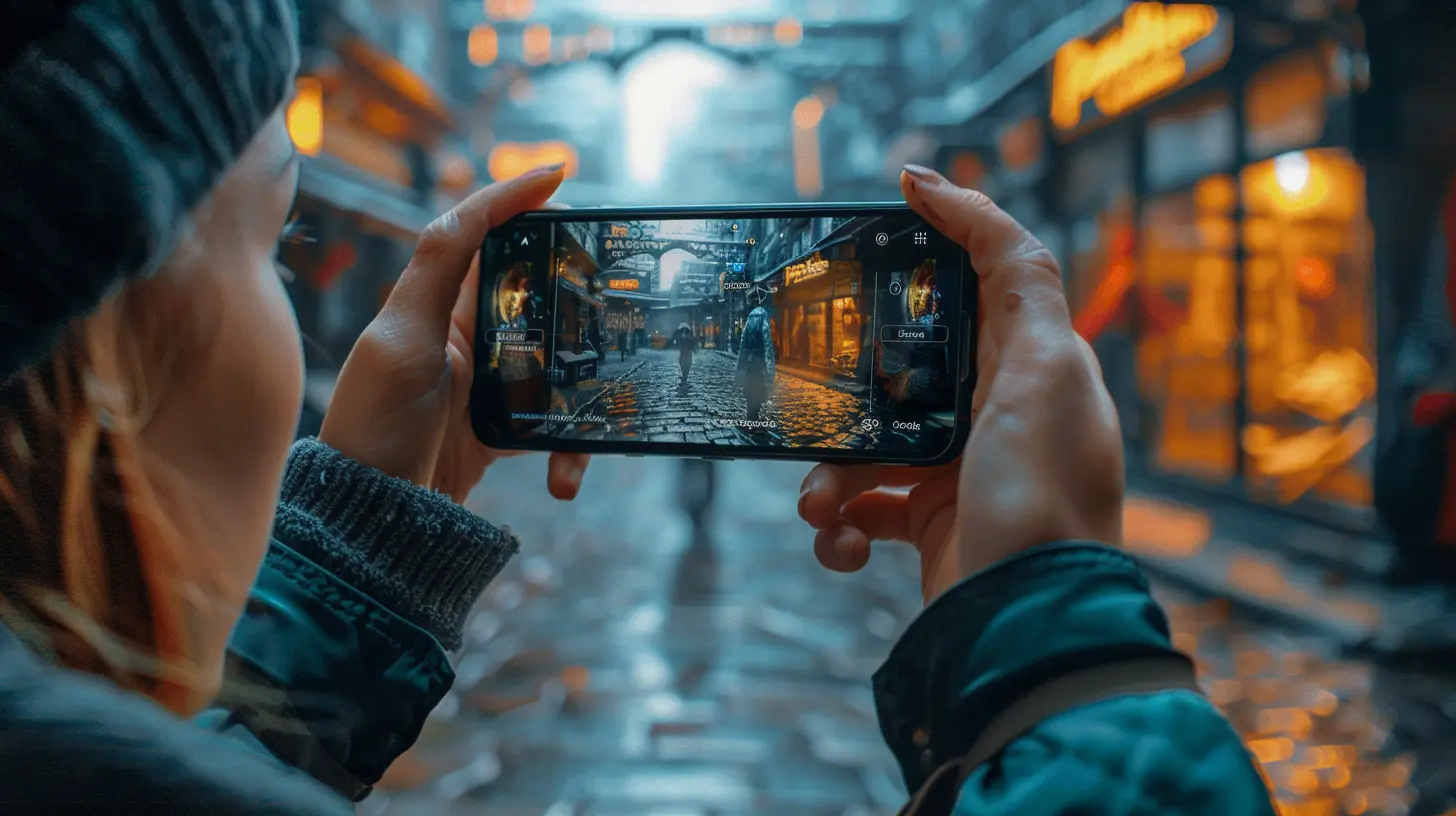
Traditional games can get immersive, sure. But AR turns up the dial. By integrating real-world environments, players experience stories and gameplay in a fresh, personal way.Imagine you're playing a zombie survival game, and your kitchen suddenly becomes the battleground. Spooky, right? That’s the kind of immediate, physical presence AR delivers.
2. New Gameplay Mechanics
AR forces developers to think outside the (console) box. Standard mechanics like jumping, shooting, or puzzle-solving take on new life when they depend on your physical surroundings.Ever heard of "space-based" gameplay? That’s when your living room layout or your walk to the store becomes part of the game. Think escape rooms, but they actually happen in… your bedroom.
3. Social Connectivity
AR games have a way of bringing people together—physically. Unlike most online games where you're solo behind a screen, AR games often require movement and real-world interactions.Developers can now build game mechanics that rely on teamwork, location-based quests, or even spontaneous player meetups. Those community-driven moments? They're gold for long-term engagement.
4. Sensor-Fueled Precision
With the power of gyroscopes, GPS, accelerometers, and even LiDAR, AR gaming can be scary accurate. This gives developers tools to create tighter, more responsive games.From tracking your physical movement to detecting surfaces for object placement—this added precision opens up doors to new types of gameplay previously impossible.

AR Game Genres That Are Gaining Traction
AR isn’t a one-size-fits-all tech. It’s versatile, and developers are experimenting across several genres:1. Location-Based Games
These are the trailblazers. Games like Harry Potter: Wizards Unite, The Walking Dead: Our World, and yes, Pokémon Go tap into your real-world location to create dynamic experiences.Missions, battles, and events are tied to where you are in the real world. And that always keeps the game feeling “alive.”
2. AR Puzzle and Mystery Games
Ever played a mystery game where clues are hidden in your living room? Games like ARia’s Legacy do just that. These experiences turn your space into a puzzle playground.It’s like being inside a detective novel—with your coffee table doubling as the crime scene.
3. Tabletop Enhancers
AR can also bring classic tabletop games to life. Games like Tilt Five mix board gaming with holograms, letting dragons actually appear on your map and interact with physical pieces.Dungeons & Dragons meets Star Wars? Yes, please.
4. AR Sports and Fitness Games
Why not make exercise fun? With AR, developers are gamifying fitness in clever ways. Apps like Zombies, Run! make jogs more thrilling by simulating a zombie apocalypse chasing you. You run faster—or else.It turns fitness into a game, and honestly, that's the motivation boost we all need.
Tools and Platforms Developers Are Using
Want to build an AR game? You need the right toolbelt. Luckily, developers today have powerful platforms at their disposal:◆ Unity and AR Foundation
Unity is already a go-to game engine, and with AR Foundation, developers can build AR experiences effortlessly for both iOS (ARKit) and Android (ARCore). It supports plane detection, light estimation, and more.◆ Unreal Engine
Unreal isn’t just for high-end PC games. Its robust system supports stunning AR visuals and is used widely in both mobile AR and mixed reality experiences.◆ Apple’s ARKit and Google’s ARCore
These are the mobile AR platforms that allow phones to detect surfaces, understand depth, and interact with the real world. They’re essential when developing AR games for smartphones.◆ Vuforia
Vuforia has made it easier for developers to integrate image recognition and object tracking into their games. Want your game character to pop out of your cereal box? Vuforia’s your friend.
Challenges in AR Game Development
It's not all sunshine and Pikachu. Developers face some real hurdles when building AR experiences:⚠️ Hardware Limitations
Not everyone owns a high-end smartphone or AR headset. Creating an experience that runs well across multiple devices can be a pain.⚠️ Battery Drain
AR apps chew through battery life like crazy. This can kill a session before players can even finish a level.⚠️ Physical Safety
Remember all those players walking into fountains or traffic while playing Pokémon Go? Yeah. Developers now have to design with physical safety in mind.⚠️ Environment Variables
Lighting, cluttered spaces, or even a cloudy sky can mess with AR tracking. Making a consistent experience across unpredictable environments is like solving a puzzle blindfolded.The Future Is Looking Bright—and Wild
AR is still in its foundation stage. But future advancements are going to shake things up even more.🚀 AR Glasses Will Be a Game-Changer
Once AR glasses like Apple Vision Pro, Magic Leap, and Meta’s Ray-Ban Stories go mainstream, AR gaming will level up. Forget holding your phone—your whole field of vision becomes a display.Imagine multiplayer battles where spells fly around your living room or alien ships land on your rooftop. The future isn’t far off.
🚀 Persistent AR Worlds
Developers are working on “persistent” AR games—worlds that continue evolving even when you’re not playing. It’s like an MMO but tied to your real-world geography.🚀 AI-Driven NPCs
With AI making waves, expect AR NPCs (non-playable characters) that interact with you uniquely based on your behavior. Kinda like having your own in-game sidekick who learns your habits.
Final Thoughts
AR isn’t just a fancy add-on anymore—it’s fast becoming a foundational element in game development. From making our cities into fantasy battlegrounds to turning workouts into survival quests, it's clear that AR is reshaping how we play—and how we connect.Game developers who embrace AR aren’t just creating games; they’re crafting realities layered over our own. And that’s a powerful, imaginative place to be.
If you’re into game dev, now’s the time to experiment. If you’re a gamer, buckle up. Because whether you're defending your backyard from invaders or racing dragons down your hallway, one thing’s for sure—AR is making the impossible possible.
all images in this post were generated using AI tools
Category:
Augmented Reality GamesAuthor:

Jack McKinstry
Discussion
rate this article
2 comments
Quincy McKee
Augmented Reality is revolutionizing game development, pushing boundaries and enhancing player immersion. As developers embrace this technology, we can expect innovative gameplay experiences that blend the real and virtual worlds, ultimately transforming how we interact with games. Exciting times ahead!
December 20, 2025 at 4:56 AM
Jack McKinstry
Thank you for your insightful comment! Indeed, augmented reality is poised to redefine gaming experiences, merging reality and imagination in thrilling new ways. Exciting times indeed!
Elias Estes
Fascinating insights! I'm curious about how developers balance immersive AR elements with gameplay mechanics. What challenges do they face in integrating real-world interactions? Can't wait to see how AR continues to evolve and shape the gaming landscape in the future!
December 14, 2025 at 3:29 AM
Jack McKinstry
Thank you! Developers often face challenges like ensuring intuitive interactions, maintaining user engagement, and optimizing performance. Balancing immersive AR with gameplay mechanics requires careful design to enhance the experience without overwhelming players. Exciting times ahead for AR in gaming!