How Game Currency Became a Real-World Asset
21 May 2026
Video games have changed the world. No longer are they just pixels and polygons on a screen. Today, they are rich digital universes with their own economies. And here's the wild part — the virtual currency used in these games is now more than just in-game credits. It's becoming a full-blown asset in the real world. Yep, game currency has stepped out of the screen and is making moves in real economies.
Let’s dive into how all this happened — and why it actually makes a lot of sense.
The Humble Beginnings of Game Currency
Remember those good old days when we used to collect coins in Mario or stack up gold in World of Warcraft? Back then, game currency was just a way to keep score or buy in-game power-ups. It had no meaning outside the digital world. You couldn’t exactly walk into a store and buy a soda with your stash of Rupees.But then something shifted. People started realizing that time is money — and they were spending A LOT of time in games.
Time Is Money... Literally
Think about it. Grinding in a game like RuneScape or GTA Online takes hours — even days. Some players were doing this full-time. They became experts at farming gold, gathering resources, or unlocking rare skins. Others didn’t have the time, but they had the cash. So guess what? A market was born.Players began trading real money for in-game currency.
At first, it was a black-market thing. Forums, shady sites, PayPal deals in the DMs. The game developers weren’t too happy about it. But the demand was real. And where there’s demand, there’s business.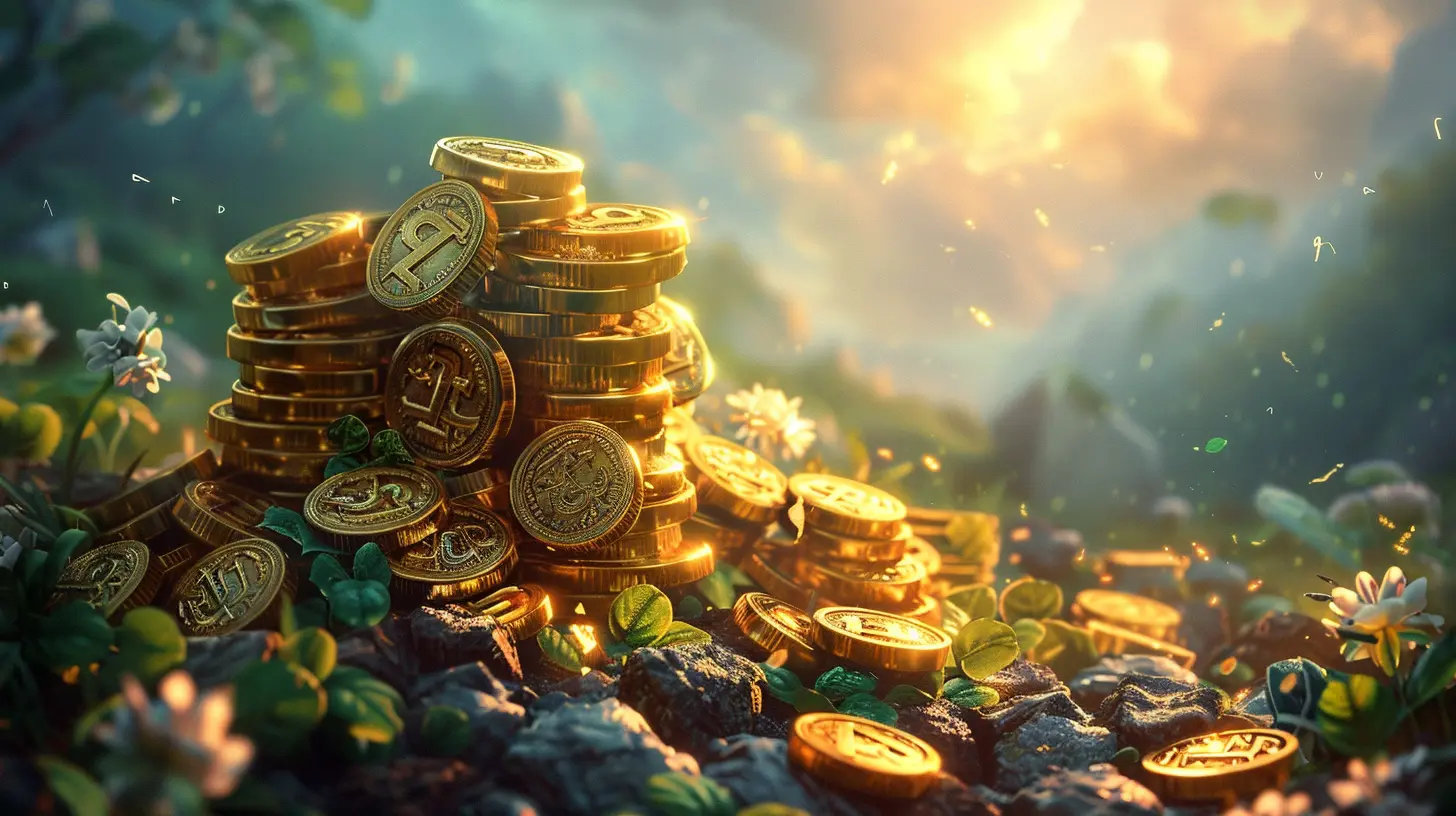
Enter: The Gaming Economy
Soon, an entire ecosystem started forming around in-game currencies. People could buy and sell gold, credits, V-Bucks, tokens, and more. Suddenly, in-game money had out-of-game value.Games like:
- World of Warcraft (WoW Gold)
- Counter-Strike: Global Offensive (Weapons and Skins)
- Fortnite (V-Bucks)
- GTA V (Shark Cards)
- EVE Online (PLEX currency)
...all had thriving real-world marketplaces.
EVE Online, in particular, is famous for its space economy — where a ship costing millions of in-game ISK could actually be estimated at thousands of dollars in real-world value.
Insane? Maybe. But no more insane than the stock market, when you think about it.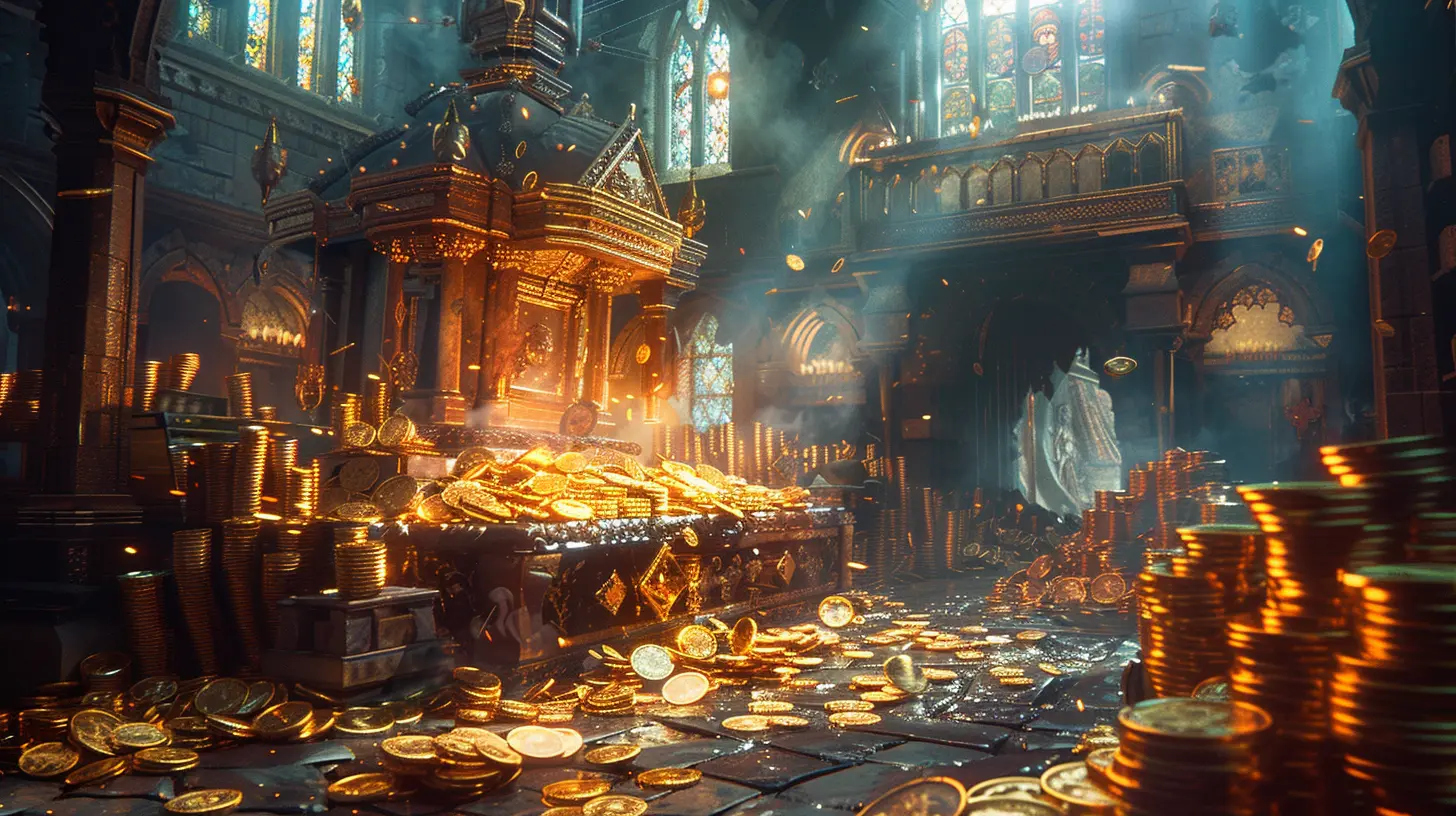
Virtual Jobs Became Real Jobs
Here’s where it gets even crazier: people started earning a living, a real paycheck, by playing games.We’re not just talking about pro esports athletes or YouTubers. We're talking about in-game traders, item flippers, bot developers, and gold farmers. Some built entire businesses buying and selling digital assets.
Take gold farming in MMORPGs. Players in countries like China, the Philippines, and Venezuela — where economic conditions were tough — began farming in-game currencies and selling them for USD to Western players who didn’t want to grind.
For many, this wasn't just a side hustle. It was survival. Real income from virtual labor. Talk about the 21st-century gold rush.
Developers Catch On — And Cash In
Initially, game developers tried to stop this. They banned accounts, shut down trades, and issued stern warnings. But eventually, some of them thought, “Hey… why fight it, when we can profit from it?”Smart move.
Games started offering legal ways for players to buy in-game currency. Microtransactions became the norm. Want to level up without the grind? Pay $5. Need a new character skin? That’s $10.
Suddenly, game devs were raking in billions annually.
Epic Games made over $9 billion in its first two years of Fortnite — largely through selling V-Bucks. Players weren’t just buying a dance emote. They were investing in their digital identity.
NFTs and Blockchain: The Game Changer
If you thought in-game gold was a big deal, wait until you hear about Web3.Blockchain technology introduced the idea of true ownership in games. Now, game items and currencies could be tokenized — turned into NFTs (Non-Fungible Tokens). This meant players could buy, sell, and trade assets freely, without the approval of game studios.
Imagine owning a sword in a game that’s recorded on a blockchain. It’s yours. Not the developer’s. You can sell it, hold it, or use it in another game that supports it.
Games like Axie Infinity exploded in popularity because of this. Players in countries with low wages began using the game as a steady income source. Buying, breeding, and battling Axies became a job. Which sounds totally bonkers, but also kind of genius.
The Rise Of Play-To-Earn (P2E)
Play-to-Earn is probably the biggest buzzword in gaming right now. The concept is simple:> Instead of just playing for fun, you play and earn.
And we’re not talking about earning XP or fake coins. We’re talking about blockchain-based tokens that have actual dollar value.
Play-to-Earn has flipped the script. Games are no longer just entertainment — they’re becoming platforms for economic opportunity.
Want a case study? Axie Infinity again. At its peak, some players were earning up to $1,000 a month. That’s more than the average salary in many countries.
P2E isn’t just a trend. It’s the future.
Virtual Currency, Real Responsibilities
But it's not all sunshine and rainbows.Turning game currency into a real-world asset brings complications too. For one, there's regulation. When real money is involved, so are taxes, fraud risks, and security issues. Governments are slowly catching on and trying to figure out how to handle digital economies.
Plus, there's the risk of burnout. Turning your favorite hobby into a job? Not always as fun as it sounds.
Still, it’s a path many are willing to walk, especially when global economies are unstable.
Why It Matters
This shift tells us something huge: the digital world and the physical world are blending. And it’s not just games. It’s the entire internet experience.Just like remote work became the norm post-2020, digital economies are becoming valid sources of income. What was once “just a game” can now pay your rent, buy your groceries, and even fund your dreams.
Game currencies are no longer child’s play — they’re assets. And that's empowering.
What’s Next For Game Currency?
So where does it all go from here?Well, a few things are happening:
1. Interoperability between games – Imagine using your Fortnite coins in Minecraft. It’s coming.
2. Regulations and taxation – Governments will impose laws, which could legitimize or complicate real-world trading.
3. More full-time gamers – As the gig economy grows, expect more people to treat gaming as a job.
4. Gamified investing – Platforms will blend finance and fun, making it easier for players to invest while they play.
And let’s be honest — the idea of getting paid to play? That’s the dream, right?
Final Thoughts: We’ve Leveled Up
Game currency isn’t just points on a screen anymore. It’s become a bridge — a digital bridge to real-world opportunities. From side gig to career path. From hobby to hustle. This evolution is reshaping how we think about time, money, and even value itself.So whether you're farming gold in WoW, trading skins in CS:GO, or breeding digital monsters in a blockchain game — remember this: you’re not just playing. You’re participating in a new economy.
And who knows? Maybe the next time someone tells you “stop wasting your time playing games,” you can smile and say, “I’m actually building my future.
all images in this post were generated using AI tools
Category:
In Game EconomyAuthor:

Jack McKinstry
Discussion
rate this article
2 comments
Cooper Lane
It's fascinating to see how game currency has evolved. This shift reflects our changing relationship with digital worlds and real value.
July 31, 2026 at 4:09 PM
Jack McKinstry
Absolutely, it's intriguing how game currency has transitioned into a form of real value, highlighting our deeper connection to digital economies.
Jack Valentine
In a world where pixels dance and dreams collide, currency leaps from screens to lives. What was once mere play now shapes our days, as virtual coins weave into reality. A new era dawns, where value knows no bounds...
May 26, 2026 at 3:10 AM
Jack McKinstry
You've captured the essence perfectly. The transition from virtual to real value is truly reshaping our understanding of currency. Exciting times ahead!