How Game Currency Exchange Rates Affect Player Experience
1 March 2026
In the pixel-painted lands where dragons soar and avatars gear up for digital wars, there lies a subtle yet powerful force often overlooked—game currency exchange rates. Yep, that’s the stuff you spend in-game to buy weapons, armor, cosmetics, or even a cute virtual pet. But behind every gold coin and shiny gem, there's a hidden economy pulsing like a heartbeat beneath your favorite MMORPG or mobile RPG. And as it turns out, how these currencies are balanced and exchanged can drastically affect how players—like you and me—experience the game.
Grab your controller (or mouse), because we're diving into the unsung poetry of pixels and prices!
The Digital Economy: More Than Just Numbers
Before we get super deep, let’s clear the air. What is an exchange rate in a game, exactly?Well, think of it like this: you’ve got real-world cash in hand. You want to buy in-game coins, gems, or credits. But here's the trick—the value you get isn’t always 1:1. One dollar might get you 100 gold in one game, and only 10 gems in another. Not only that, the value of these currencies—how much unlocks what—differs wildly from game to game.
So, when we say "currency exchange rates," we’re talking about two things:
- The rate at which real money converts to game currency
- How that game currency translates into in-game goods or boosts
This digital alchemy can make or break your gameplay, whether you're a casual mobile player or a hardcore grind-hunter.
The Psychological Price Tag
Ever felt more tempted to buy 1,000 crystals than spend just $9.99? That’s not an accident. Game developers are masters of illusion—turning money into magic with clever math.The Illusion of Value
Let’s say for $1 you get 100 gems. But spend $10 and you get 1,200 gems. That’s an extra 200 bonus gems, baby! Sounds like a deal, right?But here’s the kicker: the in-game items don’t scale the same way. That fancy sword might cost 1,500 gems, forcing you to either:
- Spend more real money just short of the target
- Grind for days to make up the gap
Suddenly, you're in a loop of chasing value, even if you didn’t mean to spend so much. It's like walking into a candy shop with a dollar and realizing everything good costs just a little more.
Pay-to-Win or Play-to-Grind?
Game currencies split players into two camps:1. The Spenders who buy their way to power
2. The Grinders who earn every coin through gameplay
Let’s talk about the balance. When exchange rates are skewed towards spenders, the game risks going full "Pay-to-Win." That’s when skills take a backseat, and wallets become king.
Have you ever battled someone online and thought, “How the heck is their gear THAT good?” Chances are, they're rocking premium gear bought with in-game currency that came straight from their credit card.
When Grinding Becomes a Chore
Now, on the flip side, if the exchange rate makes earning currency through gameplay a painfully slow process, it sucks the fun right out. You’re forced into endless grind cycles, logging in daily just for tiny scraps of gold.It’s like working overtime for virtual pennies.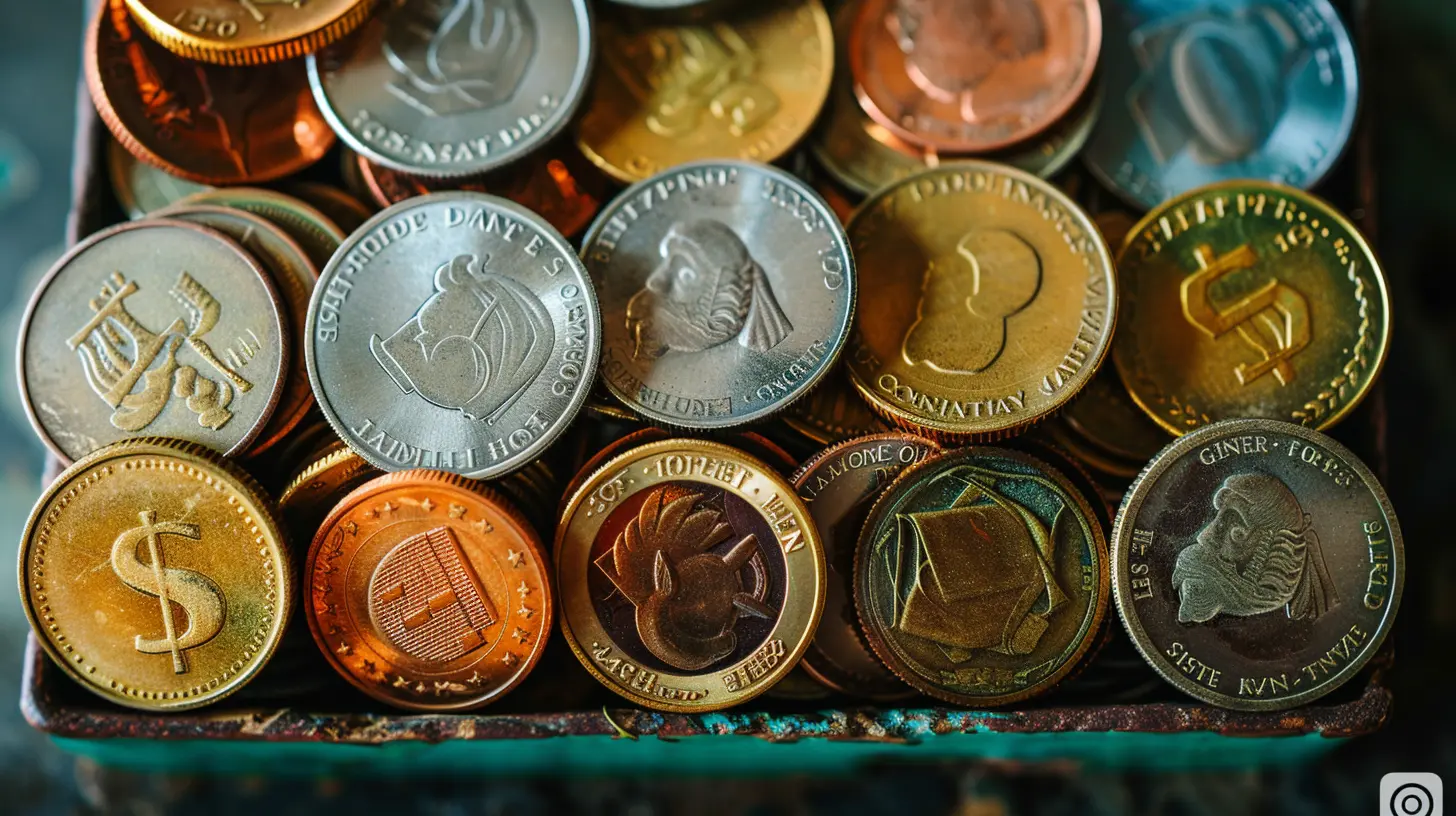
Inflation in Fantasyland
Believe it or not, virtual economies face inflation too. Some games have player-driven markets where exchange rates are impacted by supply and demand.When Coins Lose Meaning
Too many coins in circulation? Boom—everything gets more expensive. Veterans sit on mountains of wealth while newbies can’t afford a healing potion. It’s the digital equivalent of carrying a wheelbarrow full of money to buy a loaf of bread.Balancing this economy requires constant tweaking. Developers work behind the scenes like central bankers, adjusting drop rates, nerfing broken farming spots, or changing shop prices.
And when they get it wrong? Oh, trust me—you’ll feel it.
Cross-Game Currency Conversion: The New Frontier
Ever played a game where your currency carries over to a sequel or a connected title? Some big studios are trying it out. Think of it like frequent flyer miles for gamers.But here's the twist—sometimes the exchange rate changes between games. What was once a gold mine becomes copper spare change. Players feel cheated. That armor you bought with 500 coins in Game X now costs 1,200 coins in Game Y? Ugh, come on!
It’s like going on vacation, converting your savings, and realizing they're worth half as much in the new country.
Regional Pricing & Real-World Inequality
Let’s get real for a second. Not every player’s dollar is worth the same. Some regions have tougher currencies, and developers sometimes adjust prices based on region.Sounds fair, right?
Except sometimes it leads to...
- Players creating new accounts in cheaper regions
- Unofficial marketplaces thriving
- Unbalanced competition
Regional exchange rates can throw a wrench into fair play, especially in global multiplayer communities.
The Emotional Rollercoaster of Microtransactions
Microtransactions are those tiny purchases—usually for cosmetics, boosters, or skips. But when the gem-to-dollar ratio is off, these small buys start stacking up... fast.“Just One More Dollar…”
It starts with $1. Then $5. Then you’re staring at a monthly statement with $100 in “dragon stones” and “energy packs.”That exchange rate lulled you into a false sense of affordability. Like a slot machine that hands you tokens instead of nickels, it distances you from the real cost.
But hey, at least your character looks fabulous, right?
The Social Impact: Have vs. Have-Not Players
Game currency also affects social status inside games. With premium currency, you can:- Buy flashy skins
- Get exclusive content
- Access VIP areas or perks
Suddenly, a divide forms between whales (big spenders) and minnows (casual players). It's like high school all over again—some folks are flexing in Gucci capes while others rock hand-me-down chainmail.
FOMO: The Ultimate Player Trap
Limited-time offers, event-exclusive currencies, and countdowns pressure players into spending. If the exchange rate isn’t friendly, you either miss out or cough up big $$$.It’s designed to hit where it hurts—your pride, your progress, your place in the clan.
When Developers Get It Right
Not everything’s doom and gloom. Some games totally nail their currency systems, making it fair, fun, and financially stress-free.Here’s what works:
- Transparent pricing
- Balanced in-game earning
- No paywalls
- Alternative ways to earn premium currency (watch ads, complete missions, etc.)
Games like Warframe, Path of Exile, and even Fortnite have gotten props for being player-friendly with their economies. And players stick around longer when they feel respected, not shaken down for lunch money.
Tips for Navigating Currency Chaos
Feeling overwhelmed? Don’t worry—you’re not alone. Here are some quick pointers:1. Know the Value
Before spending, understand what 100 gems really gets you. Don’t throw money at mystery boxes.2. Look for Deals
Games often run sales or bonus currency periods. Wait for those juicy x2 events.3. Budget Yourself
Set a monthly cap, even if it’s low. Trust me, future-you will thank you.4. Use Community Tools
Check forums, Discords, and Reddit threads. Fellow players often break down currency worth better than the devs do.The Currency of Fun
Here’s the thing: at the end of the day, games are supposed to be fun, right? Not spreadsheets and financial regrets.Game currency exchange rates are the invisible hands molding your experience. They control how fast you progress, how rewarding the grind feels, and how fair the world seems. When done right, they enhance immersion. When done wrong, they break trust.
So next time you load up your favorite game and see that shiny bundle of gems, take a second. Peek behind the curtain. Ask yourself—what does this currency cost me, not just in dollars, but in joy?
And if the math ain’t mathing, maybe it’s time to play something else.
Conclusion: Balancing the Scales of Pixel-Based Power
Game developers walk a tightrope every day. Push too hard for cash, and players bail. Make it too easy, and revenue sinks. Currency exchange rates aren’t just game mechanics—they’re the soul of in-game economies.As players, when we understand the impact of these systems, we make smarter choices. We protect our wallets and our time. We advocate for fairness.
So, whether you’re dropping coin for gear or grinding for glory, remember: every gold piece has a story. Just make sure it doesn’t cost you more than it’s worth.
all images in this post were generated using AI tools
Category:
In Game EconomyAuthor:

Jack McKinstry
Discussion
rate this article
2 comments
Zarek McKinley
Insightful analysis! Understanding currency rates truly enhances the gaming experience.
March 14, 2026 at 5:57 AM
Jack McKinstry
Thank you! I'm glad you found the analysis insightful—understanding these rates can indeed deepen our appreciation of game economics!
Camden McClintock
Unequal exchange rates distort fairness and player engagement.
March 8, 2026 at 4:53 AM
Jack McKinstry
Thank you for your comment! You’re absolutely right; unequal exchange rates can lead to frustration and inequity, ultimately impacting player engagement and overall enjoyment. Balancing these rates is crucial for a fair gaming experience.