How Game Economies Are Used to Build Long-Term Engagement
9 February 2026
Have you ever found yourself grinding in a game for hours just to snag that one rare sword or save up coins for that decked-out skin? Yeah, me too. That wasn’t by accident. That’s the power of game economies at work—sneakily drawing us back in, time after time. But how do these virtual economies keep us hooked so effectively? Let’s dive into the fascinating world of game economies and how they're crafted to lock in player engagement for the long haul.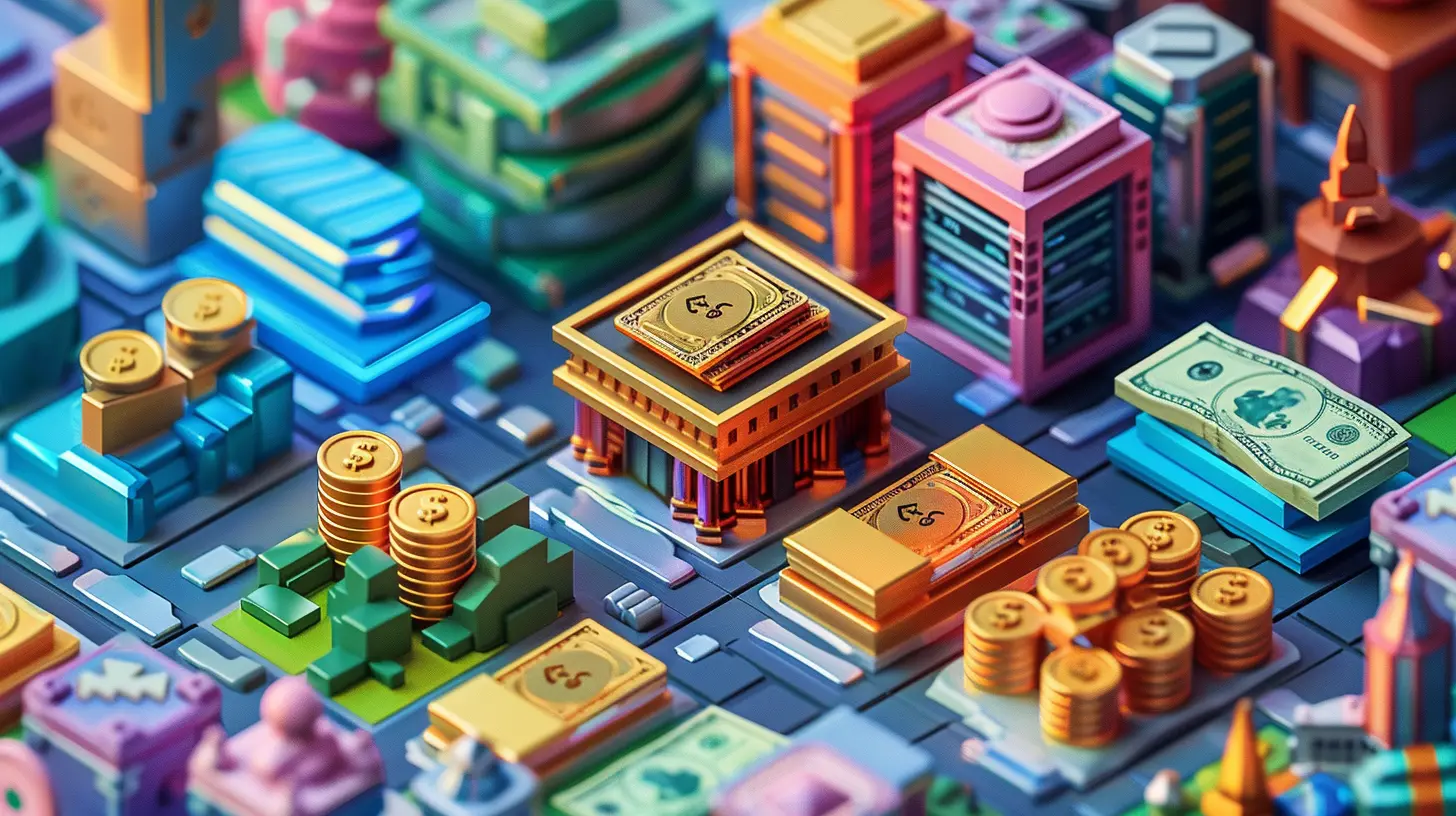
What Is a Game Economy Anyway?
Okay, let’s start with the basics. A game economy operates just like the real-world economy—minus bills and taxes (thankfully). It’s the system of value, trade, rewards, and currency in a game. This could be coins, gems, crafting materials, XP, loot boxes, or even time (yes, time is a currency too!).In a nutshell, game economies determine:
- What players earn
- How they earn it
- What they can spend it on
- How long it takes to get what they want
Games like World of Warcraft, Fortnite, and Clash of Clans have some of the most intricate economies out there. They’re not just handing out rewards—they're orchestrating elaborate systems to keep players busy, satisfied, and always yearning for more.
Why Do Game Economies Matter?
Let’s be real for a second. Games don’t want you to play for just 30 minutes and bounce. Developers need you to keep coming back, grinding, achieving, and yes—maybe even spending a little cash. Game economies are the secret sauce behind that stickiness.They matter because they help:
- Drive player motivation
- Encourage habit formation
- Inject purpose and progression
- Maintain balance and fairness
- Provide monetization opportunities
It’s like a carrot on a stick—dangle just the right reward at the right time, and players will keep chasing it.
The Psychology Behind Game Economies
Ever heard of Skinner boxes or dopamine loops? No? Well, buckle in, because things are about to get brainy.Game designers know human psychology better than most psychologists. They've mastered using variable rewards, aka random loot drops or gacha pulls, to keep your brain lighting up like a Christmas tree.
Here’s how it works:
1. Reward Schedules
Some items come easy, some don’t. This unpredictability makes rewards feel way more exciting. Think of it like a virtual slot machine—every chest you open might contain that legendary item.2. Progression Systems
We’re wired to love progress. Whether it’s leveling up, unlocking new features, or building that perfect base, progress feels good. Game economies are built to deliver this satisfaction in carefully spaced intervals.3. Perceived Value
When you earn something after hours of effort? That “thing” feels valuable, even if it's just a shiny skin that doesn’t affect gameplay. That emotional investment keeps you coming back.
Core Components of a Solid Game Economy
A good game economy isn’t just about throwing coins and loot at players. It’s a well-oiled machine with several moving parts.1. Currency Systems
Most games have multiple currencies—think coins, gems, tickets, or premium tokens. Why? Because multiple currencies add complexity and depth. You might easily earn in-game coins, but those diamonds? That’s premium currency, and you either grind hard or pay up.2. Earning vs. Spending
Balance is key. If you earn currency too fast, rewards feel cheap. Too slow? Players get frustrated and quit. The best economies walk a fine line between satisfaction and challenge.3. Scarcity and Rarity
Ever noticed how rare items look cooler? That’s no accident. Scarcity builds desire. Players are more motivated to pursue items that are hard to get—especially if their friends don’t have them.4. Player-Driven Markets
Some games, like EVE Online or the Diablo series, introduce actual trading between players. This creates complex, living economies that mirror real-world supply and demand. It’s wild—and incredibly engaging.5. Time-Based Mechanics
Time can be your biggest resource—or your biggest bottleneck. Games like Clash Royale use time locks (like upgrade or chest unlock timers) to pace your progression. This nudges players to either wait… or pay to speed up.How Game Economies Build Long-Term Engagement
Now here’s where the magic happens. Game economies aren't just for fun—they’re strategic engagement tools.Let’s break down exactly how they pull that off.
1. Progression That Feels Endless
Ever noticed how games always seem to have “just one more level” to reach? That’s designed to keep you climbing the ladder. The economy fuels this loop—earn coins, spend them to get stronger, tackle harder challenges, repeat.2. Events and Limited-Time Offers
Time-sensitive content stirs that fear of missing out (FOMO). Whether it’s a seasonal skin or a double-reward weekend, these events temporarily tweak the economy to spike engagement.3. Daily Rewards and Login Bonuses
These are classic tools for habit-building. Log in once? Cool. Log in for 7 days in a row? You get the big prize. It’s subtle psychology that builds consistency and routine.4. Player Investment Over Time
The more you grind, the more invested you feel. Your time, your effort, your loot—it all adds up. This emotional investment makes it harder to quit. You’ve built something meaningful, and walking away feels like a loss.5. Monetization That Doesn’t Feel Gross
The best economies are monetized without making players feel pressured. They offer value for money rather than pay-to-win mechanics. This keeps things fair while still driving revenue for developers.Case Studies: Games That Nail It
Let’s look at some games that absolutely crush it when it comes to their in-game economies:🎮 Fortnite
Epic Games has built a cosmetics-based economy where players willingly spend real money for cool skins, emotes, and battle passes. None of it affects gameplay, but the social and aesthetic value is off the charts.🎮 Genshin Impact
With its gacha-based system, Genshin Impact taps into RNG and scarcity to keep players pulling for new characters and weapons. Its economy is deep, layered, and incredibly sticky.🎮 World of Warcraft
WoW’s player-driven economy and layered progression systems have kept players engaged for decades. Gold farming, auction houses, profession crafting—it’s an entire virtual economy.🎮 Clash of Clans
With time-based upgrades and multiple currencies, Clash’s economy perfectly balances progression with patience. Want to speed things up? Buy some gems—but you don’t have to.How Developers Tweak Their Economies Over Time
Here’s the thing: game economies are not “set and forget”. Developers are constantly tuning them based on player behavior, feedback, and data.They may:
- Adjust drop rates to make rare items more accessible
- Introduce new currencies for new seasons
- Rebalance in-game prices to combat inflation
- Add “sink” mechanics to prevent hoarding
This ongoing refinement keeps the economy from getting stale and ensures long-term engagement stays healthy.
The Dark Side of Game Economies
Alright, let’s be honest for a sec—not all game economies are sunshine and loot chests. Some can get a little predatory. Think aggressive monetization, pay-to-win mechanics, or manipulative RNG systems.The key difference? Player respect. Good economies build trust and fairness, while bad ones break it. The minute a player feels exploited, they’ll walk—or worse, tell everyone else to steer clear.
So, What Makes an Economy "Good"?
Let’s wrap it up with a quick checklist of what makes a game economy keep players coming back for years:✅ Balanced earning and spending
✅ Meaningful progression
✅ Fair monetization
✅ Constant updates and tweaks
✅ A sense of ownership and value
✅ Encouragement for social play and competition
When all these elements come together, you've got a game that players will not only stick with—but also spend time (and maybe money) in for the long haul.
Final Thoughts
Game economies are much more than virtual cash and shiny loot. They’re smart, psychological, and purposefully designed systems that quietly guide how we play. At their best? They’re invisible engines that make games feel worth playing—every day, every season, every update.So next time you're grinding for that ultra-rare skin or debating whether to spend those hard-earned gems, just know—you're part of a brilliantly crafted economic ecosystem. And that’s kind of awesome, right?
all images in this post were generated using AI tools
Category:
In Game EconomyAuthor:

Jack McKinstry
Discussion
rate this article
2 comments
Zevon Marks
Game economies are the invisible hand of engagement, skillfully turning players into loyal consumers—proof that virtual currencies can create real-world loyalty.
February 11, 2026 at 3:50 AM
Jack McKinstry
You make a great point. Game economies do foster loyalty by blending engagement with real-world value, showing how virtual currencies impact player commitment.
Beatrix McNeely
Fascinating perspective! How do you see player behavior evolving?
February 10, 2026 at 6:04 AM
Jack McKinstry
Thank you! I believe player behavior will increasingly lean towards valuing sustainable engagement, prioritizing meaningful interactions and long-term rewards over short-term gains.