How Game Trailers Create Hype Before Release
5 September 2026
Let’s be honest: we’ve all been suckered into hype thanks to a jaw-dropping game trailer. One moment you’re casually scrolling, the next you’re watching a 90-second clip that has you mentally pre-ordering something that hasn’t even dropped yet. So, what sorcery do these trailers harness? Why do we feel chills, excitement, and sometimes even rage just from a snippet of gameplay or a cinematic teaser? Well, buckle up, because we're diving deep into how game trailers create that electric buzz long before a game even hits the shelves.
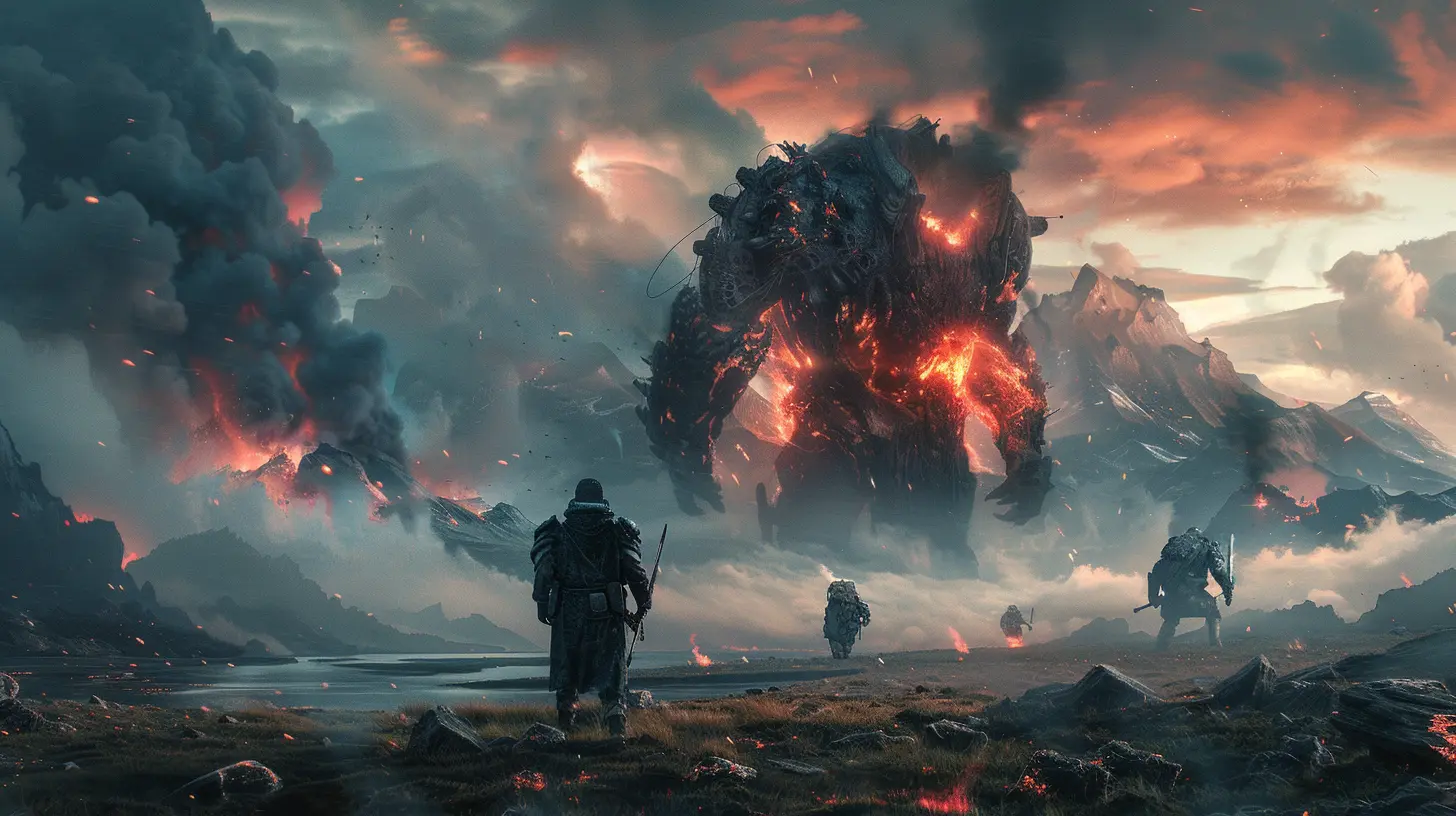
The Power of First Impressions
You know what they say—first impressions matter. In the gaming world, trailers are the equivalent of a firm handshake and killer outfit on a first date. They are the opening act, the flashy billboard, the sizzle reel of what's to come.Before we even touch the controller or read a review, the trailer sets our expectations. It tells us what kind of world we’re stepping into, what themes we’ll explore, and how badass (or not) the protagonist is. A great trailer doesn’t just show—it seduces.
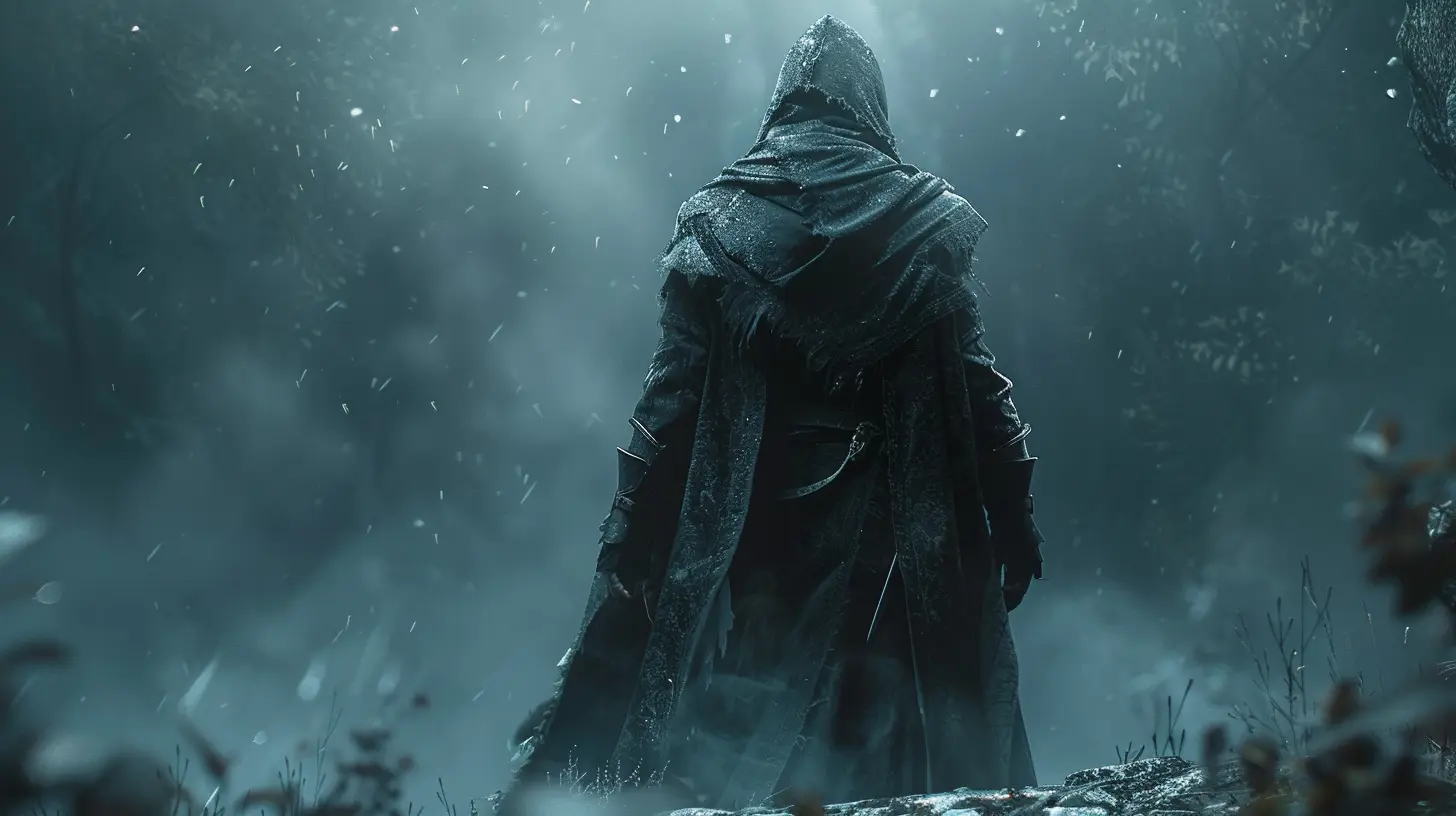
It’s All About The Cinematics (Even If You’re Not A Graphics Junkie)
Let’s face it—cinematic trailers are pure eye-candy. Sure, we all want actual gameplay, but those high-polish cutscenes? They’re irresistible.Cinematic trailers are like movie previews—they stir emotion. They don’t show every detail, but they suggest a tone. Are we getting gritty post-apocalyptic vibes or magical fantasy realness? When done right, cinematics grab attention and slap your senses. Even if you’re skeptical about the gameplay, you’ll be talking about that cinematic for months.
Remember the trailer for “Cyberpunk 2077” featuring Keanu Reeves? Yeah, that lived rent-free in our heads for way too long.
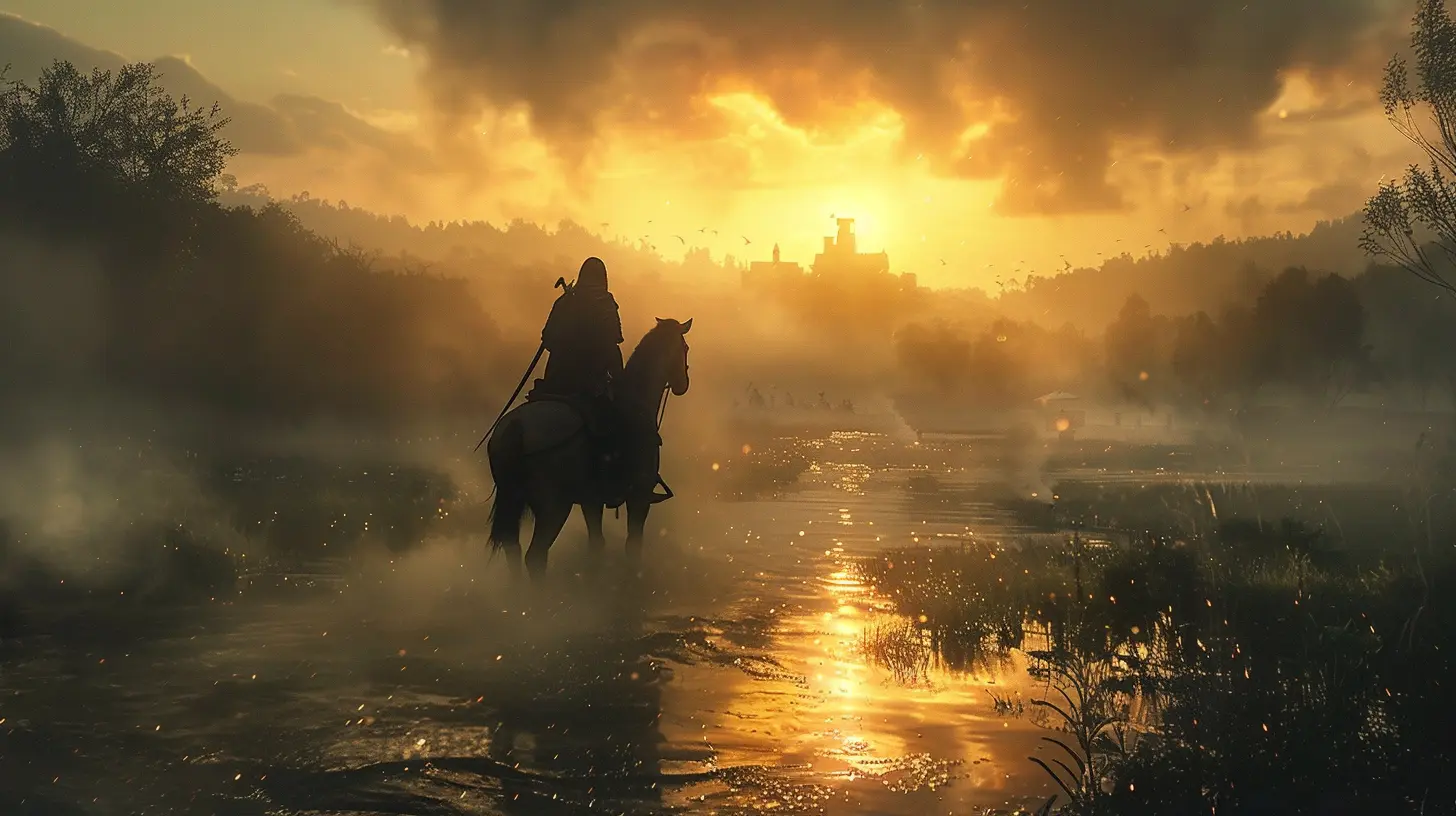
Gameplay Teasers: The Real Deal (Or So We Hope)
Now, a gameplay trailer? That’s where things get spicy. This is the meat and potatoes—the glimpse into what you’ll actually be doing once you hit 'Start Game.'But here’s the trick: even this is carefully curated. Developers don’t just show random footage. They pick the juiciest 30 seconds of combat, the flashiest explosion, or the most heart-tugging dialogue to reel you in.
Think of it like movie trailers again—ever notice how sometimes all the best jokes are packed into the preview? Same logic. They want to show just enough to make you scream “Take my money!” without giving away the whole game.
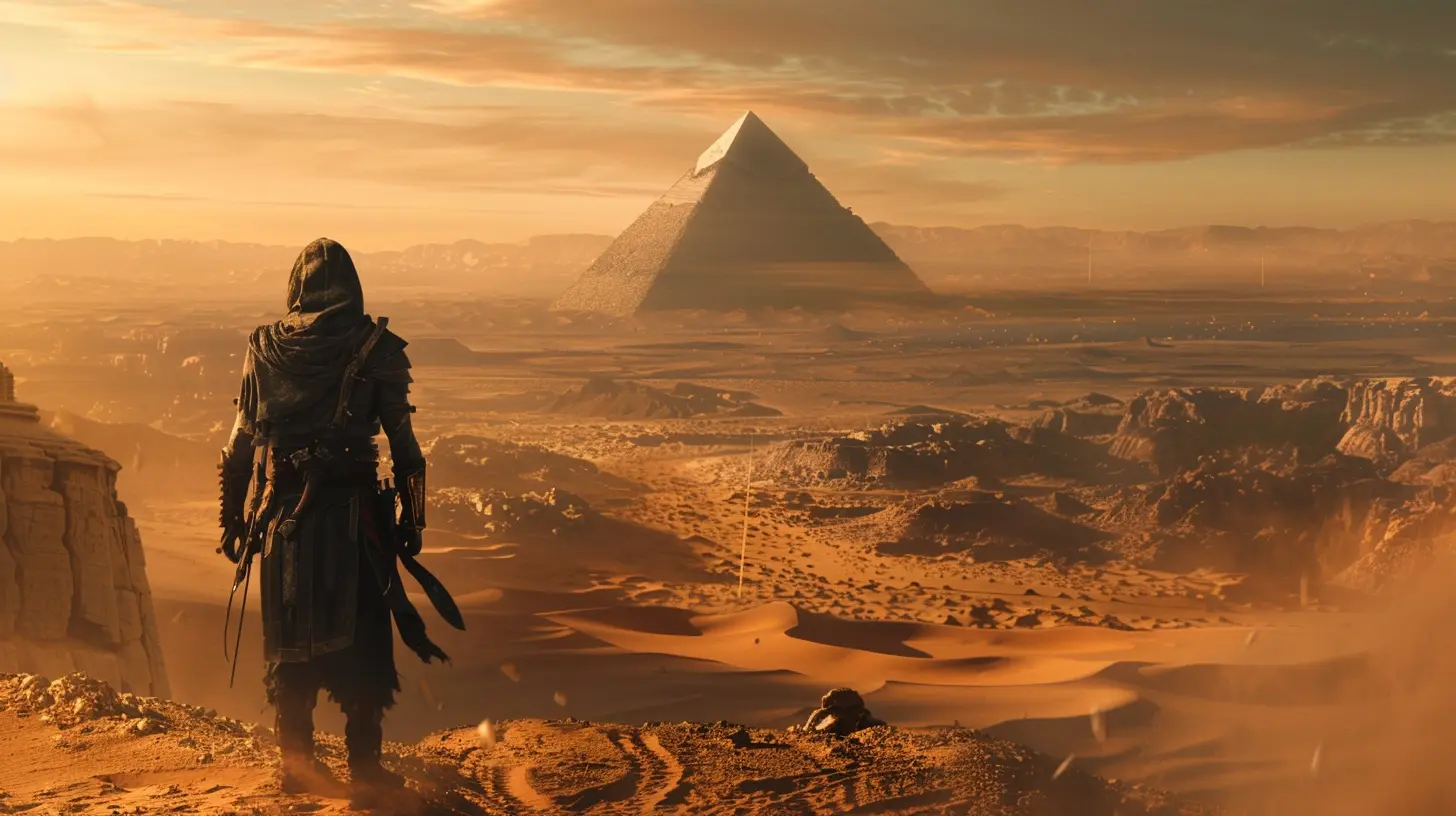
Teasers vs. Trailers: Know The Difference
Let’s put it out there: teasers and trailers aren't the same thing. Teasers whisper; trailers shout.- Teasers are usually under a minute, often revealing just the logo, a sound cue, or a single cinematic scene. They're like flirtatious winks from across the room.
- Trailers—especially gameplay ones—are meatier. They showcase characters, mechanics, story arcs, and more. They're the full-on seduction.
Sometimes teasers come out months (even years) before the game is ready, simply to stir the pot and get people talking. Think of them as tiny sparks; trailers are the fireworks.
Hype Is a Delicate Beast (And Trailers Feed It)
Hype is a double-edged sword. Done right, it builds momentum, builds community, and creates a cultural moment. Done wrong, it leads to disappointment, memes, and angry Reddit posts.Game trailers are often the match that lights the hype bonfire:
- They get shared across social media like wildfire.
- They’re dissected frame by frame on YouTube.
- They fuel speculation that keeps fans talking for months.
And it’s not just about showing the game—it’s about creating anticipation. A good trailer doesn’t show you everything. Instead, it hints, teases, and leaves you craving more.
The Psychology Behind Trailer Hype
Let’s get a little nerdy for a second. Game trailers are built to trigger emotional responses. They’re not just slapping together gameplay and calling it a day. They’re carefully crafted using psychological tricks:- Music and sound design crank up tension or excitement.
- Pacing and editing control your heartbeat.
- Character reveals trigger fan loyalty.
- Legacy callbacks hit nostalgic highs (looking at you, Final Fantasy VII Remake).
Ever wonder why you get goosebumps watching a trailer? That’s deliberate. Developers want to stir anticipation, excitement, and even emotional investment. It’s storytelling compressed into a few intense minutes.
FOMO: Fear Of Missing Out Is Real
Trailers often create urgency. “Pre-order now,” “exclusive content,” “limited edition.” You hear those phrases, and your wallet starts crying.The fear of missing out is a marketing bullet to the brain. And trailers? They’re the trigger. They’re designed to make you feel like if you don’t play this game, you’re missing out on the next big cultural moment.
Seriously, how many of us bought a game on Day One just because “everyone else is getting it”?
Viral Marketing & Social Media Frenzy
Game trailers live and die by their shareability. One YouTube drop can lead to:- TikTok reactions
- Reddit threads erupting like volcanoes
- Twitch streamers breaking it down live
- Twitter memes galore
So the trailer isn’t just a showcase—it’s content fuel. It’s designed to go viral. One great trailer can generate millions of impressions without a single dollar spent on traditional advertising.
A perfect example? The trailer for “Elden Ring.” That thing broke the internet faster than a Kardashian photo.
Fan Reactions Fuel The Fire
What happens after the trailer drops? The real madness begins. Fans start speculating, theorizing, and yes—arguing.Did you catch that hidden boss in the corner? Is that really who we think it is in the background? What engine are they using?
These reaction videos and speculative posts help keep the buzz alive. Developers want this. A trailer isn’t the end—it's just the beginning of conversation, community, and constant content.
The Role Of Influencers & Content Creators
Let’s talk influencers. These folks are the gasoline on the hype fire. When big names drop trailer reactions or analysis videos, their millions of followers jump on the bandwagon.Developers often give early access to trailers or even exclusive snippets to top-tier YouTubers, Twitch streamers, and gaming journalists. Why? Because your favorite streamer freaking out over a trailer is more compelling than any paid ad.
When Trailers Go Too Far (Or Fall Flat)
Alright, time for a reality check. Not all trailers hit. Some go too hard on cinematic fluff and forget to show any real gameplay. Others mislead, showing features that don’t even make it into the final game.Looking at you, “No Man’s Sky” (don’t worry, we still love you now).
The worst offenders overpromise and underdeliver, leading to backlash and refund requests. So yeah, trailers can create hype—but they can also stir controversy.
The Evolution of Game Trailers
Back in the day, a game trailer might just be slapped on the end of a demo disc. Now? We get 4K cinematic masterpieces with full orchestras.As gaming becomes bigger than movies and TV in many ways, trailers have evolved too. They’re not just marketing tools—they're part of the game’s identity.
You can track the tone, style, and ambition of a game through its trailer. Modern trailers are full-blown creative projects, often with budgets that rival indie films.
Final Thoughts: Trailers Are The First Boss Battle For Any Game
Before a game gets judged by frame rate, mechanics, or storyline, it must face its first boss: the trailer.It must impress gamers, intrigue observers, and spark conversations. It needs to balance mystery with reveal, storytelling with sizzle, and substance with style.
So next time you find yourself hyped up watching a trailer, remember—you’re not just watching a preview. You’re experiencing a carefully orchestrated emotional rollercoaster that’s doing exactly what it was designed to do. And honestly? We love every second of it.
all images in this post were generated using AI tools
Category:
Game TrailersAuthor:

Jack McKinstry
Discussion
rate this article
1 comments
Ziva McLanahan
Game trailers have a unique power to ignite excitement and anticipation. They not only showcase a game's potential but also create a shared experience among fans. Can't wait to see what's next!
September 12, 2026 at 4:21 AM