How Limited-Time Items Affect In-Game Market Dynamics
28 February 2026
Ever sat staring at your screen, debating whether to buy that flashy, exclusive skin that’s only available for the next 48 hours? Yeah, we’ve all been there. Those limited-time items have become a staple in modern gaming, and whether you love them or absolutely hate what they do to your bank account, there’s no denying they’ve got a huge role in shaping in-game economies.
Let’s dive headfirst into how limited-time items throw curveballs into digital game markets and why developers keep using them to stir the pot. Spoiler alert: It's all about psychology, supply and demand, and some clever business strategy.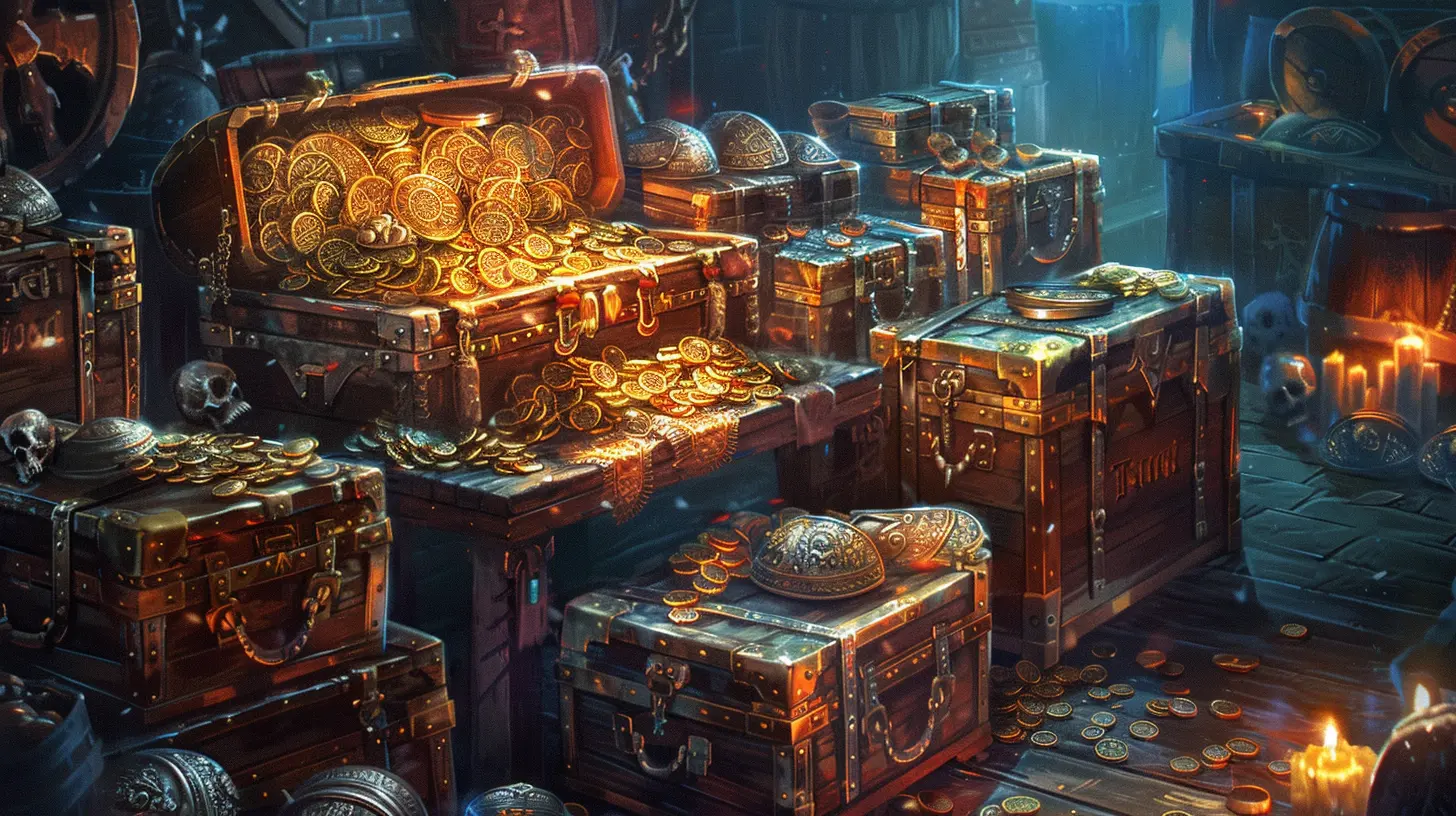
What Are Limited-Time Items, Really?
Alright, before we get too deep, let’s make sure we're all on the same page.Limited-time items are exactly what they sound like — in-game items that are only available for a short window of time. Maybe it’s a seasonal event like Halloween, a promotional crossover, or a battle pass that expires in a few weeks. Once that window closes, poof! The item’s gone — sometimes forever, sometimes held behind a vault until its surprise return.
They could be:
- Skins (weapons, characters, vehicles)
- Emotes or animations
- Badges and titles
- Weapons or tools
- Game modes or maps (less common)
The important thing? Scarcity. It’s what makes them valuable.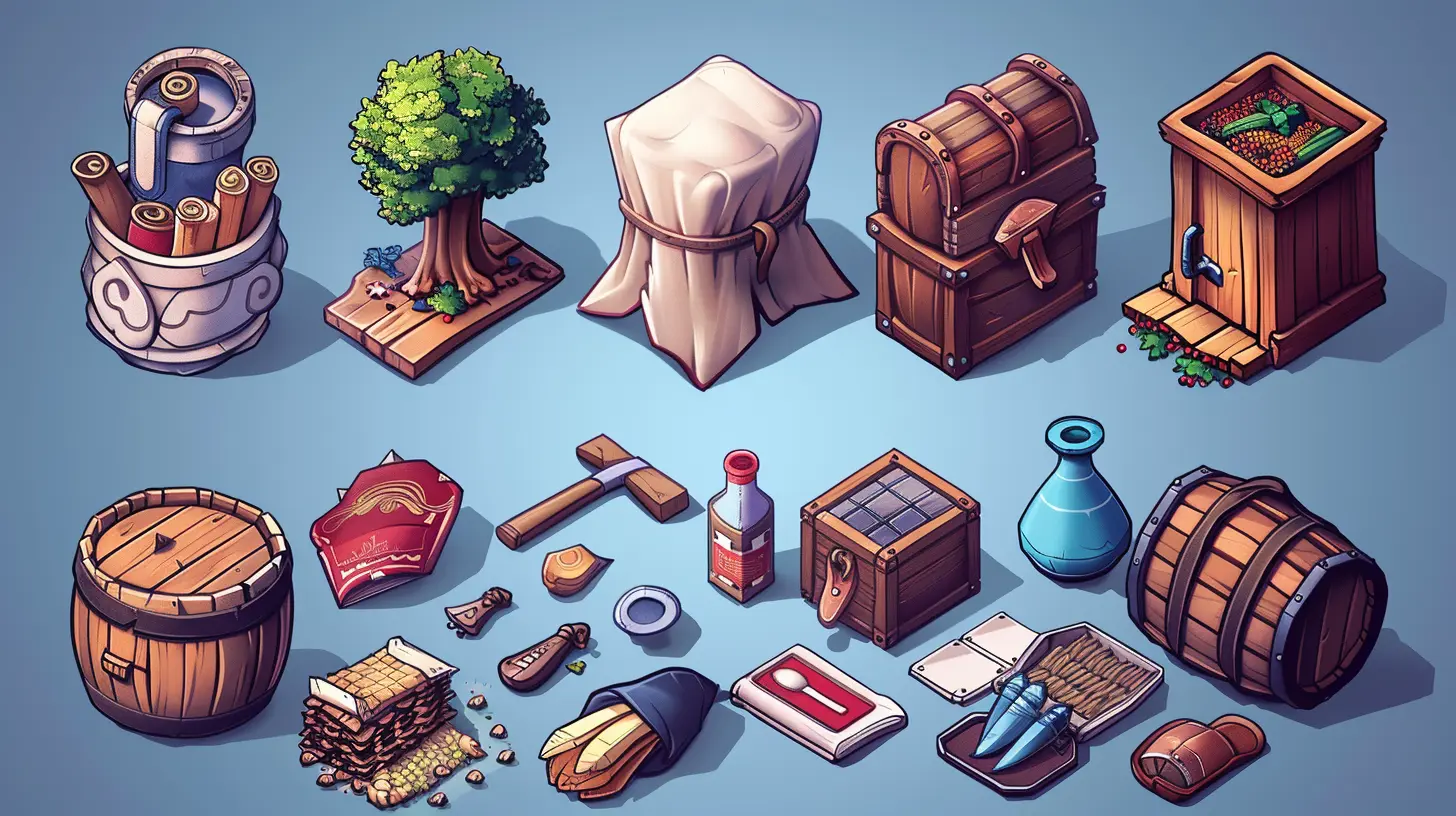
The Psychology Behind Limited-Time Items
Alright, let’s talk brains. More specifically, how game devs tug on our psychological strings.FOMO: The Master Manipulator
Fear of Missing Out (FOMO) is a powerful force. Ever seen a countdown timer sitting next to a brand-new, exclusive cosmetic? That’s no accident.You think, “Well, I don’t need it…but what if it never comes back?” That panic starts to creep in, and boom — you’re reaching for your wallet or grinding like crazy until time runs out.
Scarcity = Value
We, as humans, value things more when they're rare. It’s basic supply and demand. If something’s everywhere, it’s not special. But if only a handful of people in the game have that ultra-rare holiday skin from 2016? Suddenly, that item is gold.This perceived prestige fuels player motivation — people want to stand out.
The Economic Ripple Effect: In-Game Market Dynamics
So how exactly do limited-time items twist and tangle the inner workings of a game’s economy?Let’s break it down:
Supply, Demand, and Digital Gold
In traditional markets, value is decided by supply and demand — and it’s no different in virtual economies. Limited-time items instantly shrink the supply. There’s a set amount of time to get them, and if they’re cosmetic-only (meaning they don’t give gameplay advantages), their value is driven purely by how much players want them.Take Rocket League, for example, where rare skins and wheels can be traded. A limited-time decal might go from near-worthless to absurdly valuable over time purely based on its exclusivity and the fact that newer players can’t obtain it anymore.
That’s digital gold right there.
Inflation and Deflation in Player Markets
When new limited-time items hit, players start dumping others into the market. This can cause older items to temporarily deflate in value as demand shifts. But once the new hype dies down, some older items — if they’re also limited — can inflate again due to renewed interest or re-released versions.It’s not unlike the stock market. There are peaks. There are crashes. And savvy players who understand timing can make a killing in value trades.
How Developers Use Limited-Time Items as Strategic Tools
Game studios are smart — these folks know exactly what they're doing. Limited-time items aren’t just for flair. They're key puzzle pieces in driving engagement, revenue, and long-term loyalty.Increasing Player Engagement
Drop a time-sensitive item in the store, and bam — instant spike in logins. Players don't wanna miss out. It keeps the player base active, especially during lulls between major updates. Seasonal events are brilliant at this — look at Fortnite’s frequent themed events and cosmetics. Every one is a goldmine of engagement.Boosting In-Game Spending
Let’s face it — limited items make people spend. Whether it's virtual currency or real-world cash, that ticking timer makes the purchase feel urgent. It's like a flash sale, and it's addictive.Games like Apex Legends and Valorant nail this balance. They sell high-quality skins for a premium, but only for a short time. And players pay. A lot.
Creating a Collector’s Mentality
Here's the sneaky bit — once players own a few limited items, they start to feel like collectors. It’s not just about having cool stuff anymore. It’s about completing a set, preserving the legacy, or holding value for future trades.This turns casual buyers into completionists.
The Double-Edged Sword: Pros and Cons of Limited-Time Items
So far, it sounds like a win-win for devs and maybe for hardcore collectors, right? But hold on — there’s some controversy in the mix too.Pros
✅ Adds Excitement: Who doesn’t love a surprise new drop?✅ Keeps Games Fresh: New content = renewed interest.
✅ Supports Devs Financially: More support = more updates, better content.
✅ Encourages Player Activity: Logins spike during events.
Cons
❌ FOMO Fatigue: Constant pressure burns players out.❌ Pay-to-Stand-Out: Players without deep pockets feel excluded.
❌ Devalues Older Items: New drops can sometimes make older items feel "meh."
❌ Unfair for New Players: Missed content can never be reclaimed, which can feel punishing.
Real-World Examples That Changed the Game
Let’s get specific. Here are some iconic moments when limited-time content shaped entire game economies:Fortnite’s OG Skins
Remember the Skull Trooper? When Epic Games released it back during Halloween 2017, it didn’t seem like a big deal. But fast forward a year — suddenly, owning that skin meant you were an OG. It gave players in-game status. You couldn’t buy that kind of bragging right… unless Epic re-released it (which they eventually did — and yes, it caused an uproar).Team Fortress 2’s Hats
Yup, hats. Silly, right? But TF2’s economy was one of the first big experiments in digital item trading, and cosmetic hats were at the center. Limited-time hats became status symbols. Some sold for hundreds of dollars. It was wild — and totally shaped how free-to-play economies evolved.Pokémon GO’s Legacy Moves and Shinies
Niantic mastered FOMO with event-exclusive shiny Pokémon and legacy movesets. If you weren’t playing during specific events, you missed your chance — and those caught during that time can now be traded for huge value. It’s Pokémon, but with a modern, economy-based twist.The Future of In-Game Economies and Time-Locked Content
If we look ahead, the trend isn’t slowing down. In fact, it’s evolving. With the rise of NFTs and blockchain gaming (like Axie Infinity or Gods Unchained), digital scarcity is now verifiable and monetizable outside the game.Imagine buying a limited skin in a game, and one day being able to trade or sell it across platforms — or even in real-world auctions. Sounds far-fetched? It’s closer than you think.
But it also raises big ethical and design questions. Will digital items become more like stock investments? Will gaming become even more pay-to-show-off? Or will players push back for more inclusive and fair reward systems?
Time will tell.
Tips for Players: How to Navigate the Hype
Feeling overwhelmed by all the flashy limited drops? Here’s how to keep your cool:- 🎯 Set a Budget: Decide what’s worth spending in-game before the sale starts.
- ⏳ Be Patient: Some “exclusive” items return later.
- 💬 Follow Community Forums: Stay in the loop. Some players leak info about upcoming releases.
- 🛍️ Buy What You Love, Not What’s Rare: If you love a skin, grab it. If not? Let it go.
- 🧠 Treat It Like a Game (Because It Is): Don’t let FOMO rule your wallet.
Final Thoughts
Limited-time items aren't just eye candy. They're powerful tools that shape how we play, spend, and view our progress in games. From influencing virtual currency trends to defining player status, these items add layers of strategy to in-game economies.But they also come with their baggage — from FOMO-driven spending to market instability. As a player, understanding these dynamics lets you play smarter, not harder. And who knows? You might just snag that next rare drop and become a legend in your lobby.
all images in this post were generated using AI tools
Category:
In Game EconomyAuthor:

Jack McKinstry
Discussion
rate this article
2 comments
Marcus Chapman
This article beautifully captures the intricate relationship between limited-time items and market dynamics. It’s fascinating to see how scarcity drives engagement and player interaction. Thank you for shedding light on such a crucial aspect of gaming that affects us all!
March 5, 2026 at 3:42 PM
Jack McKinstry
Thank you for your insightful comment! I'm glad you found the article enlightening on the impact of scarcity in gaming.
Quorra Evans
Limited-time items create a unique tension within in-game markets, driving urgency and speculation among players. This artificial scarcity can inflate prices and alter demand, ultimately impacting player engagement and long-term game economics. Analyzing these dynamics reveals deeper insights into player psychology and market behavior.
February 28, 2026 at 3:42 AM
Jack McKinstry
Thank you for your insightful comment! You're absolutely right—limited-time items indeed foster urgency and can skew market dynamics, revealing much about player behavior and economic trends within games.