How Scarcity Creates Value in Digital Games
9 December 2025
Let’s be real—there’s nothing quite like the thrill of owning something rare. That one limited-edition skin, the ultra-rare mount, or that piece of loot that only a tiny percentage of players even knew existed. Digital games thrive on this feeling. But why? Why do we lose our minds over pixels that are hard to get? The answer lies in one powerful concept: scarcity.
In the world of digital games, scarcity isn't just about making things rare for the sake of it. It’s a deliberate, strategic move that triggers our deepest psychological responses. It sparks demand, drives engagement, and (yep, you guessed it) makes people spend more time and money in-game.
So, let’s dive into the wild world of digital scarcity—why it works, how it manipulates us (in a good way, mostly), and what that means for the future of gaming.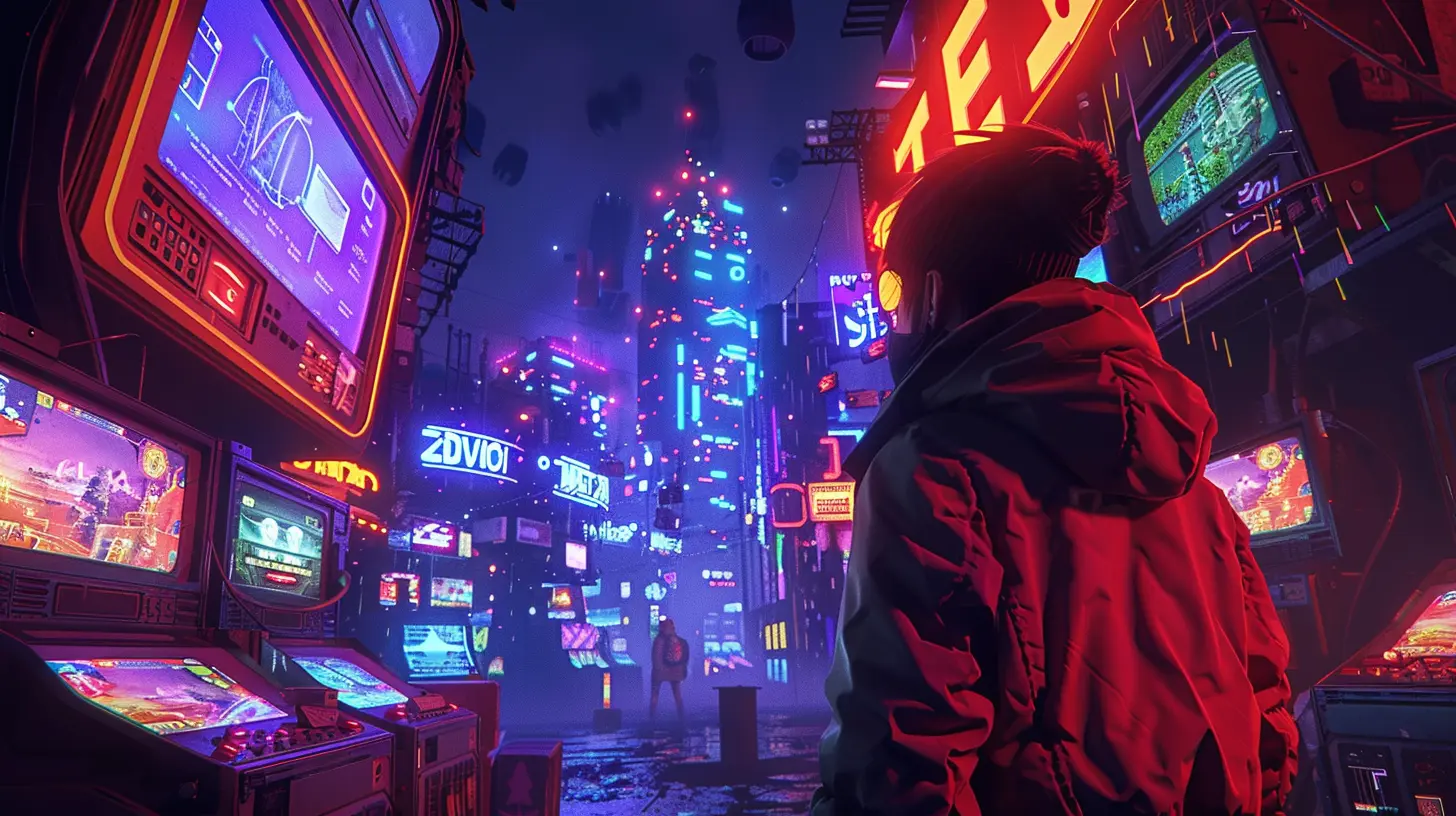
What is Scarcity in Games Anyway?
Scarcity, in simple terms, means there's not enough of something to go around. In the physical world, think gold, vintage cars, or concert tickets. In digital games? It’s things like:- Limited-time items
- Rare cosmetic skins
- One-of-a-kind achievements
- Player-to-player tradable assets
- Event-exclusive content
But here’s the kicker: in the real world, scarcity is mostly natural. In video games? It’s 100% man-made. Game developers create scarcity—literally out of thin digital air—to stir up excitement and create perceived value.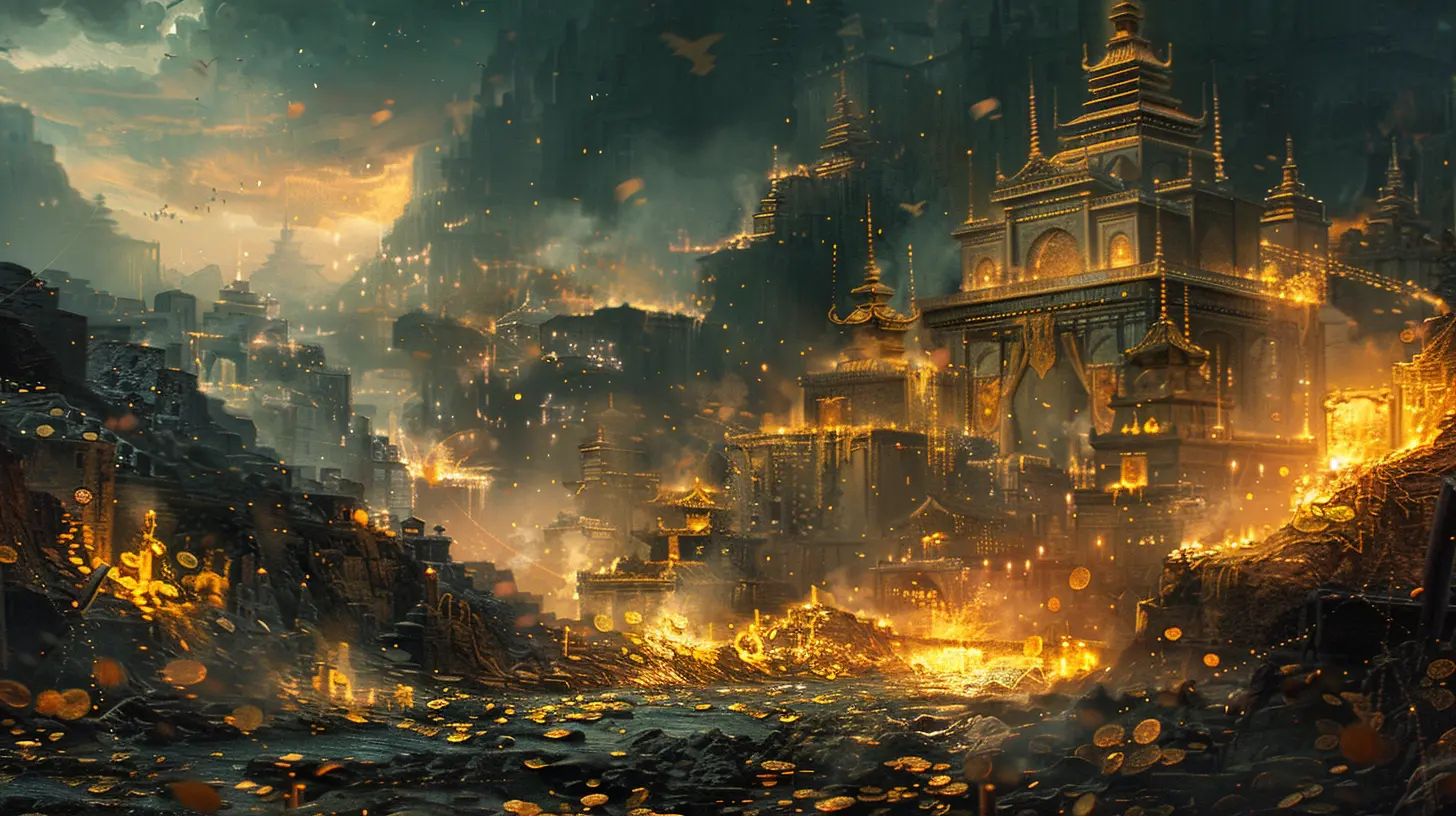
The Psychology Behind the Madness
Why does scarcity make us act like we’re auctioning for a piece of the Mona Lisa? Two words: FOMO (Fear of Missing Out).When players know an item won’t be around forever—or that it’s ridiculously hard to get—they chase it like a dog after a squirrel. That ticking clock or the ultra-low drop rate flips a psychological switch. It screams, “If you don’t get this now, you might never have another shot!”
And let’s be honest, nobody wants to be the only player walking around without that super rare sword or exclusive emote. Scarcity taps into our status-driven, tribal brains. Owning rare items is like wearing a digital crown in front of your peers.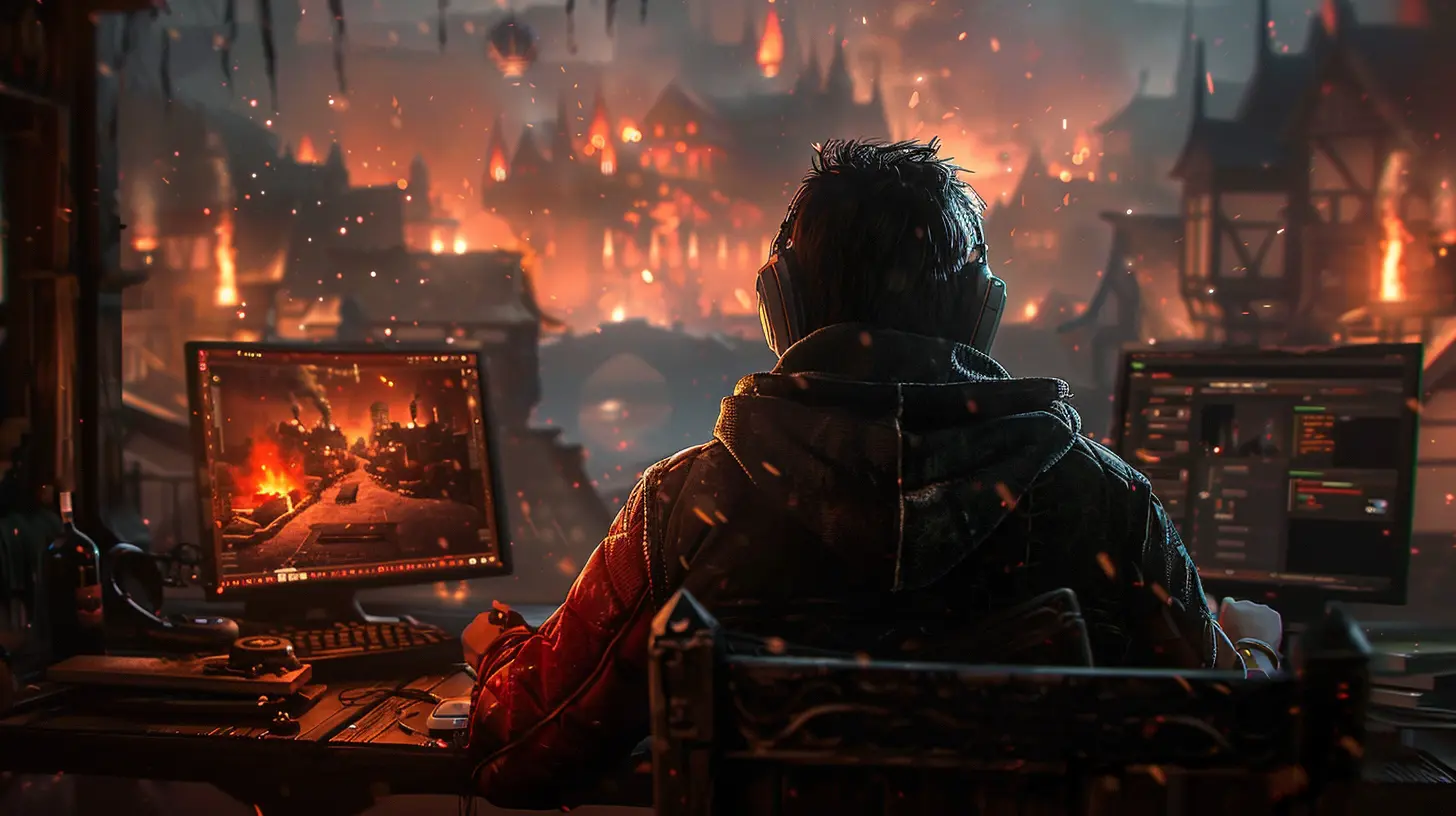
Digital Scarcity: Real Value from Fake Stuff?
Here’s the mind-bender: digital items have no physical form... yet they often hold serious value. In games like World of Warcraft, RuneScape, or Fortnite, people have paid real money—some even thousands of dollars—just to own scarce items or accounts that have them.This value isn’t born out of usefulness. It’s born out of:
- Exclusivity — Not everyone can get it.
- Effort — It takes time, skill, or crazy luck to earn.
- Social Prestige — Other players notice and admire it.
- Tradability — Some rare items can be exchanged or sold.
When something in a game is both limited and desirable, it creates a whole economy within the game universe.
Types of Scarcity That Create Value
Let’s break it down. Not all scarcity is created equal in the gaming industry. Here are the heavy hitters that game devs love to use:1. Time-Limited Content
Ever seen a seasonal battle pass? Or maybe a Halloween event that only lasts two weeks? Time-limited content is one of the most effective tools of scarcity. It forces players to act now, or risk never having that content again.Think Fortnite’s rotating skins or Destiny 2’s Iron Banner gear. Once the clock runs out? That’s it. Good luck getting it again.
2. Limited-Quantity Items
Some games drop only a set number of items. Once they’re gone, they’re gone. Think OG MMOs that had rare boss drops or early-access loot only distributed to the first wave of players.In some cases, developers introduce items that are only craftable with resources that are temporarily available, meaning players had to be active during a specific window to make them.
3. Skill-Gated Assets
Scarcity doesn’t always mean lack of access—it can mean difficulty of access. Only the most elite players can earn certain cosmetics or weapons. Think about rare mounts in World of Warcraft that require completing incredibly hard achievements—or competitive weapons in FPS games that are only rewarded to top-ranked players.4. Randomized Drop Systems (a.k.a Loot Boxes)
Love it or hate it, loot boxes are the big casino of digital scarcity. You open one, and maybe—just maybe—you’ll get that ultra-rare legendary. RNG (Random Number Generation) takes over, and players end up chasing that dopamine rush, rolling the dice time after time.Controversial? Absolutely. But undeniably effective.
NFTs: The New Frontier of Digital Scarcity
Of course, we can’t talk about digital scarcity without touching on NFTs. Whether you love them or roll your eyes every time someone mentions the metaverse, NFTs have thrown gasoline on the fire of digital scarcity.In games like Axie Infinity or The Sandbox, digital items are tokenized—meaning they exist on a blockchain and can be 100% owned by the player. Not just “licensed” like in traditional games. This adds a real-world, monetary value to scarce in-game items that can be verified, traded, and even resold.
Suddenly, the idea of your epic sword or rare skin being worth more than your car doesn’t sound so crazy.
How Scarcity Shapes Game Design
Let’s not kid ourselves—scarcity isn’t just some happy accident. It’s baked into the game from day one. Developers use scarcity to:- Drive engagement: People log in more and play longer when they know something’s ticking away.
- Incentivize purchases: Limited-time bundles or events can create massive revenue spikes.
- Boost retention: Seasonal content or time-limited challenges keep players coming back.
- Foster loyalty: Owning “OG” items makes older players feel special, which keeps them invested.
Games like Apex Legends, Genshin Impact, and Warframe are pros at weaving scarcity into their core loops. The result? Massive, sustained player bases and serious cash flow.
The Dark Side of Scarcity
Okay, let’s not pretend it’s all rainbows and rare loot drops. Scarcity, when overused or misused, can be emotionally exhausting for players. Here’s how it can go sideways:- Burnout: Players feel forced to grind endlessly just to keep up.
- FOMO fatigue: Constant rotating content can stress players out instead of excite them.
- Pay-to-win pressure: Scarcity tied to power items can create an unfair playing field.
- Scams and black markets: Rare items with real-world value have historically attracted hackers, exploiters, and shady transactions.
Used ethically, scarcity is a brilliant tool. Pushed too far? It can ruin a game’s community and reputation overnight.
Games That Nailed Scarcity… and Ones That Didn’t
Let’s call out a few examples of games that used scarcity like absolute bosses:- Fortnite: Limited skins like the Renegade Raider became legendary status symbols.
- World of Warcraft: The Scarab Lord mount? Talk about elite status.
- CS:GO: Weapon skins with rare patterns? Absolute gold mines in the Steam marketplace.
Now, the “oops” list:
- Star Wars Battlefront II (Launch Version): Remember when players had to grind 40 hours to unlock Darth Vader? That wasn’t scarcity—that was punishment.
- Diablo Immortal: Heavy monetization created pay-to-win scarcity, and players didn't take kindly to it.
Scarcity works best when it feels rewarding, not exploitative.
What This Means for the Future
As gaming continues to evolve, scarcity isn’t going anywhere. In fact, it’s just getting smarter. We’re seeing:- Player-driven economies (a la EVE Online)
- Cross-game assets through blockchain
- AI-generated items with unique, one-off properties
- Meta-games built around item ownership and rarity
Scarcity will continue to be one of the most powerful levers in game design. Just make sure you’re the one pulling the strings—not the other way around.
TL;DR: Scarcity is Pure Gaming Gold
Scarcity creates value by manufacturing rarity, exclusivity, and urgency—all things our brains are hardwired to crave. In digital games, it turns pixels into prestige, time into trophies, and ordinary content into must-have digital treasure.But like any powerful tool, it can be used to build incredible experiences—or exploit players for profit. The key? Balance, transparency, and respecting the player’s time and effort.
So next time you find yourself grinding for that shiny artifact or logging in every day for a seasonal event, just remember—you’re not just playing the game. The game is also playing you. And when done right? That’s the magic.
all images in this post were generated using AI tools
Category:
In Game EconomyAuthor:

Jack McKinstry
Discussion
rate this article
2 comments
Veronica Becker
This article beautifully captures the essence of scarcity in digital games. It’s fascinating how limited availability enhances our appreciation and desire, making each gaming experience feel more special and meaningful. Thank you!
December 26, 2025 at 4:43 PM
Jack McKinstry
Thank you for your thoughtful comment! I'm glad you resonated with the idea of scarcity enhancing the gaming experience. Your appreciation means a lot!
Skyler Harper
This article brilliantly highlights how scarcity in digital games not only enhances perceived value but also fosters community engagement and competitive dynamics.
December 10, 2025 at 3:47 AM
Jack McKinstry
Thank you for your insightful comment! I'm glad you found the article highlights on scarcity's role in enhancing value and community engagement in digital games compelling.