How to Build Lore Through Item Descriptions
29 July 2026
When it comes to building rich, immersive game worlds, we often think about sprawling quests, epic cutscenes, or dense dialogue trees. But what if I told you that one of the most powerful storytelling tools in game design is something as unassuming as item descriptions?
Yep, that's right. That dusty old sword sitting in your inventory? It might hold centuries of forgotten history. The simple herb you used for a healing potion? Could be tied to a long-lost civilization. Lore, my friend, isn’t just built with big, dramatic moments — it's also whispered through the little things.
So let’s dive deep into how you can build lore through item descriptions and turn even the tiniest trinket into a story catalyst.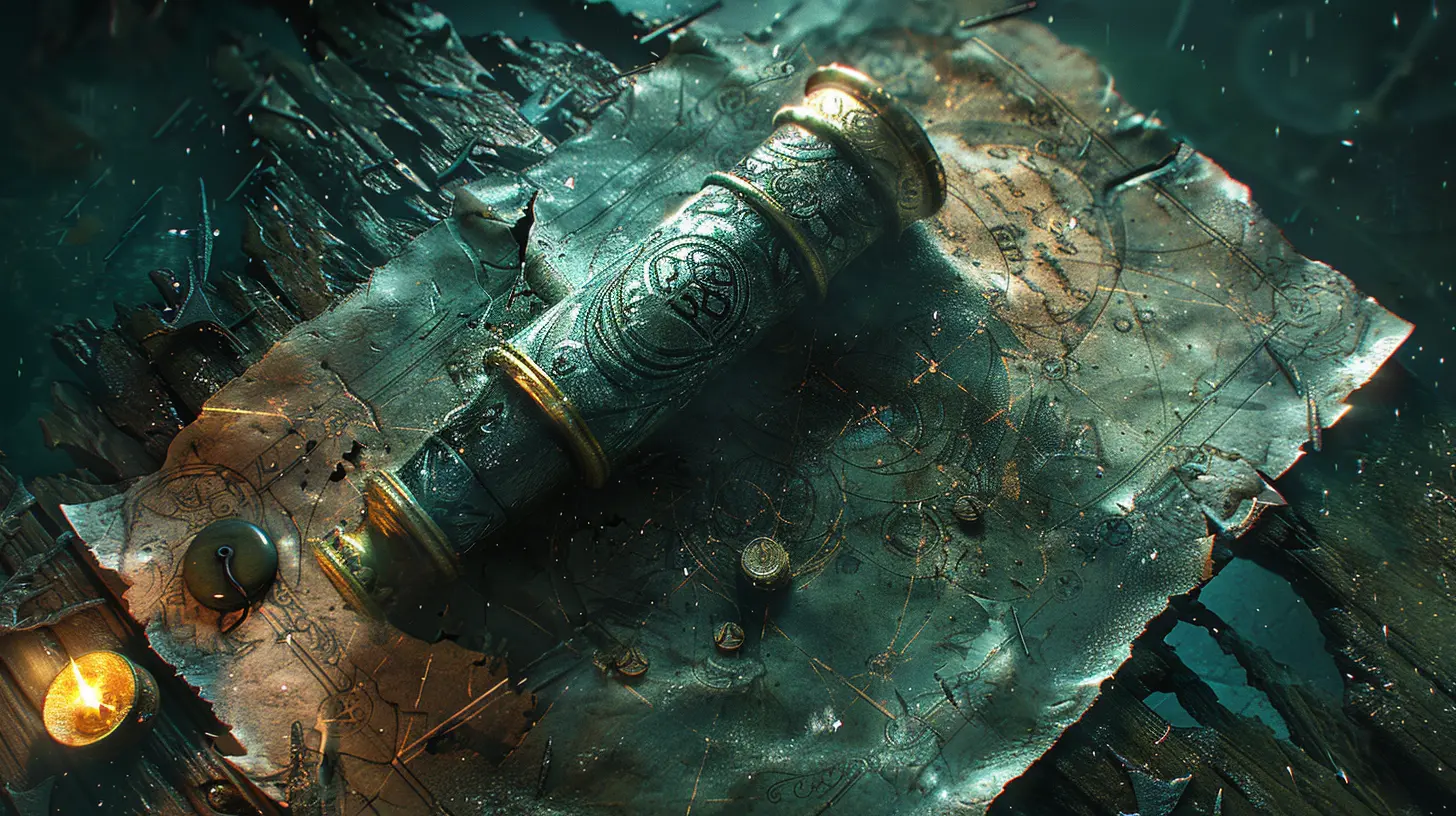
Why Item Descriptions Matter (More Than You Think)
First off, let’s lay the groundwork: item descriptions are small blurbs of text that accompany in-game objects. They usually describe what the item does, how it's used, or sometimes just offer a bit of fluff.But here’s the kicker — they’re also a golden opportunity to inject worldbuilding magic.
Games like Dark Souls, Bloodborne, and Hollow Knight have made item descriptions an art form. They don’t just tell you what something does — they tell you why it matters. And that’s the sweet spot we wanna hit.
Item descriptions are like the sticky notes of your game’s universe. They might seem minor, but when you start connecting the dots, they form a giant web of lore just waiting to be uncovered.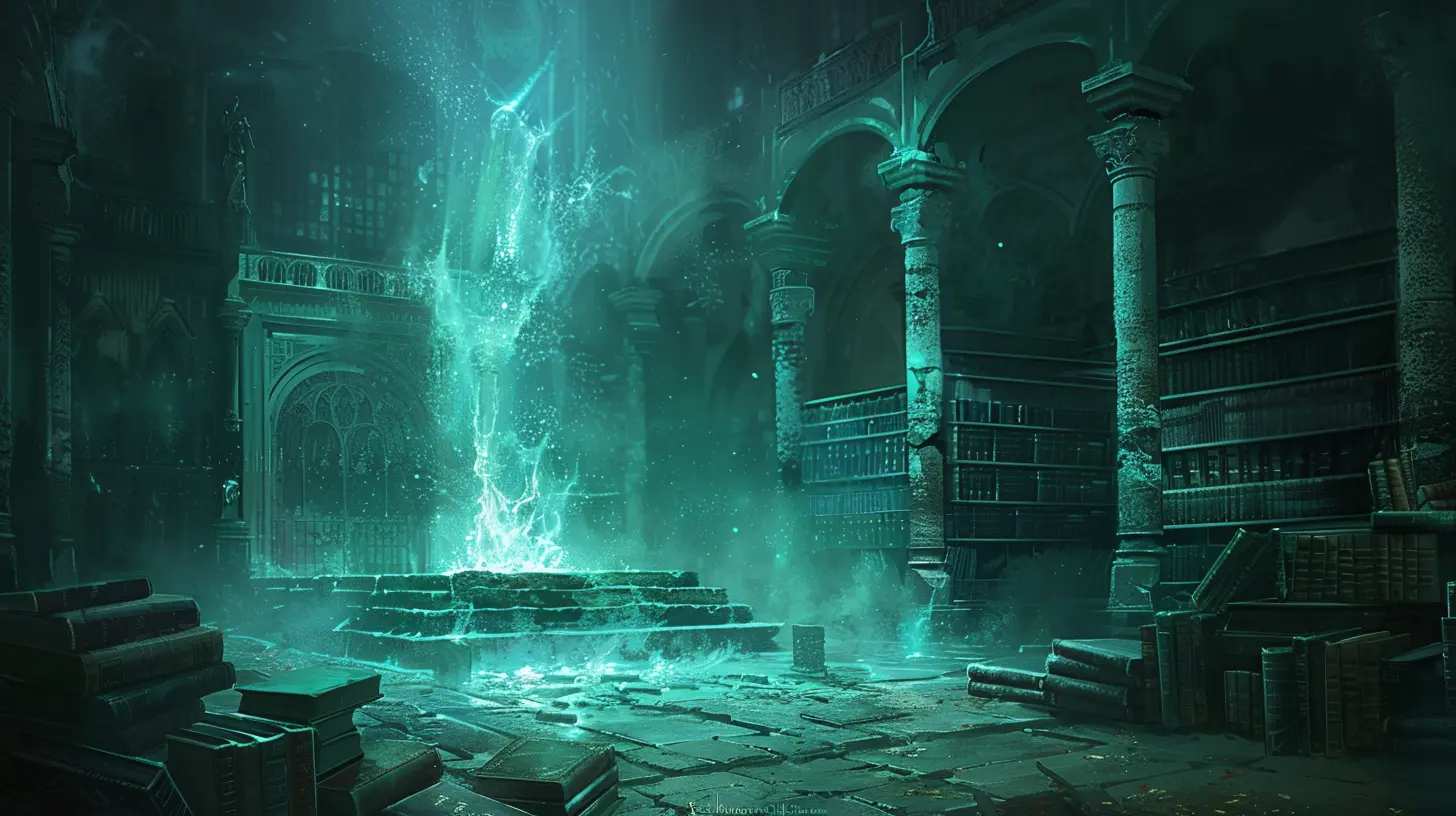
The Art of Implication: Show, Don’t Tell
One of the key elements of great item lore is implication.You don’t need to spell everything out. In fact, it’s way more fun when players read between the lines. Think of it like storytelling through shadows — giving just enough light for the player to see the outline, but letting their imagination fill the gaps.
For example:
> “A rusted pendant, its chain broken. Said to once belong to a knight who vanished during the Siege of Elmorak.”
See what happened there? We didn’t write a full exposition dump. Just a sentence or two — but suddenly, there’s a knight, a siege, and a mystery. And boom — the player's hooked.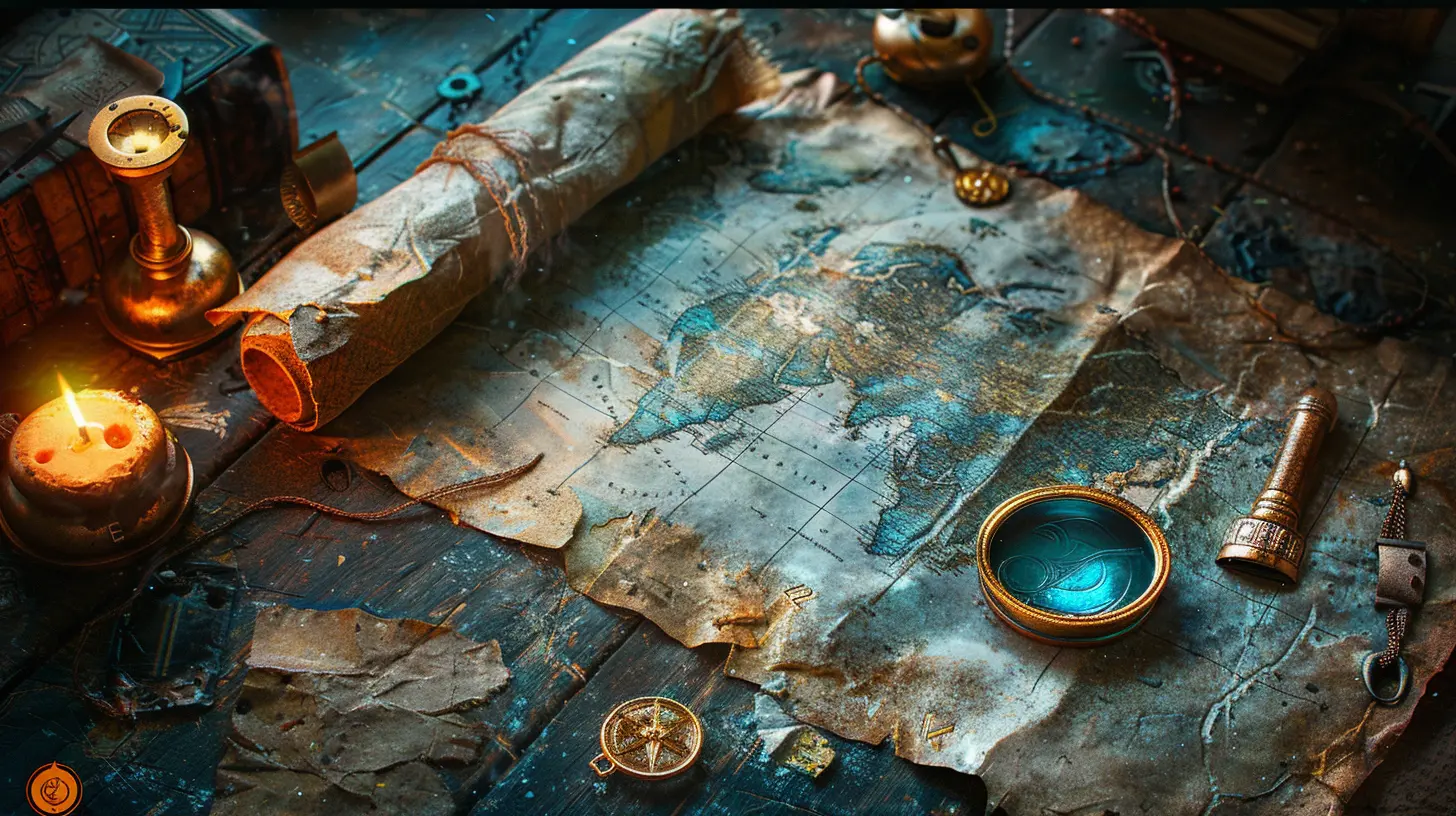
Techniques for Building Lore Through Item Descriptions
Alright, you’re sold on the idea. Now let’s talk about the how. Here are some techniques you can use to flavor your item descriptions with rich, tasty lore.1. Tie Items to Historical Events
One of the best ways to make your world feel lived-in is to connect items to key moments in history — battles, disasters, discoveries, or even myths.> “This cracked monocle once belonged to Chancellor Darven during his final speech before the Great Collapse.”
That one sentence hints at political intrigue, the fall of a civilization, and gives Chancellor Darven a legendary status without a single cutscene required.
2. Use Character References
Mentioning characters in item descriptions — even minor ones — helps build a sense of connection.> “A child’s toy, lovingly stitched by a woman named Elira. Some say her lullabies can still be heard on quiet winter nights.”
Now we’re talking ghost stories with a touch of humanity. You’ve just made Elira a part of the game’s mythology, and the toy suddenly feels like more than just clutter.
3. Incorporate Regional Flavors
Want your world to feel bigger? Let the origin of items reflect a diverse geography.> “Spice-dusted jerky from the Dunes of Mirak. Packs a punch and a bit of sand.”
Boom — now the player knows about Mirak, a location with unique cuisine (and probably a desert biome too). These little hints encourage exploration.
4. Use Mysterious Language
Cryptic writing can lure curious players like moths to a flame. Ambiguity is your friend.> “Its creator wept upon finishing it. No one knows why.”
That kind of line gets players theorizing. Was it guilt? Joy? Madness? Now you’ve got forum threads popping off just from one sentence.
5. Layer the Narrative
Don’t just info-dump in a single item. Instead, scatter pieces of lore across several items — armor sets, weapon variants, or alchemy ingredients — and let players piece them together.> Sword: “Silvered blade etched with the crest of House Meryn.”
> Ring: “A signet ring broken in two. The crest of House Meryn is barely visible.”
> Journal Page: “I rejected Meryn’s offer. He’ll come for me when the moon wanes.”
They connect the dots themselves, and that sense of discovery? Priceless.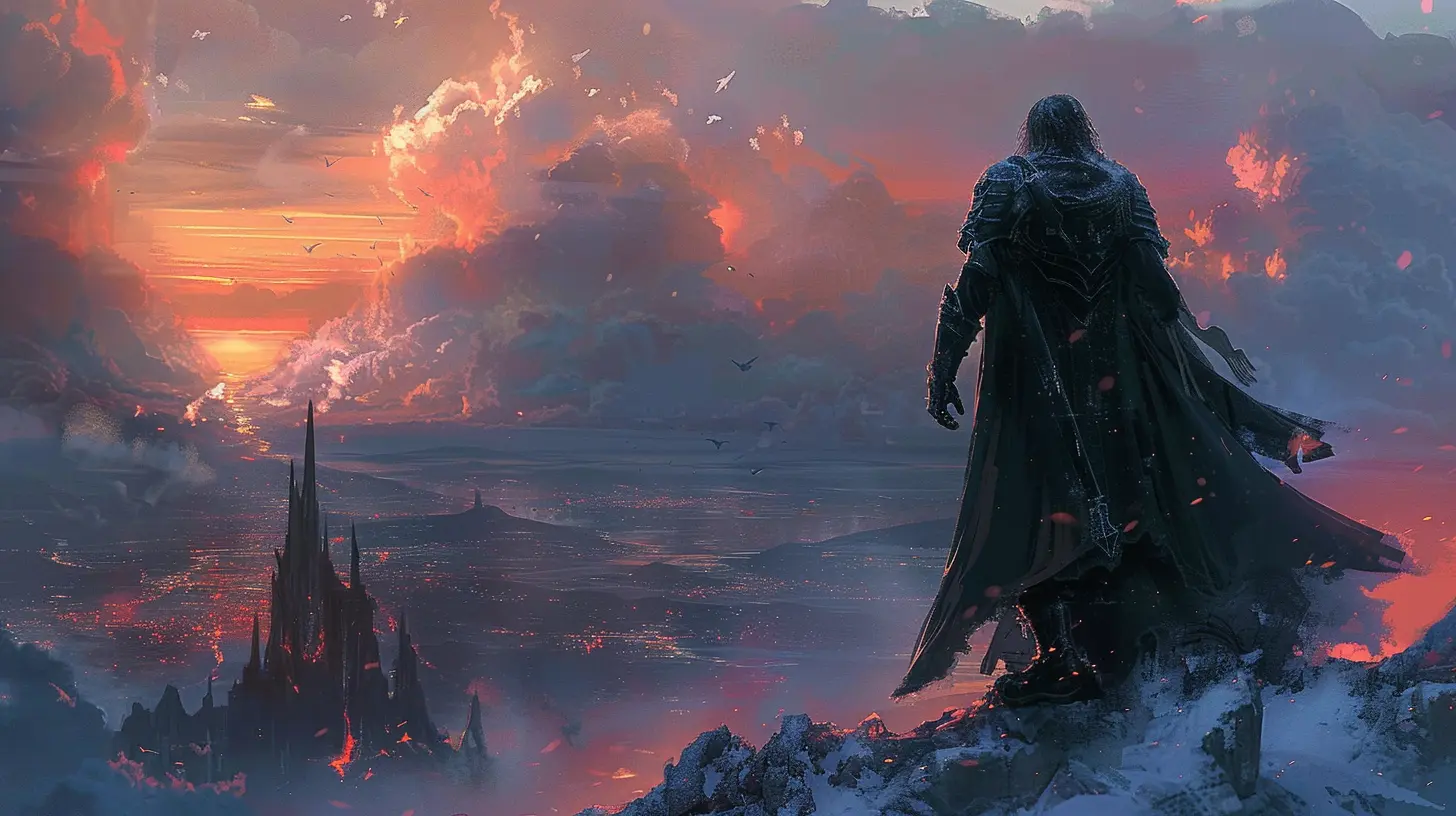
Don't Forget the Flavor Text
Gameplay-related descriptions are necessary — we’re not ignoring that — but always leave room for flavor text.Think of it like the scent of a candle. It’s not essential to the candle’s function, but it’s what makes it delightful.
> “Restores 10 HP. Smells like grandma’s soup.”
That one line provides both mechanical info and world flavor. Win-win.
Keep It Short, Keep It Sweet
Nobody wants to read a novel while organizing their inventory. The best item descriptions are short and punchy — somewhere between a tweet and a fortune cookie.Aim for 1–3 sentences. If you absolutely must go longer, make sure every word earns its place.
> “This ink-black feather fell from a bird that no longer exists. Keep it close; the sky remembers.”
In under 20 words, we’ve added an extinct creature, a touch of magic, and a whisper of hope. That’s the good stuff.
Using Tone to Set the Mood
The tone of your descriptions should match your game's vibe. Is your world gritty and dark? Add some melancholy or horror. Is it whimsical and weird? Go for humor and oddball charm.Let’s compare:
? Dark Fantasy Tone
> “Once used in blood rites. The stain never fades.”
? Quirky, Fun Tone
> “Warning: this glove causes spontaneous dance-offs. Use with discretion.”
See the difference? Tone is your secret weapon for immersing players in your world’s personality.
The Power of Consistency
If you’re building an entire lore system through item descriptions, consistency is key. Names, locations, factions, and legends should line up across the board.If the “Kingdom of Tyr” is mentioned in one item, the “Empire of Tirr” shouldn’t show up later unless it's a retcon or a different place — and that should be clear.
Maintain a lore bible if needed. Keep track of your names, dates, events, and character bios so everything stays on-brand.
Real Examples That Nailed It
Let’s look at a few games that absolutely crushed lore-building through items:? Dark Souls Series
FromSoftware games are the holy grail of item-based storytelling. Each piece of equipment, ring, or consumable tells a tiny part of a larger mythological web. You could spend hours just reading item descriptions — and many players do.? Bloodborne
Same studio, different vibe. Bloodborne’s gothic horror roots shine through its haunting, cryptic item lore. You never get the full story — just glimpses — and that’s what makes it unforgettable.? Hollow Knight
This beautiful indie gem leans into ambiguity and implication. Its charms, relics, and trinkets hint at ancient cultures, personal tragedies, and decaying glory without spelling anything out.Encouraging Player Speculation
When lore isn’t handed to players, they start discussing it — and that’s gold for community engagement. Players love to dig deeper, make theories, and share ideas. Every mysterious line in an item description is a spark for fan content, Reddit threads, and YouTube lore explainers.Think of lore as kindling. You give the players the match.
Final Tips to Level Up Your Lore Game
Here’s a cheat-sheet of dos and don'ts for writing killer item descriptions:✅ Do:
- Use evocative language- Keep sentences short and impactful
- Add emotional weight or mystery
- Tie items to the wider world
- Stay consistent with established lore
❌ Don’t:
- Over-explain things- Be too vague (confusing ≠ mysterious)
- Write passive, boring descriptions
- Make every item lore-heavy — balance is key
- Forget your tone and vibe
Wrapping It Up
Item descriptions might seem like a small element of game design, but they’re actually a huge opportunity to build immersive, compelling worlds. When used right, they can turn routine inventory management into an act of world exploration.If you want players to feel like they’re uncovering forgotten histories, piecing together ancient secrets, or simply enjoying your game’s atmosphere on a deeper level — don’t overlook the humble item description. It’s the narrative ninja of game storytelling.
Now, go forth and fill those inventory menus with tales that players will never forget. And hey — if you ever need inspiration, just remember: every item has a story. You just have to write it.
all images in this post were generated using AI tools
Category:
Game Content CreationAuthor:

Jack McKinstry
Discussion
rate this article
2 comments
Monica McCray
Item descriptions can enrich game lore, creating immersive worlds and deeper connections for players to explore.
October 16, 2026 at 2:58 AM
Jack McKinstry
Absolutely! Thoughtful item descriptions can truly enhance the storytelling and draw players deeper into the game's universe.
Liora Wells
This is a fantastic approach to deepen storytelling in games. Item descriptions can truly enhance the experience!
July 29, 2026 at 4:28 AM
Jack McKinstry
Thanks for your thoughts! Item descriptions really can add so much depth to the story. I'm glad you found the approach valuable!