How to Design Game Levels That Keep Players Hooked
15 May 2026
Alright, let's talk game level design. You know that feeling when you're playing a game and you keep telling yourself, "Just one more level," and suddenly it's 3 a.m.? That's the magic of great level design. It's the difference between a game you play once and a game you keep coming back to like it’s your favorite snack.
Whether you’re crafting a sprawling RPG dungeon, a frantic FPS battlefield, or a quirky puzzle game with exploding chicken bombs (hey, anything’s possible), the way your levels are built can make or break your game. Let’s dive into how to design game levels that keep players hooked — like, “I canceled weekend plans” hooked.
Why Level Design Deserves Your Undivided Attention
If the game is the heart, level design is the beat that keeps it pumping. It's not just about placing enemies, obstacles, or pretty scenery. You're shaping the player's journey — their emotions, their challenges, and their "HECK YEAH!" victory dances.Think of your level as a rollercoaster. You don’t just toss loops and drops randomly. You build tension, give them breathers, add surprises, and then throw them into a double corkscrew of insanity. That’s good pacing.
Start with the Core Gameplay Loop
Before you drop lava pits or raining anvils into your level, ask yourself this: What’s the core gameplay loop?Is your game about stealth, combat, platforming, or brain-melting puzzles? The level should amplify that experience. If your core mechanic is wall-jumping, the level shouldn't be 90% flat ground. That’s like inviting someone to a pool party and forgetting the pool.
? Pro tip: Sketch a few simple level concepts that focus on just the core mechanic. Once players master it, gradually layer in complexity.
Understand Your Player’s Brain (And Trick It Just a Little)
Players crave progression. But we’re also lazy. We want rewards, surprises, and the occasional ego boost.Your job? Be the puppet master.
- Use difficulty curves: Start easy to build confidence and slowly turn up the heat.
- Reward curiosity: Hide secrets, Easter eggs, or side paths. Let players feel smart for finding them.
- Foreshadowing FTW: Show a locked door early. Let players wonder how to open it. Then give them the key later. That “Aha!” moment? Priceless.
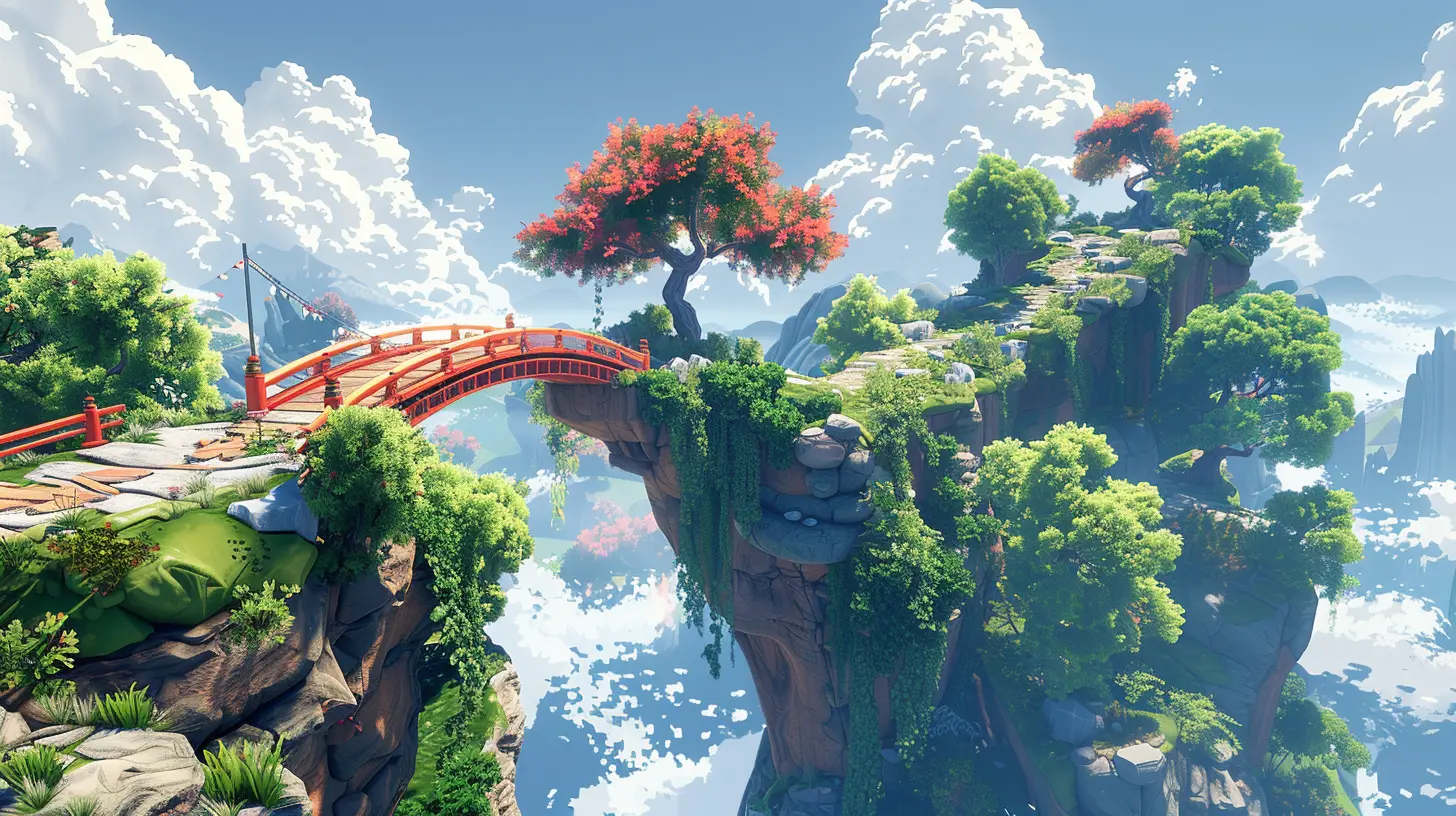
Build with Flow in Mind (a.k.a. The Sweet Spot Between Boredom and Rage Quits)
Ever heard of "flow state"? It's when players are so immersed, they forget about time, pizza, and their phone. That only happens when your game hits that perfect spot between too easy and “I just threw my controller.”So how do you do that?
- Introduce new mechanics one at a time: Don't drop players into a level with jetpacks, teleporters, and spike walls all at once. That’s a recipe for confusion.
- Mix rhythm and challenge: Think of it like music. Have quiet moments, crescendos, and that big “boss battle beat drop.”
- Use checkpoints wisely: Not too frequent to kill tension, not too rare to cause frustration. Basically, don’t be evil.
Breadcrumb the Player Without Hand-Holding
Nobody likes being lost. Unless you’re making a game about being lost (Hello, survival horror friends!), you should guide your players subtly.Here's how:
- Use visual cues: Light a path with torches, guide with camera angles, or use contrasting colors.- Smart level geometry: Open spaces feel safe, narrow corridors raise tension. Use layout to control mood.
- Show, don’t tell: Instead of a giant glowing sign that says “GO HERE,” use environmental design. A broken bridge and a trail of footprints? Much cooler.
Think of Levels as Stories (Yes, Even the 2-Minute Ones)
Every level tells a story, whether it’s a heroic escape, a slow descent into madness, or just surviving Monday vibes.Your level should have:
- A beginning: Introduce the objective. Give players a sense of “Okay, here’s what’s up.”
- A middle: Add twists — a betrayal, a sudden change in the environment, or new enemy types.
- An end: Reward the player. Maybe it's loot, lore, or just a killer view of the next epic zone.
Even short levels can have arcs. That’s what keeps them from feeling like filler content.
Variety is the Spice of Level Design
Nobody wants to do the same thing over and over. Even if your combat feels tight or your puzzles are clever, repetition is the enemy. Spice things up!? Here’s what you can switch up:
- Setpieces: Add dramatic moments — a crumbling bridge, a cinematic camera angle, or an unexpected boss.
- Objectives: Don’t just make it “reach the exit” every time. Try rescue missions, stealth segments, or “defend the point” scenarios.
- Player Perspective: If your game allows switching camera angles or gameplay modes, use it deliberately. Mix up third-person with a first-person sniper segment? Yes, please.
Playtest Like a Maniac (Then Playtest Again)
Your level might look great on paper. You might even pat yourself on the back. But the minute someone else plays it and falls into a pit 17 times — welcome to the real world.Here's what you need to do:
- Watch new players like a hawk: Don’t even say a word. Let them play. Are they confused? Are they taking weird routes? Are they rage-quitting?- Analyze death points: If 80% of players die at the same spot, something’s off. Either telegraph the hazard better or adjust the difficulty.
- Balance the fun: Too many enemies? Boring puzzles? Test, tweak, and test again.
Also, listen. Not all feedback is gold, but patterns matter. If 5 different people say the same thing, there’s probably smoke (and a level design fire to put out).
Keep Accessibility in Mind
Don’t forget, your game might be played by a wide range of people — all with different abilities, devices, and attention spans. Design your levels so that more people can enjoy them.? Some accessibility tips:
- Use color and shape to convey information.
- Allow difficulty adjustments or assist modes (like more time in a puzzle).
- Let players remap controls, especially for platformers.
The more people who can finish your level and feel awesome doing it? The better. Full stop.
Take Inspiration But Add Your Secret Sauce
We’ve all played a level and thought, “Wow, I wish I made that.” Whether it’s the haunting atmosphere in Hollow Knight, the tight platforming of Celeste, or the brilliant puzzles in Portal — learn from the greats.But don’t copy-paste.
✨ Instead:
- Ask what makes a level work. Is it pacing? Surprise? Mood?
- Then remix it. Add your flavor. Zombie cheerleaders, disco traps, a time-traveling ferret — whatever.
- Make it memorable. Make it you.
Bonus Tips to Level-Up Your Level Design
Because who doesn’t love a good checklist?- ✅ Always teach before you test.
- ✅ Leave room for player creativity.
- ✅ Avoid overdesigning — simple can be brilliant.
- ✅ Reward risk-takers (secret rooms, shortcuts, bonus items).
- ✅ And most importantly: Make it FUN, not just functional.
Wrapping It Up – Your Players Are Counting on You
Designing a game level isn’t just about laying down tiles and calling it a day. It’s about crafting experiences — little rollercoaster rides that challenge, delight, and surprise.If players are hooked, if they’re late to dinner, if they’re texting their friend, “Dude, just TRY this level,” — you’ve done your job.
So go on, start sketching, prototyping, and building levels that light up faces. And remember: The best levels aren’t just played. They’re remembered.
Now, go make something epic!
all images in this post were generated using AI tools
Category:
Game Content CreationAuthor:

Jack McKinstry
Discussion
rate this article
2 comments
Trixie McKee
Crafting worlds where curiosity breathes, each turn reveals magic and challenge anew.
July 26, 2026 at 2:40 AM
Jack McKinstry
Thanks for the kind words! Designing levels that spark curiosity truly makes the adventure unforgettable.
Elsinore Simon
I love the idea of exploring level design that captivates players. It's fascinating how small details can make a big difference in engagement. I'm curious about the balance between challenge and reward-what techniques do you find most effective in keeping players coming back for more?
May 22, 2026 at 4:14 PM
Jack McKinstry
Thanks for your thoughts! Balancing challenge and reward often comes down to pacing and player feedback. Techniques like well-timed rewards and gradual difficulty spikes can keep players invested and eager to push forward.