How to Develop Game Mechanics Around Exploration
19 April 2026
Exploration is one of the most rewarding and immersive elements in game design. Whether you're navigating ancient ruins in Tomb Raider, uncovering secrets in Elden Ring, or discovering every corner of Hyrule in The Legend of Zelda: Breath of the Wild, good exploration mechanics can hook players for hours. But how do you, the game designer or indie dev, build game mechanics that revolve around exploration—without making it feel like pointless wandering?
Let’s dive deep into what makes exploration tick in games and how you can develop mechanics that not only guide your players but also surprise, delight, and engage them. Ready? Let’s crack open this map and go.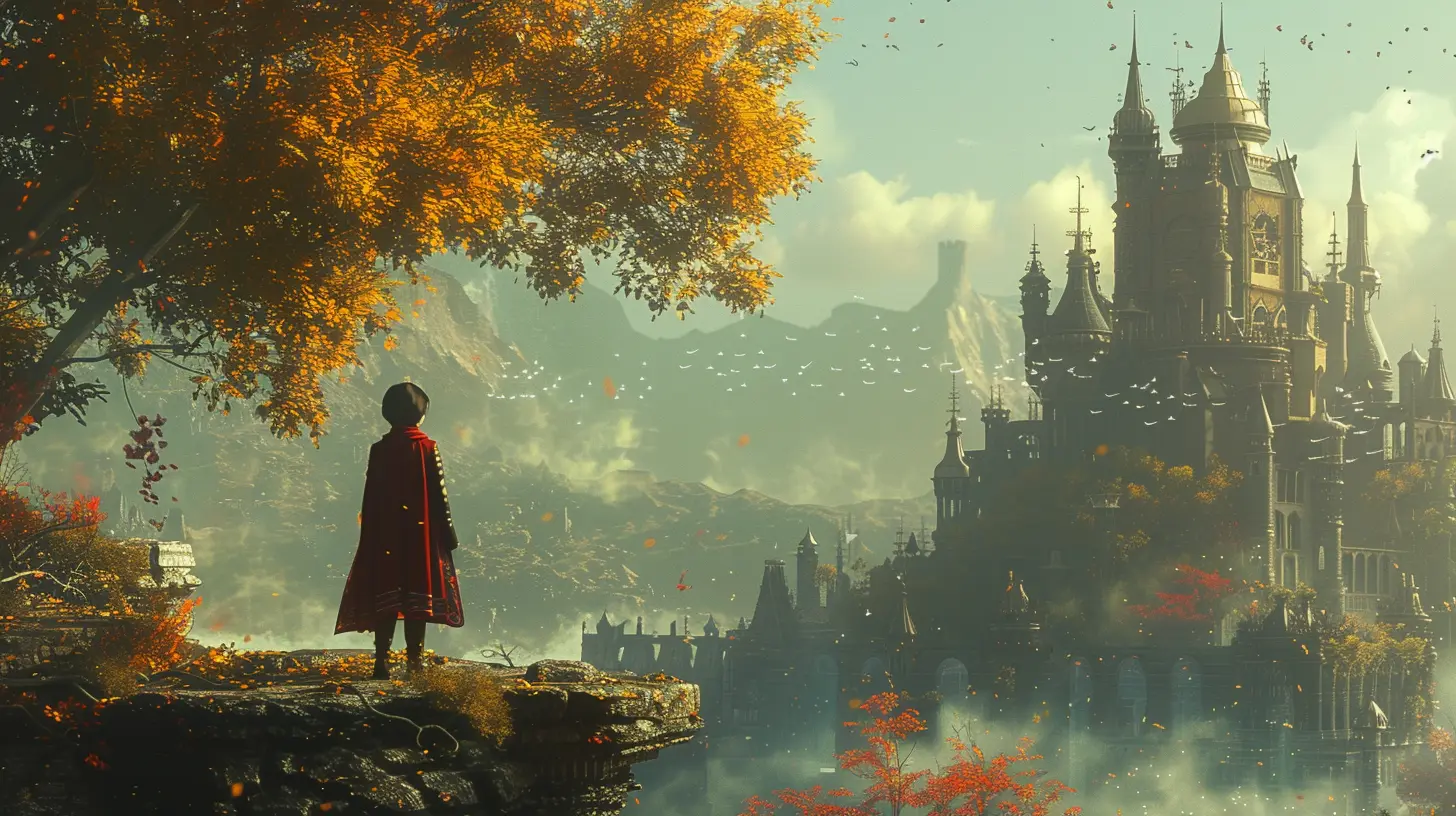
Why Exploration Matters in Games
Before we get into the nuts and bolts, let’s talk about the "why". Why should you care about exploration mechanics?Because people love freedom. They crave the joy of discovering something that wasn’t handed to them on a silver platter. Think about it—what’s more exciting: following a linear path, or accidentally stumbling on a secret passage that leads to a hidden boss? Exactly.
Exploration adds:
- A sense of wonder
- Player-driven storytelling
- Environmental immersion
- Replay value
When done right, exploration makes your game feel alive. It rewards curiosity.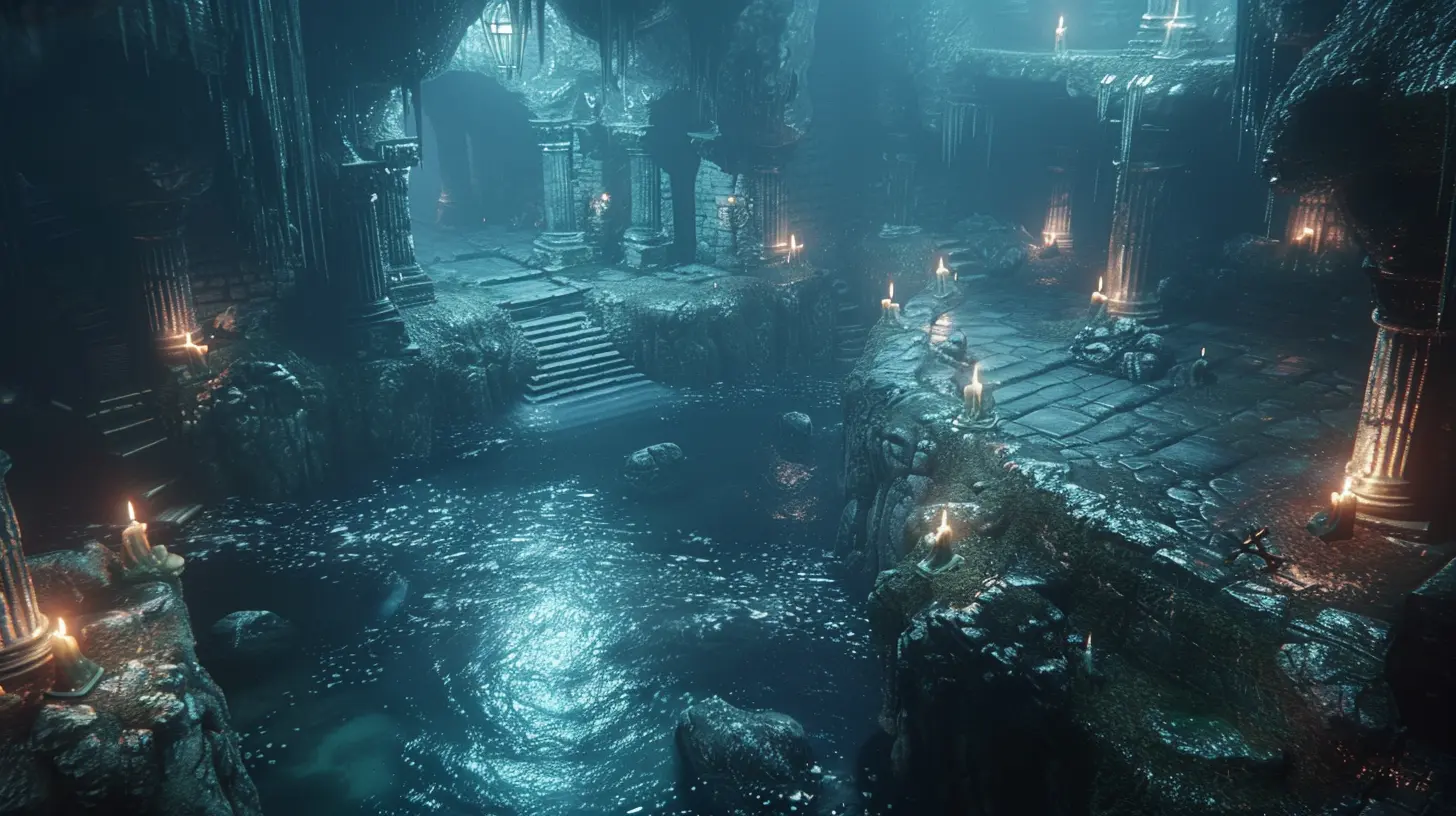
Understand Player Motivation First
If you want to build mechanics around exploration, you’ve got to know why players explore in the first place. Some reasons include:- They want loot, secrets, or lore.
- They enjoy the thrill of discovery.
- They value immersion and world-building.
- They need to feel in control—going where they want, when they want.
Once you know what motivates your players, you can design with purpose instead of throwing in a few collectibles and calling it a day.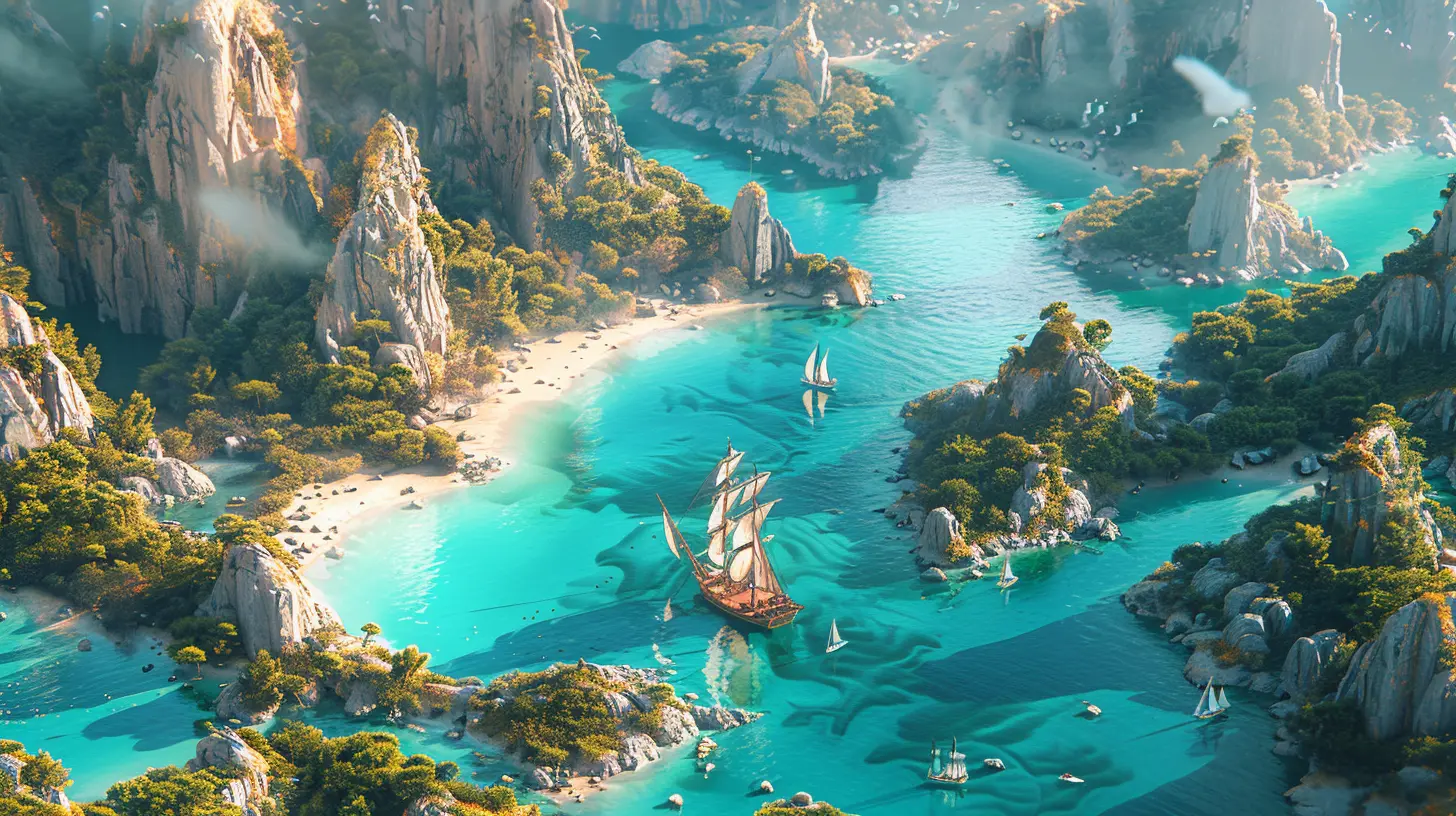
The Pillars of Great Exploration Mechanics
Let’s break this down into core ingredients. Great exploration mechanics usually rest on a few essential pillars:1. Intriguing World Design
Your world needs to feel worth exploring. That means no copy-paste environments, no dead ends that go nowhere, and definitely no huge empty zones with nothing but grass.Good world design:
- Uses visual landmarks to entice players
- Offers multiple paths and layers
- Feels alive with weather systems, flora/fauna, and ambient sounds
- Includes verticality—think climbing towers, diving into deep caves, or hovering over mountains
If your world is boring, no amount of mechanics will save it. Build with discovery in mind.
2. Clear Yet Subtle Guidance
You don't want to hand-hold players, but you also don’t want them to get lost and frustrated. Design with subtle guides.Use:
- Light sources to hint at paths
- Environmental storytelling (like blood trails or broken fences)
- Sound cues (a mysterious cave growl, anyone?)
- NPC gossip or legends that point players toward interesting zones
Remember, breadcrumbs—don’t shove them in the right direction, just sprinkle enough hints.
3. Rewarding Discovery
Players need to feel like their exploration paid off. That doesn’t always mean loot, though that helps.Offer rewards like:
- Collectibles (but make them meaningful)
- Lore pieces that connect the story
- Optional bosses or mini-challenges
- Alternative endings or shortcuts
Take inspiration from games like Hollow Knight, where going off the beaten path often reveals something game-changing.
4. Dynamic Interactions
Static worlds get stale. Add a bit of spice with mechanics that let players interact with the environment.Some examples:
- Unlocking hidden doors with strange keys
- Weather that opens up new areas (flooded paths draining during dry days)
- Puzzle mechanisms that change the terrain
- Using abilities to access new zones (Metroidvania style)
These mechanics make exploration feel like an evolving puzzle.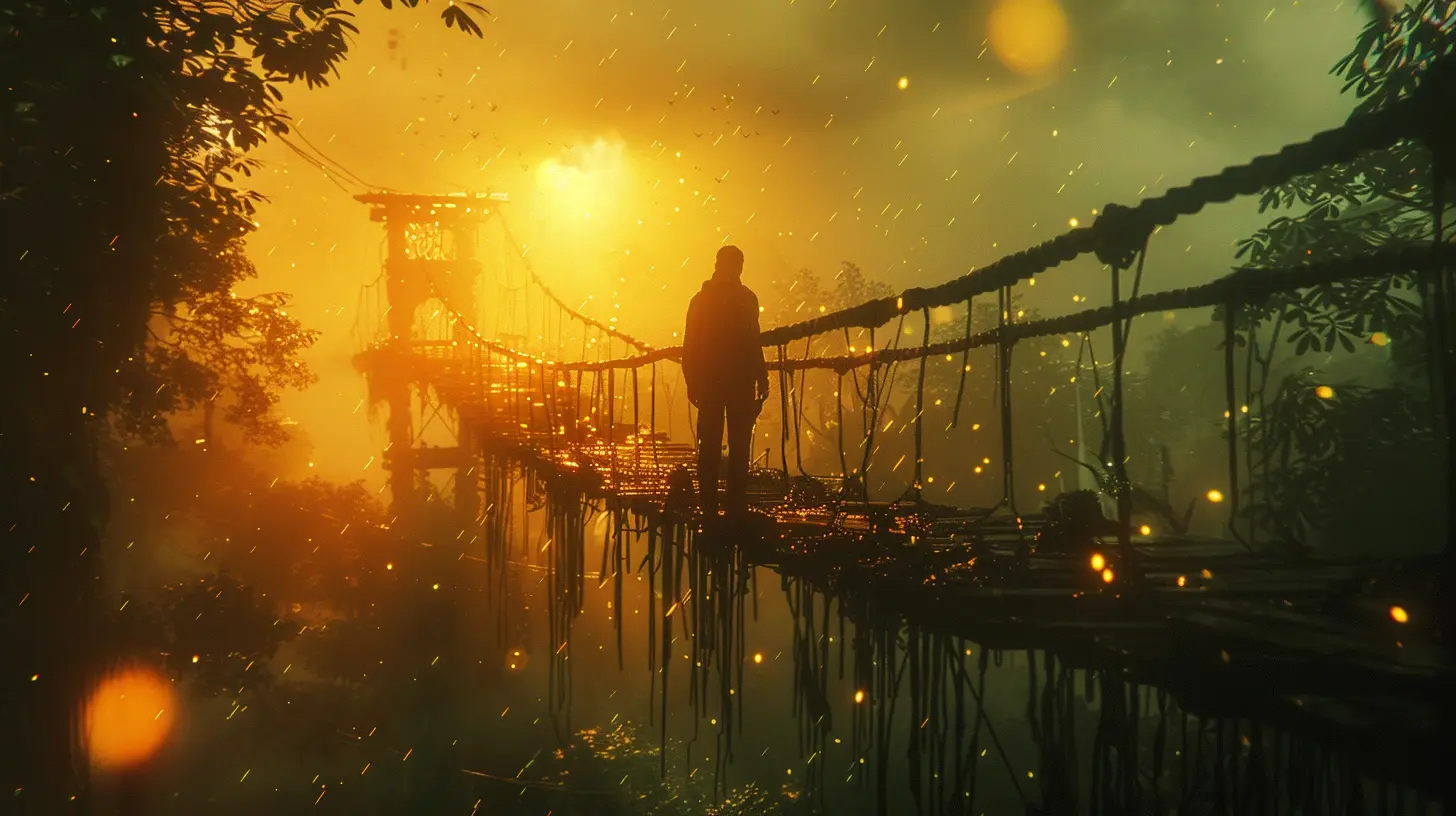
How to Design Exploration Mechanics From Scratch
Now that we’ve laid out the foundational pillars, let’s dig into the step-by-step of actually designing mechanics around exploration.Step 1: Map Out the Core Loop
Before you build, define your exploration loop. Ask yourself:- What drives players to explore?
- What happens when they explore?
- How do you reward or challenge them?
A basic loop might look like:
> Curiosity → Interact with environment → Discover a challenge → Overcome it → Get rewarded → Curiosity increases
This loop should repeat naturally, which keeps players engaged without needing heavy narrative intervention.
Step 2: Integrate Player Progression
Exploration should feel different 5 hours in than it did in the first 10 minutes. Tie exploration into your progression system.Options include:
- Unlocking new tools or movement mechanics (grappling hook, double jump)
- Gating areas behind skill requirements
- Rewarding exploration with XP or special abilities
Think of how A Link to the Past or Metroid opens up as you gain new abilities. That’s progression feeding into exploration and vice versa.
Step 3: Design for Emergence, Not Just Scripted Moments
Scripted events can be cool, but they don’t scale well. Instead, design for emergent gameplay—moments that happen naturally via game systems.Let’s say your world has:
- Physics-based interactions
- AI that roams and reacts
- Day/night cycles
Suddenly, a player might find a cave only accessible at sunset when shadows reveal an entrance. That’s a powerful moment—and totally unscripted.
Step 4: Mix in Environmental Puzzles
Great exploration often includes a little thinking. Not every secret should be easy to find. Use environmental puzzles to hide your goodies.Ideas include:
- Rearranging mirrors to reflect light onto secret doors
- Matching symbols across regions to unlock vaults
- Listening for audio cues that point to buried treasure
You don’t need to make it too complex, but a little challenge goes a long way.
Exploration in Different Game Genres
Exploration isn't just for open-world RPGs. Let’s look at how it fits into various genres.Open-World RPGs
Obvious, right? But the trick here is to not overwhelm the player. Don’t clutter the map with 500 icons. Instead, create organic points of interest—things that catch the eye, not force the hand.Platformers
In games like Ori and the Blind Forest, exploration is tightly woven with movement. Gating parts of the map behind new abilities keeps things fresh and exciting.First-Person Shooters
Think of games like Metro: Exodus. You can add exploration even in a linear shooter by including side areas, hidden weapon upgrades, or lore logs.Survival Games
Exploration is often the core loop here. But don’t forget—the world needs to feel dangerous, not just empty. Populate it with dynamic events, environmental hazards, or scarce resources.Common Pitfalls to Avoid
Even the best mechanics can fall flat if you make a few classic mistakes. Watch out for:✅ Too much sameness – If every area looks the same, players get bored
✅ Lack of meaningful rewards – Make every discovery worth it, even if it's just a cool piece of lore
✅ Over-guidance – Stop holding the player’s hand; let them feel smart
✅ Empty exploration – Don’t include spaces with zero interaction or payoff
Think quality over quantity. Exploration should be deliberate, not filler.
Let Players Tell Their Own Stories
Here’s the magic: when you design exploration well, you don’t need to do 100% of the storytelling. Players will start to tell their own stories.“Oh man, I found this cave behind a waterfall, and I almost died getting there, but inside was this crazy ancient tech!”
That kind of storytelling makes your game memorable. And all you did was give the player the tools.
Real-World Examples of Exploration Done Right
Let’s spotlight a few shining stars in the exploration genre and what they nailed.The Legend of Zelda: Breath of the Wild
- Uses visual landmarks like mountains and towers to draw players in- Dynamic weather and stamina-based climbing change how you explore
- Minimal handholding—lets players figure things out
Subnautica
- Vertical exploration under the sea (terrifying but beautiful!)- Hidden lore through abandoned structures and audio logs
- A sense of growing dread as you dive deeper (environmental storytelling at its peak)
Hollow Knight
- Tight world design with connected regions- Exploration directly tied to power-ups
- Huge emphasis on discovering secrets without making them obvious
If you’re serious about building around exploration, study these games. Steal like an artist.
Wrapping Up: Exploration is an Adventure Itself
Here’s the truth: you don’t need the biggest world or the flashiest graphics to pull off exploration. What you need is thoughtful design—environments that whisper secrets, mechanics that reward curiosity, and moments that feel like you found them, not that the devs gave them to you.Good exploration mechanics don’t just make your game bigger—they make it deeper.
So go on. Hide that ridiculous sword behind a waterfall. Make that impossible-to-find tunnel lead to a glowing, mysterious orb. Players will love you for it.
Happy designing—and don’t forget to leave a few secrets in your game world for those curious souls who just have to look behind every rock.
all images in this post were generated using AI tools
Category:
Game Content CreationAuthor:

Jack McKinstry
Discussion
rate this article
2 comments
Joy Roberson
Exploration? Make it thrilling, not tedious!
April 24, 2026 at 3:07 AM
Jack McKinstry
Absolutely! Thrilling exploration should keep players on the edge of their seats, blending discovery with excitement.
Reagan Roberson
Great insights! I appreciate the focus on exploration mechanics—it's essential for creating immersive game worlds.
April 23, 2026 at 2:59 PM
Jack McKinstry
Thanks! I'm glad you found it insightful. Exploration really does enhance immersion in gaming.