Narrative-Driven Game Trailers That Tell a Story
29 January 2026
Alright, fellow pixel-lovers and cinematic nerds, let’s talk about something we don’t give nearly enough credit to—narrative-driven game trailers. Yup, those gloriously dramatic, goosebump-inducing, jaw-dropping teasers that actually have a plot and don’t just throw explosions and dubstep at us like we're in a Michael Bay fever dream.
We’ve all seen them. Those trailers that hit harder than your favorite TV series finale or leave you more emotionally wrecked than your ex’s playlist. They don't just show a game; they sell the soul of it. They whisper, “Oh, you think you know what this game’s about? Buckle up, sweetie.”
So, let’s dive into the world where storytelling meets hype: the majestic realm of narrative-driven game trailers.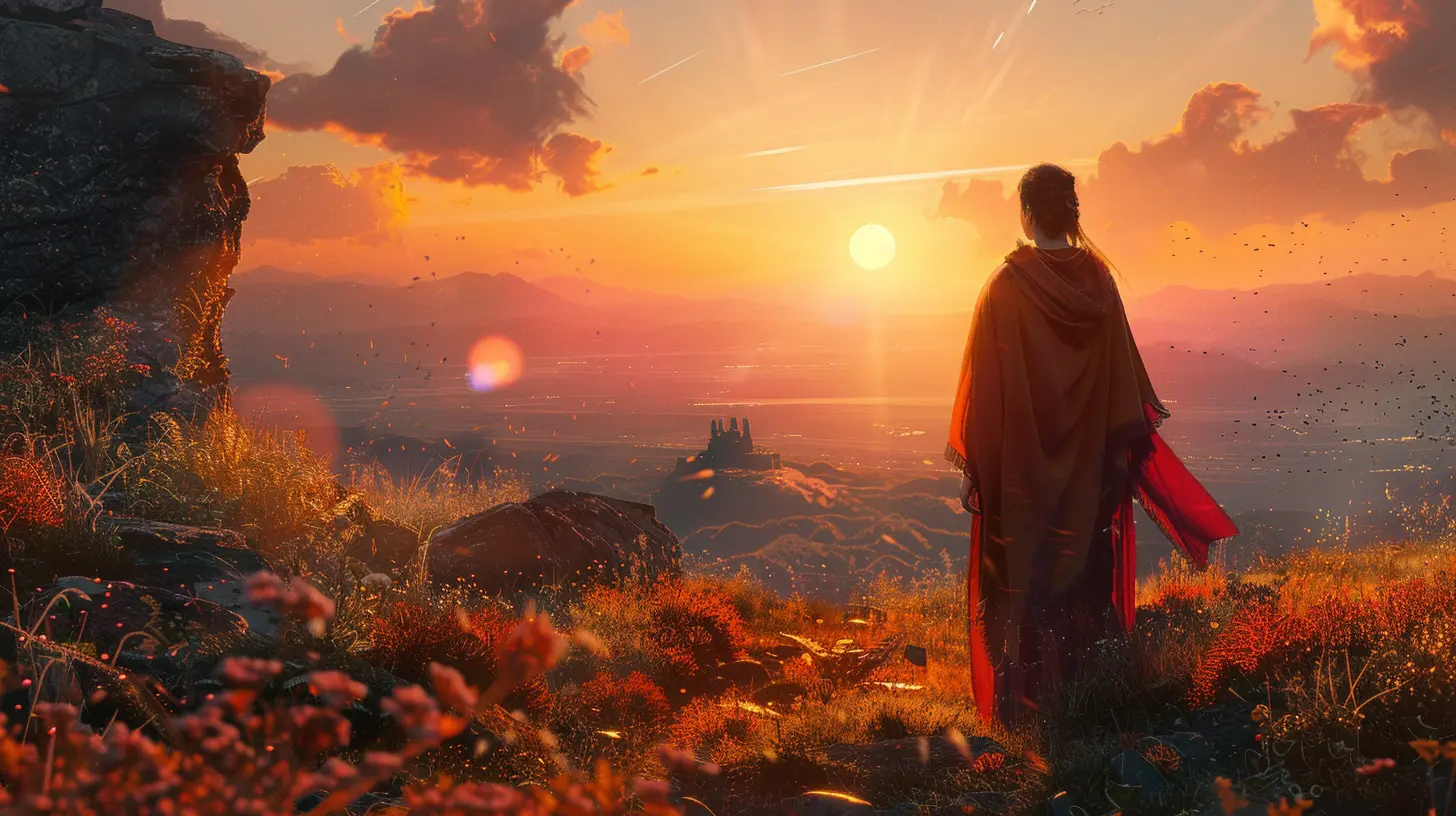
Why Do We Even Care About Game Trailers?
Before we get all misty-eyed over our top picks, let’s ask the big question: why do we care so much about game trailers?Well, let’s face it, attention spans today are shorter than a TikTok. If a trailer doesn’t grab me by the metaphorical collar in the first 10 seconds, I’m already scrolling. But narrative-driven trailers? They don’t just grab you—they seduce your brain with curiosity, emotion, and the promise of something more.
Think of them like movie trailers but spicier—because you’re not just watching the story, you’re gonna live it. No passive popcorn munching here. You’re entering a world with stakes, characters, and tension, and you better believe the trailer’s gonna make sure you feel every second of it.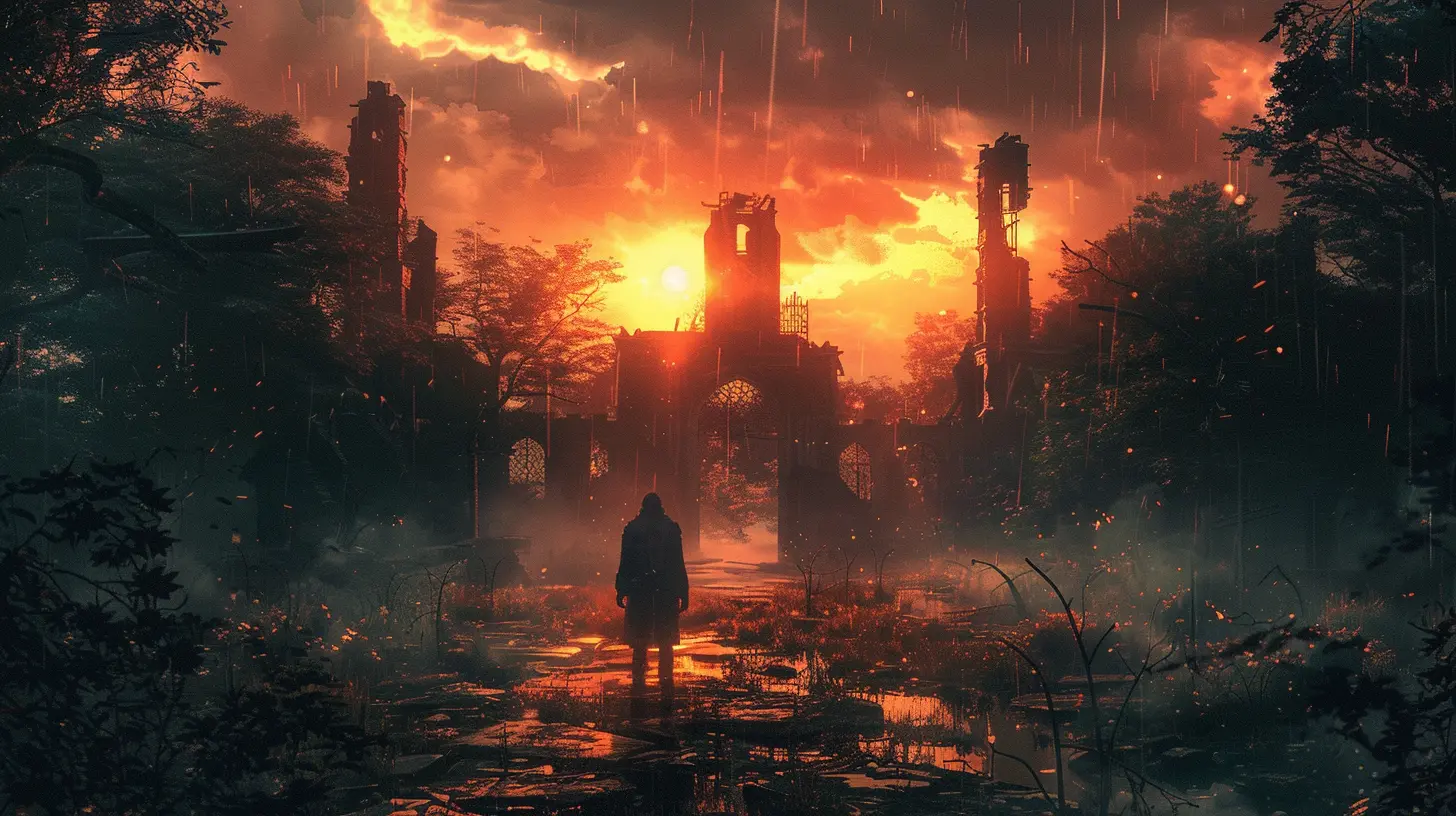
Not Just Hype—These Trailers Are Mini-Movies
Let’s get one thing straight: narrative-driven game trailers are not your average flashy, button-mashing montages.They’re often directed like blockbuster films, composed with original scores, and voiced by top-tier talent. We’re talking theatrical CGI, emotional arcs, mysterious cliffhangers—you know, the full shebang. These trailers sell you on the feels, not just the features.
And when done right, they age like fine wine. Years later, fans still revisit them like they’re comfort food for the soul. (Yes, I may or may not have rewatched the “Dead Island” trailer 12 times. Fight me.)
The Anatomy of a Narrative-Driven Trailer
Okay, professor goggles on for a second. Let’s break down what makes a narrative-driven trailer tick. Spoiler: it ain’t just sad music and slow motion.🎬 1. A Character You Instantly Care About
Weird, right? You knew them for 30 seconds, but somehow you’re already emotionally invested. It’s like speed dating with your feelings. You might not even know their name yet, but you know something bad is going to happen, and suddenly, you’re deeply concerned.🧠 2. A Setup, Conflict, and Hook
A good narrative trailer gives you a mini version of the classic three-act structure. There’s the setup (a peaceful world or character moment), the conflict (plot twist, scary monster, betrayal), and the hook (something that makes you whisper, “Oh no they didn’t”).🎵 3. A Killer Score
Let’s not forget the music. Without it, even the most intense sequence feels like a muted soap opera. The soundtrack builds emotion, suspense, and hype—raising the stakes and punching your heart right in the feels.👀 4. Visual Storytelling
It’s not just what you hear—it’s what you see. These trailers use every frame to whisper secrets, foreshadow disaster, or flip our expectations. You’ll blink and miss easter eggs that’ll make sense only after 20 hours into gameplay. Yeah, it’s that deep.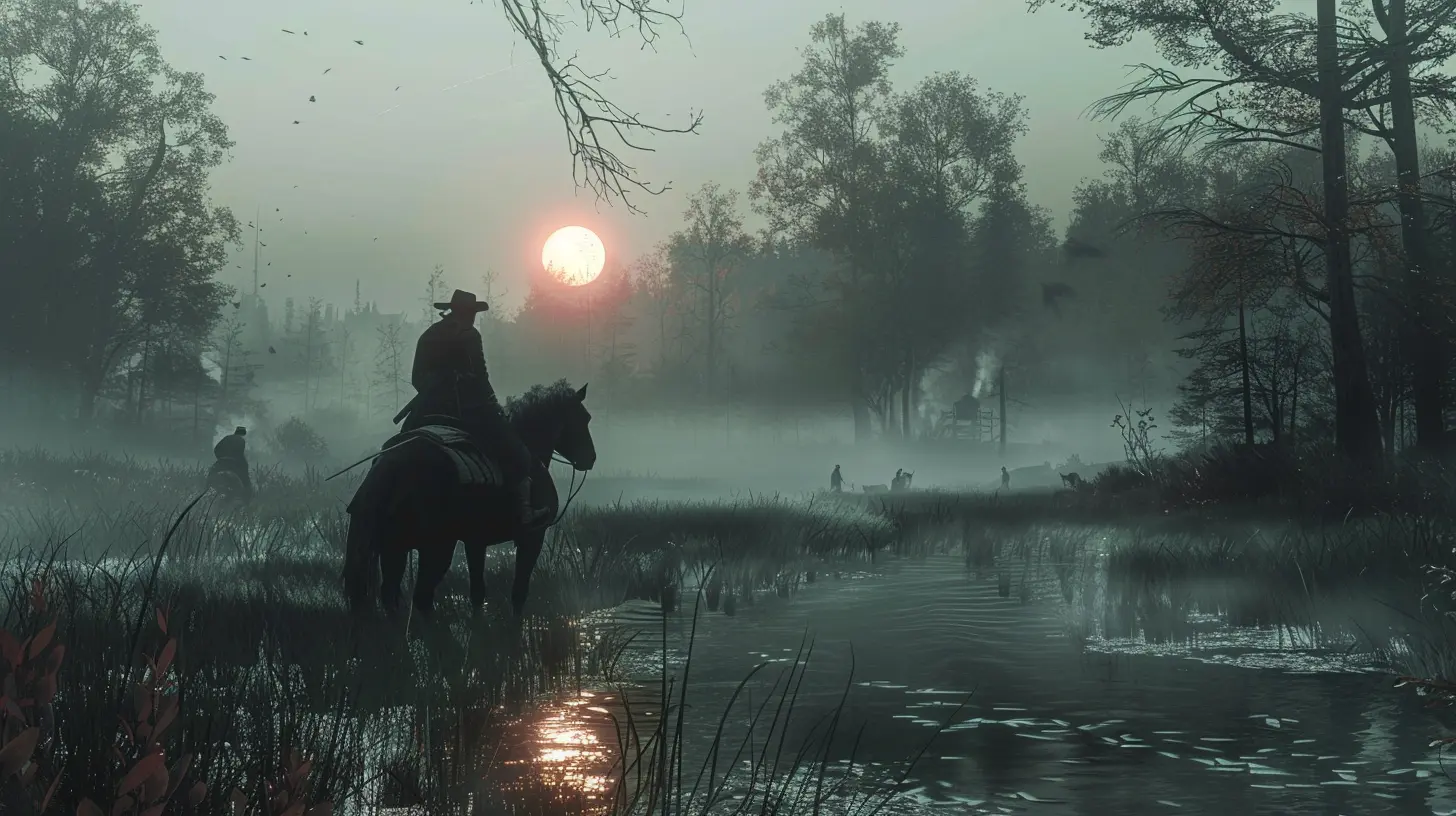
The Greatest Hits: Game Trailers That Told a Story and Rocked Our Socks Off
Time to roll out the red carpet for the best of the best. These narrative-driven trailers didn’t just tease the game—they told a complete, compelling story in just a few minutes. And yes, they live rent-free in our heads.🎭 The Last of Us (Reveal Trailer)
Let’s just start with the king, shall we? Nobody—and I mean nobody—does emotionally devastating like Naughty Dog. The reveal trailer for The Last of Us didn’t just show us a post-apocalyptic world; it invited us into it. That eerie, slow unraveling of father-daughter vibes, the devastation of humanity, and the soft piano music? Chills. Literal chills.It was less “coming soon” and more “prepare to cry a lot, and then thank us for the trauma.”
🧟 Dead Island
Ah yes, the trailer that dropped jaws in 2011 and made us all think we were getting the next emotional zombie masterpiece. (Spoiler alert: the actual game was... fun, but not Oscar material.)But that trailer, man. Played in reverse, showing a child’s descent into chaos? That was art. Disturbing, beautiful, and hauntingly poetic. It set a new bar for how deep a game trailer could cut—without showing a single line of gameplay.
👨🚀 Mass Effect 2 (Launch Trailer)
Let’s get nerdy, space-nerdy. The launch trailer for Mass Effect 2 turned a sci-fi RPG into a cinematic experience. Commander Shepard’s voiceover, the stakes galactic, the team assembling like the Avengers in space—pure magic.It played like a build-up to the best movie you never knew you needed to play, not just watch. And you better believe we were there, day one, suit on, moral compass ready.
🎩 Bioshock Infinite
Columbia, floating cities, political undertones, and a girl with interdimensional powers—sounds like a fever dream, right? But the Bioshock Infinite trailer took all that madness and wrapped it into an emotionally-gripping teaser that had us practically chucking money at the screen.That moment Elizabeth reaches out her hand while Booker’s being dragged? A storytelling punch in the gut. We didn’t know what was happening, but man were we into it.
🕷 Spider-Man (PS4)
Because what’s a superhero game without a trailer that feels like a comic book come to life?Insomniac's Spider-Man trailer had everything—narrative hooks, high-flying action, and a Peter Parker who sounded tired. Not just from fighting crime, but from being emotionally exhausted. And that, my friends, is how you humanize a web-slinger.
Why We’re Obsessed (And You Should Be Too)
So, why do we remember narrative-driven trailers more than half the stuff in our inbox? Easy. Because they make us feel something. And in a world oversaturated with bite-sized ads and flashy visuals, emotional storytelling stands out like a shiny legendary drop in a pile of common loot.Narrative trailers respect your intelligence. They don’t just say, “Here’s what you’ll do.” They say, “Here’s why you’ll care.” And honestly, that’s the kind of emotional manipulation we’re totally here for.
Not All Heroes Wear Capes: Unsung Gems in Narrative Trailers
Okay, let’s shine a light on some lesser-known—but still epic—narrative trailers.🔮 Hellblade: Senua’s Sacrifice
Let’s give a standing ovation to Ninja Theory. This trailer was raw, vulnerable, and unsettling in the best way. Mental illness personified, a heroine haunted by voices, and an emotional journey that screamed, “This isn’t your average sword-swinging adventure.”It dared to be uncomfortable. And we loved it for that.
🧙 Dragon Age: Inquisition
Bioware strikes again. The trailer gave us prophecy, conflict, and magic—oh my! But what sold it? The voiceover. That gravelly, ominous narrator just made everything 42% more epic. And the visuals? Like someone cast a level-100 storytelling spell.What Can Developers Learn From These Gems?
Narrative-driven trailers aren't just fluff—they're strategic storytelling weapons. They can build fandoms before a game even launches.So, devs, take notes:
- Give us characters we feel for in seconds.
- Respect the audience’s brains—no need to dumb it down.
- Show us why we should care, not just what we’ll do.
- Use visuals and music like you're making a short film, not just an ad.
Trust us, we’ll be tweeting about your trailer before the YouTube buffer even finishes.
In Conclusion: Tell Us a Story, Or Tell Us Nothing
In a sea of generic sizzle reels, narrative-driven game trailers are the shining beacons of emotional wizardry. They get burned into our memories, shared across social media, turned into reaction TikToks, and dissected frame-by-frame by lore nerds.And honestly? That’s what we want. We want to get hyped, feel something deep, and yell “TAKE MY MONEY!” before even seeing a health bar.
So here’s to the studios that get it. To the trailers that don’t just show us a game—but whisper a story we’ll never forget.
And to the rest? Well… step up your game. Literally.
all images in this post were generated using AI tools
Category:
Game TrailersAuthor:

Jack McKinstry
Discussion
rate this article
2 comments
Sloane Cox
I love how narrative-driven game trailers can evoke emotions and set the tone for a game's story. They truly enhance the gaming experience. Great article!
February 7, 2026 at 4:27 AM
Jack McKinstry
Thank you! I'm glad you enjoyed the article. Narrative-driven trailers really do have a unique power to immerse players in the story before they even start the game!
Aria Kirkland
Narrative-driven game trailers are an art form, masterfully distilling complex stories into captivating snippets. They evoke emotion, spark curiosity, and build anticipation, transforming mere marketing into an immersive glimpse of the game's rich world.
February 2, 2026 at 4:07 PM
Jack McKinstry
Absolutely! They truly encapsulate the essence of the game, offering players a tantalizing preview that resonates emotionally and piques interest.