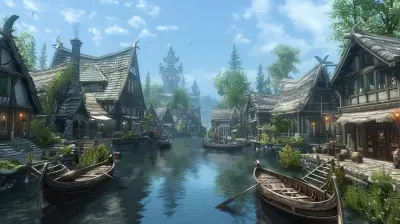
Player-Owned Marketplaces and the Future of In-Game Trade
15 June 2026
In the neon-lit alleyways of our favorite virtual worlds, behind every character wielding a fire sword or sporting flashy armor, lies a not-so-hidden economy — one that’s buzzing, growing, and evolving in ways we never thought possible. We're talking about player-owned marketplaces, where power is shifting from game studios to the players themselves.
But what does this mean for the future of in-game trade? And why should you — whether you're a casual player, a hardcore raider, or an indie game dev — care about this emerging digital renaissance?
Grab your enchanted cloak, equip your curiosity, and walk with me through the pixelated bazaar of online gaming’s next big chapter.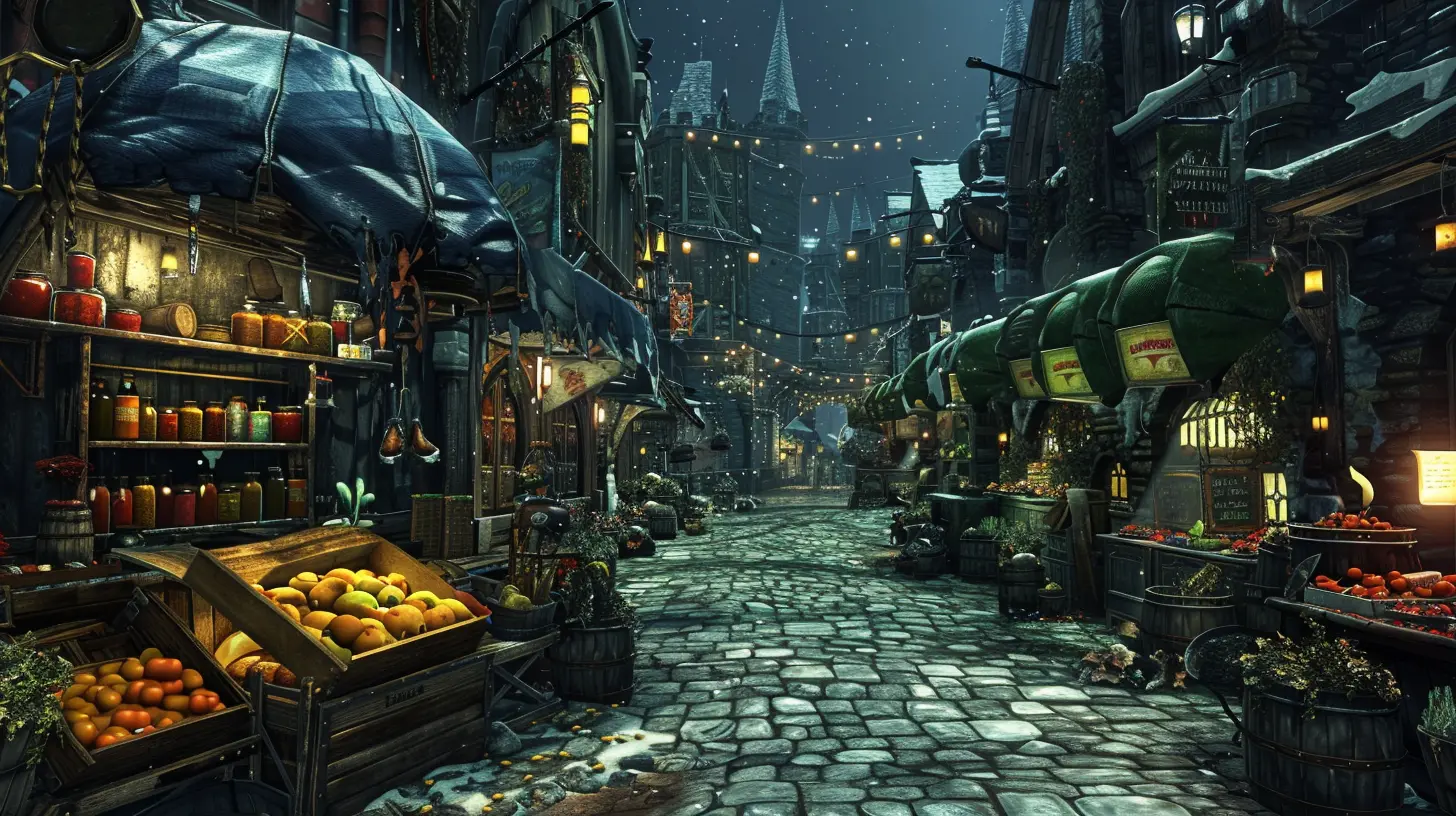
The Evolution of In-Game Trade: A Quick Flashback
Once upon a time (cue nostalgic background music), in-game trading was simple. You'd meet another player in front of a castle or in the shadows of a marketplace district, type "/trade", and swap your iron sword for a healing potion.It was charming, personal, sometimes shady — and always fueled by trust.
Then, developers stepped in.
They built auction houses, added trade restrictions, and designed game economies that mirrored real-life capitalism. Gold sellers popped up. Bots flooded markets. Games like World of Warcraft had entire servers shaped around trade.
And yet, through all that evolution, one thing remained true: players wanted ownership — of their items, their currencies, and their trade experience.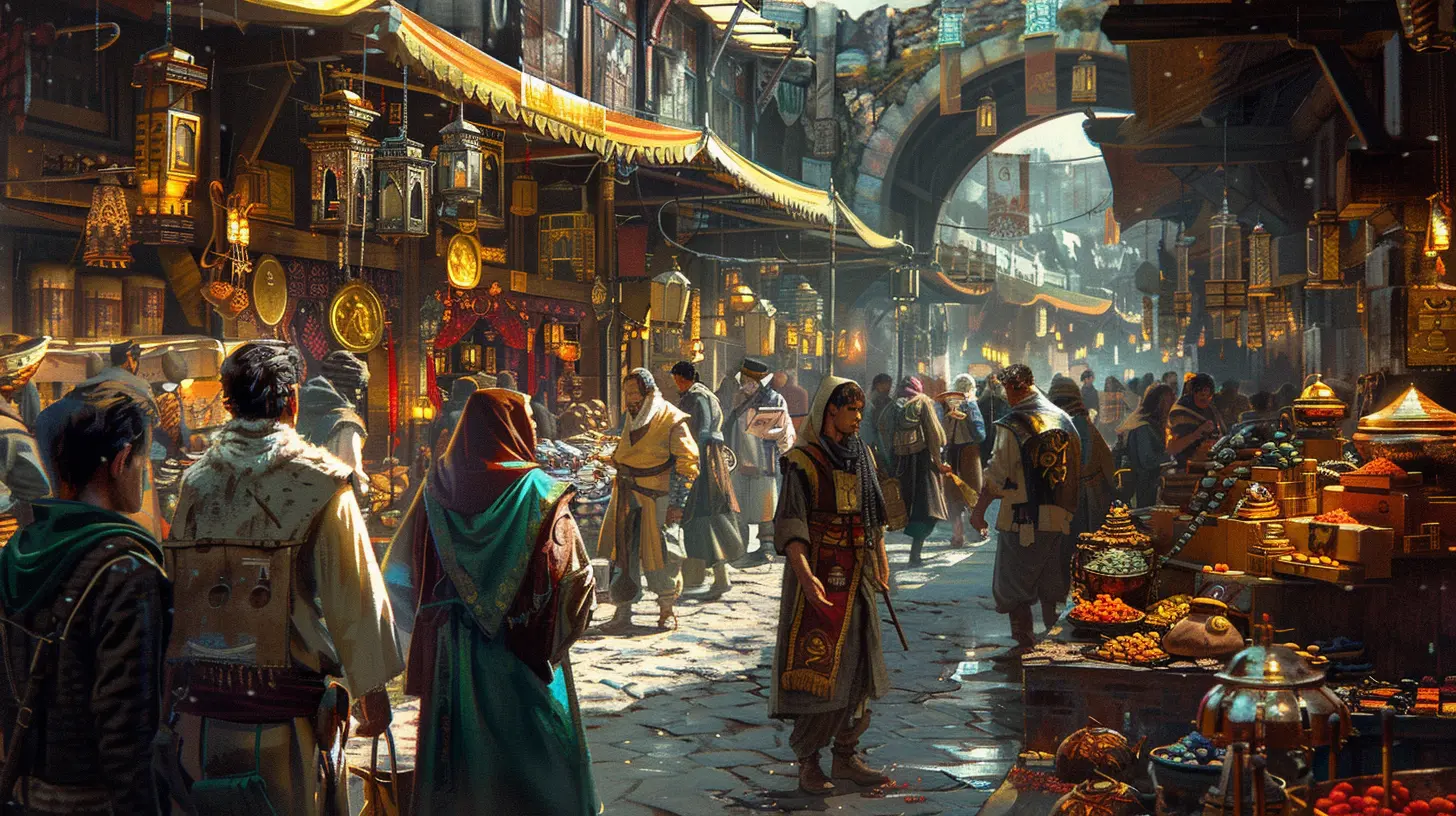
What Are Player-Owned Marketplaces?
Let’s break it down in plain English.A player-owned marketplace is a trading platform within a game — or linked to it — that's not controlled entirely by the game developer. Instead, the power lies in the hands of the players. You set the price. You define the supply. You control the demand.
It’s like Etsy for gamers. Except instead of handmade bracelets, you're selling digital cloaks, rare mounts, and pixel art real estate.
And with blockchain tech and NFTs sneaking into mainstream gaming, some of these trades are becoming real-money transactions — not just in-game gold.
The Rise of Digital Ownership
We live in a time where people buy virtual sneakers, rent digital apartments in metaverses, and collect pixelated rocks worth more than actual cars. Sounds bonkers, right?But in this chaos, a clear trend is emerging: ownership matters.
When games give players the right to truly own, sell, or transfer their in-game items outside the game’s ecosystem, it changes everything.
Want to sell your dragon mount because you're switching games? Go ahead. Want to rent out your maxed-out character? The right system could let you do that. This is where player-owned marketplaces shine — they embrace this freedom.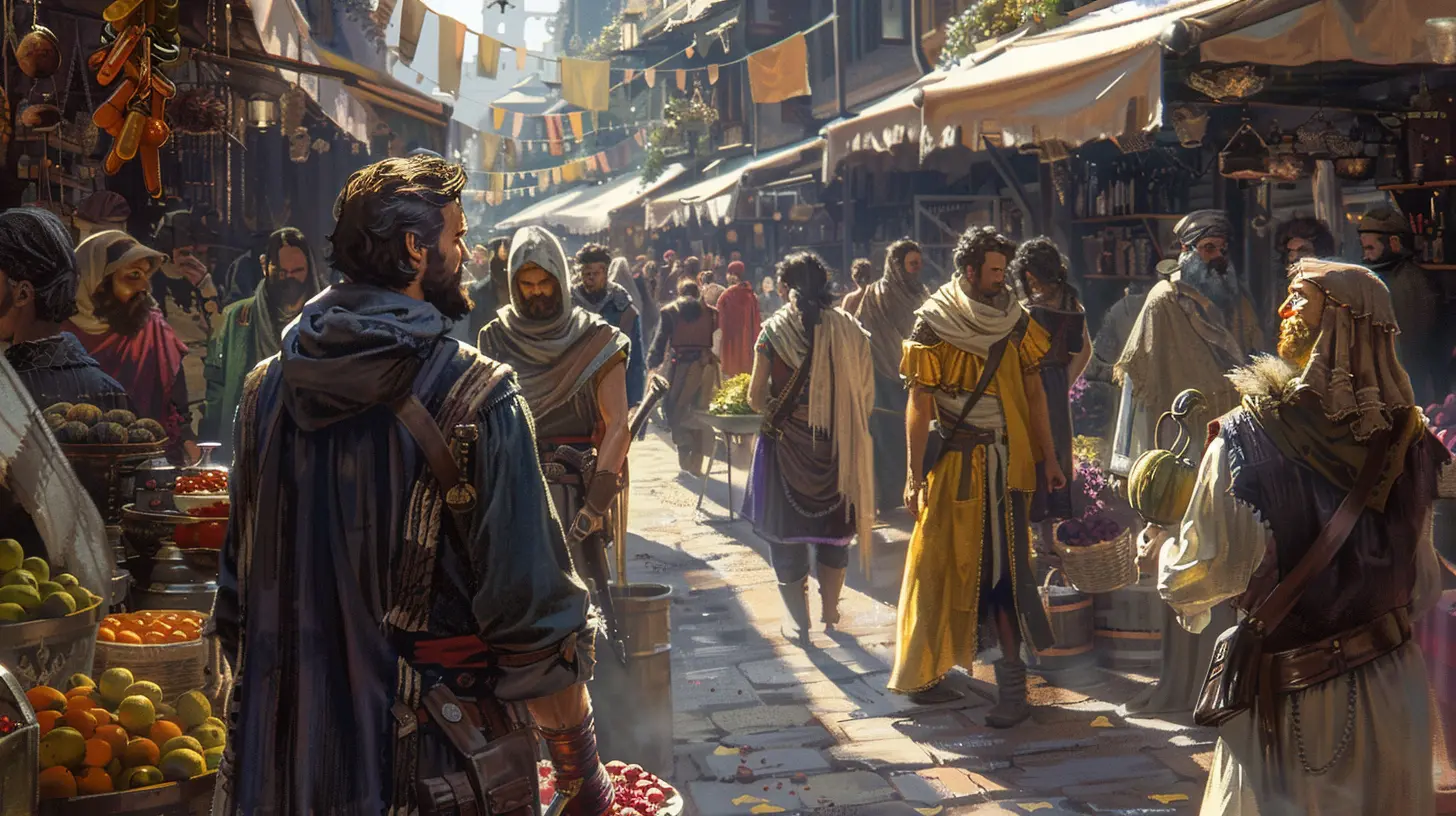
Benefits of Player-Owned Marketplaces
1. Economic Freedom for Players
Let’s be honest — we gamers invest hours, sometimes months, grinding for loot, crafting gear, and building assets. Shouldn’t we be able to sell that epic sword we spent 200 hours farming?Player-owned marketplaces liberate your in-game assets. You’re no longer stuck with items depreciating in your inventory. They can be traded, sold, or even used as collateral in some blockchain-based ecosystems.
2. Empowering the Community
Trading becomes more than just a means to an end. It fosters community interaction, creates micro-economies, and turns players into entrepreneurs.Imagine guilds starting their own market stalls or entire player factions managing supply chains. It’s like the Silk Road of video games, only sweatier and more pixelated.
3. Reducing Pay-to-Win Models
Here’s the twist — while some fear player economies enable "pay-to-win", the opposite can also be true.When players control the market, developers have less incentive to flood the game with microtransactions. Instead of buying directly from developers, players buy from each other. The value stays within the community, not in corporate bank accounts.
The Blockchain Connection: Hype or Hope?
You knew this was coming, right?Blockchain and NFTs have sparked serious debates in gaming circles. Some folks love the idea of decentralized ownership and trustless trade. Others see it as a cash grab led by crypto bros in virtual hoodies.
But here's the thing: blockchain tech could be the backbone of secure, player-driven economies.
It ensures true ownership with smart contracts. No more item dupes, trade scams, or game bans wiping your inventories. If implemented right (and ethically), this tech could build trust and transparency in trading systems.
Still, it’s a double-edged sword. The moment a game becomes more about profit than play, it risks losing its soul. So devs need to walk this fine line like a rogue sneaking through a goblin camp — silently and skillfully.
Open Economies: The Sandbox and Star Atlas Approach
Let’s look at some real-world (well, virtual world) examples.The Sandbox
In The Sandbox, players buy land, build experiences, and sell assets — all powered by blockchain. Their marketplace isn't just about buying and selling. It's about co-creation. Artists, builders, collectors — everyone has a role in this digital economy.Star Atlas
This ambitious space MMO merges DeFi, NFTs, and Unreal Engine to create a universe where everything has value. You can trade ships, crew, planets — even political influence.Yes, it’s early days. But these titles show just how far player-owned economies can go when given creative freedom.
Challenges to Overcome
Alright, not everything is rainbows and loot boxes.1. Legal and Tax Implications
When game items become real-world assets, governments want their slice of the pie. Players will need to report income, and that means complex tax rules entering your cozy gaming space.Not to mention, cross-border trades and regulations could become tangled webs of bureaucracy and red tape.
2. Scams, Bots, and Exploits
With real money on the line, bad actors will swoop in like vultures. Phishing schemes, market manipulation, and automation will need to be countered with slick moderation tools and ironclad smart contracts.3. Developer Resistance
Not all developers want to give away control. And that’s fair. Creating a balanced economy with open trade systems is hard. It takes vision, technical prowess, and the courage to embrace decentralization.So, many AAA studios still hesitate — preferring tightly controlled systems that ensure monetization funnels remain untouched.
The Hybrid Model: A Win-Win Future?
Here's a cool thought — what if the future isn't purely decentralized or centralized?What if we had hybrid models, where developers retain some oversight to ensure fairness, but players still enjoy freedom in buying, selling, and transferring assets?
Think of it like a city market managed by a mayor. There are rules, yes — but merchants (aka players) still run their stalls, haggle prices, and build reputations.
This model would allow innovation without chaos, freedom without anarchy.
The Role of Game Developers: Architects, Not Gatekeepers
If player-owned marketplaces are the future, then developers should shift from being gatekeepers to being architects of ecosystems.Give players the tools. Build secure frameworks. Let the economy breathe.
The result? A richer, more vibrant community where players feel invested — not just emotionally, but economically.
And let’s be honest — when players feel like part of a world, they stick around longer. Engagement rises. Word-of-mouth spreads. Everyone wins.
The Future Is Player-Powered
The age of static loot drops and one-way economies is fading into legend. Rising in its place is a new landscape — dynamic, player-driven, and rooted in digital ownership.Games are no longer just games. They’re becoming worlds with jobs, markets, and real stakes. And as players start running their own marketplaces, the line between playing and living begins to blur.
Sure, there will be challenges. And yes, the path is still being paved. But one thing’s for sure — the loot isn’t just in the dungeon anymore. It’s in the economy we’re all building together.
TL;DR – Key Takeaways
- Player-owned marketplaces give control and freedom back to players in digital economies.- These systems are empowered by blockchain technologies and concepts of digital ownership.
- Benefits include stronger communities, reduced pay-to-win mechanics, and actual economic opportunity.
- Risks? Yep, you’ve got scams, legal gray areas, and developer resistance.
- The most likely future? A hybrid model that balances structure with player agency.
- Game devs must evolve into ecosystem designers, not just content creators.
Final Thoughts
The future of in-game trade isn’t locked behind a loot chest or hidden in patch notes — it’s unfolding across forums, game design blueprints, and digital ledgers. It’s a world where players aren’t just adventurers or warriors — they’re traders, builders, and stakeholders of virtual realms.And if we play our cards right, that future? It'll be nothing short of legendary.
all images in this post were generated using AI tools
Category:
In Game EconomyAuthor:

Jack McKinstry
Discussion
rate this article
2 comments
Hudson Johnson
This article offers valuable insights into player-owned marketplaces and their potential to reshape in-game trade. As players seek more control and ownership, these developments could enhance engagement and create exciting opportunities. Looking forward to seeing how this trend evolves in the gaming landscape.
September 10, 2026 at 4:00 AM
Jemima McGonagle
What if the future of gaming hinges on player-driven economies? As we step into this new realm, will we see innovation or chaos? The balance of power shifts... and the players hold the key.
June 23, 2026 at 4:59 AM
Jack McKinstry
Player-driven economies can spark both innovation and chaos. It really depends on how developers manage these systems and how players engage with them. The potential is huge, but so are the challenges.