Should Players Have Full Control Over In-Game Markets?
20 July 2026
Gaming has evolved in ways we never imagined. What started as a simple pastime has now become a fully-fledged universe—complete with functioning economies, rare digital collectibles, and even player-run marketplaces. But this leads us to a burning question that’s been poking the minds of developers, players, and economists alike:
Should players have full control over in-game markets?
If you've ever grinded for hours in an MMORPG to earn currency, only to see that same currency tank in value because some player dumped tons of items on the market... you know exactly why this debate exists. So, let’s break this down together—how player-driven economies work, the pros, the cons, and ultimately whether or not players should be calling all the shots.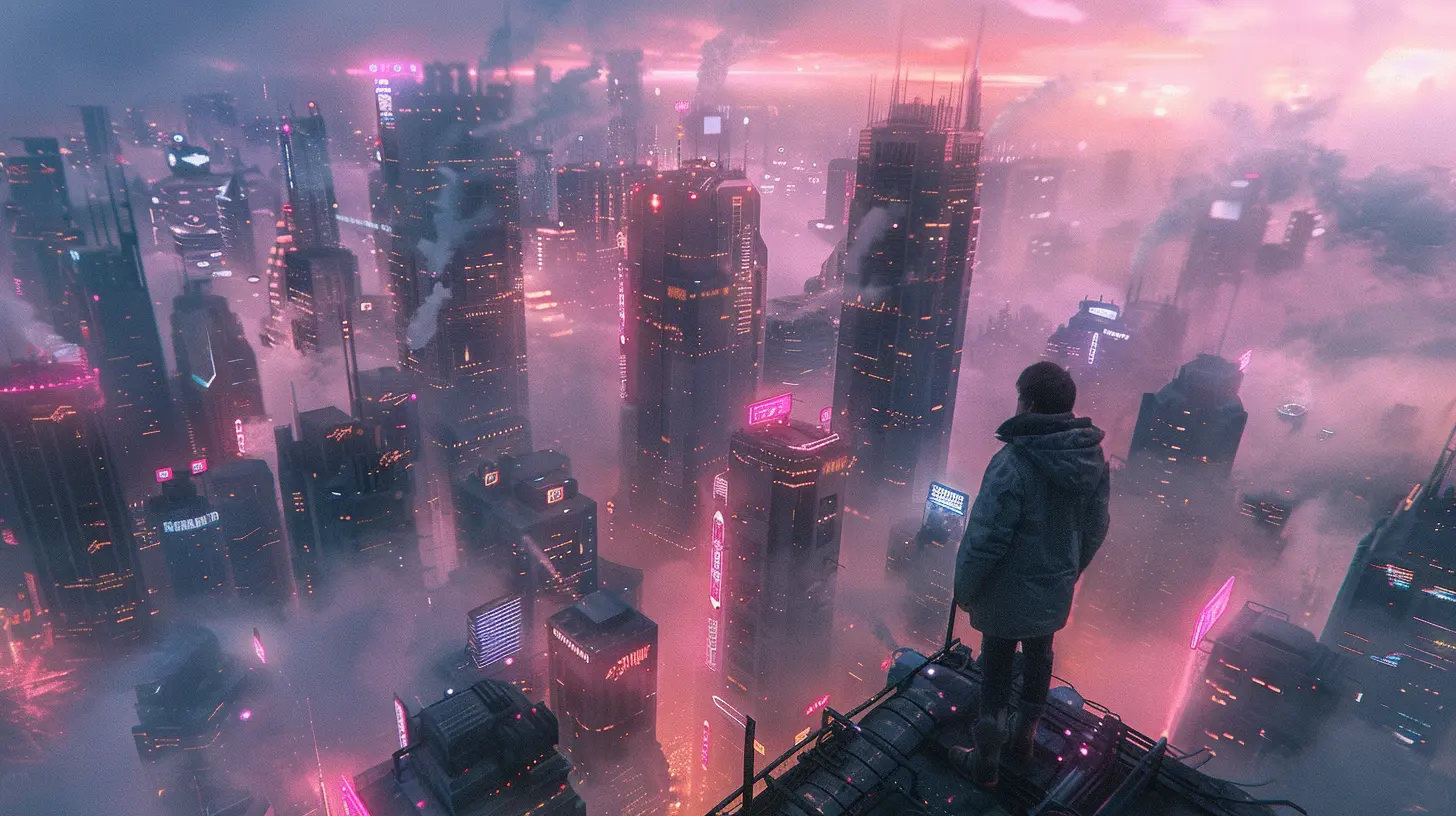
What Are In-Game Markets Anyway?
Before we dive headfirst into the deep end, let’s make sure we’re on the same screen.In-game markets, also called virtual economies, are systems within video games where players can buy, sell, and trade virtual goods and services. Think armor, skins, weapons, crafting materials, potions—you name it. Sometimes these markets use in-game currency, and sometimes they involve real-world money.
Some famous examples?
- The Grand Exchange in RuneScape
- The Auction House in World of Warcraft
- Steam Marketplace (Skins for CS:GO, Dota 2)
- Eve Online’s absolutely bonkers player-run economy
But who controls these economies? That’s where the real fun begins.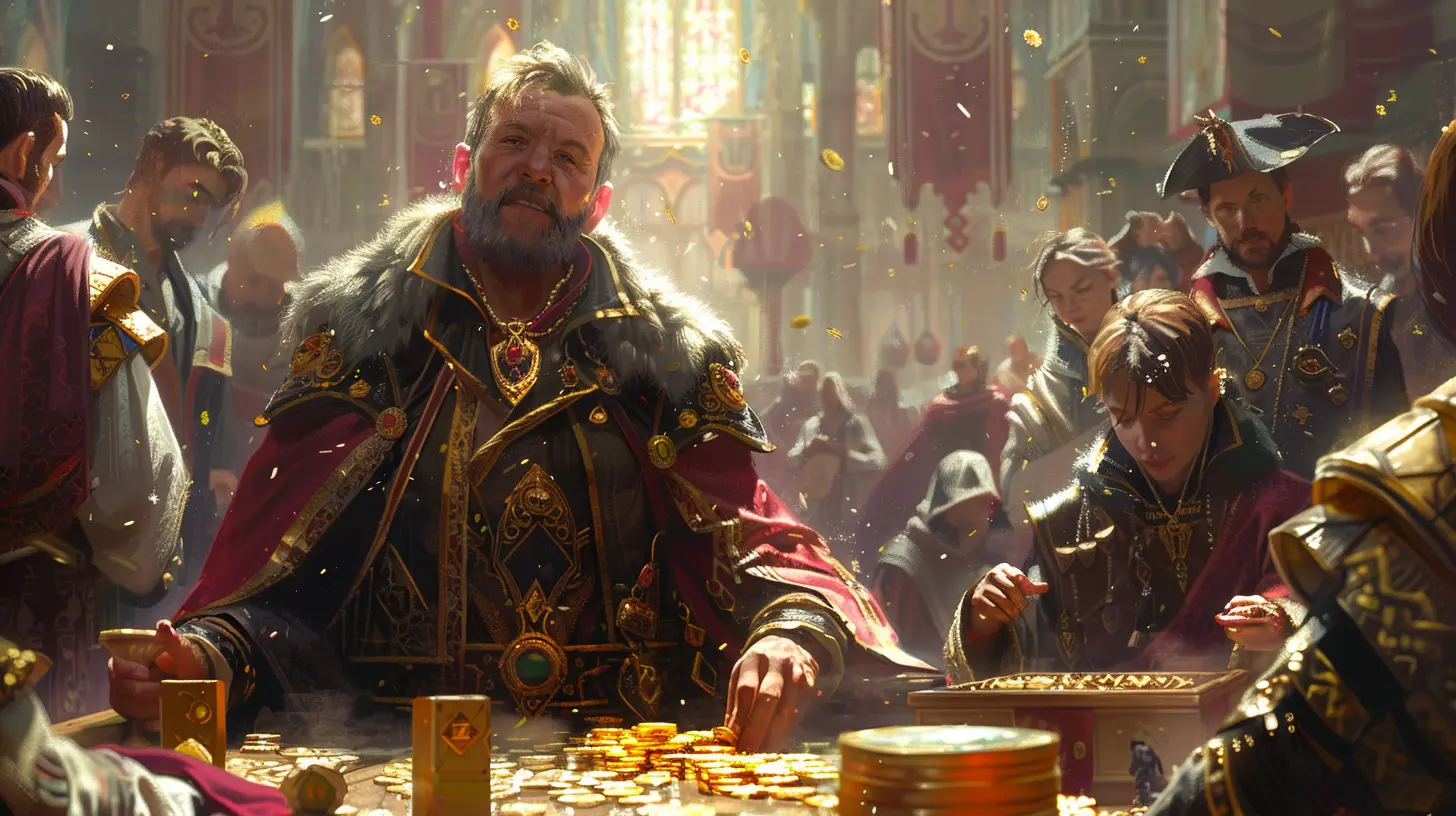
Player-Controlled vs Developer-Controlled Economies
There are two ends of the spectrum here.1. Developer-Controlled: These are tightly-regulated. Developers set item prices, regulate inflation, limit trading features, or even restrict which items are tradeable.
2. Player-Controlled: Here, players are mostly free to trade whatever, whenever, and however they like. Prices are driven by supply and demand, just like a real-world economy.
So, should the in-game economy work like Wall Street? Or should it be more like a vending machine—predictable and pre-defined?
Let’s weigh our options.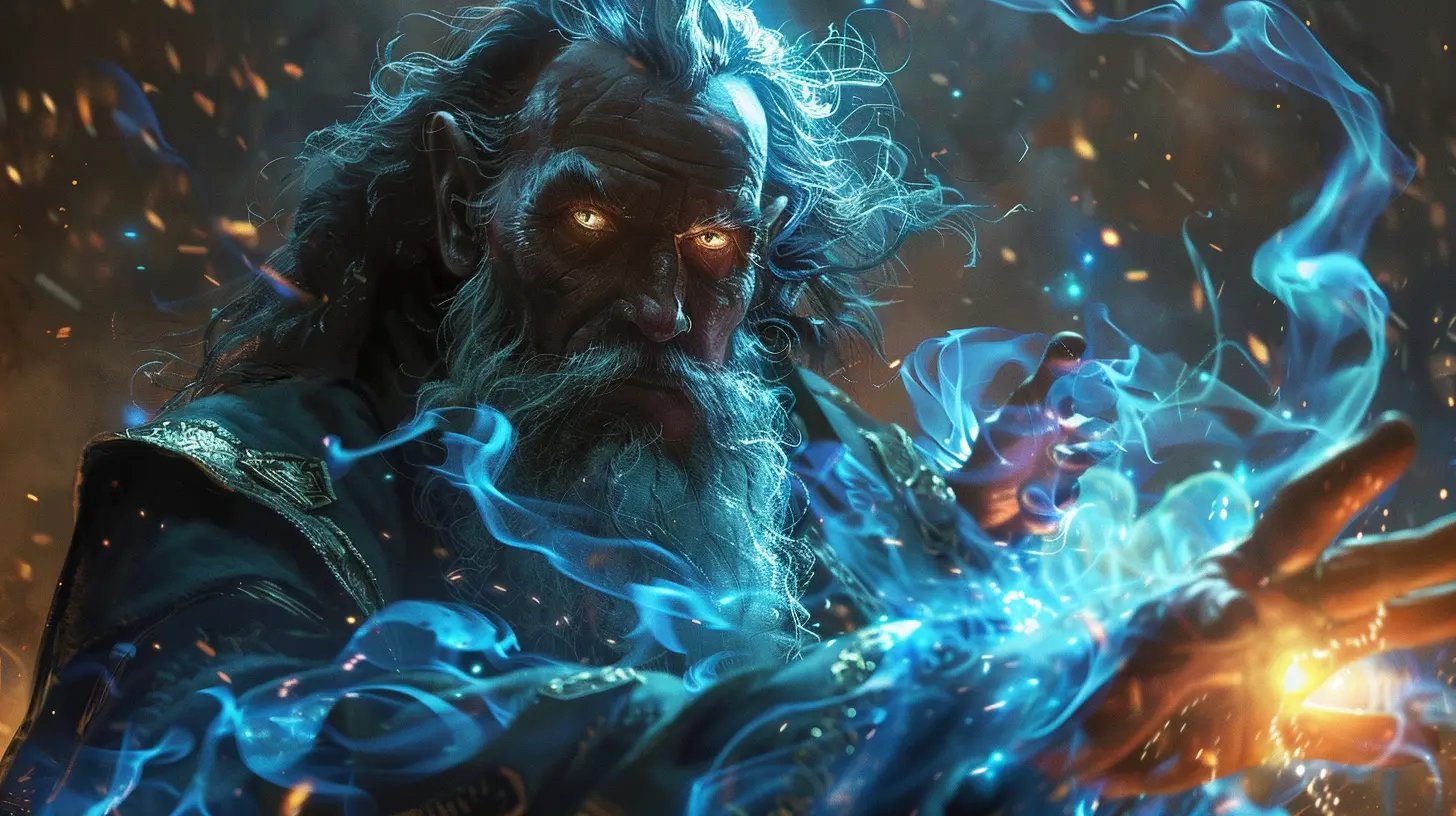
The Case FOR Player-Controlled Markets
1. It Makes the Game Feel Alive
Ever walked through a bustling marketplace in a game like Final Fantasy XIV or Eve Online? It feels real. That’s because it is—sort of.When players control the economy, items have value based on real player activity. That sword you're selling? Its price could skyrocket if there's a sudden shortage. It's supply and demand in action!
That dynamic ecosystem adds so much depth to gameplay. It makes players feel like they truly influence the world around them. You're not just playing the game—you're a part of it.
2. Encourages Strategy and Entrepreneurship
Player-driven markets breed creativity. It’s not just about slaying dragons anymore—it’s about watching price trends, flipping rare items, and even cornering the market.Some players build entire careers inside games. (Seriously, people have paid rent through in-game trading.) There are in-game tycoons who study markets like Wall Street brokers, and a strong economy lets them thrive.
And hey, not every gamer wants to be on the frontlines. For some, being a virtual economist is half the fun.
3. Creates Real Stakes and Rewards
With real control comes real risk—and reward.Craft something valuable? You can sell it and fund your gear upgrades. Find a market niche? Milk it until the competition shows up. These opportunities make the grind feel worthwhile.
Rather than everyone having cookie-cutter items, you get true uniqueness. That rare drop you farmed for 20 hours? It’s worth something—maybe even a lot. That sense of value only exists when the market isn’t being artificially controlled.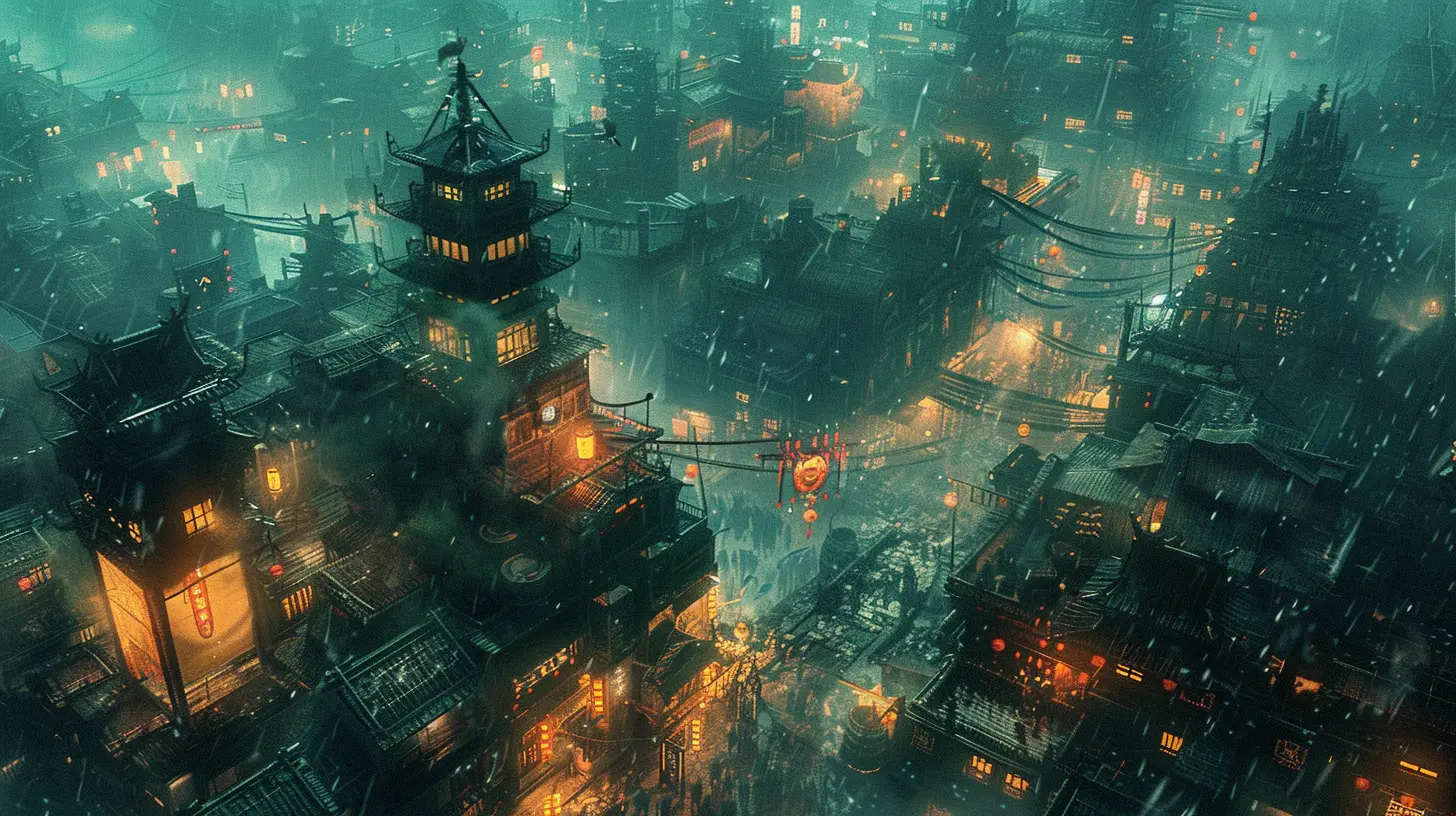
The Case AGAINST Player-Controlled Markets
1. Economy Instability Is Very Real
Let’s not sugarcoat it—player-run markets can go haywire fast.People hoard items, manipulate prices, or trigger massive inflation. One well-organized guild can crash an economy just for fun (or profit). It’s like giving a toddler the keys to a Ferrari.
Without oversight, the economy can spiral into chaos. New players find prices impossibly high. Scarcity becomes unfair. And suddenly, the game feels more frustrating than fun.
2. It Can Attract Cheaters and Bots
Where there’s money to be made—even virtual cash—you’ll find bots, scammers, and exploiters.In games with player-driven markets, automation runs rampant. Bots farm rare items 24/7, sell them, and flood the market. That kills item value and ruins the experience for honest players.
Not to mention the shady side hustles—real-money trading (RMT), duping exploits, black markets. Yep… it gets messy.
3. It Can Make Games Pay-to-Win
In some cases, rich players can just buy their way to victory. Got money to throw at expensive gear on auction? Congrats—you now outclass 95% of players who earned their stuff the hard way.While freedom is fun, some players feel discouraged seeing others leapfrog them with nothing but a fat wallet. It's one of the biggest criticisms of games with open economies.
The Goldilocks Zone: A Hybrid Approach?
Maybe the answer isn’t absolute chaos or strict control. Maybe it’s somewhere in between—like a carefully-tuned sandbox.Many successful games use hybrid systems. They let players trade, sell, and shape the economy—but within certain boundaries.
Here’s what a balanced approach might look like:
- Limited tradeable items to curb inflation
- Developer intervention during extreme fluctuations
- Caps on market prices or taxes to deter manipulation
- Systems to detect and ban bots or RMT activities
- Seasonal resets or rotating items to keep things fresh
This way, players experience the thrill of a real economy without the downsides of a digital Wild West.
Real-World Examples: What Can We Learn?
RuneScape
RuneScape was ahead of its time. The Grand Exchange is a prime example of a player-driven marketplace. At times, it worked wonderfully. Other times, it got overrun by gold farmers. Jagex had to step in repeatedly to stabilize things.Lesson? Player markets are fun but need babysitting.
Eve Online
Probably the most ambitious game economy ever made. It’s practically a functioning economy on its own—with supply chains, corporations, and market crashes.CCP Games even hired real economists to study and guide it. That’s next-level stuff.
Lesson? With the right tools, player economies can flourish—but it’s insanely complex.
Diablo III (Auction House Disaster)
Blizzard let real money influence item trading. It didn’t go well. Players exploited the system, and the game felt more like a job than a dungeon crawler.Eventually, Blizzard killed the Auction House. The community breathed a sigh of relief.
Lesson? When profit outweighs fun, something’s broken.
So... Should Players Have Full Control?
Honestly? It’s complicated—and personal.If you’re all about immersion, trade strategy, and player freedom, then yes, a fully player-run market might be your jam.
But if you’re here for casual fun and balanced gameplay, that kind of chaos might ruin it for you.
At the end of the day, games are about enjoyment. And while a wild player-driven market can be thrilling, it shouldn’t come at the expense of fair play or game stability.
So maybe the best solution isn’t giving players full control… but giving them meaningful control, with smart guardrails. Think of it like bowling with bumpers—you still get to roll your own game, but you won't end up in the gutter.
Final Thoughts
In-game markets are a fascinating mirror of real-world economies. They tell stories, build communities, and turn ordinary players into legendary traders.But like any system, they need balance. Too much control, and the fun gets crushed. Too little, and chaos reigns.
So when asked, “Should players have full control over in-game markets?”—our answer shouldn’t be a simple yes or no.
It should be, “How do we give players control that feels fun, fair, and meaningful?”
That answer might be different for every game. And that’s okay.
Keep trading, keep grinding, and most importantly—keep having fun.
all images in this post were generated using AI tools
Category:
In Game EconomyAuthor:

Jack McKinstry
Discussion
rate this article
1 comments
Thea Franklin
Players should absolutely have full control over in-game markets. Giving them the freedom to trade, invest, and influence economies enhances engagement and creates a dynamic environment, making the gaming experience richer and more rewarding.
July 22, 2026 at 4:21 PM
Jack McKinstry
I agree. Empowering players in in-game markets boosts engagement and creates a vibrant economy that enriches the overall gaming experience.