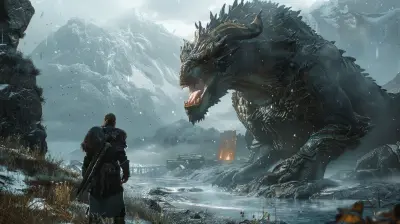
Story Arcs That Work in Open World Games
13 August 2026
Open world games are a blast, aren't they? Who doesn’t love the freedom to roam vast digital landscapes, uncover hidden secrets, or just go fishing instead of saving the world? But hey, let’s be real—open world games are only as good as the stories they tell. Without a compelling story arc, even the most beautiful open world can feel, well… empty.
So, what exactly makes a story arc work in an open world game? How do game developers keep us engaged when we’re off chasing side quests, petting wolves, or climbing every single mountain we see? Let’s break down the frameworks, tropes, and tricks behind the most captivating story arcs in open world gaming.
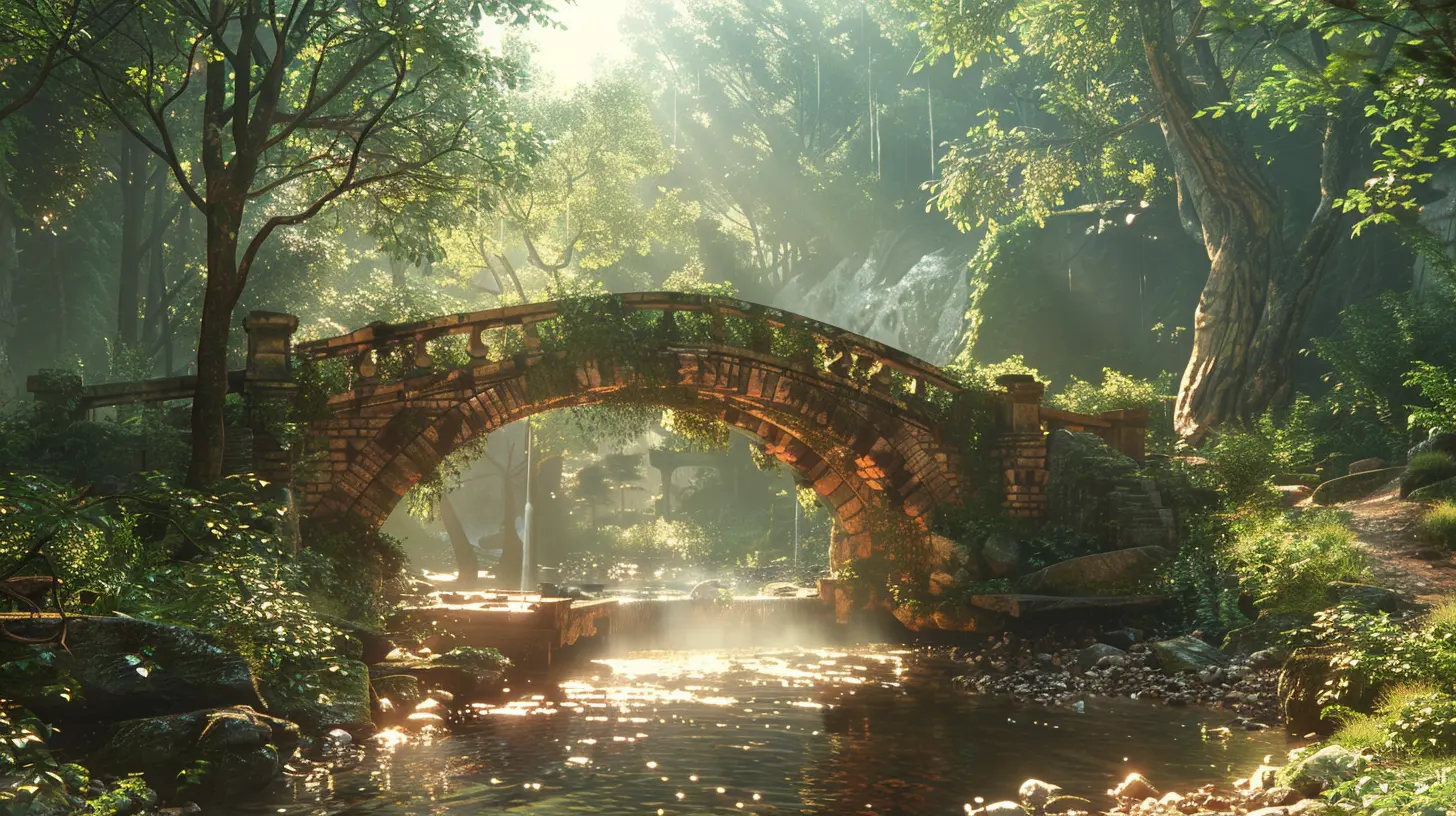
What Is a Story Arc, Anyway?
Before we dive deep, let’s get one thing straight. A story arc is basically the journey your character goes on. It includes a beginning (where you usually get thrown into chaos), a middle (where things get worse), and an end (where everything comes to a head). It’s the backbone of any good narrative.Now, in open world games, it’s not so simple. Players can go anywhere, do anything, and sometimes avoid the main quest entirely for hours (or weeks). So, the story arc has to be flexible enough to hold up, even when the pacing goes completely off-script.
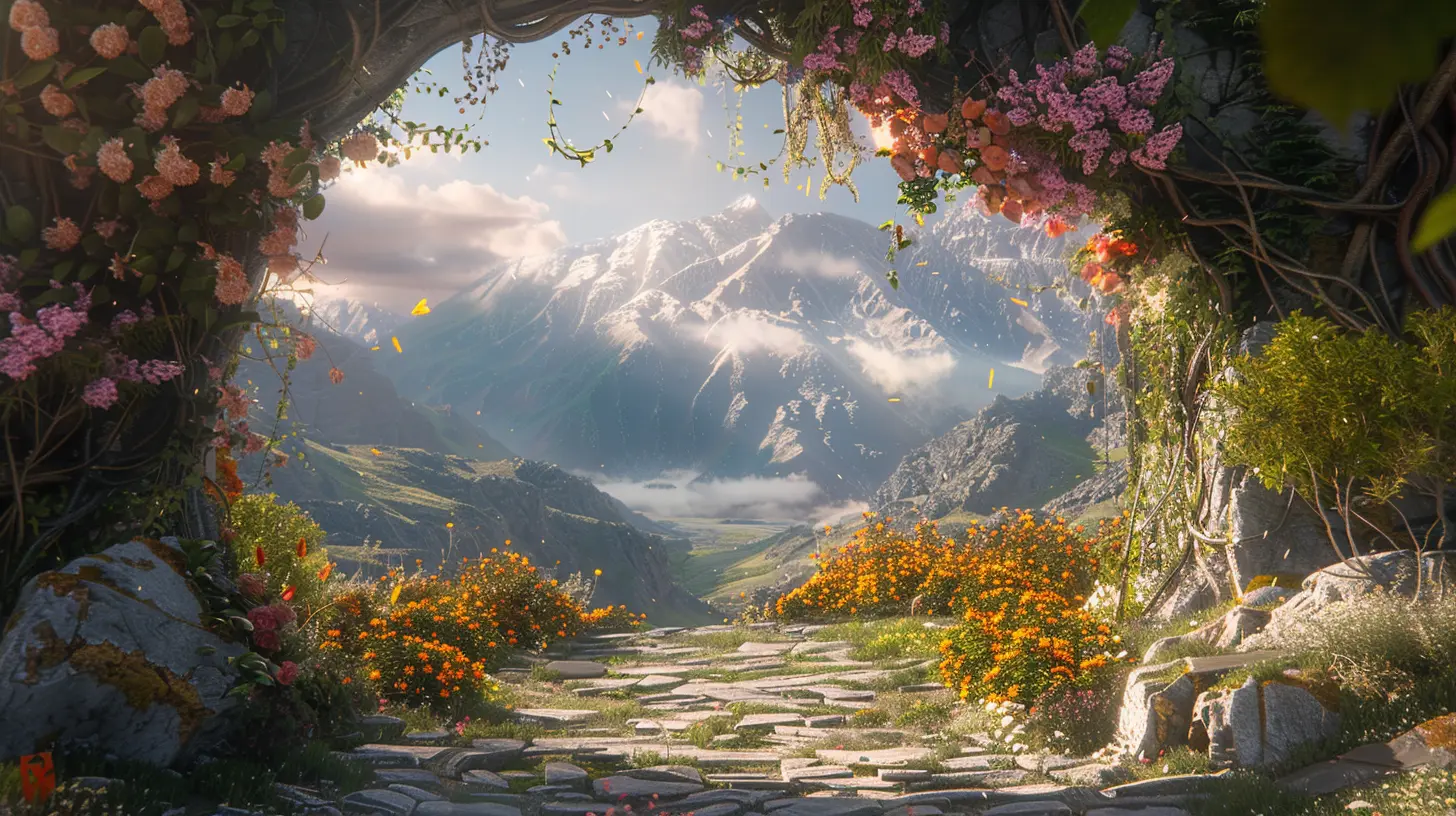
The Challenge of Storytelling in Open Worlds
Open world games give players control—and that’s both a blessing and a curse for storytelling. Developers can’t rely on a linear narrative. Instead, they must create layered, immersive stories that can adapt to the player’s choices and movements.Think about it: You could be in the middle of a high-stakes mission, then get sidetracked by an interesting side quest or a stunning waterfall. A good story arc in an open world respects your freedom without losing narrative momentum.
So, how do developers pull that off?
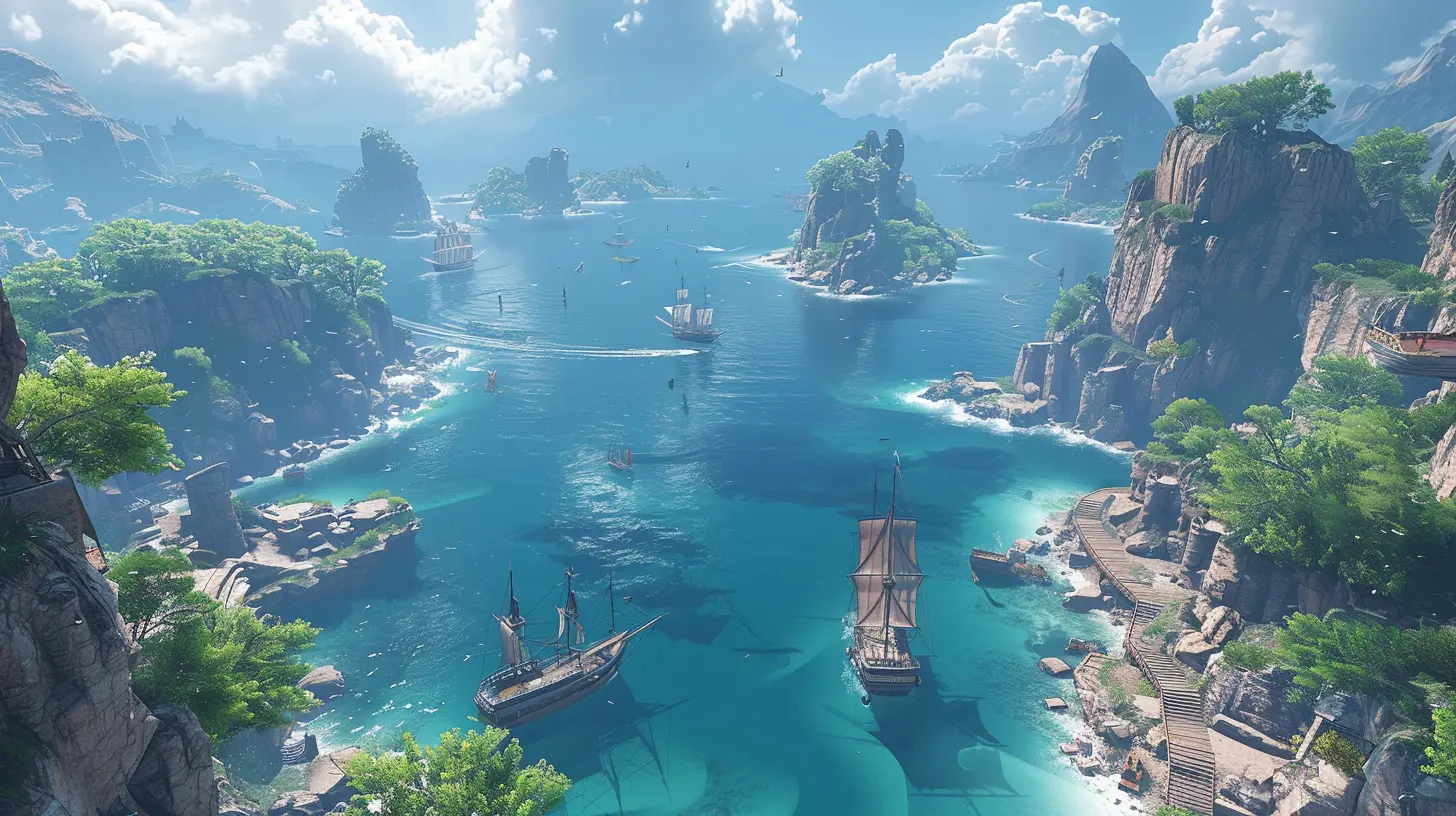
1. The “Hero’s Journey” Still Works Wonders
Let’s start with an oldie but a goodie—the classic Hero’s Journey. If you’ve played games like The Legend of Zelda: Breath of the Wild or Horizon Zero Dawn, you’ve already experienced this arc. Here’s the short version:- You start in your ordinary world (before chaos hits).
- Something calls you to adventure.
- You meet mentors, face trials, and make enemies.
- You hit rock bottom.
- Then you bounce back with new strength.
- Finally, you return home changed—or find a new home.
Why does this arc work so well in open worlds? Because it’s universal. Players can connect with it emotionally. And better yet—it’s modular. Side quests can fit in as trials or mini-arcs, and exploration becomes part of the journey, not a distraction.
Example: Red Dead Redemption 2
Arthur Morgan’s story follows a powerful emotional arc grounded in the Hero’s Journey. As the world around him falls apart, his personal evolution feels natural, even as you spend hours fishing, hunting, or just riding through the wilderness. The story’s emotional weight still hits hard, regardless of how “on track” you are.
2. The “Mystery Unfolding” Arc Keeps You Hooked
Who doesn’t love a good mystery? Some of the most addictive open world games lean heavily into this style of storytelling. You’re dropped into a world full of questions, and little by little, answers come crawling out of the shadows.This type of arc is great for players who like to snoop around every corner. It rewards curiosity and naturally blends exploration into the story.
Example: The Witcher 3: Wild Hunt
Sure, Geralt’s main goal is to find Ciri, but every corner of the world has a story begging to be uncovered. The Bloody Baron arc, for example, is a mini-mystery inside the bigger narrative. It dangles enough questions to keep you intrigued, then delivers a gut-punch conclusion you weren’t expecting. That’s how you pull players in and keep them emotionally invested.3. Personal Growth Arcs Hit Harder Than You Think
Another powerful story arc is the internal transformation—when a character evolves not just in skill or power, but emotionally or morally. These arcs shine in open world games because the player often decides how the character changes.Games that offer player choices often lean into this. The world changes, sure, but so do you by the end.
Example: Mass Effect (Yeah, It’s Semi-Open World)
Commander Shepard’s decisions shape the entire galaxy, but they also shape who Shepard is as a person (or an alien-sympathizing war hero depending on your style). You feel like you’ve truly lived through something meaningful by the end.Even games like Cyberpunk 2077 follow this structure. V’s journey is as much about dealing with mortality and identity as it is about stealing data or upgrading cyberarms.
4. The “World Is a Character” Arc
Sometimes, it’s not the protagonist who has the arc—it’s the world itself. As you progress, the environment changes and evolves, reflecting your impact or the unfolding story.This is especially powerful in open world games because the setting is so immersive. When the world responds to your actions, it feels alive.
Example: Ghost of Tsushima
As you liberate regions of Tsushima, you not only see the land change, but you also notice how people react to you differently. The atmosphere, music, and visuals shift subtly, reinforcing the emotional tone of your progress. It’s storytelling without words—a beautiful kind of narrative magic.5. “Multiple Mini-Arcs” for Infinite Engagement
Some open world games just embrace their non-linearity and go full sandbox. Instead of one epic story, they give you tons of smaller arcs—each self-contained, yet adding up to something meaningful.This works brilliantly for players who love side quests and detours. Done right, these arcs contribute to the broader themes or world lore.
Example: Elden Ring
FromSoftware games have always been cryptic, but Elden Ring perfects the mini-arc approach. NPCs have their own evolving stories, often hidden and easy to miss. Yet, when you follow their paths, you piece together themes of decay, ambition, and sacrifice. It’s storytelling for detectives—and it absolutely works.
6. “Emergent Narratives” that YOU Create
Let’s not forget the arcs that aren’t written at all. Sometimes, the most memorable stories come from the chaos of gameplay itself. These aren’t scripted but unfold naturally thanks to the game's systems.Think of it like writing your own narrative, sometimes entirely by accident.
Example: Minecraft or Valheim
There’s no fixed narrative, but that moment you barely survive a skeleton ambush, build a fortress, and eventually slay a boss? That’s your story arc—and it can be just as compelling as anything crafted by a writer.These emergent narratives lean heavily on player creativity and are supported by open-ended mechanics. The player becomes the storyteller, which can be incredibly empowering (and fun as heck).
How to Keep Story Arcs Engaging in Open Worlds
Alright, we’ve looked at the kinds of arcs that work. But how do developers actually keep them engaging across dozens of hours?Here are a few key strategies they use:
Dynamic Dialogue & World Feedback
When NPCs react to what you’ve done, it keeps you glued to the world. You feel seen. Your actions matter. This keeps the story arc feeling alive, even amid random side content.Thematic Consistency
Even if you're chasing chickens for a farmer in one quest and slaying dragons in the next, if both quests reinforce the same themes (say, courage or legacy), it all feels connected.Organic World Building
Good open world stories aren’t dumped on you—they’re discovered. Environmental storytelling, overheard dialogue, and found letters or journals all contribute to a layered narrative that you unravel at your own pace.Rewarding Consequences
When your choices change the story or world (even in small ways), you stay engaged. Moral choices, relationship paths, faction alignments—when done right—add immense replay value.
Why It All Matters
Open world games are more than just giant maps. They’re interactive stories that you live in. If a player spends 80 hours in your game world and doesn’t remember the main character’s name? That’s a fail in storytelling.The best open world games build arcs that resonate. They give players agency, but also anchor them with emotional depth and narrative payoff. Whether it’s through classic hero journeys, layered mysteries, or dynamic world progression, these story arcs work because they blend freedom with focus.
And when it works? Oh man, it's unforgettable.
So next time you load up a new open world game, pay attention to how it weaves its story. Are you being pulled into a hero’s quest, uncovering a dark mystery, or shaping the world with every step? Chances are, it’s one of these great arcs in action.
Happy questing, and may your next main mission not be five days away from where you’re currently standing!
all images in this post were generated using AI tools
Category:
Game Content CreationAuthor:

Jack McKinstry
Discussion
rate this article
1 comments
Finn Gates
Open world games give us the freedom to explore, but a compelling story keeps us engaged. Great story arcs pull players in, giving meaning to every adventure and choice. When narrative and exploration blend seamlessly, players don't just play the game; they live it. Let's celebrate the power of storytelling!
August 22, 2026 at 2:59 AM
Jack McKinstry
Absolutely! A strong story in an open world game transforms exploration into a meaningful journey, making every choice feel significant. It's all about that balance between narrative depth and freedom.