Stylization Versus Realism in Recent Game Trailers
11 August 2026
Gaming has come a long way. From pixelated plumbers jumping on mushrooms to lifelike warriors fighting across ancient ruins, the visual evolution is mind-blowing. But here’s the twist — as technology gets better, game developers don’t always aim for complete realism. Some lean into bold, stylized art directions instead.
So here we are in 2024, and there’s a fascinating, ongoing showdown: Stylization versus realism in recent game trailers. Which direction grabs more attention? Which one resonates more with gamers? Let’s break it down and get real (pun intended), all while keeping pixel-perfect style on the table.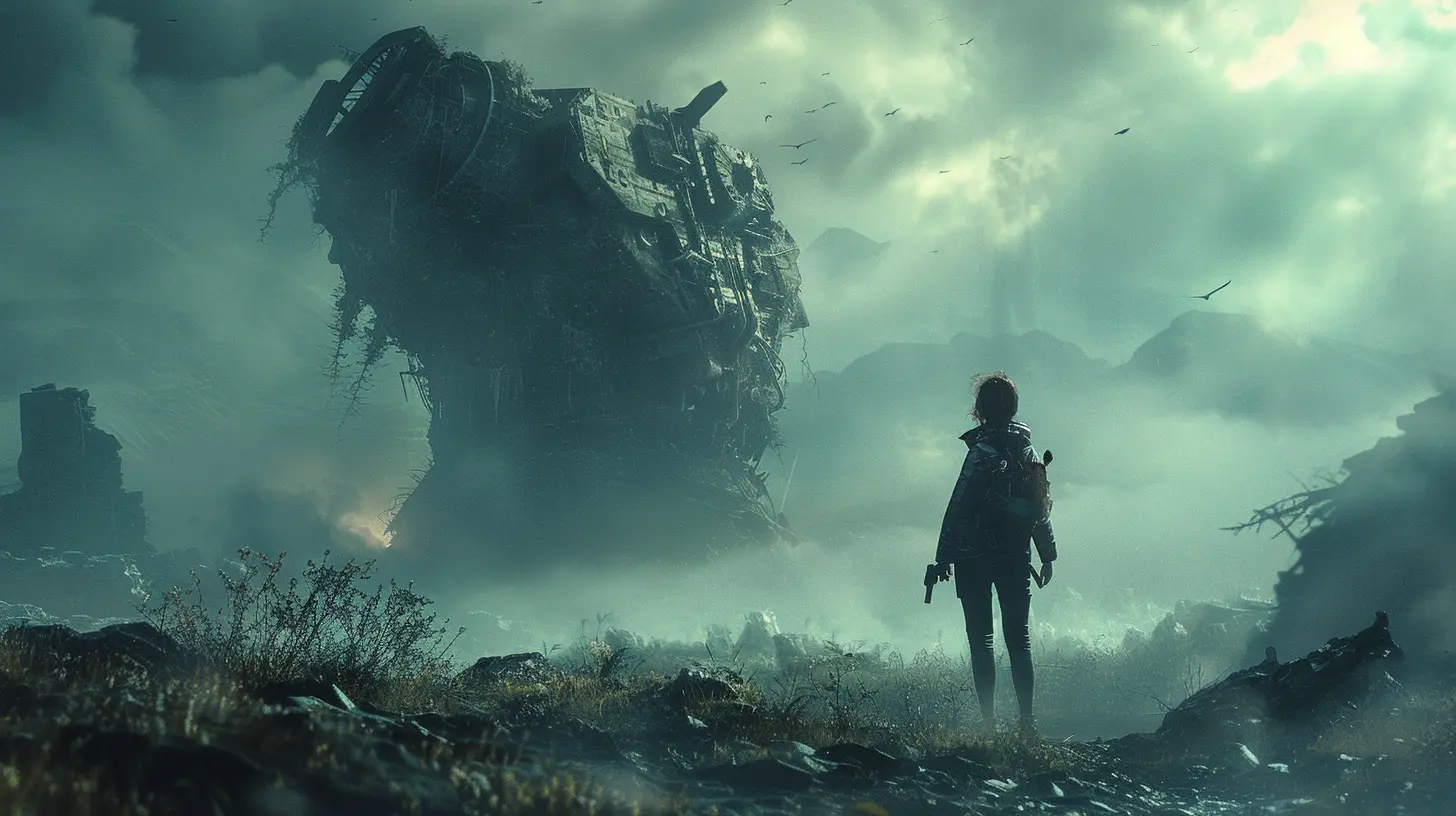
What’s the Deal with Stylization and Realism Anyway?
Before we get too deep, let’s define the basics.- Realism in games means trying to mimic the real world as closely as possible. Think veins on a character’s hand, the way light bounces off a wet road, or the physics of an explosion feeling like it belongs in a Hollywood blockbuster.
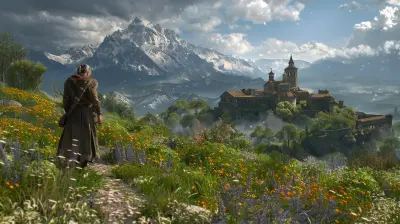
- Stylization, on the other hand, is all about personality and flair. Think exaggerated proportions, vivid color palettes, unique animation styles — basically, the kind of visuals that stick in your mind because they’re not bound to real-world rules.
Both styles have their charm. It’s like comparing a photo to a painting — neither is “better,” but they sure do make you feel different things.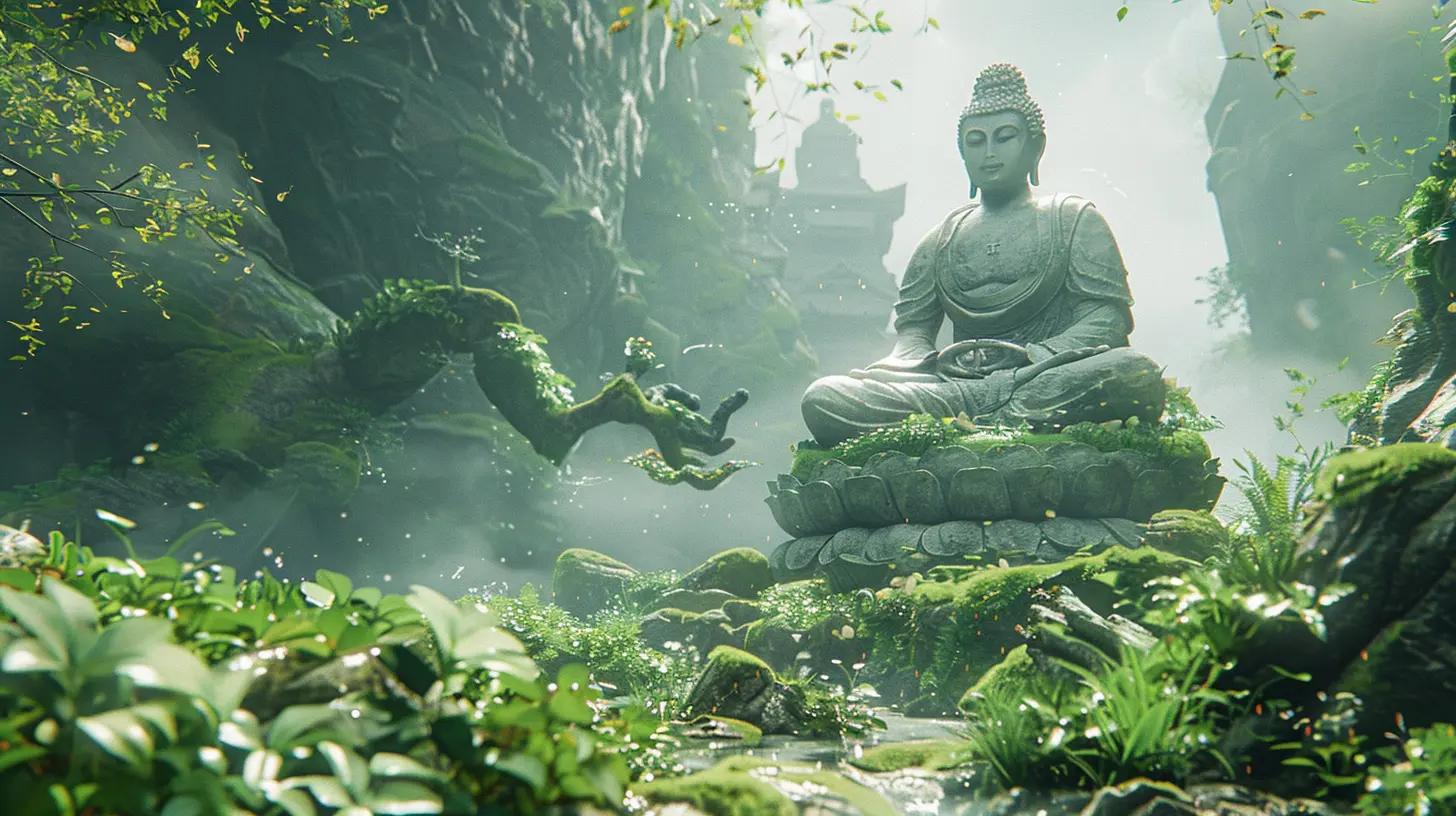
A Closer Look at Recent Game Trailers
Let’s talk specifics. Recent game trailers are a masterclass in visual storytelling. Some creep toward hyper-realistic territory, while others swing hard into style-first experiences.Realism in Game Trailers: The Eye-Candy Approach
Trailers like those for Call of Duty: Modern Warfare III, Hellblade II, or The Last of Us Part I (PS5) aim for cinematic precision. These trailers blur the line between Hollywood and gaming. With precise facial expressions, sweat dripping off brows, and environments that feel lived in — it's honestly breathtaking.What’s the goal here? Immersion. Developers want you to feel like you’re in the game. That's why you’ll notice an obsession with lighting, shadow, reflections, and even sound design in these trailers.
But while realism dazzles our senses, it also comes at a cost — time, budget, and sometimes, creativity. Not every studio has the resources to go this route.
Bold Stylization: A Feast for the Imagination
Now, flip the script. Think about trailers for games like Hades II, Hi-Fi RUSH, or Senua’s Saga (with its hybrid approach). These games embrace unique art styles that don’t try to mimic real life at all.Stylized trailers often play with colors, lines, animation, and rhythm. The results? Trailers that feel like music videos, graphic novels, or even abstract art. You can spot a stylized game instantly because it has a strong visual identity — and that’s marketing gold.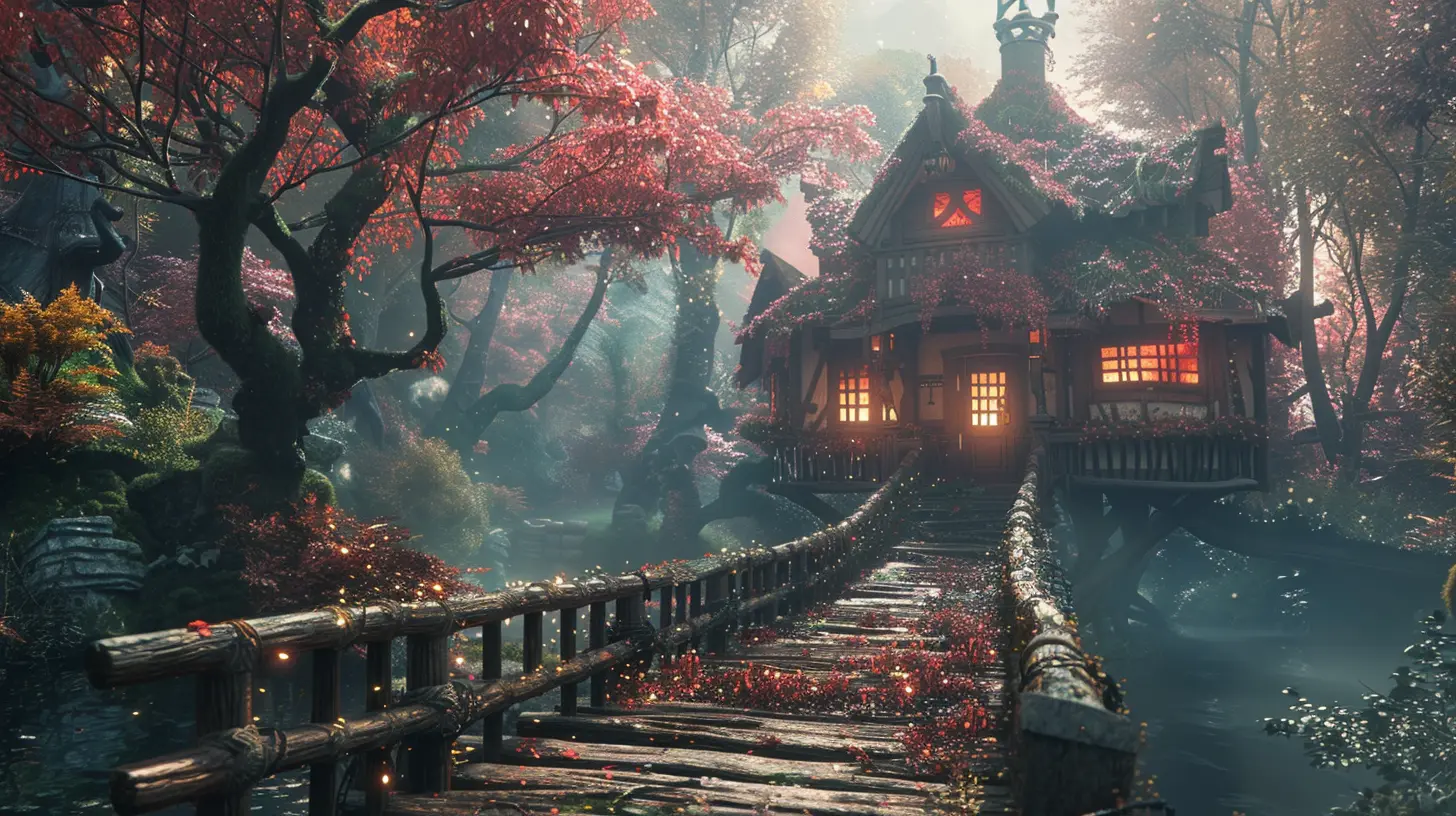
Why Stylized Games Still Pack a Punch
Here’s the thing: Stylized graphics age better. Look at The Legend of Zelda: Wind Waker. It was divisive at launch, but now? It’s beloved. Compare that to hyper-realistic games from the same era. Most look outdated, even clunky.Stylization also invites creativity. When devs aren’t held back by physics and realism, their imaginations fly. They can create characters with wildly exaggerated features, dreamlike landscapes, or even art styles that mimic watercolor, ink, or clay.
And let’s not forget performance. Stylized games are often easier to run on less powerful machines. This makes games more accessible — and that’s huge for players around the world.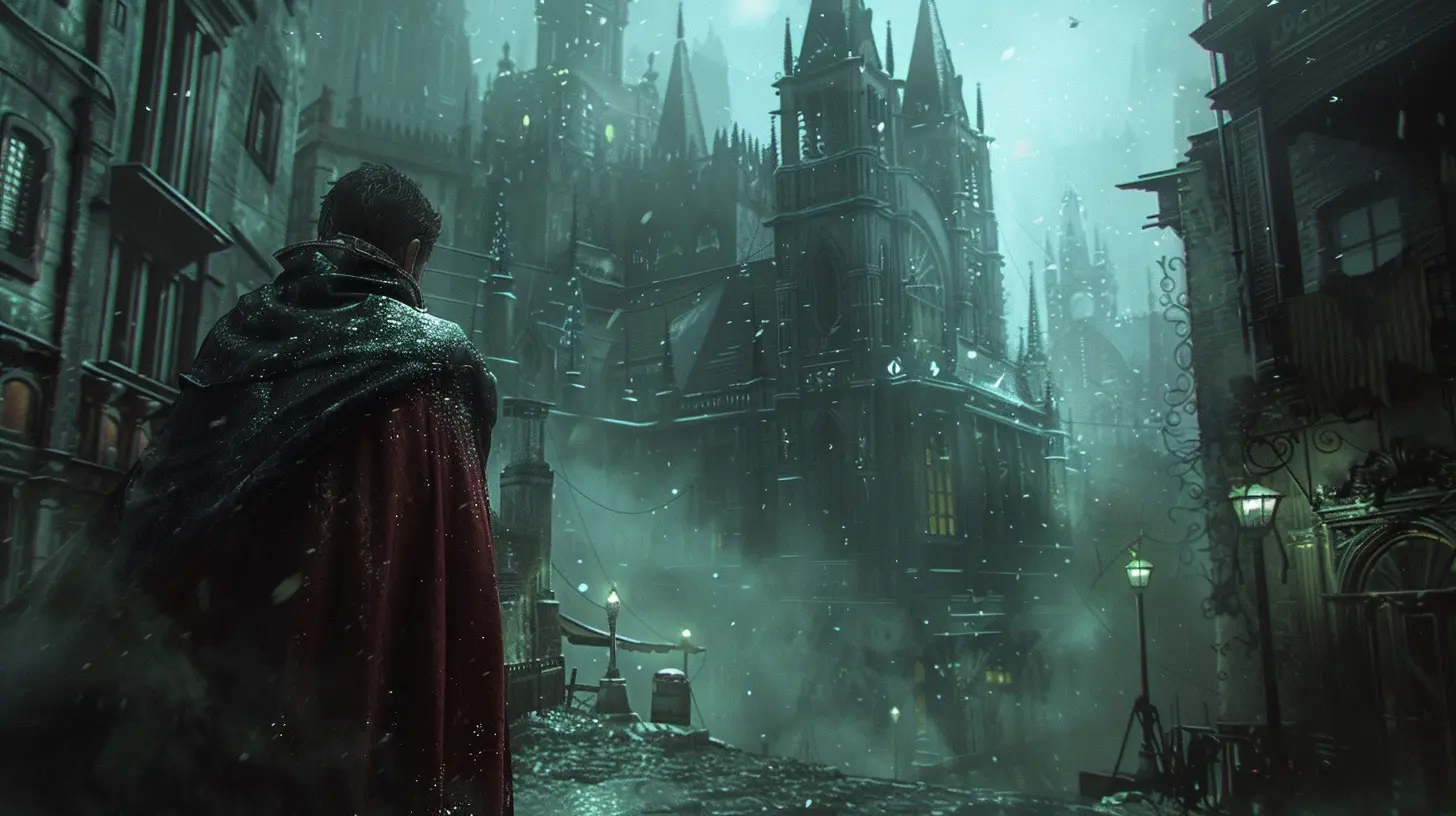
Realism’s Emotional Edge
None of this is to say realism doesn’t have its place. Quite the opposite — realism brings emotional gravity. When a character cries in a realistic game, it hits differently. Why? Because we see the little micro-expressions, the moisture in their eyes, the twitch of regret in their jaw. It’s powerful.Games like Red Dead Redemption 2 or Death Stranding use realism to tell mature, reflective stories. For some gamers, that’s the experience they’re chasing: a chance to escape into something almost real — something that feels weighty and grounded.
The Middle Ground: Hybrid Art Styles
Some of the most exciting trailers recently have blended stylization with realism. Think of Horizon Forbidden West. It’s realistic in texture and detail, but it doesn’t try to be a carbon copy of our world. The color palette, the machine-creatures, and the environment design are all fantastical.This approach gives you the best of both worlds. You get enough realism to feel immersed, but enough style to keep things visually fresh and memorable.
Another clever hybrid example? Spider-Man 2 for PS5. The characters and city feel grounded, yet the superpowers, swinging, and villains are all exaggerated just enough.
This blend often grabs the widest audience — it’s like catching shots of espresso with scoops of whipped cream. Intense, but with a dash of fun.
The Psychology Behind Visual Preferences
Why do some people prefer realism while others are drawn to stylization? It boils down to personality and expectations.Realism appeals to players who want authenticity. If someone loves documentaries, true crime, or historical dramas, they’re probably drawn to realistic games.
Stylization, meanwhile, speaks to creativity seekers. Fans of animation, comics, or indie films often gravitate toward colorful, artistic games that dare to be different.
It’s kinda like fashion — some people love sleek, black leather jackets while others go for bold prints and neon sneakers. Both styles say something about who you are.
How Stylization and Realism Affect Hype
Here’s a fun fact: Stylized trailers often go viral faster. Why? Because they stand out. A colorful, quirky, or unique art style is more likely to get shared on social media, caught in thumbnails, and spark meme-worthy reactions.But realistic games often build anticipation through emotional depth. Their trailers whisper, “this is serious, this is important,” which builds a different kind of hype — one based on trust, investment, and storytelling potential.
In marketing terms: stylization is splashy, realism is slow-burning.
Where is the Industry Heading?
With the rise of powerful engines like Unreal Engine 5, photorealism is becoming more and more accessible. But ironically, many indie studios and even big-name devs are turning to stylized aesthetics.Why? Because unique art direction is becoming a brand in itself. When gamers see the art style of Cuphead, Ori and the Blind Forest, or Hollow Knight, they instantly know what they’re looking at.
There’s also growing interest in games as art — and stylization lets developers express themselves in ways realism can’t. After all, how many ways can you render a realistic tree? But a glowing purple tree with floating leaves and a heartbeat sound? That’s imagination in action.
Conclusion: Why Not Both?
At the end of the day, stylization versus realism isn’t about which is “better.” It’s about purpose, vision, and connection.Realism pulls you into believable worlds; stylization invites you into unforgettable ones.
Some days, we want high-octane realism with every muzzle flash and raindrop perfectly rendered. Other days, we crave bold colors, dynamic shapes, and stories told through artistic fantasy.
The diversity of art styles in recent game trailers proves one thing loud and clear — gaming is a rich, multi-dimensional world that welcomes all kinds of creativity.
And the best part? You get to choose the experience that speaks to you. Whether you’re marveling at the detail of an eyebrow hair or smiling at a glowing, cel-shaded dragon, you’re part of something amazing.
So next time you watch a game trailer, ask yourself: what do I want to feel? That’s your answer.
Final Thoughts: Let Art Be Art
Let’s celebrate the entire spectrum, from hyper-realistic rain-soaked alleyways to sun-drenched cartoon kingdoms. Games are better when they’re diverse, expressive, and bold in vision.Stylization and realism aren't rivals. They’re dance partners. And the beauty of gaming? It lets them both shine.
all images in this post were generated using AI tools
Category:
Game TrailersAuthor:

Jack McKinstry
Discussion
rate this article
1 comments
Falkor McMichael
Great insights on the balance between stylization and realism. It's fascinating to see how games evolve.
August 11, 2026 at 4:10 PM
Jack McKinstry
Thanks for reading! It's exciting to see how these trends shape the future of gaming.