The Art of Pricing Skins and Cosmetic Items
10 June 2026
Ever stared at a digital skin in a game store and thought, “Why on earth is that pixelated jacket more expensive than my lunch?” Yeah, you’re not alone. The world of skins and cosmetic items in games can be both dazzling and baffling. But there’s actually a whole art (and a bit of science) behind how these items are priced.
Whether you’re a gamer hoarding rare skins or a dev trying to figure out why nobody’s buying your purple dragon-themed helmet, understanding the pricing game is key. Let’s dive into the colorful, flashy, and slightly obsession-inducing universe of skins!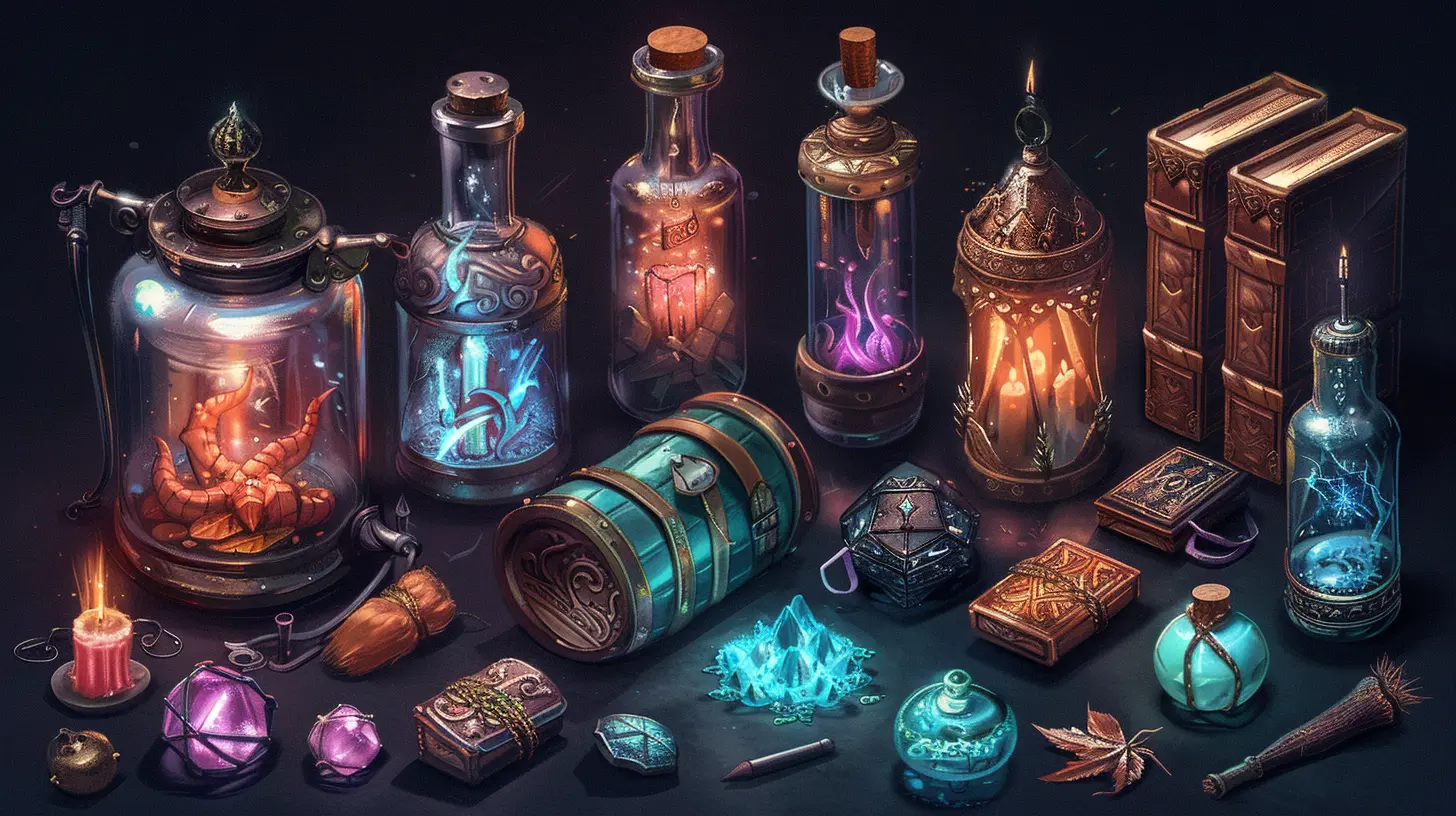
? What Are Skins and Cosmetics Anyway?
Before we get deep into price tags and perceived value, let’s make sure we're talking about the same sparkly loot.Skins and cosmetic items are non-functional, visual enhancements in a game. Think of them as virtual outfits, accessories, or flair for your characters, weapons, or even pets. They don’t make you stronger or faster (unless it’s a placebo effect)—they just make you look cool.
Basically, it’s fashion week every week in online games.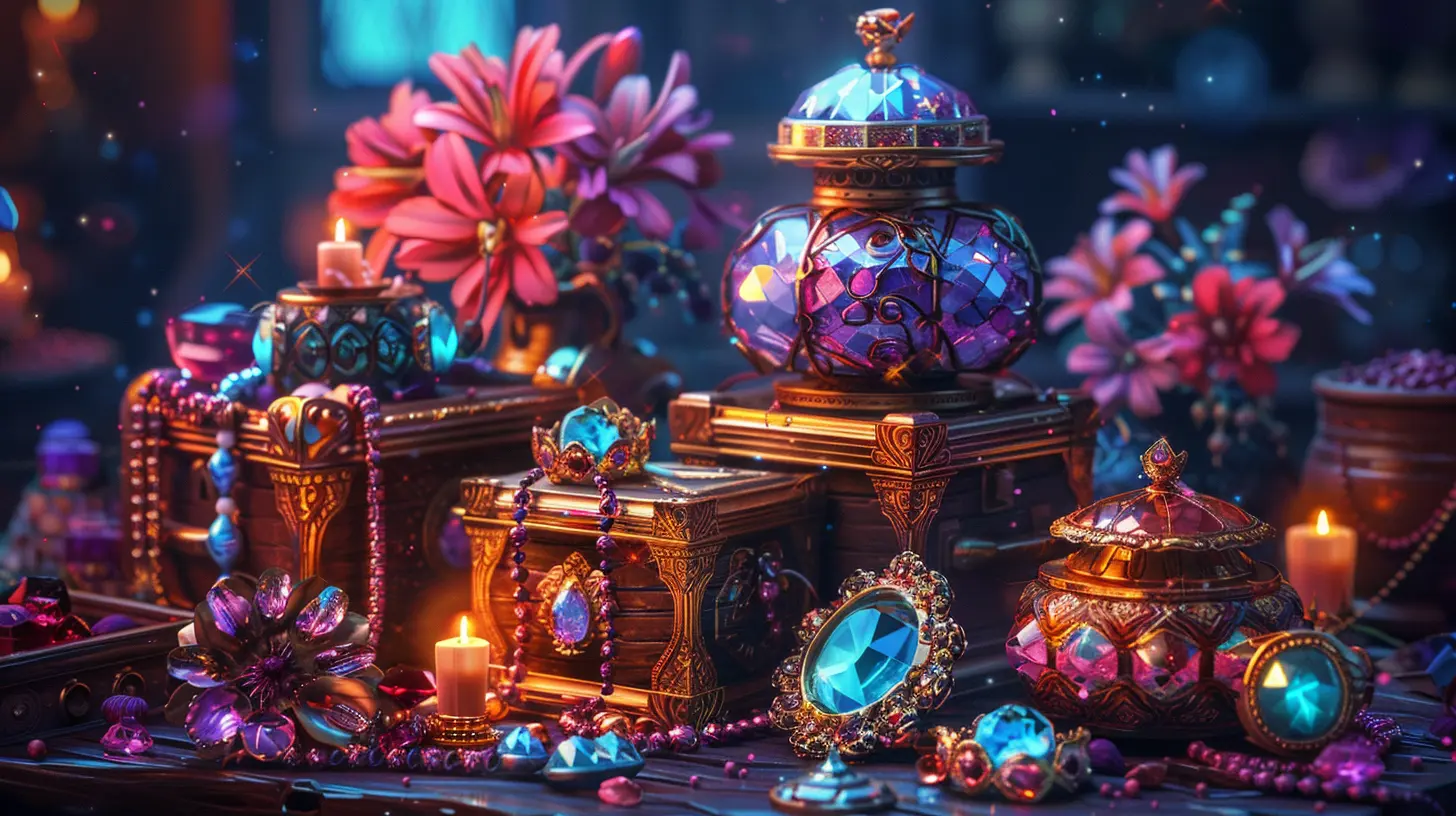
? Why Do We Buy Cosmetics That Don’t Affect Gameplay?
Great question, oh wise gamer. This is where psychology strolls in with its arms full of answers.1. Status Symbol
Got that rare skin from a limited-time event? Congrats, you're now gaming royalty. Owning rare or expensive cosmetics is like flexing a designer handbag in real life. You didn’t need it. But now everyone wants it.2. Personalization
Nobody wants to be a default character. Customization helps players feel more attached to their digital selves. It’s your personality in pixels.3. Supporting Developers
Sometimes, players genuinely just want to support a game they love. Buying a few cosmetic items is a way of saying, “Hey, thanks for the late nights and bug fixes.”
? So, How Are Skins Priced?
This is where it gets spicy. Game companies don’t just spin a wheel and land on "$14.99" (or at least we hope not). Pricing is influenced by psychology, rarity, demand, design labor, and sometimes just pure hype.Let’s break it down.
? 1. The Rarity Effect
Ever heard of FOMO (Fear of Missing Out)? Skins labeled as limited edition, event-exclusive, or legendary are often priced higher because they create urgency.If something’s only available for a short time, chances are people will scramble to get it. You might not even love that flaming unicorn sword, but what if it never comes back?
> Just like a beanie baby in the ’90s, rarity can turn a plain old item into a prized possession.
? 2. Demand Drives Up the Price
Say a streamer picks up a neon-pink sniper skin, suddenly, it’s everywhere. That's good ol’ demand. The more people want it, the higher its perceived value. Publishers know this and often raise the price or release similar items.In games with marketplaces (like CS:GO or Rust), this effect is amplified. Supply and demand hold hands and dance in the economy.
? 3. Production Cost (Yep, It Counts)
Designing high-quality skins isn’t just slapping colors onto characters. Artists spend days or even weeks perfecting animations, textures, and themes. The more intricate the design, the higher the pricing tends to be.Of course, this doesn't always match up perfectly. Sometimes a basic skin rides the hype train just because everyone wants it.
⚖️ 4. Tiered Pricing
Most games have a tiered pricing system—think common, rare, epic, and legendary. This helps set expectations. Players know exactly what their money’s buying... or at least how fancy it should look.> It’s like a menu at your favorite burger joint—basic cheeseburger? $5. Add bacon, avocado, and some secret sauce? $12.
? 5. Loot Boxes and RNG
Ah yes, the old mystery box method. Instead of buying skins directly, players buy loot crates or bundles with randomized rewards. This adds a little gambling thrill—and developers often use this to justify lower upfront prices with an element of chance.Of course, this has stirred ethical debates and regulatory eyes, but we’re just talking pricing here.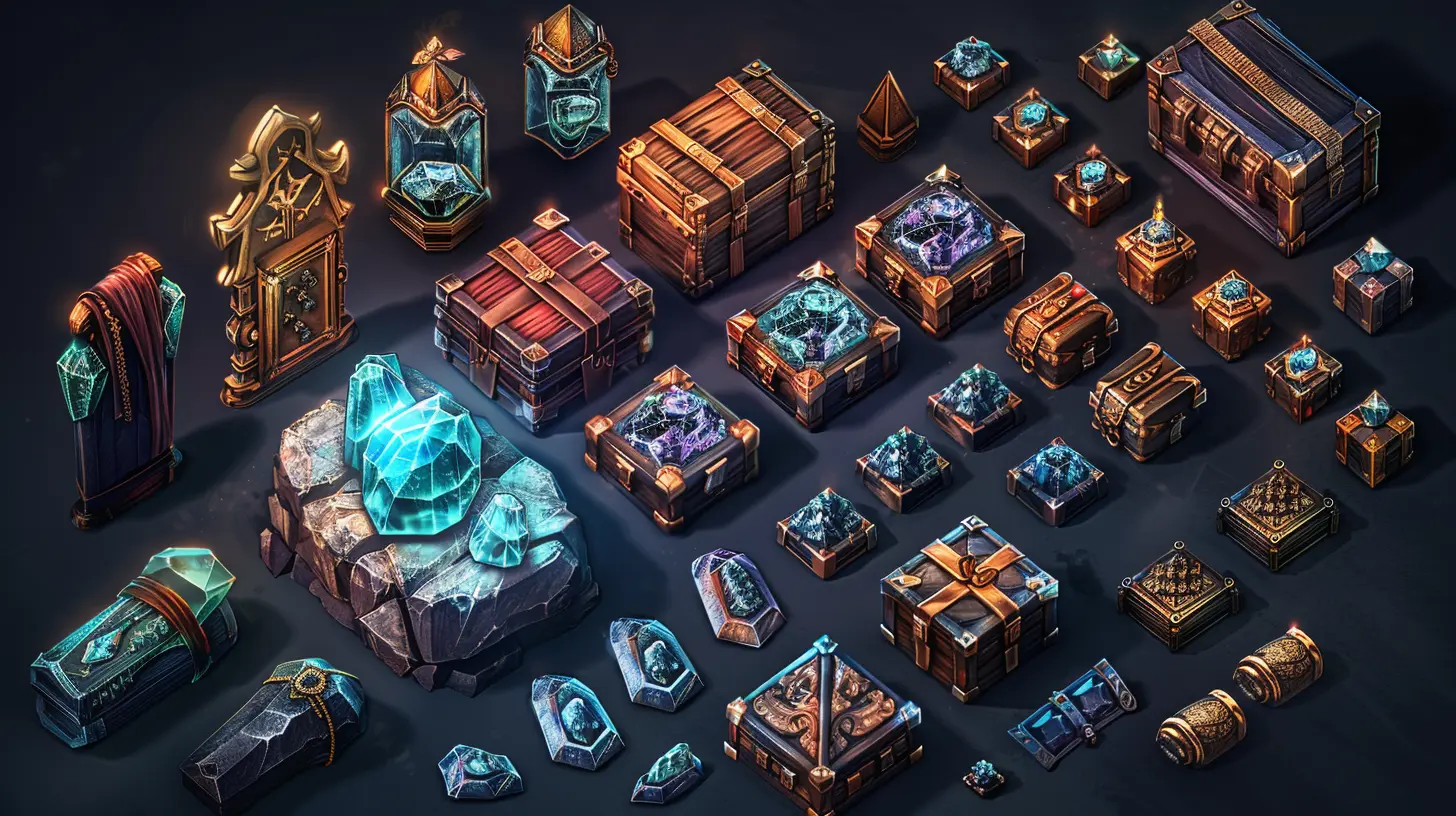
? Psychological Pricing Tricks (They Work, Don’t Deny It)
Ever wonder why that skin costs $4.99 instead of $5.00? That’s psychological pricing in action.? The Magic of “.99”
It’s a classic trick—$9.99 just feels cheaper than $10.00. Our brains are weird like that.? Currency Packs
Ever notice you need 1000 game coins for a skin, but packs come in 950 or 1200? That’s not a mistake. It encourages players to buy more for “future use,” which often translates to “you’ll need to buy again soon.”? Bundling
Throw six skins into a bundle, and suddenly that $25 price tag seems like a bargain. Even if you only wanted two of them.? Real-World Examples
Let’s peek at how some big titles approach the pricing puzzle.? Fortnite
Epic Games mastered the cosmetic game. Skins can range from $8 to $20, driven by theme, popularity, and rarity. Collabs (like Marvel or Star Wars) often come with premium price tags.? Valorant
Riot doesn't shy away from premium pricing. Some skin bundles pack in custom animations and effects, sometimes exceeding $70—or more! But fans love them, and Riot keeps delivering quality.? CS:GO
Welcome to the stock market of skins. With an open marketplace, CS:GO skins can range from cents to thousands of dollars. Yes, thousands. Rarity and demand rule here.?️ Free-To-Play Games and Monetization
Here’s the kicker—cosmetics are mostly the bread and butter of free-to-play games. Since players aren’t paying upfront, developers need to monetize somehow. Skins become the golden ticket.And to be fair, it’s a win-win. Players don’t have to spend money unless they want to, and developers still keep their servers running (and maybe feed their team with more than just instant noodles).
? The Balancing Act: Fairness vs. Profit
It’s a tricky slope. While some players are happy to support their favorite games, others feel alienated by high prices—especially if it feels like “pay-to-show-off.”That’s why many devs walk a tightrope between monetizing effectively and keeping the community happy.
> Too greedy? Players revolt. Too generous? Revenue dips. It’s like juggling on a unicycle… on a tightrope… with someone throwing tomatoes.
? Tips for Developers: Price It Right Without Pain
- Know Your Audience: Teen players? Don’t price your skins at luxury handbag levels.- Keep Things Transparent: Limited-time offers? Bundle deals? Make it clear what players are paying for.
- Offer Variety: Not everyone can drop $30. Include low-cost or earnable cosmetics too.
- Reward Loyalty: Throw in occasional freebies or discounts for long-time players. Trust goes a long way.
- Test and Tweak: Roll out prices gradually and see what works. A/B testing isn’t just techy—it’s super practical.
?? Tips for Gamers: Spend Smart, Flex Smarter
- Set a Budget: Don’t drain your wallet chasing a dragon-skin shotgun.- Watch for Sales: Many games have seasonal discounts—just like Black Friday, but with more explosions.
- Trade or Sell (if allowed): Some marketplaces let you swap or sell your items. Use it to your advantage.
- Avoid Impulse Buys: Just because it’s shiny doesn’t mean it's worth it. Sleep on it—seriously.
- Support What You Love: If a game gives you hours of joy, throwing in a few bucks for a cool skin is a great way to give back.
? Conclusion: It's More Than Just Pixels
At the end of the day, the pricing of skins and cosmetic items is a blend of psychology, marketing, demand, and a dash of drama. For developers, it's a vital revenue stream. For players, it's a way to express themselves, show off, or just enjoy the flash.Sure, it might seem a bit silly to pay for a fancy hat your character wears in a game—but hey, we buy real hats we don’t really need too, right?
So whether you’re buying, selling, or just admiring from the sidelines, remember: behind every skin is a story (and a spreadsheet).
all images in this post were generated using AI tools
Category:
In Game EconomyAuthor:

Jack McKinstry
Discussion
rate this article
2 comments
Ryan McDonough
Pricing skins and cosmetic items can feel arbitrary, but it reflects both player demand and the game's economy. Balancing value and creativity is key to keeping the community engaged.
September 5, 2026 at 3:34 AM
Jack McKinstry
You're right. Finding the right balance is crucial. Pricing needs to reflect both creativity and player expectations to maintain interest and engagement.
Theo McTiernan
Pricing skins is like picking toppings for a pizza. Some folks want gold-plated pepperoni, while others are just happy with cheese. Just remember, whether it's a neon unicorn outfit or a classic look, it's all about finding that perfect blend of style and budget... or just flexing!
June 10, 2026 at 2:57 AM
Jack McKinstry
That's a great way to look at it! Personal preference really drives the market, and balancing style with budget is key for many players.