The Connection Between Game Lore and Virtual Markets
14 August 2026
Ever wonder why some in-game items are worth more than actual money? Or why players are willing to spend hours grinding for a sword with a legendary backstory instead of just buying the best stats? Well, sit tight, because we’re diving into the fascinating link between game lore and virtual markets. Yep, believe it or not, the stories behind your favorite digital weapons, armor sets, or even a humble potion can significantly impact their value in virtual economies.
Sounds wild? It is. Let’s break it down and unravel the hidden forces that shape the economy of your favorite games, one epic tale at a time.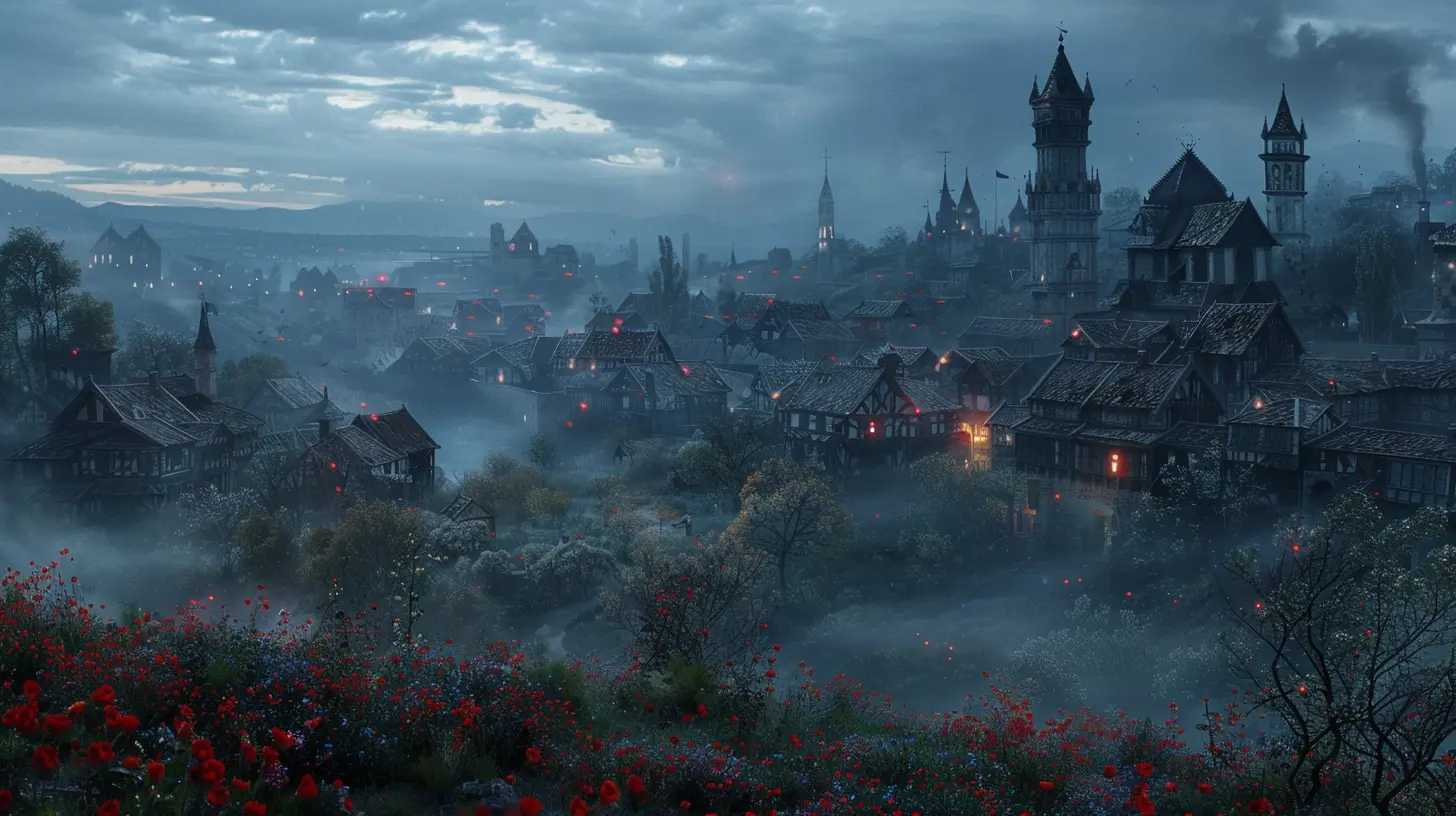
What Is Game Lore, Really?
Alright, first things first. Game lore is the backstory — the rich, fictional history that gives life to game worlds. It's the reason the world feels immersive rather than just a bunch of pixels thrown onto a screen.Think of lore as the campfire tales of the gaming world. It's why we care about certain characters, want to visit certain towns, or even choose one faction over another. From the legends in The Elder Scrolls to the complex political drama of EVE Online, lore acts as the DNA of a game’s universe.
But here's the kicker — that lore isn't just for flavor. It has real-world implications in virtual markets, affecting everything from item pricing to player behavior.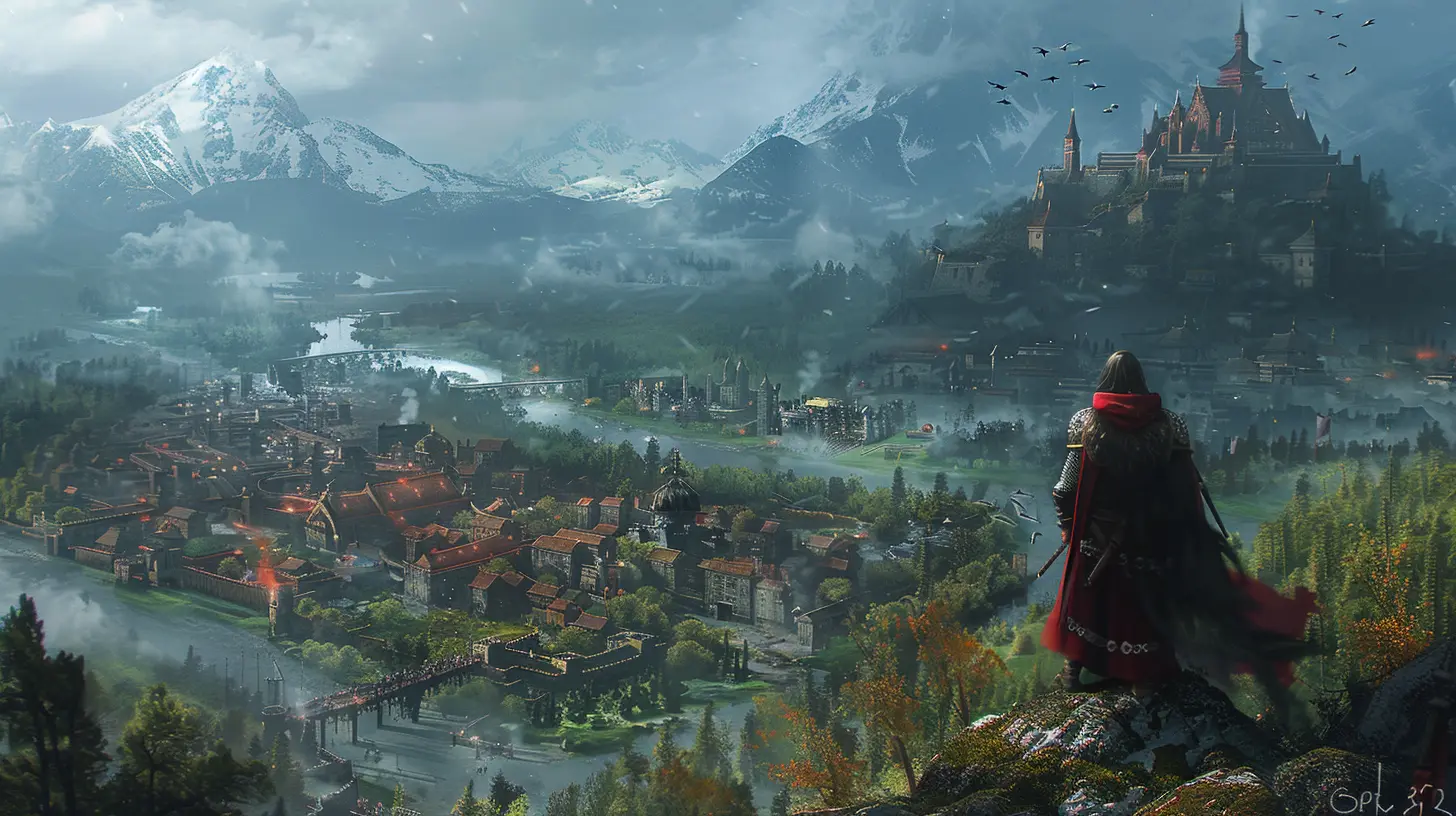
Virtual Markets – More Than Just Play Money
Before we get too far ahead, let’s clarify what a virtual market even is. Basically, it's a marketplace inside a game where players buy, sell, and trade virtual goods — weapons, armor, skins, mounts, you name it.These markets can be run by players entirely (like in EVE Online), controlled by the game itself (as in World of Warcraft’s auction house), or even involve real-world money (hello, CS:GO skin trading).
Now here’s where things get interesting. These markets don’t just run on supply and demand like traditional economies — they also run on emotions. And nothing taps into our emotions quite like a good story.
How Lore Shapes Perceived Value
Let’s talk about perception. In economics, perceived value is everything. An item is worth what someone is willing to pay for it, right?Enter game lore.
Picture this: You’re playing an MMORPG and come across a sword called “The Blade of Aelthar.” Now, if this sword is said to have belonged to a legendary warrior who saved the realm a thousand years ago, suddenly it's not just a sword — it's a slice of in-game history. It’s a status symbol. It’s a conversation starter.
That kind of storytelling doesn’t just add flavor—it creates demand. Players will jump through hoops, grind for hours, or pay serious coin just to get their hands on that item. And boom! The virtual market reacts accordingly.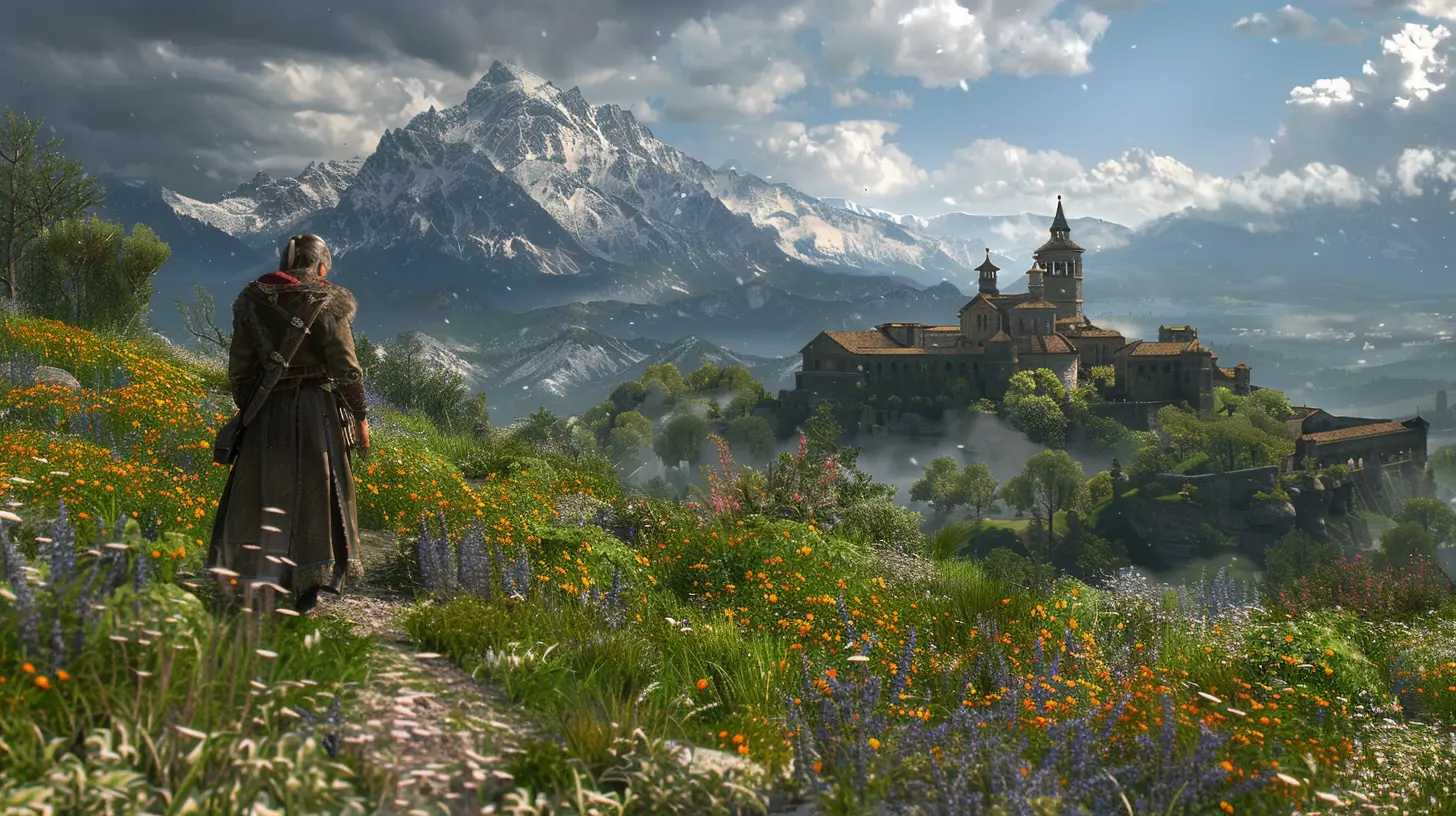
The Power of Rarity and Myth
We can’t talk about virtual economies without touching on rarity. But again, it’s not just about how hard something is to get — it’s about why it’s rare.Let’s say you find a helmet that drops 1 in every 10,000 kills. Cool, right? Now imagine that helmet once belonged to the first king of a fallen empire in the game. Suddenly, people aren’t just buying the item — they’re buying the story.
Games like Diablo and Destiny are experts at weaving lore into loot drops. When you get your hands on a legendary item, it's not just powerful — it holds a piece of the game's soul.
And in a market where players buy and sell these items, that soul is worth cold, hard (virtual) cash.
Player-Driven Economy Meets Storytelling
Some games take things even further with fully player-driven economies. EVE Online is the perfect example. The game has a deep, player-powered economic system, and it’s also got some of the most intricate lore — much of which is written by the players themselves.Now, when a massive battle happens in EVE (we’re talking thousands of ships, hours of fighting, and millions in real-world dollars lost), it becomes a part of the game’s living lore. Items, ships, and even locations tied to those battles can surge in value just because they played a part in history.
We're not just trading space ships; we’re trading artifacts of epic digital wars that people will talk about for years. It’s like selling a relic from a famous battle in real life.
Skins, Cosmetics, and Their Backstories
Okay, so stats and power are one thing, but what about cosmetics? You know, the stuff that doesn’t do anything except make your character look cool?Well, even skins and outfits can be influenced by lore.
Take League of Legends, for example. When a popular champion gets a new skin that ties into the game’s ongoing narrative — oh boy — players line up to get it. And in games like Fortnite, where story arcs evolve with each season, cosmetics start to feel like collectibles stamped with narrative significance.
It's the gaming version of fashion mixed with fandom. And in dynamic markets or secondary trading spaces, these items can become seriously valuable.
Real Money, Real Stakes
Let’s not forget the elephant in the room — real-world money.When virtual items are worth actual currency, suddenly the lore isn't just fanfiction — it's value-adding PR. A skin tied to a major lore event? That could be worth hundreds on the Steam marketplace.
Developers know this. That’s why Fortnite, Valorant, and even Call of Duty overlap lore with their monetization strategies. It's brilliant if you think about it: turn emotions into engagement and engagement into profit.
Players pay not just for the looks or function, but for the weight of the story that item carries. It’s no longer just a digital good — it’s a piece of an emotional journey.
Lore Fuels FOMO
Let’s talk about the Fear Of Missing Out — one of the biggest drivers behind player purchases.When lore ties into limited-time events or exclusive drops, it creates urgency. Players don’t just want the item — they want to be part of the moment. Like attending a digital concert or surviving a game-changing lore event.
If you missed that season, you missed history. And owning that item? It says, “Yeah, I was there.”
In this way, lore feeds the hype machine and virtual markets ride the wave.
Community Building Through Shared Stories
Lore-rich items also turn into talking points. When you trade or sell one, it's not just a transaction — it's a story exchange.Players bond over items with lore. They join guilds based on factions, defend regions because of old grudges written into the story, and spend hours debating lore interpretations on Reddit and Discord.
This builds community, and in turn, increases engagement. More engagement = more economic activity. It’s a cycle — and a clever one at that.
Challenges of Balancing Lore and Economy
Of course, it's not all sunshine and loot boxes. Mixing lore and virtual economies can cause issues too.For example, when developers adjust a legendary item’s stats for balance reasons, players can feel betrayed. “But this was the Sword of Eldara! It can’t be nerfed!” Suddenly you have lore backlash and market instability.
Or when a lore-rich item becomes too pay-to-win, it can divide the community and tank the game’s reputation.
Balancing the economy while keeping the sacredness of lore intact? That’s a tightrope walk — and not every dev team manages it well.
The Rise of NFTs and the Metaverse: Lore Level 9000?
This might sound futuristic, but it’s already happening: NFTs and blockchain games are pushing this lore-economy connection even harder.Imagine owning a sword tied to a lore event — and that ownership is recorded on the blockchain. Now it’s not just valuable in-game but also across games or even real-world digital art spaces.
Think about that for a sec. Lore as provenance. The sword is no longer just code; it’s a certified piece of an ongoing, player-shaped world.
Platforms like Decentraland and The Sandbox are building entire economies around this concept, where player-driven lore and market value are deeply intertwined.
Final Thoughts: It's More Than Just a Game
So, is game lore really connected to virtual markets? Absolutely — and in ways we’re only starting to understand.When you strip it all down, games are about experiences. Lore is what gives those experiences depth, and virtual markets are the extension of how we value them.
We don't just play games — we live stories, and we trade the artifacts of those stories. Whether it's an armor set used in a world-saving raid or a skin tied to a pivotal lore chapter, the value isn’t just in stats or pixels — it’s in the narrative.
And that's what makes the connection between game lore and virtual markets so powerful. It’s economics powered by imagination.
all images in this post were generated using AI tools
Category:
In Game EconomyAuthor:

Jack McKinstry
Discussion
rate this article
1 comments
Cypher McCallum
This article dives into a fascinating topic! The way game lore intertwines with virtual markets is really intriguing. It adds depth to our gaming experiences and influences how we engage with in-game economies. I can't wait to see how this evolves in future titles! Keep up the great work!
August 15, 2026 at 2:52 AM