The Debate Over Cosmetic vs. Pay-to-Win Items
15 July 2026
Gaming has come a long way since the days of cartridge blowers and wired controllers. Today, it’s all about stunning graphics, immersive gameplay, and—let’s be honest—the stuff you can buy in-game. And that's where the conversation really gets heated: cosmetic items vs. pay-to-win items.
You’ve probably heard gamers argue about this a dozen times: "It's just skins, it doesn’t affect gameplay!" Or "Ugh, he bought his win!" Sound familiar? Let’s dive deeper into this never-ending debate and break down what makes one okay and the other… not so much.
What Are Cosmetic Items?
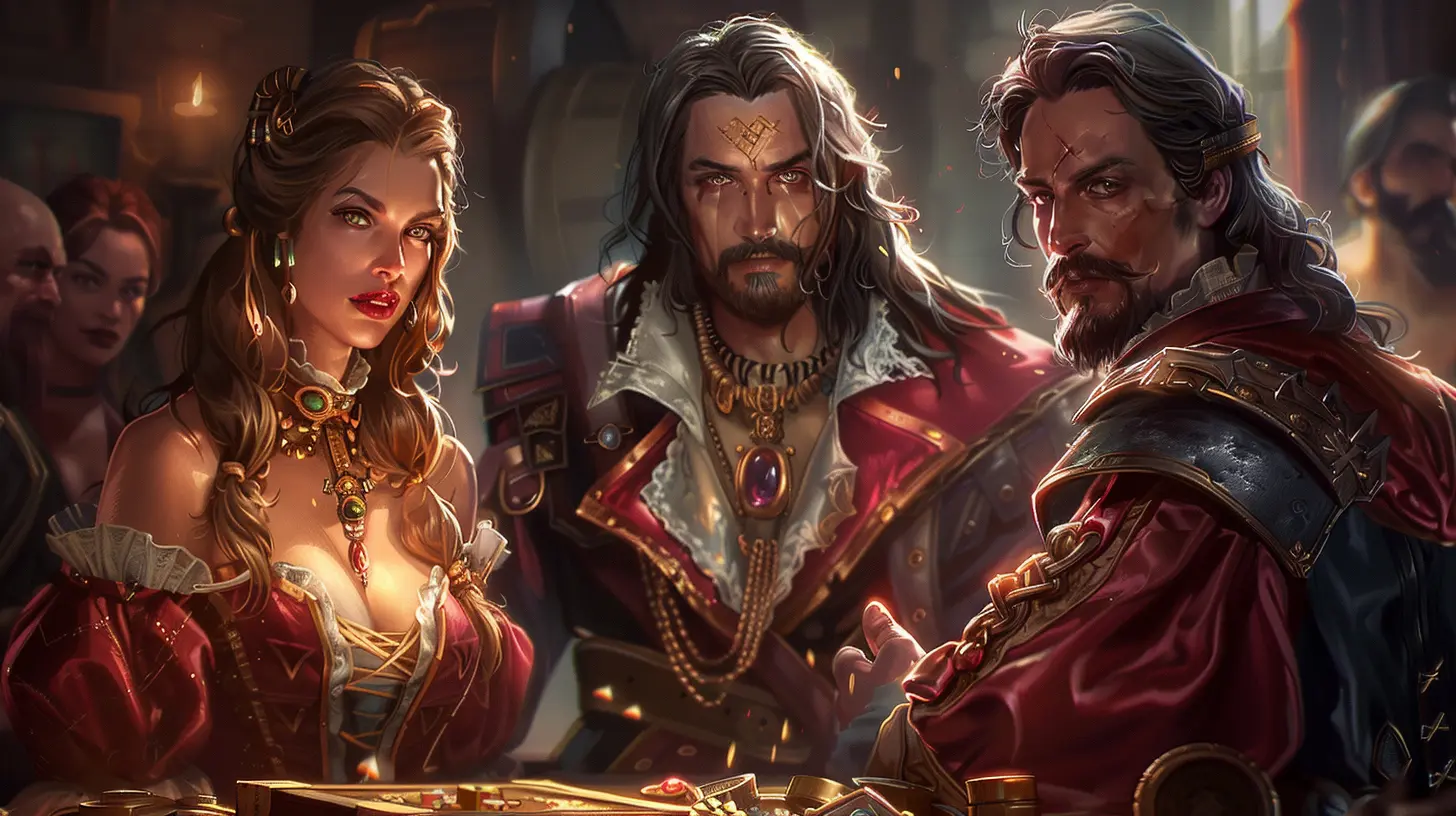
Cosmetic items are basically all the bells and whistles you can slap onto your character, weapons, or vehicles to look cool—without impacting how you play. We’re talking skins, emotes, costumes, sprays, gun wraps, and even flashy animations.Think of it like giving your character a fresh haircut or a designer outfit. You look good, but you don’t magically become better. It’s all about personal expression and standing out from the crowd.
Why Gamers Love Cosmetics
Let’s face it—we like to flex. We want our avatars to match our moods or show off that we completed a killer event. Cosmetics are a badge of honor, kind of like a trophy without needing a shelf. They give us a way to express ourselves and feel more connected to our in-game personas.Some players even collect skins like trading cards. Remember that ultra-rare skin everyone wanted in Fortnite or that legendary armor in Destiny 2? Yeah, those cosmetics become status symbols.
Now, What’s Pay-to-Win (P2W)?
Here’s where the pitchforks come out. Pay-to-win refers to buying items that directly impact gameplay and give paying players an unfair advantage. We're talking stronger weapons, better stats, faster upgrades, or exclusive abilities that free players simply can’t access without coughing up some cash.Imagine you’re grinding for hours to level up your sword, and someone drops $10 and instantly gets a superior one. Frustrating? Absolutely.
Examples of Pay-to-Win Mechanics
- Boosted weapons that hit harder- Exclusive powerful gear for premium players
- Faster progression through paid XP boosts
- Locked game modes or maps behind a paywall
Now imagine facing those players in PvP. It’s not just unfair—it’s infuriating.

The Fairness Dilemma: Cosmetic vs. P2W
Here’s the real kicker. Most players are totally okay with cosmetics. They don’t mess with gameplay. But when you start offering power for money? That’s when the community draws a line.Think of gaming as a marathon. Everyone starts at the same spot. Cosmetic items are like fancy running shoes—they look great but don’t make you faster. P2W items are a scooter. You’re doing the same race, but one group zooms ahead effortlessly.
And let’s not even get started on competitive games. If skill is supposed to matter, why should your wallet be the biggest factor?
The Business Side: Why Developers Offer Both
We can rant all we want, but there’s a reason pay-to-win still exists—it brings in money. Game development isn’t cheap. Servers, updates, new content—it all costs something. Developers have to eat too, right?But here's the trick: striking balance. Offering cosmetics keeps the lights on without damaging gameplay. It’s the golden goose. Games like Fortnite and Warframe have nailed this model, raking in millions—without selling power.
Pay-to-win, on the other hand, can be tempting for devs needing quick revenue. Especially in mobile games. But it’s a risky gamble. If players feel things are too unfair, they bounce. And once a game gets labeled “pay-to-win”? It’s hard to come back from that.
Player Reactions: The Community Speaks
You don’t need to scroll far on Reddit or gaming forums to see opinions fly. The majority of players are chill with cosmetics, especially if they come from support bundles or battle passes.Pay-to-win? Totally different story. Players constantly criticize games that lock power behind a paywall, calling them "cash grabs" or "whale bait."
And yeah, that term "whale" comes up a lot. It refers to players who spend big bucks in-game. Some players feel like devs design games just for whales, leaving average players in the dust.
A Real World Example
Let’s talk about some real examples. Take Call of Duty: Warzone. It’s packed with cosmetic bundles—from anime gun skins to operator outfits. All purely visual, and players love it.Now compare that to a game like Clash of Clans. You can pay to speed up your base, unlock troops faster, and dominate opponents. Is it strategic? Sure. But pay-to-win? Absolutely.
Even EA’s infamous “pride and accomplishment” quote from the Battlefront II loot box scandal still haunts them. That moment sparked a huge backlash—and a serious look at pay-to-win models.
Where’s the Middle Ground?
Great question. Some developers try compromise systems. Things like:- Cosmetic-only stores
- Optional battle passes
- Pay-to-progress faster, but not stronger
- Transparent loot boxes with non-gameplay items
The goal? Keep paying players engaged without alienating everyone else. And let’s be real: some people love supporting their favorite games. If all they get’s a cool hat for their character? That’s a win-win.
Can Pay-to-Win Ever Be Acceptable?
Okay, this one’s tricky. Some say pay-to-win is fine… in single-player games. After all, who are you cheating? Yourself? If a player wants to unlock everything instantly in an offline RPG—go for it.But in online multiplayer? That’s where the gloves come off. No one wants to feel like their skill is worthless because someone else dropped a few bucks.
There’s also the argument about time vs. money. Some people don’t have time to grind for hours. They’d rather drop a few dollars and skip ahead. Is that wrong? Depends who you ask.
How Can Gamers Push Back?
Tired of pay-to-win games? Vote with your wallet. Don’t buy power. Support games that respect their community. Leave reviews. Join discussions. Developers notice.And yep, community uproar works. Just look at how fast Battlefront II changed course after backlash. Gamers have more power than they realize.
Closing Thoughts
At the end of the day, it all comes down to respect—respecting the player’s time, skill, and wallet. Cosmetic items? Harmless fun. Pay-to-win? A slippery slope that can ruin fair competition.As gamers, we want to feel like we earned our victories. Like our skill mattered. Not like we lost because someone had a fatter wallet.
So next time you’re gearing up in a game, ask yourself: am I paying to look good, or paying to win? One earns you style points. The other might just cost you respect.
all images in this post were generated using AI tools
Category:
In Game EconomyAuthor:

Jack McKinstry
Discussion
rate this article
1 comments
Eliza McTiernan
Cosmetic items enhance player expression without impacting gameplay. Pay-to-win elements create imbalance. Developers should prioritize fairness to maintain player trust and enjoyment.
July 24, 2026 at 4:50 AM
Jack McKinstry
You make a solid point. Cosmetic items allow for personal expression while keeping the game fair. Prioritizing balance is crucial for player trust and enjoyment.