The Ethics of Loot Boxes and Virtual Gambling
31 January 2026
Let’s be real—if you’ve played a video game in the past five years, chances are you’ve encountered loot boxes. Yeah, those shiny little packages of in-game magic that promise epic rewards… or total disappointment. Love ‘em or hate ‘em, loot boxes have become a staple in modern gaming. But here’s the million-dollar question: Are loot boxes just harmless fun, or are they a slippery slope into virtual gambling?
Welcome to the rabbit hole that is the ethics of loot boxes and virtual gambling. Buckle up, gamers—we’re diving deep.
What Exactly Are Loot Boxes?
Before we dig into the ethical side of things, let’s clear up what loot boxes are. In the simplest terms, loot boxes are digital containers you can unlock to receive randomized virtual items. These might be character skins, weapons, power-ups, or even new characters altogether.Sometimes you earn them by playing the game. Other times, you pay with real-world money. And that’s where the controversy starts.
It’s like buying a pack of mystery trading cards—you might get exactly what you’re hoping for… or just three copies of the same useless common item. Sound familiar?
Virtual Gambling in Disguise?
Here’s a thought: if you’re spending real money for a random outcome, isn’t that just... gambling? Well, many people think so. You've got real cash on the line with no guarantee of a worthwhile return. It's all down to luck.Gambling has always been regulated in the real world—casinos, lotteries, horse racing—all come with age restrictions and legal oversight. But in the case of loot boxes? Not so much.
Most loot box systems are built into games played by kids and teens. Think about that for a second. We’re used to protecting younger people from slot machines and roulette wheels, but somehow, loot boxes slipped through the cracks.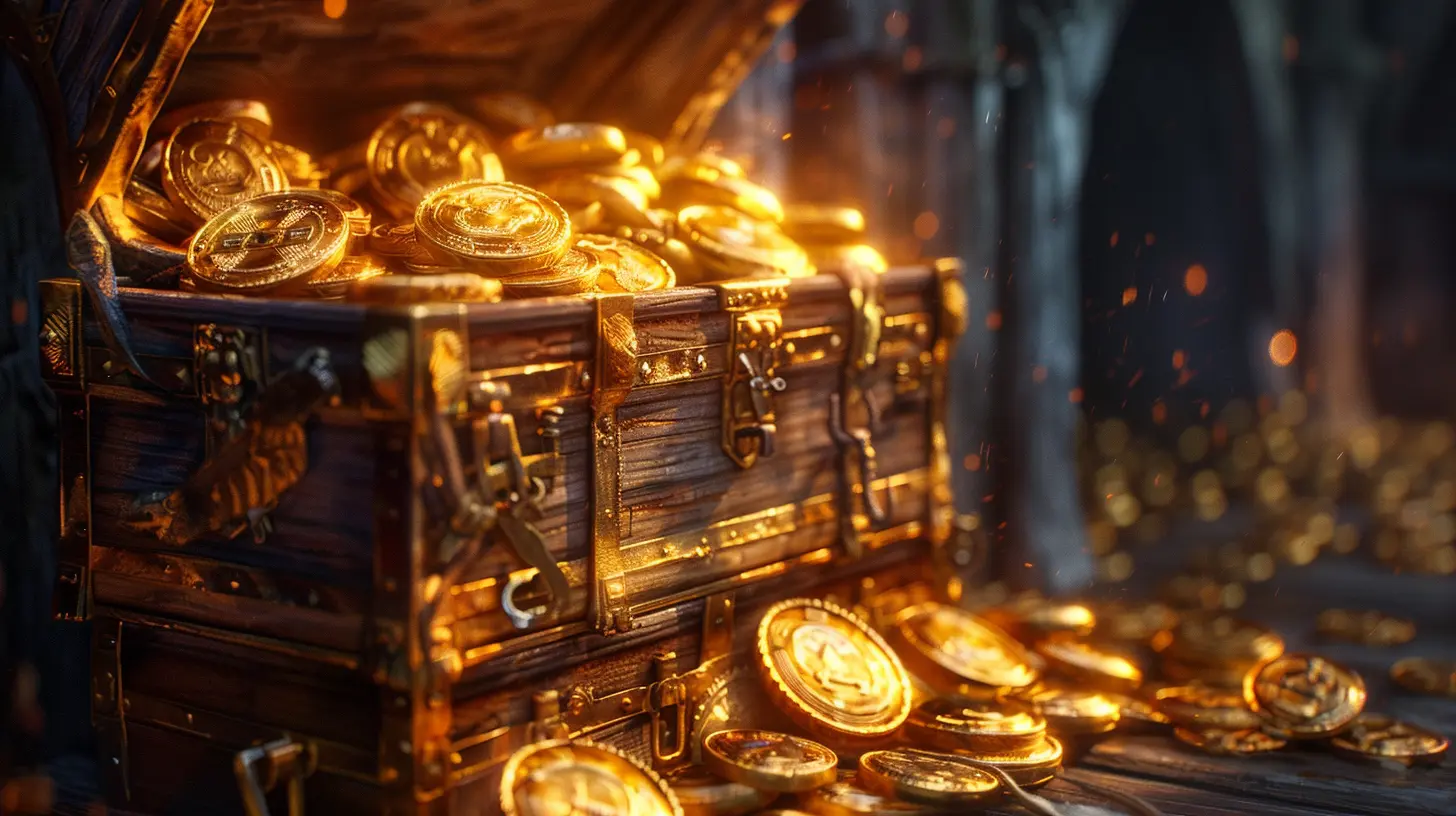
Why Loot Boxes Are So Compelling
There’s some real psychology at play here. Game developers are smart—they’re not just throwing these things in for laughs.Every time you open a loot box, your brain gets a little rush of dopamine, sort of like pulling the lever on a slot machine. This “variable reward” system makes you want to keep going. It’s the same trick used in casinos and mobile games, and it works.
You might tell yourself, “Just one more box, then I’ll stop.” But that one turns into five, then ten, then suddenly you’re charging your credit card for a bundle of virtual boxes, hoping for that ultra-rare skin.
Sound addictive? That’s because it kind of is.
Ethics on the Line
The big issue here is whether game developers are exploiting players—especially younger ones—by using addictive mechanics and predatory monetization strategies.Let’s talk about a few ethical dilemmas:
1. Exploitation of Minors
Kids don’t always understand money the way adults do. A colorful loot box offering “epic rewards” can be a tempting trap. They might spend hundreds before realizing they haven’t gotten anything valuable.Should game studios be held accountable for marketing these systems to a younger audience?
2. Lack of Transparency
Most games don’t actually tell you the odds of getting certain items in a loot box. Imagine if you were buying a lottery ticket and had no idea what your chances of winning were. That’d sound crazy, right?Some countries are now requiring developers to disclose loot box odds, but it’s far from a global standard.
3. Pay-to-Win Systems
In some games, loot boxes don’t just offer cosmetic add-ons—they can actually give players an in-game advantage. That’s where the line between fair play and buying victory gets seriously blurry.Imagine playing a multiplayer shooter and constantly getting wrecked by opponents who’ve shelled out cash for overpowered gear. Frustrating? You bet.
Government Crackdowns and Regulation
Around the world, lawmakers are starting to take notice.Belgium and the Netherlands
Both countries have classified loot boxes as gambling and banned their sale in games where real-money purchases are involved. That’s a huge step forward in protecting consumers, especially kids.United Kingdom
The UK Parliament has seriously debated whether loot boxes should be regulated under gambling laws. Spoiler alert: the debate's still ongoing, but the pressure is mounting for developers to either clean up their act or face legal consequences.USA
Some U.S. states have proposed bills to restrict loot boxes, especially in games marketed to minors. While there’s no nationwide policy yet, it’s clear that the tide is turning.The Industry's Response
Not surprisingly, many gaming companies have defended loot boxes. Their main argument? “They’re optional.” Which, technically, is true—you don’t have to buy them to play the game (most of the time).Some devs have also started adding features like:
- Displaying drop rates
- Providing in-game currency to earn boxes without spending
- Offering “pity timers” to ensure rewards after a certain number of attempts
But let’s be honest, these features don’t always fix the core issue. If the main game loop encourages grinding or spending to progress, players will feel the pressure to buy in.
Are Loot Boxes Always Bad?
Here’s where things get a bit gray. Not all loot boxes are inherently evil. Some games handle them in a player-friendly way. Think of purely cosmetic rewards that don’t affect gameplay—skins, emotes, or funny hats.And when players can unlock those items through regular gameplay without spending extra cash? Even better.
It really comes down to how loot boxes are implemented. If they’re fair, transparent, and don’t exploit psychological tricks, they can actually add to the gaming experience.
Parental Responsibility and Player Awareness
At the end of the day, education plays a big part in this conversation. Parents need to understand what kind of games their kids are playing. Just like they’d keep an eye on online activity or movies their kids watch, gaming should be no different.Luckily, tools like parental controls, spending limits, and rating systems exist—they just need to be used more widely.
And for us players? Let’s stay informed. If a game feels like it’s pushing too hard for your wallet, speak with your clicks. Choose games that respect your time and money.
Alternatives to the Loot Box System
So, if loot boxes are problematic, what’s the alternative?1. Direct-Purchase Models
This one’s simple: let players buy exactly what they want, no randomness involved. You see a cool skin? Buy it directly. No mystery, no regret.2. Battle Pass Systems
A battle pass gives players a tiered reward system for playing over time. You know exactly what you’re unlocking and when. No surprises, just progress.3. Earnable In-Game Currency
Another great model is allowing players to earn currency through gameplay that can be used to unlock items. That way, spending money becomes optional—not necessary.Wrapping It Up
Loot boxes and virtual gambling are hot-button topics in the gaming world—and for good reason. They sit at the intersection of fun and risk, and when money gets involved, things get complicated quickly.The truth is, loot boxes CAN be entertaining. The thrill of the unknown, the excitement of a rare drop—it all adds to the experience. But when that experience starts to mirror the mechanics of gambling, especially for younger audiences, we need to pause and ask: Is this still just a game?
As gamers, parents, and developers, we all have a role to play in making the gaming world a fairer, more ethical space. Let’s keep the games fun—and leave the shady tactics behind.
all images in this post were generated using AI tools
Category:
In Game EconomyAuthor:

Jack McKinstry
Discussion
rate this article
2 comments
Theodora McCarthy
Essential topic; industry needs accountability now.
February 10, 2026 at 3:38 PM
Jack McKinstry
Thank you! Accountability is crucial for protecting players and ensuring fair practices in the gaming industry.
Rina Green
This article thoughtfully explores the complex ethics surrounding loot boxes and virtual gambling in gaming. While they can enhance engagement, the potential for fostering gambling-like behaviors, particularly in younger audiences, cannot be overlooked. Striking a balance between entertainment and responsible gaming is essential for the industry's future.
February 1, 2026 at 5:00 PM
Jack McKinstry
Thank you for your insightful comment! I completely agree—finding that balance between engagement and responsible gaming is crucial as we navigate the ethical landscape of loot boxes.