The Impact of Seasonal Events on Item Value
16 May 2026
Gaming has evolved into more than just a weekend hobby — it's a lifestyle for millions. And if you’ve been in the scene for any amount of time, you've probably seen how games constantly change throughout the year. One of the most exciting and unpredictable elements in online games (especially MMOs, battle royales, and even mobile games) are seasonal events. These events often come with exclusive content, limited-time cosmetics, and — you guessed it — a huge shift in item value.
But why do these seasonal events send item prices soaring or crashing? And how can you, as a gamer or even a digital trader, use this to your advantage?
Let’s dig into this fascinating world.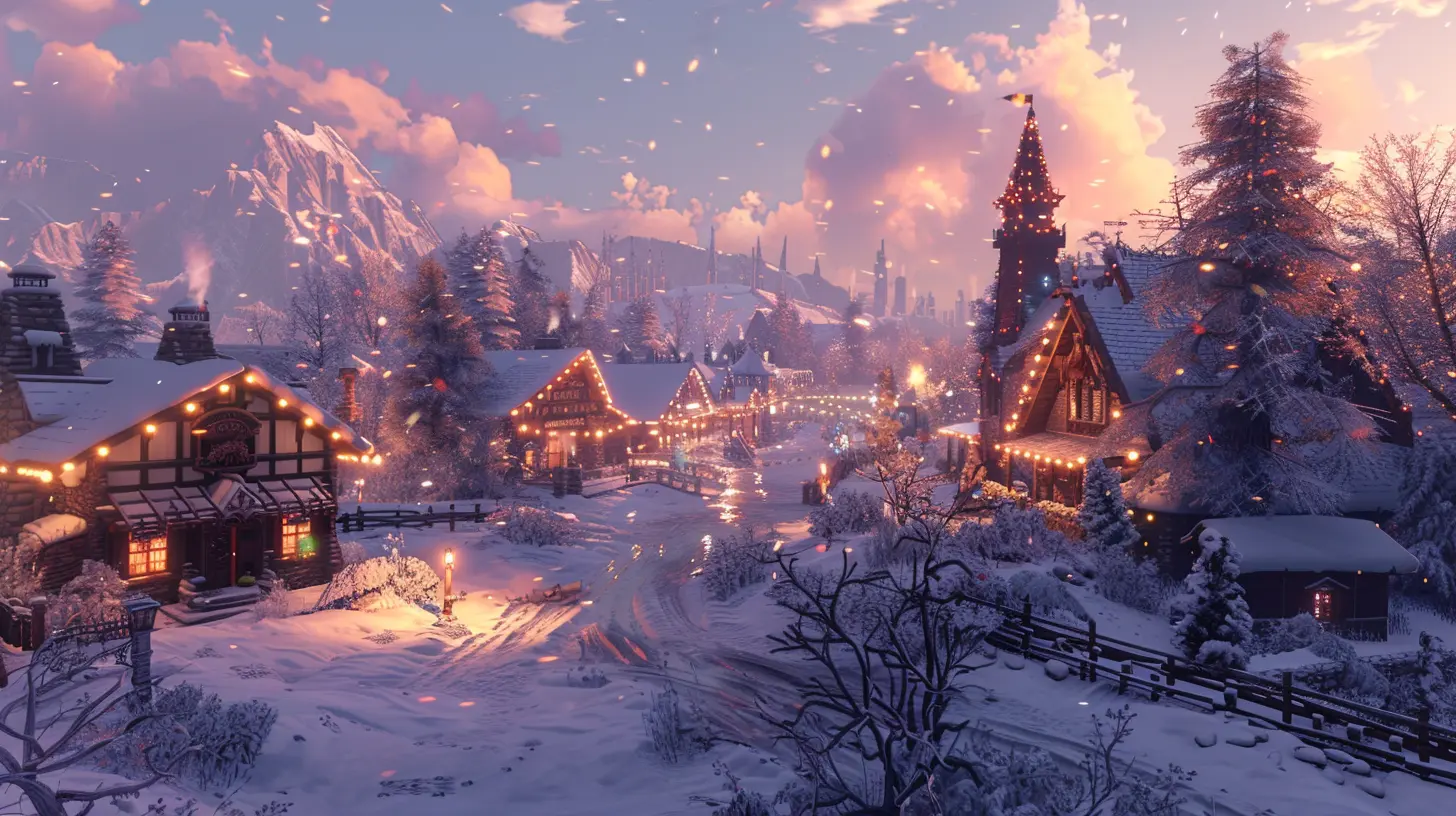
What Are Seasonal Events in Games, Anyway?
Before we get into the heavy stuff, let's make sure we're on the same page.Seasonal events are those limited-time occasions in video games that often align with real-world holidays or events — think Halloween, Christmas, Lunar New Year, and even in-game anniversaries. During these events, developers usually roll out themed content, new challenges, festive decorations, and, most importantly, event-exclusive loot.
Whether it's a snowman costume in Fortnite, a rare mount in World of Warcraft, or special loot boxes in Apex Legends — there’s usually something shiny and new to grab.
And here’s the kicker — these items are often never brought back again. So, when the clock runs out, you either own that treasure or you're left wishing you had.
How Item Values Shift Around Seasonal Events
The Birth of Scarcity
Ever heard the phrase "you always want what you can't have"? Gamers live by this rule. Seasonal items, by nature, are scarce. The moment an event ends, those items are pulled from circulation. And scarcity, my friend, breeds value.Over time, as fewer players own that particular skin or weapon wrap, its desirability increases — especially among collectors and latecomers. It's like digital vintage fashion. Suddenly, what looked like a goofy holiday sweater skin becomes a sign that "I was there first."
Inflation During Events
During the event window, demand skyrockets. Everyone wants the latest and greatest, even if it's just for the two-week period. This often leads to increased in-game prices or efforts to acquire these items — whether that's grinding or spending real money. Developers know this and sometimes bump up the grind or cost, knowing their audience is willing to put in the effort.It's a digital gold rush.
Post-Event Drought
Once the event ends, that demand doesn’t just go away — it transforms. The active market value of exclusive items tends to rise after the event ends. Why? Because players who missed out are now willing to pay a premium. Whether it’s through in-game trading, auction houses, or external marketplaces, these post-event items often appreciate in value — sometimes by hundreds of percent.Think about it: would you rather have a cool skin everyone has or one that only a select few can show off?
Real Game Examples That Prove the Point
Let’s look at some real-world examples so you know this isn’t just theoretical talk.1. Rocket League’s Halloween Items
Rocket League’s Haunted Hallows event always features Halloween-themed cosmetics — spooky decals, pumpkins, trails, and goal explosions. Immediately after the event ends, some of these items, especially the rarer ones, see double or triple their previous trade value. They're not only aesthetic but represent prestige.2. Runescape’s Holiday Drops
Back in the early 2000s, Runescape introduced holiday drops like the famous Santa Hat, Halloween masks, and Easter eggs. These were free items initially given out during events, but today, some of them are worth billions of in-game gold. Why? Pure scarcity and nostalgia.3. Fortnite’s Winterfest Skins
Fortnite is infamous for its seasonal skins. Players who sport original Christmas tree outfits or OG holiday-themed outfits are highly respected. These skins fetch a good price in accounts sold (though against TOS, it still happens) and add significant value to a player’s profile.
The Psychology Behind It All
You might be thinking, "Alright, cool, but why do people care so much?"Good question.
It boils down to a few simple psychological triggers:
- FOMO (Fear of Missing Out): Limited-time availability pressures players to act fast. Nobody wants to miss the boat.
- Status Symbol: Having a rare item can feel like driving a luxury car in the digital world — it’s flex culture.
- Nostalgia: Items from past events often carry emotional value. They remind people of good times, early gaming days, or unbeatable moments.
- Exclusivity: People love owning things others can’t have. It’s a way to stand out.
All these factors drive up perceived and real value.
Tips for Leveraging Seasonal Events as a Gamer
If you’re reading this, chances are you want to get something more out of your seasonal gaming. Whether you're just in it for the fun or looking to trade for profit — here are some tips:1. Always Participate
Even if you’re not a collector or trader, jumping into seasonal events gives you access to potential high-value items — either now or later. It's a low-risk, high-reward move.2. Save, Don’t Sell (Immediately)
Unless you urgently need in-game currency, consider holding onto your best seasonal loot. History shows that many items gain value with time, especially if they’re not made available again.3. Read Up on Trends
Communities like Reddit, Discord groups, and in-game forums often speculate (accurately) on what’s going to be valuable long-term. Stay informed and make your moves strategically.4. Trade Smart
If you're playing games with in-game economies (like CS:GO, Path of Exile, or even old-school MMOs), keep an eye open for market trends before and after events. Buy low when items are everywhere, and sell high after the buzz dies down.How Developers Use Seasonal Events to Drive Engagement
Let’s not forget, game studios aren’t just doing seasonal events out of kindness. They’re brilliant engagement tools.- Increased Logins & Playtime: Gamers return for exclusive loot drops.
- Microtransactions Surge: Limited-time skins or loot boxes mean more real-world money spent.
- Community Buzz: Streamers, YouTubers, and influencers generate hype, bringing in even more players.
And guess what? That means more demand and — again — higher item values.
It's all cleverly orchestrated, and we gamers are here for it… most of the time.
The Dark Side: Not All That Glitters is Gold
Now, it'd be unfair not to mention the downsides.- Over-Saturation: Some games overdo seasonal items to the point where nothing feels special anymore.
- Faked Scarcity: Developers promise exclusivity but then re-release items later, crashing their value.
- P2W (Pay to Win) Concerns: Some seasonal items may offer competitive advantages, tipping the balance for those who can afford them.
But hey, no system is perfect. The key is knowing which games and developers actually respect the value of seasonal content.
Final Thoughts: Embrace the Seasons
Seasonal events aren't just filler content — they’re one of the most dynamic influencers of item value in modern games. Whether you’re a casual player, hardcore collector, or digital trader, understanding how item economics shift during these events gives you a unique edge.So the next time your favorite game rolls out a holiday event, don’t just enjoy the festivities. Think ahead. Grab what you can. Store what you don’t use. Watch the market. You might just be sitting on a digital goldmine without even realizing it.
Because in the gaming world, timing isn’t just everything — it’s the value.
all images in this post were generated using AI tools
Category:
In Game EconomyAuthor:

Jack McKinstry
Discussion
rate this article
2 comments
Hesper McIlwain
Seasonal events really shake up the market for items in games. The temporary nature of these events can drive demand, leading to significant price fluctuations. Players should strategize around these changes to maximize their gains.
July 29, 2026 at 4:28 AM
Jack McKinstry
Absolutely, seasonal events create unique opportunities for players. By adapting to these shifts, they can really capitalize on the changing demand and potentially boost their in-game profits.
Sabina Russell
Oh great, seasonal events are here again. Nothing says "value" like a limited-time hat that you'll probably wear once before tossing it into the virtual closet forever... classy!
May 30, 2026 at 3:24 AM
Jack McKinstry
I get your point. Seasonal items can feel fleeting, but they often spark community engagement and creativity. Sometimes, the fun is in the experience, not just the item itself.