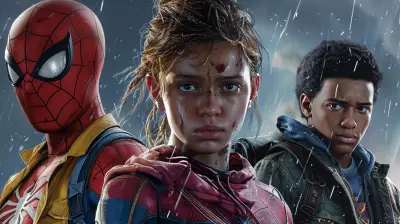
The New Trend of Interactive Game Trailers
20 March 2026
Have you noticed how game trailers have completely leveled up lately? No more sitting back and just watching—now you're actually in the driver’s seat. Welcome to the world of interactive game trailers, where you’re not just a viewer, you’re a participant.
This new trend is flipping the script on how games are marketed, and it’s quickly becoming a favorite move for developers and publishers who want to hook players before the game even launches. Let’s dive into why interactive trailers are making waves and what it means for both gamers and the industry.
What Are Interactive Game Trailers Anyway?
Before we go any deeper, let’s clarify what we’re talking about.An interactive game trailer lets you do something instead of just watching. It might let you choose different paths, make decisions, or even play a short demo—all within the trailer itself. Imagine a “choose your own adventure” book, but on-screen and action-packed.
They blur the line between gameplay and marketing, creating an experience that’s more than just a flashy video.
Why Are Interactive Trailers Becoming So Popular?
Let’s be honest—traditional trailers are cool, but they’re also a bit one-note. They show you what the developers want you to see. Interactive trailers? They let you explore what you care about.There are a few big reasons this new trend is taking off:
1. Engagement Skyrockets
Interactive media pulls you in. Instead of passively watching a cinematic, you're making decisions. That extra level of participation keeps you more engaged, and it makes you remember the trailer—and the game—for way longer.2. Better Game Previews
Ever watched a trailer that looked amazing but the actual game didn’t quite hit the mark? Yeah, we’ve all been there. Interactive trailers can give you a real taste of how the game feels, not just how it looks. That means fewer surprises when you finally play it.3. Social Sharing Gets a Boost
Gamers love showing off unique experiences. If your interactive trailer has different outcomes or hidden elements, people will want to talk about what they found. That kind of organic buzz? Pure gold for marketing.4. Data Collection (Yep, It’s Smart Marketing)
While you play around with the trailer, developers can gather data—what characters you liked, choices you made, and which hooks worked. This feedback helps shape better games and smarter campaigns in the future.
The Tech Behind The Trend
Okay, so how are these magical interactive trailers made?It’s a mix of clever game engines and web-based technology. Some developers use mini builds of their actual games, while others create entirely unique experiences just for the trailer.
Popular tools include:
- Unity and Unreal Engine (for playable slices)
- HTML5 and JavaScript (for browser-based interactions)
- YouTube’s Choose-Your-Own-Adventure features (yep, it’s a thing)
Some trailers even show up as playable ads on mobile gaming platforms, letting you play before you install. It’s like a try-before-you-buy approach, but super streamlined.
Games That Nailed It with Interactive Trailers
If you haven’t seen an interactive trailer in action yet, no worries—we’ve got you covered. Here are a few standout examples that totally raised the bar:1. BioShock Infinite: “Columbia: A Modern Day Icarus”
This one wasn’t fully interactive in the demo sense, but it presented the lore as a museum exhibit, letting you explore piecemeal. It was rich, immersive, and got you pumped for the game’s world.2. Shadow of Mordor: The Nemesis System Demo
This was more than a trailer—it was a sandbox preview. You made decisions that affected battles and alliances, giving you a sneak peek of the Nemesis System in action.3. Netflix’s Bandersnatch (Yeah, It Counts!)
Okay, it’s not a game trailer per se, but Bandersnatch opened tons of doors for interactive storytelling. It showed the gaming world how interested people were in shaping narratives themselves—setting the tone for interactive media.4. Cyberpunk 2077 (Playable Ads Version)
CD Projekt Red launched playable ads on mobile that let potential players try out simple combat and hacking sequences. It was quick, slick, and effective.How These Trailers Affect Buyer Decisions
Let’s talk real results here. Do interactive trailers actually help sell games?Spoiler alert: they do.
The fact is, gamers are picky. We want to know what we’re buying. If an interactive trailer lets us get hands-on before dropping $60, we’re more likely to hit that “Buy Now” button with confidence.
Interactive trailers provide:
- A better look at mechanics
- An early taste of the tone and pacing
- A way to “test drive” the game
Think of it like car shopping. Would you buy a car just from looking at pictures and reading specs? No way—you want a test drive. Interactive trailers are the game industry’s version of that.
Impact on Game Development and Marketing Teams
These trailers aren’t just fun for gamers—they’re a big shift for the folks behind the scenes, too.Developers
They have to create something playable, polished, and short. That means extra dev time, early builds, and more collaboration with marketing teams.Marketing Teams
Suddenly, they're not just writing scripts and editing footage. They're working with developers to create branching paths, interactions, and seamless experiences. It's an entirely new workflow.But the payoff? So worth it. Better engagement, better analytics, and better conversion rates.
Will This Trend Stick Around?
Short answer? Absolutely.Gamers want more immersive, hands-on experiences. As long as the tech continues improving and bandwidth keeps increasing, we’re going to see even more creative, interactive ways to show off games.
Plus, with the rise of cloud-based gaming and platforms like Stadia, Xbox Cloud Gaming, and GeForce Now, it's becoming easier than ever to deliver playable content instantly.
The future might even bring:
- Fully playable mini-games for trailers
- Interaction synced across social platforms
- AR/VR-ready interactive previews
Imagine walking into an in-game location through your VR headset—before the game even launches. Wild, right?
How to Experience Interactive Trailers for Yourself
Alright, so maybe you’re intrigued (or just straight-up hyped) and want to check some out. Here’s how:- Head to YouTube and search for “interactive game trailers” (some use annotations for branching paths)
- Visit game websites directly—some host exclusive interactive previews
- Look for playable ads on mobile platforms like Google Play or during free mobile games
- Browse Steam’s Next Fest for hands-on demos with tons of developers showing off tiny chunks of their games
The Gamer’s Role in This Evolution
Here’s the real kicker: this trend wouldn't even exist without you, the gamer. Your hunger for deeper previews, your feedback, and your shares are what’s driving this interactive movement forward.So the next time you stumble upon an interactive game trailer, dive in. Tweak the story. Scout all the paths. Break stuff. It’s not just about testing a game—it’s about shaping the future of how those games are introduced to the world.
Final Thoughts
Interactive game trailers are more than just a gimmick—they’re a natural next step in how we explore, preview, and get hyped for games. They let us experience a slice of the action, get involved in the story, and decide for ourselves if the game’s worth our time.They’re immersive, exciting, and honestly, they make us feel like a part of the game way before we even pick up the controller.
So, as the line between gamer and viewer continues to blur, one thing’s for sure: trailers just got a whole lot more fun.
all images in this post were generated using AI tools
Category:
Game TrailersAuthor:

Jack McKinstry
Discussion
rate this article
2 comments
Geneva Palmer
Exciting evolution in gaming!
March 23, 2026 at 4:25 AM
Jack McKinstry
I agree! It's amazing to see how trailers are becoming more engaging and immersive. Exciting times ahead for gamers!
Jasmine McGarvey
Excited to see how interactive trailers transform gaming experiences and storytelling!
March 21, 2026 at 3:24 AM
Jack McKinstry
Thank you! Interactive trailers are indeed reshaping how we engage with stories in gaming, making the experience more immersive and dynamic. Exciting times ahead!