The Rise and Fall of Player-Driven Markets
30 July 2026
Let’s get real for a second: one of the coolest things about online games, especially MMORPGs, has always been the economy. Nothing gets the virtual blood pumping like striking it rich selling a rare sword you looted off a fire-breathing dragon or running your own in-game blacksmithing business. Player-driven markets were once the shiny jewel in the crown of open-world games—giving players the freedom to buy, sell, and trade like miniature tycoons in fantastical universes.
But now? Those player-driven economies are either heavily restricted or nearly extinct in many major games. What happened? What caused this grand sandbox feature to become a relic in modern gaming?
Let’s take a deep dive into the rise and fall of player-driven markets and what it says about the future of games.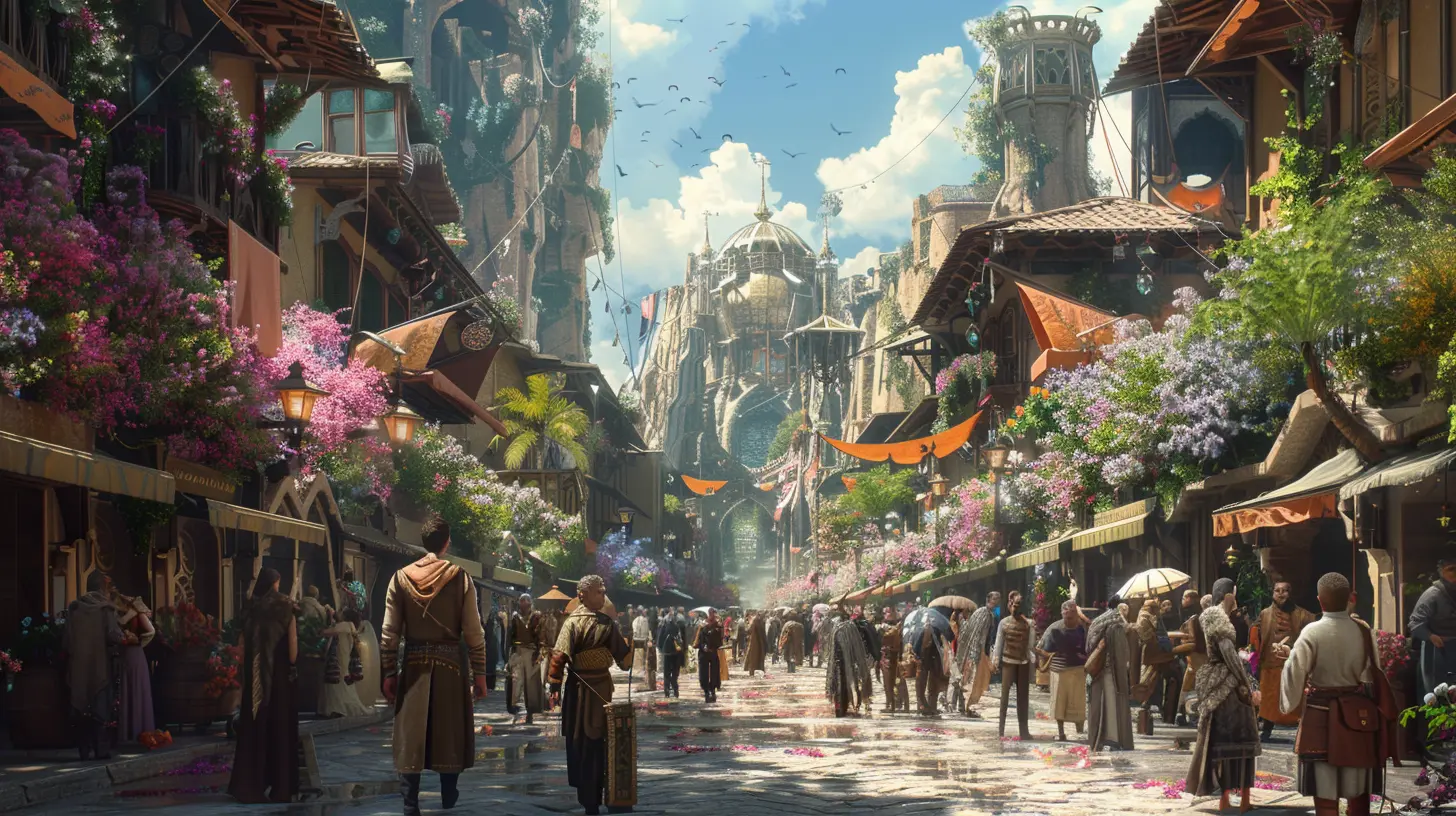
What Are Player-Driven Markets?
Before we dissect the downfall, let’s clarify what we’re talking about.A player-driven market is an in-game economy where items, resources, gear, and even services (like transportation or escorting) are bought and sold almost entirely by the players. The game provides the tools—like auction houses or trade windows—but it’s the players who actually set the prices.
Think RuneScape’s Grand Exchange, EVE Online’s galactic market, or even the early days of World of Warcraft's Auction House. If you wanted something, you either farmed it or paid someone who did.
It functioned very similarly to real-world marketplaces. Prices went up when demand increased. Prices crashed when an item was overfarmed. There were even scams, market manipulation, and economic bubbles.
Sounds wild, right? That’s because it was. And it was fun.
The Golden Age: Why We Loved Player-Driven Economies
Once upon a time, player-driven economies weren’t just an optional feature—they were a core part of the gameplay loop.1. It Made the World Feel Alive
In older MMOs, the economy wasn’t just tacked on—it was the game. Harvesting, crafting, bartering, and flipping items was just as valid a playstyle as raiding dungeons. If you didn’t feel like fighting goblins, you could just buy from someone who did.Cities like Ironforge in WoW or Veldt in Final Fantasy XI were bustling with players yelling trade offers and negotiating deals. That chaos? That was magic. It gave you a sense you were part of something big, like a digital society.
2. It Created Real Value
We’re not just talking imaginary value either. Pixel swords and potions actually had worth—sometimes real-world worth. There were games where you could make bank just playing the auction house right.EVE Online is infamous for this. The economy is so complex, it’s been studied by actual economists. Entire corporations (guilds) revolve around trade, supply chains, and even hostile market takeovers. That’s next-level stuff.
3. It Encouraged Player Interaction
You had to talk to people. You had to find suppliers or buyers. You made friends, enemies, and trade partners. These weren’t just transactions—they were stories. Remember that guy who always undercut your wool prices? Yeah, you held a grudge.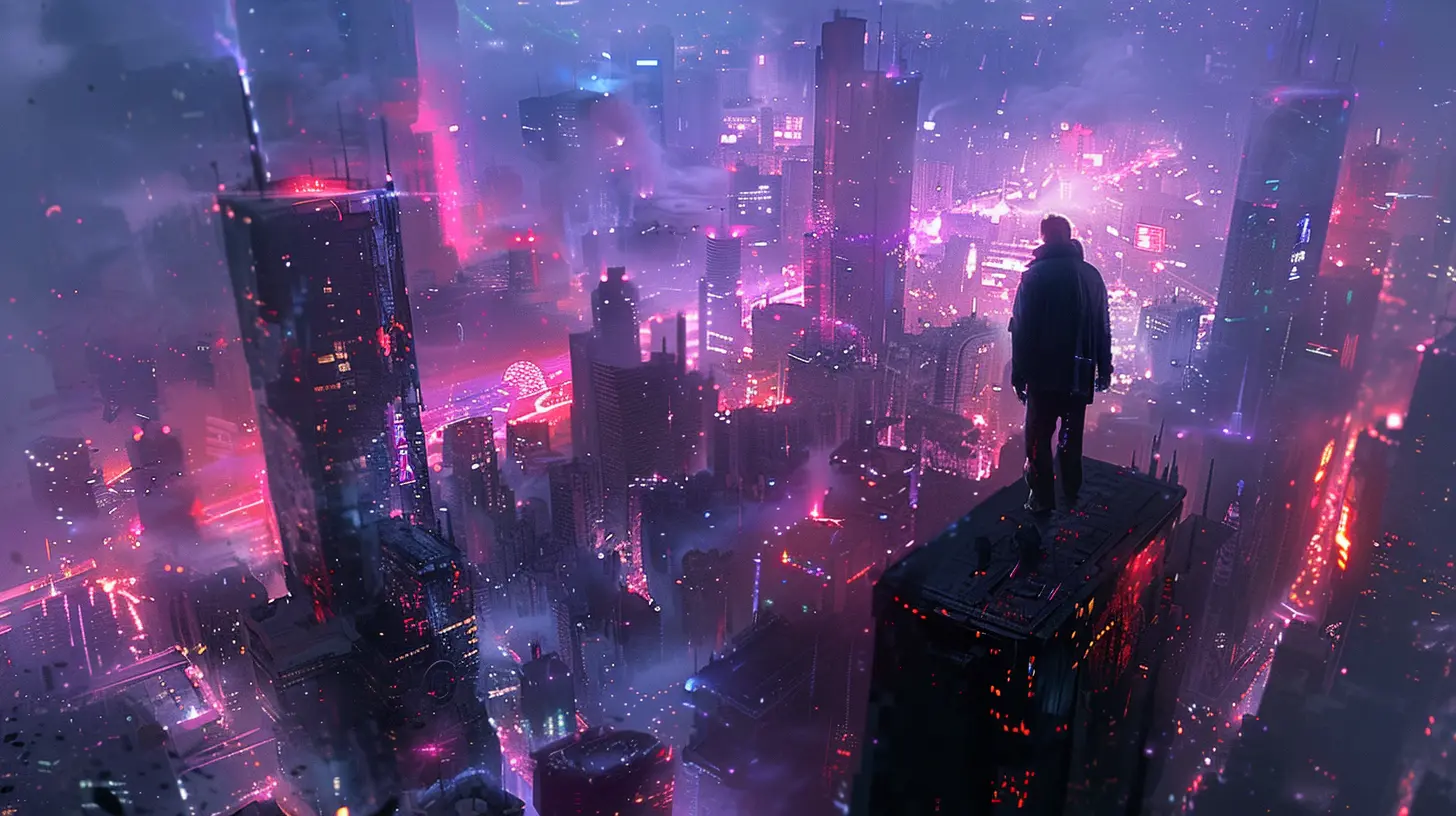
Cracks in the Foundation
But like all good things, trouble eventually came knocking.As more players flooded the biggest MMOs and new ones entered the arena, developers started noticing major problems with open economies.
1. The Bot Problem
Bots ruined everything. Automated accounts started flooding markets with farmed materials 24/7. These bots could gather resources at impossible rates, crashing prices and turning player-made items worthless.In games like RuneScape and WoW, botting became so rampant that entire parts of the market became unusable for casual players. Why go chop wood for an hour when some bot already did it 10,000 times and priced you out?
2. Gold Sellers & Real Money Trading (RMT)
Player-driven economies opened the door for gold sellers—players (or companies) who would sell in-game currency for real-world cash. This wasn’t just a gray area; it was a full-blown black market.It got bad. Really bad. Entire economies were distorted because players with fat wallets could just buy their way to the top, leaving everyone else in the dust. Not to mention the increase in scams, account theft, and exploits.
3. Market Manipulation
With enough time and money, players could actually manipulate markets. This wasn’t always malicious—some players just enjoyed playing the “stock market” side of the game.But others? They’d corner markets, buy out supplies, or use dodgy tactics to control prices. For solo players or newbies, this kind of economic PvP was totally demoralizing.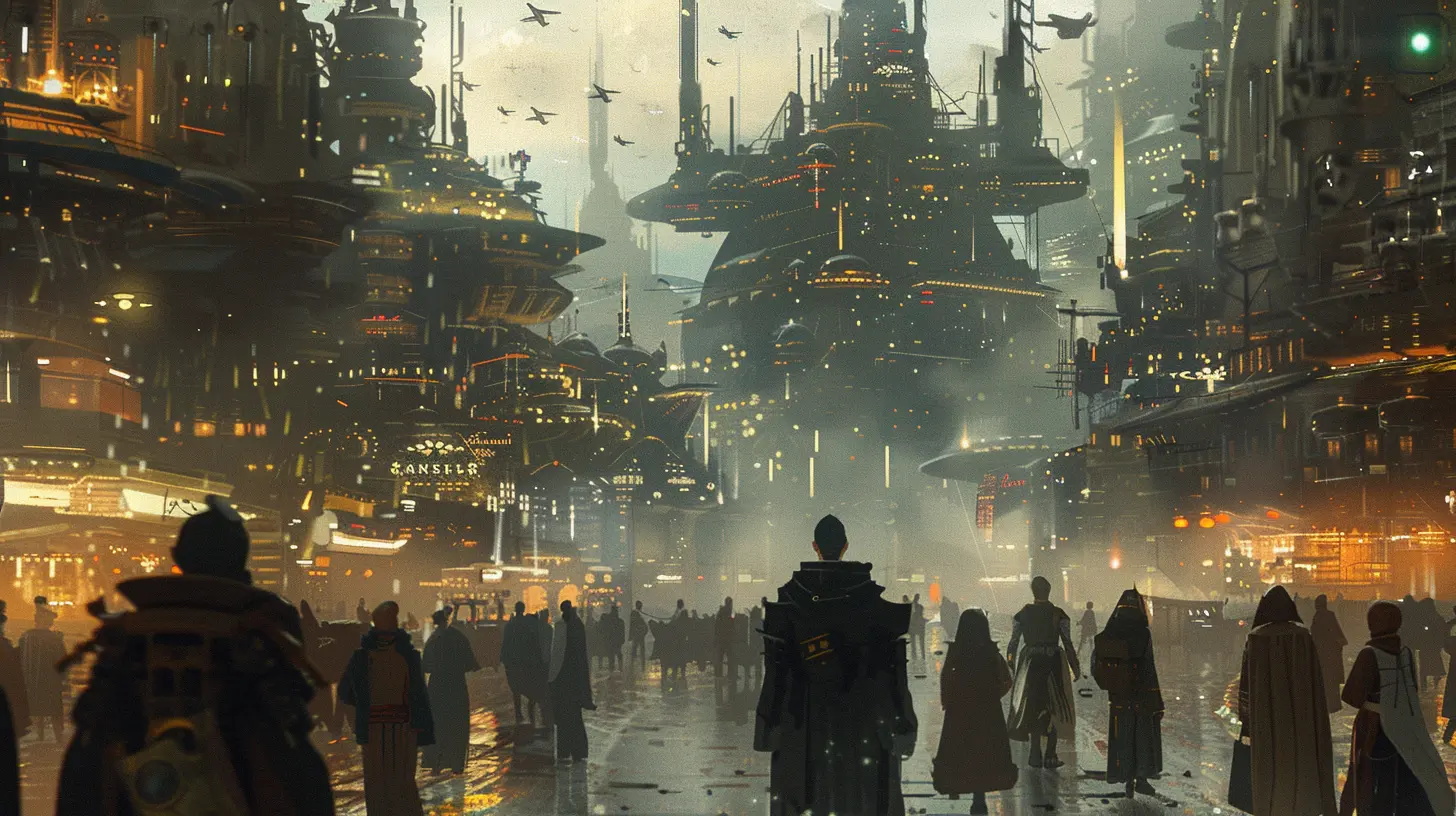
Developers Step In (And Clamp Down)
Eventually, game developers decided enough was enough. To fix the chaos, they started putting limits on trading and player-driven markets.1. Bound Items Became the Norm
The rise of bind-on-pickup (BoP) items changed everything. Gear you earned from dungeons or bosses couldn’t be traded—it was yours and yours alone.This effectively killed gear trading in a lot of top-tier content. If you couldn’t sell that sweet loot, you couldn’t profit from high-end PvE. That whole side hustle? Gone.
2. Auction House Restrictions
Some games removed auction houses altogether. Others limited listings or imposed taxes to discourage frivolous trading. In games like Diablo III, the Auction House was eventually scrapped because it hurt the gameplay loop.That’s right. Blizzard straight-up deleted one of their game’s core features because it was "too effective."
3. Centralized NPC Shops & Controlled Economies
More and more MMOs and online games started relying on NPC vendors who had flat prices. This took player influence out of the equation entirely. You couldn’t gouge or undercut. The prices were fixed.While this made things fairer and reduced scams, it also made everything feel… well, boring. It turned thrilling capitalist adventures into emotionless transactions.
The Rise of Cosmetic-Driven Economies
So if we can’t trade gear or items freely anymore, what’s left?Answer: skins, cosmetics, and virtual fashion.
In games like CS:GO, Fortnite, and Valorant, the new economy is all about flexing with style. Skins are the new virtual gold. But unlike old-school gear markets, these systems are often designed to benefit the developers first.
Think loot boxes, limited-time offers, battle passes. It’s not about what players create—it’s what they buy.
Is This Still Player-Driven?
Sort of. Players still trade and speculate on items, especially in games like CS:GO with real-money skin trades. But the control lies heavily in the hands of devs and publishers. Item drop rates, market fees, and availability—all controlled from above.It's like going from running your own little shop in a village to renting a shelf in Walmart. You're still “selling,” but you’re not really in control anymore.
Are There Still Games with True Player-Driven Markets?
Absolutely. They’re just not as mainstream.Indie MMOs and sandbox games are keeping the dream alive. Titles like:
- EVE Online (still the gold standard)
- Albion Online (pure sandbox economy)
- Wurm Online (your sweat and tears become currency)
- Project Gorgon and Shroud of the Avatar (retro vibes with deep economy mechanics)
These games offer the same thrill of earning your wealth the old-fashioned way—crafting, gathering, bartering. The communities are often smaller, but way more tight-knit. There's real satisfaction in knowing that your crafted sword is in someone else's inventory, being used in battle.
These games may not hit the numbers of a Fortnite or WoW, but they’re doing something just as valuable: preserving a style of player freedom that’s vanishing from the bigger stage.
Will Player-Driven Markets Ever Make a Comeback?
It's possible. We're in a weird time in gaming where nostalgia and innovation are constantly overlapping. Hardcore gamers still crave systems they can sink their teeth into, and sandbox-style MMOs may well enjoy a renaissance.What could bring them back?
- Web3 and Blockchain Gaming (controversial but promising)
- Mod-friendly ecosystems
- New indie MMOs taking risks
- Games with fully open economies and PvP trade systems
Of course, these games will have to deal with the same old problems—bots, gold sellers, and manipulation—but maybe with modern tech and smarter devs, those issues can be managed better this time around.
Final Thoughts: A Bittersweet Goodbye
Player-driven markets were messy, unpredictable, and often unbalanced—but they were also thrilling, social, and endlessly creative. They turned players into merchants, economists, and legends.Today’s more sanitized systems may be "fairer," but they’ve lost a bit of soul.
If you ask me? There’s still room for both. Not every game needs a fully open economy, but for the ones that do—it adds a layer of depth that you just can't fake.
So here’s hoping we haven’t seen the last of player-driven economies. May your trades be profitable, and your markets ever in your favor.
all images in this post were generated using AI tools
Category:
In Game EconomyAuthor:

Jack McKinstry
Discussion
rate this article
2 comments
Hesper Moses
This article offers a compelling look at how player-driven markets shape gaming economies. It highlights both the benefits and pitfalls, reminding us that balance is crucial for sustainable growth in virtual worlds. Great insights!
October 21, 2026 at 2:34 PM
James Valentine
Player-driven markets are like my last relationship: lots of hype and excitement... then suddenly, it's just me and a pile of useless virtual loot.
July 30, 2026 at 4:58 AM
Jack McKinstry
That's a clever analogy! Player-driven markets can definitely bring the thrill, but the aftermath can leave you feeling a bit empty if the value fades.