The Role of Location Data in Shaping AR Gameplay
3 July 2026
If you've ever chased a Pikachu down the street, spun a PokéStop at your local park, or uncovered hidden digital treasure near your favorite coffee shop, you’ve already tasted what location data can do in augmented reality (AR) gaming. But have you ever stopped to wonder how your phone knows exactly where to place that virtual object? Or why it matters where you're standing when you're playing an AR game?
Location data is the unsung hero of many AR experiences. It's not just about knowing where you are—it's about shaping how and what you experience in augmented reality. And honestly, it’s a game-changer (pun 100% intended).
Let’s dive deep into how location data molds our AR adventures, why it’s so important, and where this tech is headed next.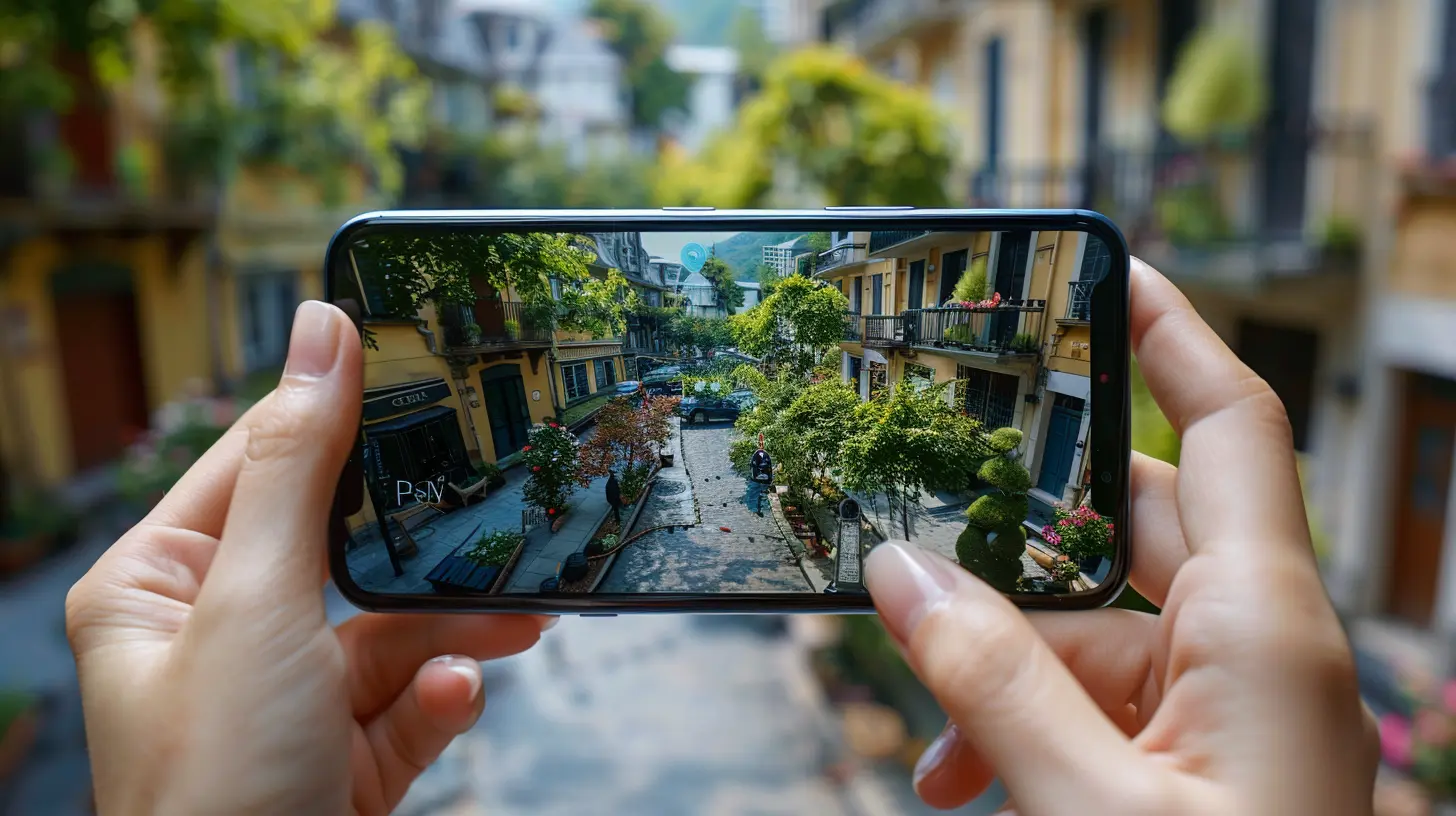
What’s the Deal with AR and Location Data Anyway?
Let’s start with the basics. Augmented Reality enhances our real-world surroundings with digital overlays—think of floating objects, avatars, portals, or puzzles layered onto your real environment. Now, to make those overlays actually make sense (like placing a dragon on your rooftop instead of inside your fridge), AR needs to understand where you are.That’s where location data swoops in like a tech superhero. Through GPS signals, Wi-Fi, cell towers, and even your phone’s sensors, AR apps figure out your precise location—and use that data to place digital content in real-world spots.
Imagine playing an AR scavenger hunt that leads you from one clue to the next based on your actual position. Without accurate location data, the game wouldn't know where to send you. You’d basically be wandering aimlessly. Not fun.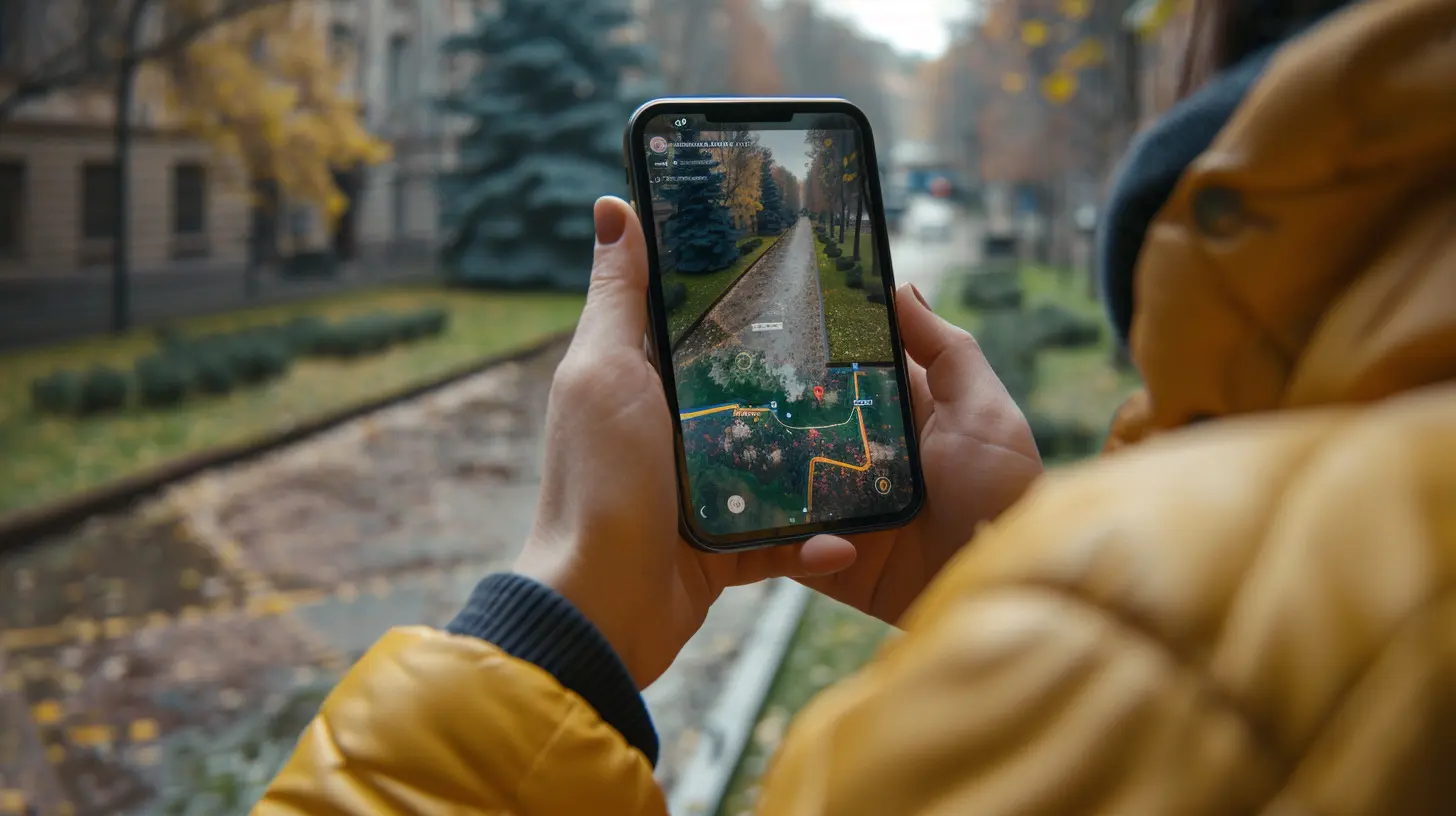
How AR Games Use Your Location (Yes, It's Magic)
So how exactly do AR games use your location? Let’s break it down:1. Mapping Gameplay to Real-World Places
One of the coolest things about AR games is that they turn familiar places into game levels. Your neighborhood might double as a dungeon. The park may be crawling with digital monsters. This “real-world mapping” is only possible through accurate GPS and location-based services.Games like Ingress, Pokémon GO, and The Witcher: Monster Slayer actually place in-game points of interest at real-world landmarks. The accuracy of this placement literally makes or breaks the immersion.
2. Creating Geo-Fenced Quests and Events
Ever unlocked a special event in a game just because you showed up at a certain place? That’s called geo-fencing. Think of it as drawing an invisible boundary around a location—once your device crosses into that area, the game reacts. Poof—new missions, characters, or challenges appear!Developers use this trick to encourage exploration and foot traffic. Imagine walking into a store and triggering an exclusive AR boss battle. You might even score discounts or real-world rewards. It’s like Pokémon meets Black Friday.
3. Fostering Local Community Play
Location data isn’t just about solo adventures. It brings people together. When games anchor experiences in shared public places, groups of players start forming organically. Community Days, like those in Pokémon GO, bring thousands to parks and plazas. It’s social gaming, but with exercise.By making certain digital content only accessible at specific spots, developers can nudge people into real-life meetups. Friendly (or not-so-friendly) competition isn’t limited to screens—it spills into the streets.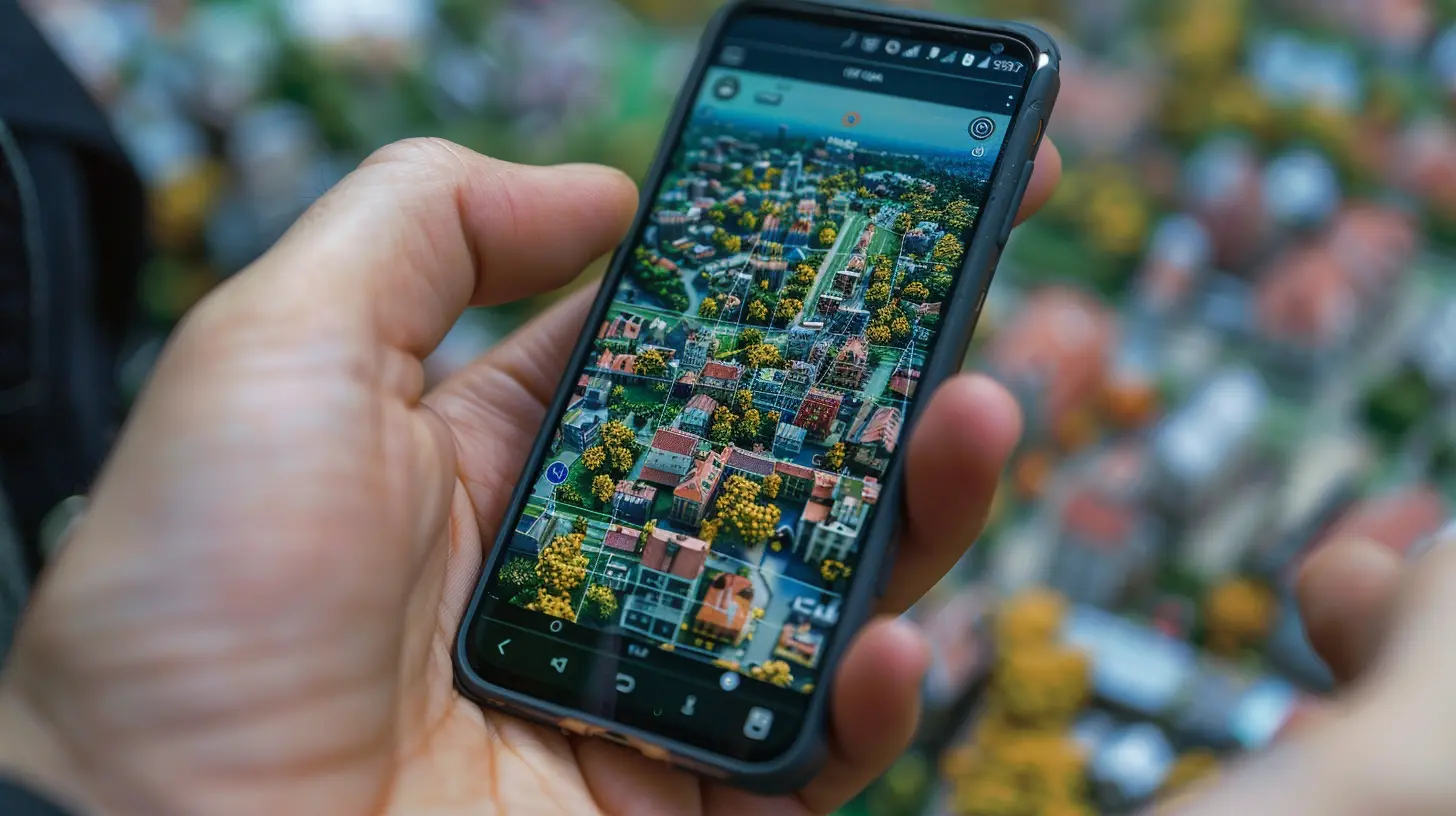
Real-World Examples of Location-Driven AR Awesomeness
Let’s highlight some home-run hits when it comes to AR games nailing location-based gameplay.? Pokémon GO – Location Legend
We can’t talk about AR and location without this juggernaut. With over a billion downloads, Pokémon GO proved that people are willing to roam cities, forests, and even cross oceans (well, figuratively) to catch ‘em all. It ties creature spawns to terrain and local weather. Water Pokémon hang out near lakes. Ghost-types lurk in cemeteries. It's spooky—but smart.?️♂️ Ingress – The AR Godfather
Niantic’s first AR baby, Ingress, turned the world into a battlefield between factions. Players physically journey to “portals” (usually public art, landmarks, or historical spots) to capture them. The catch? You’ve got to be there—in the flesh. Remote control isn't an option.⚔️ The Witcher: Monster Slayer – Slaying With GPS
If you’ve ever dreamed about being a Witcher IRL, this game delivers. It uses your physical location to determine monster types, item availability, and quests. Walking through different terrain? Expect different foes. It adds a sweet layer of realism to monster hunting.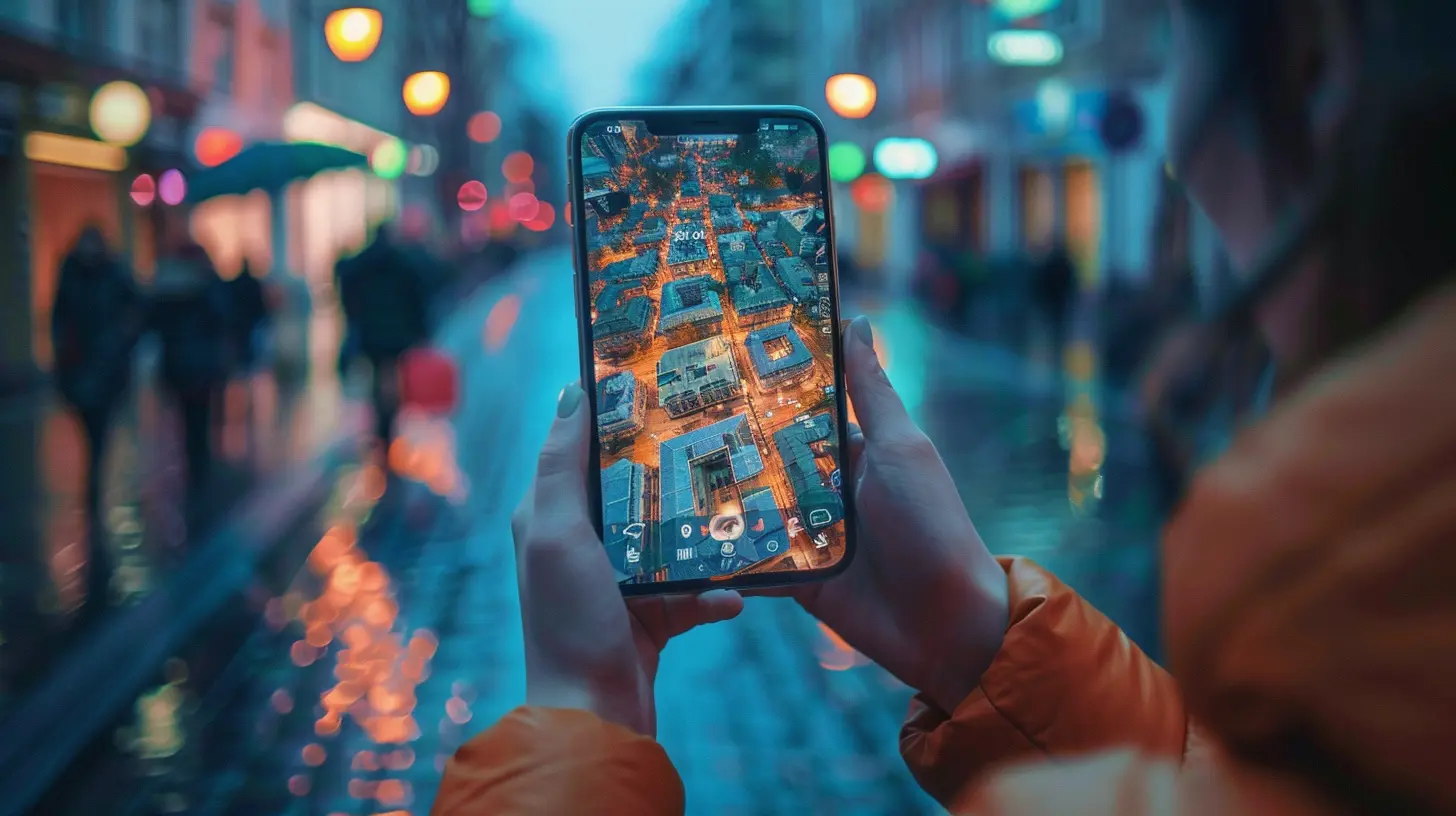
Why Accurate Location Data Matters
Okay, you get it—location is important. But how precise does it really need to be? Like, can we get away with “close enough”?Short answer: nope. If the game thinks you’re 20 feet away from where you actually are, it might place a Pokémon you can’t reach or start a mission in the middle of a highway (yikes).
Here’s what accurate location data brings to the table:
- ✨ Immersion – The more accurate the data, the more believable and seamless the experience.
- ? Navigation – Players need to know where to go and what to do when they get there.
- ? Placement – Virtual objects must appear in logical and interactive spots.
- ?♂️ Safety – Players shouldn’t be led into traffic or private property.
So yeah, GPS glitches or lag can totally ruin the fun. Developers invest a lot in refining these systems—and for good reason.
The Tech Behind the Magic
Alright, let’s get slightly nerdy (don’t worry, I’ll keep it light). How do games know where we are??️ GPS (Global Positioning System)
This is the big one. It uses satellites to triangulate your position. Most accurate outdoors, GPS helps games determine your longitude/latitude with decent precision.? Wi-Fi and Cell Towers
When you’re indoors or in a dense urban area, GPS might struggle. Enter Wi-Fi and cellphone signals. These help refine your position by determining what networks your device is pinging.? Motion Sensors
Accelerometers and gyroscopes track your steps and orientation. Combined with GPS, they help keep virtual objects steady—even if you’re moving.? SLAM (Simultaneous Localization and Mapping)
Used in advanced AR systems, SLAM maps your surroundings in real-time and anchors virtual objects more stably. It’s like giving your phone eyeballs and a brain.Challenges and Limitations
As dreamy as all this sounds, location-based AR isn’t perfect. There are a few bugs in the system (and no, not the catchable kind).❌ GPS Drift
Phones can sometimes “drift” on the map, especially in areas with poor satellite signal (looking at you, skyscraper canyons). That can mess with object placement or even kick players out of geo-fenced zones prematurely.⚠️ Privacy Concerns
When a game tracks where you go, there’s always a risk of that data being misused. Ethical handling of location data is hugely important, especially when kids are involved.? Accessibility & Inclusion
Not everyone lives near a hotspot of AR activity. Rural players often miss out on points of interest that are abundant in big cities. Some developers are working to fix this, but there’s a long way to go.The Future of Location-Based AR Games
So what’s next? We’re only scratching the surface of what location data can do for AR gameplay. Here's what we might see in the near future:? Hyperlocal World-Building
Imagine an AR game that knows which street you’re on—and customizes quests for that exact location. Super niche, super personal. Like a digital storyline just for your block.? Real-World Business Tie-Ins
Retailers and brands are eyeing location-based AR as a way to bring people into physical stores. Think coupons, exclusive quests, or brand-themed AR items that drop only near participating locations.?AR Glasses Integration
With Apple, Meta, and others chasing AR glasses, location-based gameplay may evolve beyond phones. Your glasses might recognize a real-world object and trigger a game moment on the spot. Sci-fi? Not for long.? AI + Location = Smarter Games
Combine AI’s ability to learn and adapt with location data and you get a game that reacts intelligently to your habits, spots you frequent, and your local environment. It’s like your AR game knows you better than your mom.Final Thoughts: It’s All About the Where
As AR games become smarter and more immersive, location data will continue to be their foundation. It determines what we see, how we interact, and where the action unfolds. It’s the silent architect building our augmented experiences, shaping digital adventures around the real world we live in.Next time you're out catching monsters or unearthing digital loot, just remember—the game isn’t only reacting to your taps and swipes. It’s tuned in to your surroundings. It’s responding to you in real time, because you’re not just a player in a story—you’re a part of the world it’s written in.
And all of that? Made possible because your phone knows exactly where you are.
all images in this post were generated using AI tools
Category:
Augmented Reality GamesAuthor:

Jack McKinstry
Discussion
rate this article
1 comments
Barbara McCord
Location data transforms AR gameplay, turning everyday spaces into immersive adventures... genius!
July 3, 2026 at 3:46 AM
Jack McKinstry
Thanks for your thoughts! Location data really does open up new possibilities for AR experiences. Glad you enjoyed the article!