The Science of RNG: What Makes Loot Boxes Tantalizing
4 January 2026
If you’ve ever played a game with loot boxes, you’ve probably been caught in their magnetic pull. You know, that rush when you hover over the “Open” button, waiting to see what treasure—or trash—you’ll uncover. But why are loot boxes so freaking tantalizing? It’s not just about the loot itself. Nope, the real magic lies in something called RNG, or Random Number Generation. Let’s unpack the science behind it, break down what makes loot boxes so addictive, and understand why they keep us coming back for more.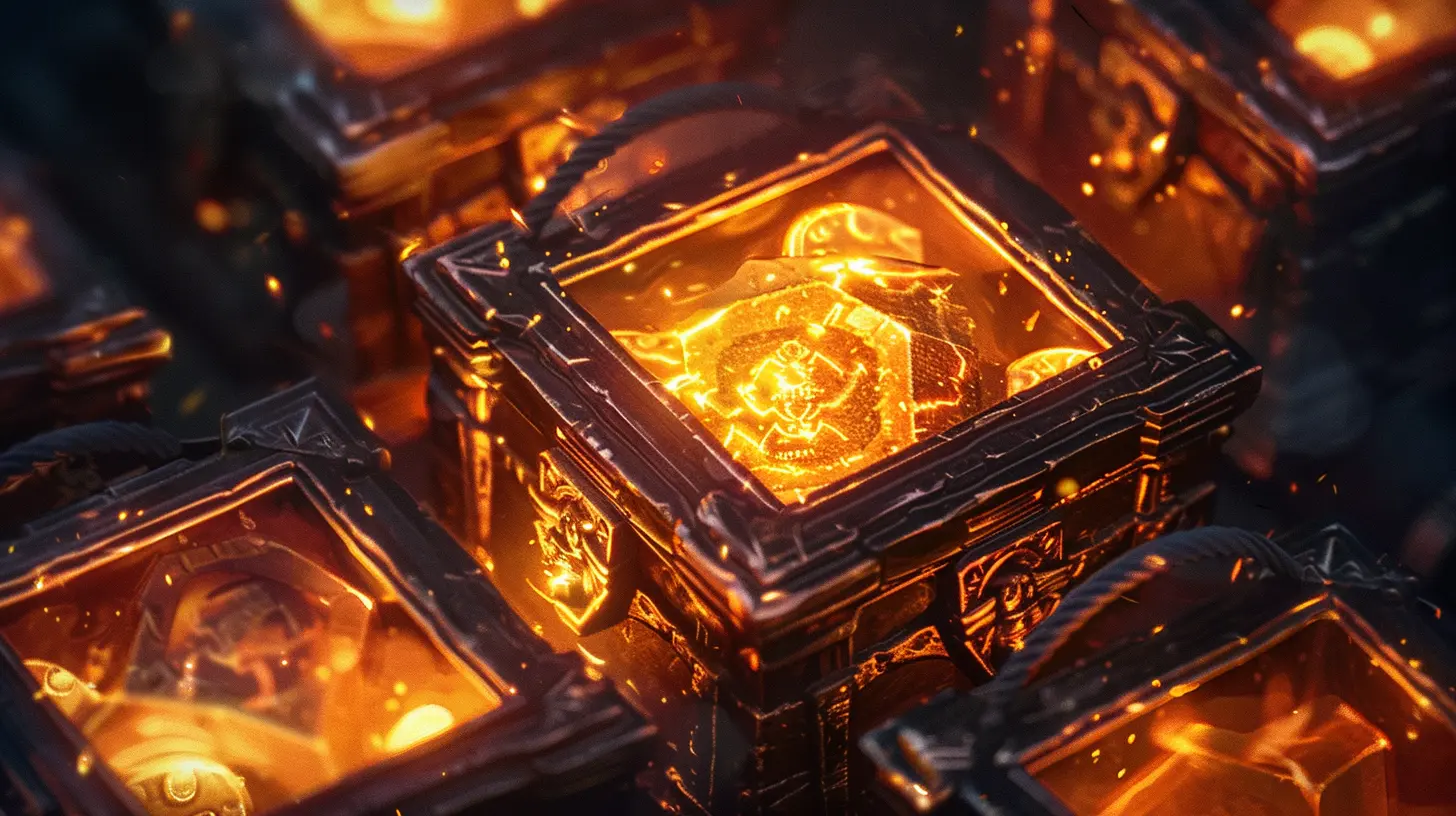
What is RNG, and Why Does It Matter in Games?
Okay, first things first—what the heck is RNG? Short for Random Number Generator, RNG is a fancy algorithm that game developers use to inject unpredictability into gameplay. Think of it as the game’s version of rolling dice behind the scenes. It determines everything from the loot you get in a box to whether that critical hit lands during your boss fight.In loot boxes, RNG decides what reward pops out when you crack it open. A rare skin? A shiny weapon? Or just another dull item you’ve already received ten times before? The randomness is what keeps you guessing—and playing.
At its core, RNG is designed to mimic uncertainty, much like how randomness exists in the real world. It’s the same principle that fuels slot machines in casinos or the thrill of buying a lottery ticket. But let’s face it, in games, it can feel a bit...personal. Like the game knows you want that legendary item but deliberately holds out on you. Spoiler alert: it doesn’t. It’s all math.
Why Does Randomness Trigger Such Strong Feelings?
Have you ever noticed how you feel more invested in something when you’re not entirely sure of the outcome? That’s your brain’s love affair with uncertainty at work. In psychology, this is called intermittent reinforcement. It’s when rewards are given sporadically, rather than predictably, which makes you more likely to stick around.Think of it this way: Let’s say you always get a guaranteed legendary drop every 10 loot boxes. Sure, that would be satisfying for a while, but eventually, it’d lose its charm because you know what’s coming. Randomness, on the other hand, keeps you on the edge of your seat. It’s unpredictable, exciting, and—dare I say it—a little infuriating.
Here’s the kicker: the randomness feeds into our brain’s dopamine reward system. This is the chemical pathway in your brain responsible for making you feel good. Every time you open a loot box, dopamine gets released, especially if you snag a rare item. Even if you don’t, the possibility of hitting the jackpot keeps the dopamine flowing.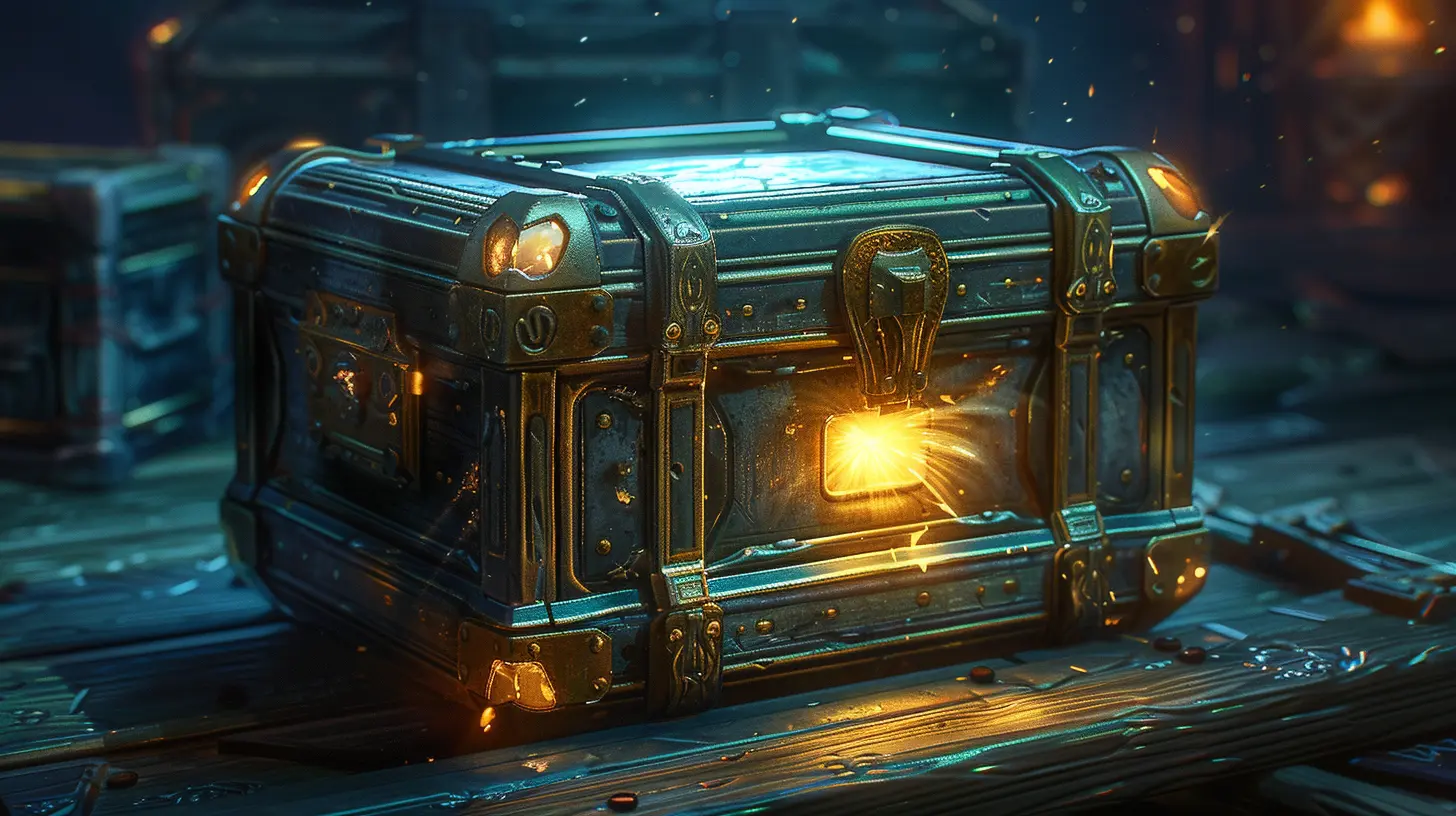
The Skinner Box Effect: How Loot Boxes Play With Our Psychology
To understand why loot boxes are so tantalizing, we need to talk about a concept called the Skinner Box effect. Named after psychologist B.F. Skinner, this theory revolves around how behaviors can be influenced by rewards and punishments. Imagine a lab rat in a box pressing a lever to get food. If the reward comes randomly—sometimes it works, sometimes it doesn’t—the rat will keep pressing the lever obsessively.Guess what? We’re not so different from those lab rats. When it comes to loot boxes, the “lever” is clicking the open button, and the “food” is the loot inside. The randomness of it all makes us keep clicking, hoping that this time will be the one where we get the ultra-rare item.
But loot boxes don’t just rely on randomness—they often sprinkle in a dash of “near-miss” psychology. Ever opened a box and seen flashy effects that make it feel like you were close to a legendary item, only to land on something mediocre? That’s no accident. Game developers use visual cues and sounds to create the illusion that you were “oh-so-close,” which only fuels the fire to try again.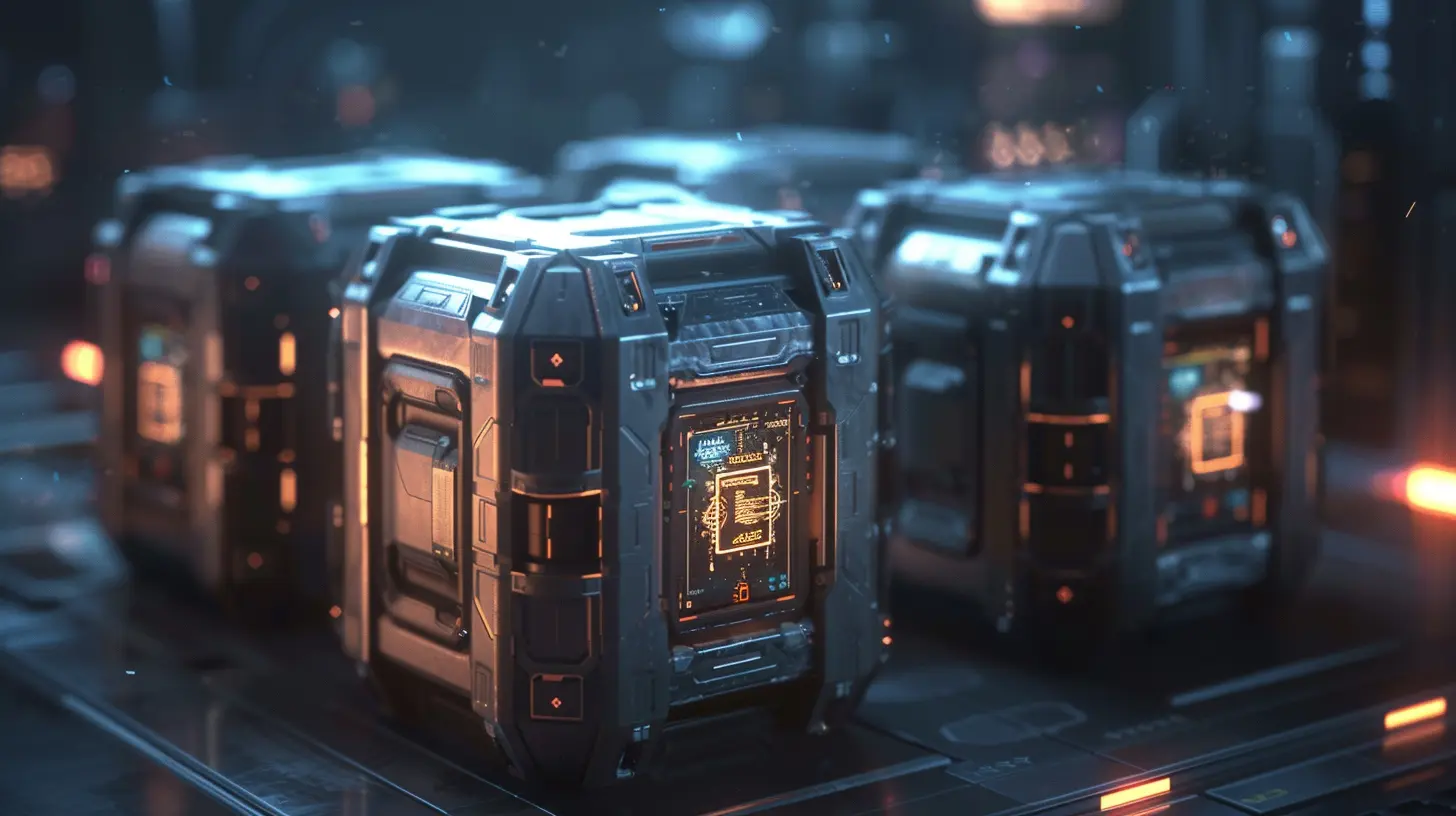
The Role of Visuals and Sound: Making Loot Boxes Irresistible
Let’s not overlook the dazzle factor. Loot boxes aren’t just random in function—they’re designed to be sensory overdrive. Bright colors, shiny animations, dramatic sound effects—all of these elements combine to create a sense of occasion every time you open one.Think about it: Would ripping open a loot box be as satisfying if it were just a boring progress bar? Of course not. The thrill comes from the confetti-like explosion on your screen, the roulette spin of items, and that triumphant horn sound when you’ve hit the jackpot.
These sensory cues are part of what makes loot boxes feel rewarding, even if the actual loot isn’t great. It’s like opening a present on Christmas morning—it’s not just about what’s inside but also the act of tearing through the wrapping paper. Game developers know how to tap into this primal excitement, and they do it well.
FOMO: The Fear of Missing Out
Let’s be real—loot boxes wouldn’t be half as appealing without the underlying pressure of FOMO, or the Fear of Missing Out. Limited-time events, exclusive items, and rotating loot pools all create a sense of urgency. If you don’t snag that rare item now, you might never get another chance. And nobody likes the idea of missing out on something cool, especially when all your friends are showing off their shiny new gear.This is where monetization comes into play. Many games offer paid loot boxes, and FOMO nudges players to whip out their credit cards. “Just one more try,” you tell yourself. Spoiler alert: It’s never just one more.
Are Loot Boxes Gambling?
Now, this is where things get controversial. Loot boxes often get compared to gambling because they share many similarities—a sense of risk, a monetary cost (in many cases), and the potential for reward. However, game developers argue that loot boxes aren’t technically gambling because you always get something in return, even if it’s not what you want.That said, countries like Belgium and the Netherlands have banned loot boxes outright, classifying them as a form of gambling. The debate rages on, but one thing is clear: loot boxes tap into the same psychological triggers that keep people glued to slot machines.
How to Enjoy Loot Boxes Responsibly
So, loot boxes are exciting, but they can also be a slippery slope. The key is to enjoy them without letting them control you. Here are a few tips to keep in mind:1. Set a Budget: If you’re spending real money on loot boxes, decide upfront how much you’re willing to spend—and stick to it.
2. Don’t Chase Losses: If you didn’t get the item you wanted, don’t fall into the trap of “just one more try.” RNG doesn’t owe you anything.
3. Remember the Odds: Loot boxes often display the drop rates for rare items. Accept the odds before you open one.
4. Focus on the Fun: At the end of the day, games are meant to be fun. Don’t let loot boxes become a source of stress or frustration.
Closing Thoughts
Loot boxes are a fascinating mix of psychology, randomness, and design. They’re perfectly engineered to keep us hooked, blending the thrill of uncertainty with the allure of rewards. While they can add an exciting layer to games, it’s important to understand the mechanics behind them—and to approach them with caution. After all, like any form of entertainment, they should be enjoyed in moderation.So the next time you open that loot box, remember: it’s not just about getting that rare item. It’s about the dopamine, the design, and the downright genius of RNG. And hey, even if you get junk, at least you had fun, right?
all images in this post were generated using AI tools
Category:
Loot BoxesAuthor:

Jack McKinstry
Discussion
rate this article
2 comments
Liora Gonzalez
Explores psychology behind loot box appeal and player behavior.
January 22, 2026 at 3:42 PM
Jack McKinstry
Thank you! I'm glad you found the exploration of psychology and player behavior in loot boxes intriguing. It’s a fascinating intersection of gaming and human motivation.
Kismet Soto
Great read! RNG keeps games exciting and unpredictable!
January 11, 2026 at 3:56 AM
Jack McKinstry
Thank you! I'm glad you enjoyed the article. RNG definitely adds an element of surprise that keeps players engaged!