Tips for Making Game Trailers That Sell
18 August 2026
Game trailers… oh honey, they’re not just flashy videos anymore—they’re your golden ticket to getting players hyped, investors drooling, and buzz buzzing. You can have the most mind-blowing game ever coded into existence, but if your trailer flops like a sad pancake, guess what? No one's biting.
So, buckle in. We're diving deep into the juicy world of game trailers—not just how to make one, but how to make a trailer that straight up sells. Whether you’re an indie developer working out of a coffee-stained basement or a mid-tier studio trying to stand shoulder-to-shoulder with the big dogs, this guide’s for you.
? Why Your Game Trailer Matters (Like, A Lot)
Let's cut to the chase. First impressions? They’re everything. Your trailer is one of the first things a potential player sees. You’ve got, like, MAYBE 30 seconds (if you’re lucky) to grab their attention and scream, "Hey! Look at this awesome thing I made!"Think of your trailer as your game’s Tinder profile. Swipe-right-worthy? Or an instant "nah"?
If done right, a trailer can:
- Hype your audience like nothing else
- Increase wishlists and pre-orders
- Help secure funding or publisher interest
- Go viral (yes, we’re aiming high)
Bottom line: your trailer is not a side project. It's a sales tool. Treat it like one.
? The Most Common Mistakes Trailers Make (and You Should Totally Avoid)
Before we get into what you should do, let’s spill some tea on what people mess up. Here's a lil' list of sins:- Too long – Ain’t nobody got time for a 5-minute snoozefest
- Too vague – What’s the gameplay? What’s the genre? Don’t make us guess, boo.
- Bad pacing – 20 seconds of logos and slow fades? Bye!
- No gameplay – If we only wanted cinematic fluff, we'd watch Netflix
- Horrible sound – Music matters, and no one likes crunchy audio
Now that we’ve tossed all that garbage out the window, let’s get down to how you make a trailer that slaps.
? Know Your Audience Like You Know Your Wi-Fi Password
Here’s the deal: different genres have different vibes. A gritty war shooter? It needs kickass action, gritty voiceovers, and heart-pounding sound. A cozy farming sim? Better serve up some soft melodies, adorable animations, and peaceful vibes.Ask yourself:
- Who's gonna buy this?
- What do THEY care about?
- What kind of trailers have they loved in the past?
Stalk your competitors. Watch their trailers. Take notes like a YouTube detective hopped up on espresso.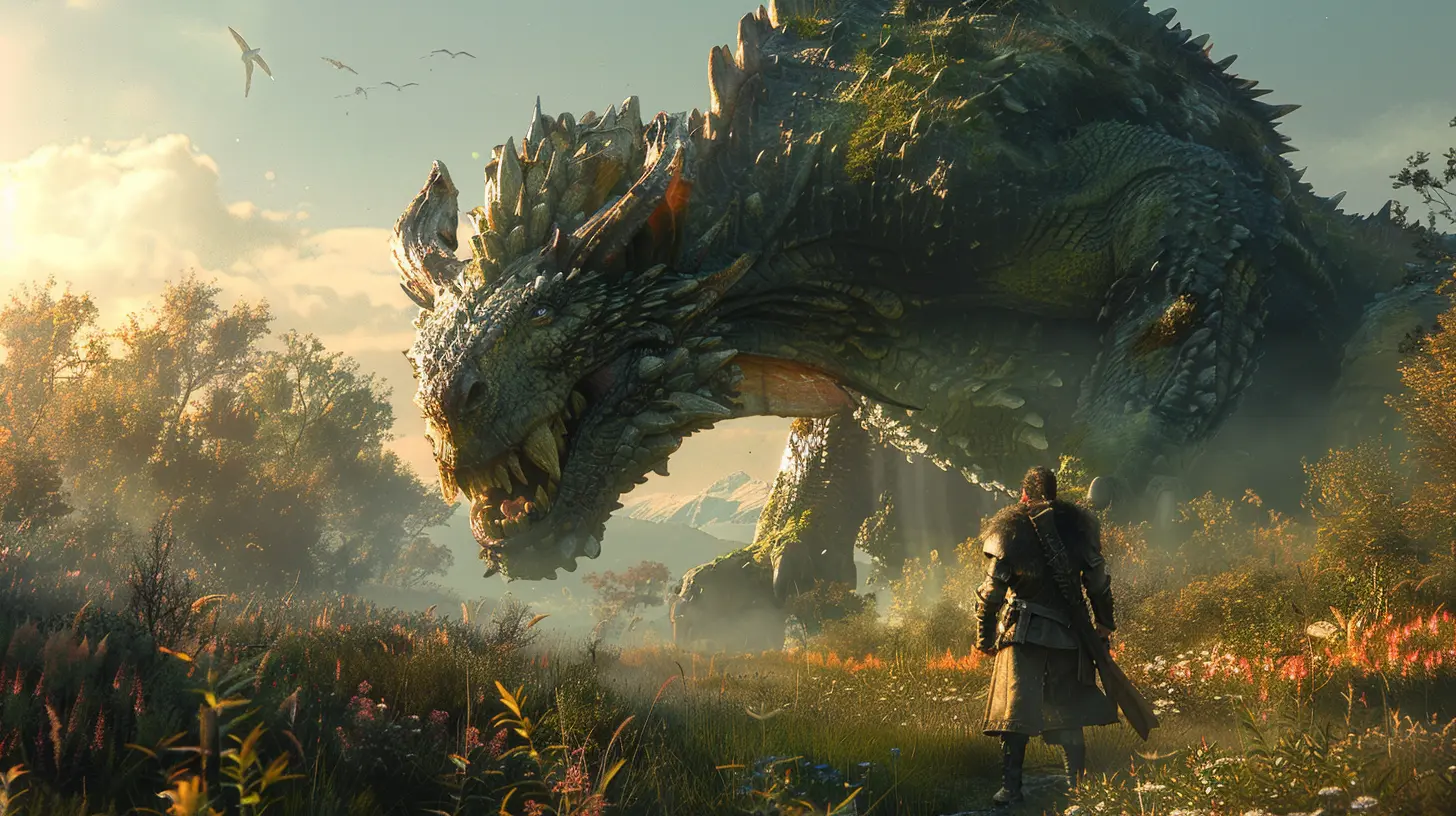
? Start With A Strong Hook (Like the Good Kind of Clickbait)
Your first 10 seconds? Make. Them. Count.Viewers decide FAST whether they’ll keep watching. Don’t start with your logo. Save that ego trip for the end.
Instead:
- Drop viewers right into the action
- Tease an epic moment
- Use sound to grab attention quick (a scream, a sword clash, a twisty music cue)
Think of it like fishing. You’re casting your line. The first 10 seconds? That’s your bait. Make it juicy.
? Show Real Gameplay (Or GTFO)
This is the part where most trailers fall apart. People wanna see what they’re actually going to play. Not CGI. Not concept art. Not your character staring into the void.We're talkin':
- Combat (if there is any)
- Exploration
- Level design
- Crafting, building, trading—whatever your core loops are
If your game’s still rough around the edges, that’s okay! Show it anyway—but polish the parts you highlight. It’s better to have 20 seconds of tight, playable footage than 2 minutes of vague hype.
? Music + Sound = The Secret Sauce
Wanna know what gives a trailer soul? Audio.Music sets the mood. Think of it like the seasoning on a fire meal—bland without it, but absolute magic when it’s right.
Match the tone:
- Is your game epic and dark? Go for cinematic strings and pounding drums.
- Is it cute and cozy? Lo-fi beats, light piano, cute plucks.
- Is it fast-paced and chaotic? EDM, metal, glitch-hop… go wild.
Don’t skimp on sound effects either. Footsteps. Gunshots. Menu clicks. Whatever makes the moment shine.
Pro-tip: Don't just slap music on top. Sync gameplay beats with the soundtrack. When actions match music cues? That’s the sweet spot.
✂️ Edit Like a Pro Editor (Or Fake It ‘Til You Make It)
Pacing isn’t just for Netflix thrillers—it’s critical in your trailer. You want rhythm. Flow. A rising sense of "OMG what’s next?!"Here’s how to kill it:
- Keep it tight: 90 seconds is the sweet spot
- Build tension, then release it—just like storytelling
- Start strong, end stronger
- Make cuts based on action, not just time
- Build toward a final moment that sticks
Basically, your trailer should feel like a rollercoaster. Not a PowerPoint.
? Features, But Make Them Sexy
You’ve got cool features? Don’t just list them—SHOW them.Bullet points are for resumes. This is a trailer. Make it visceral.
Instead of saying:
> “Open-world exploration.”
Show a breathtaking flyover of your world. A player hopping on a dragon. A sunset over a mountain.
Instead of:
> “Unique crafting system.”
Show the player combining oddball items into something wild. Let them feel the “holy sh*t, that’s cool” moment.
You’re not just selling mechanics—you’re showing off experiences.
? Tell A Mini-Story (Without Narration If Possible)
Even if your game’s more vibes than plot, your trailer should tell a micro-story.Think:
1. Setup — Show the world or conflict
2. Rising action — Tease new gameplay
3. Climax — Big moment!
4. Payoff — Quick wrap-up with logo + call to action
Avoid hard narration unless it adds something. Voiceovers can feel cheesy if done wrong, and most people watch on mute anyway. Let the visuals do the talking.
? End With The Goods
This is your CTA (call to action) moment. Don’t fade to black and peace out. Tell the viewer EXACTLY what to do next.Options:
- “Wishlist Now on Steam”
- “Coming Q4 2024”
- “Follow us on Twitter for updates”
- “Demo available now!”
Include logos, platforms, website—everything they need to continue falling in love with your game.
?♀️ No False Advertising, Y’all
It might be tempting to exaggerate or use placeholder stuff that looks better than current builds. Don’t.Players are savvy. The second they realize your trailer was all smokescreen and glitter? They’ll roast you online and nuke your credibility.
Be proud of what you've got. Authenticity sells. Hype your real features—not imaginary ones.
? Optimize for Every Screen (Because People Watch Everywhere)
You don’t know where your trailer will be watched. Smartphones. Tablets. Giant PC monitors. Heck, even on a Switch.Keep it readable:
- Use big, bold fonts for any text
- Contrast is key—no white-on-light-gray nonsense
- Make sure action is visible even on tiny screens
And don’t forget vertical formats for TikTok-style teasers… welcome to 2024.
? Test It Before You Publish It (Seriously, Don’t Skip This)
Before you launch your trailer into the world:- Show it to people outside your dev circle
- Ask what stood out to them
- Ask if they understood the gameplay
- Time how long they watched before checking their phone
You want honest feedback, not polite claps. Better to tweak now than regret later.
✨ Bonus Tips To Push Your Trailer Over The Edge
Yup, I’m bringing the extras. You’re welcome:- Add subtitles. Tons of people watch muted.
- Use analytics if posting on YouTube. Track drop-off points.
- Create multiple cuts. 90s for Steam/YouTube, 30s for socials.
- Make gifs. Pull short moments from your trailer to use in memes, tweets, everything.
- Plan your launch. Announce trailers during events or showcases for max views.
? In Conclusion: Make It Hot, Make It Honest, Make It Sell
Making a killer game trailer isn’t just about showing cool clips. It’s about telling a hyper-condensed, visually stunning, emotionally engaging mini-movie that screams “YOU NEED THIS GAME.”If you’ve got a solid game and follow these spicy tips? Trust me, your trailer won’t just get seen—it’ll get shared, saved, and sent in DMs with a “yo, check this out.”
So go on. Fire up that editing software, gather your juicy game footage, and make something that slaps harder than a controller rage-quit.
Now get out there and break the internet, one trailer view at a time.
all images in this post were generated using AI tools
Category:
Game Content CreationAuthor:

Jack McKinstry
Discussion
rate this article
1 comments
Ariella Evans
A compelling game trailer transcends mere visuals. It captures emotions and ignites curiosity, weaving a narrative that leaves potential players eager to dive into the experience.
August 18, 2026 at 2:41 AM
Jack McKinstry
Absolutely! A great trailer should evoke feelings and spark interest, making players eager for more.