Using AR Games as a Tool for Mental Health and Wellbeing
24 May 2026
Augmented Reality (AR) games have gone far beyond just catching cute creatures or slaying dragons in your neighborhood. Today, they're being recognized for something that may surprise you—improving mental health and overall wellbeing.
Sounds a bit far-fetched? Stick with me, because what we're about to uncover could change how you look at mobile gaming forever.
Let’s dive into how AR games are becoming unexpected allies in supporting mental health, reducing anxiety, and turning daily routines into feel-good adventures.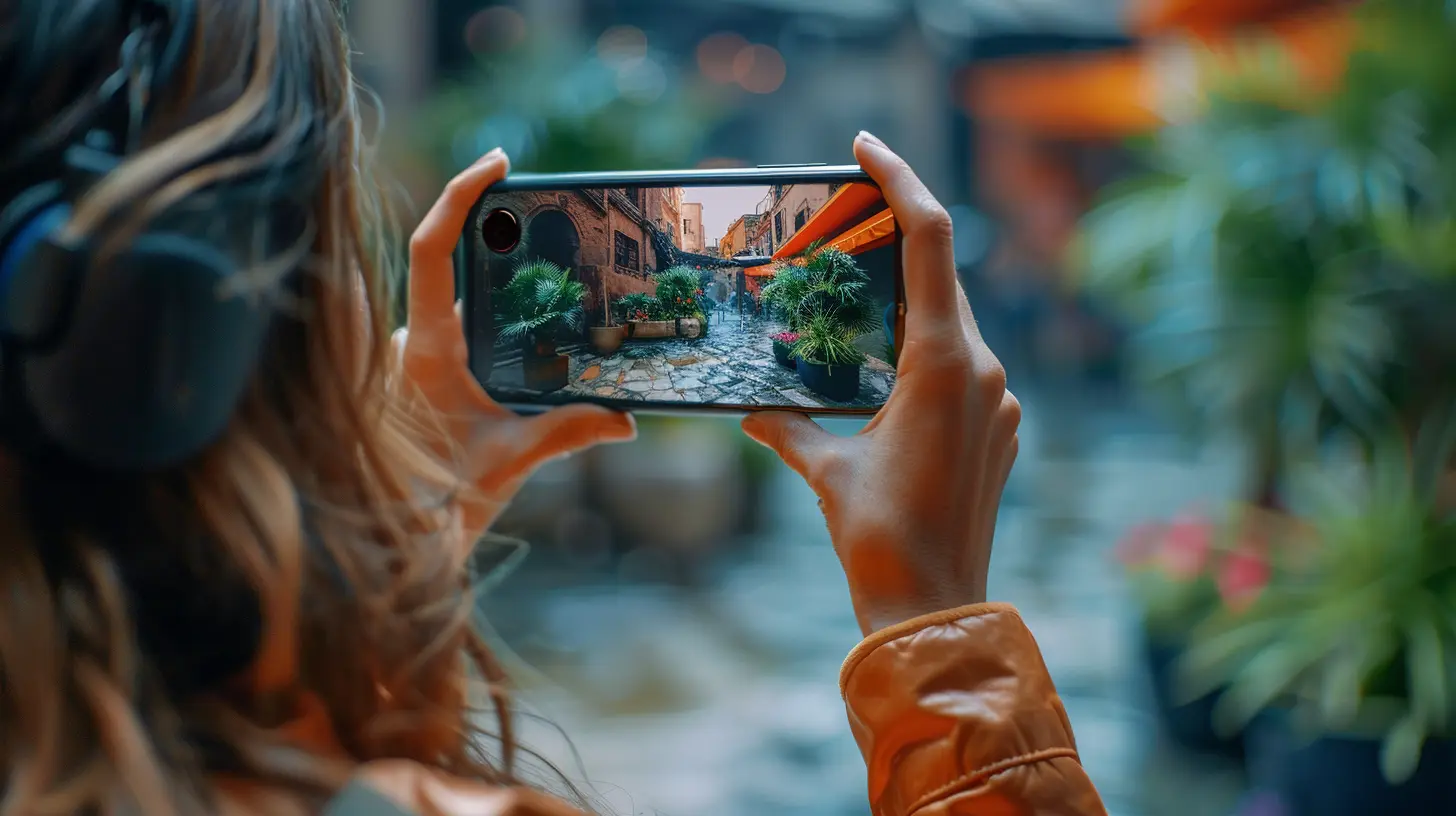
What Are AR Games, Anyway?
Before we jump headfirst into the whys and hows, let’s break it down.AR stands for Augmented Reality. In simple terms, AR blends digital elements into the real world, usually through your smartphone camera. Think Pokémon GO, probably the most famous example. You point your phone around, and bam—a Pikachu is chilling at your local coffee shop.
But AR games aren’t just about the wow-factor or quirky characters. They require movement, encourage exploration, and can make the ordinary parts of your world feel magical. More importantly? They engage your mind in a very unique way.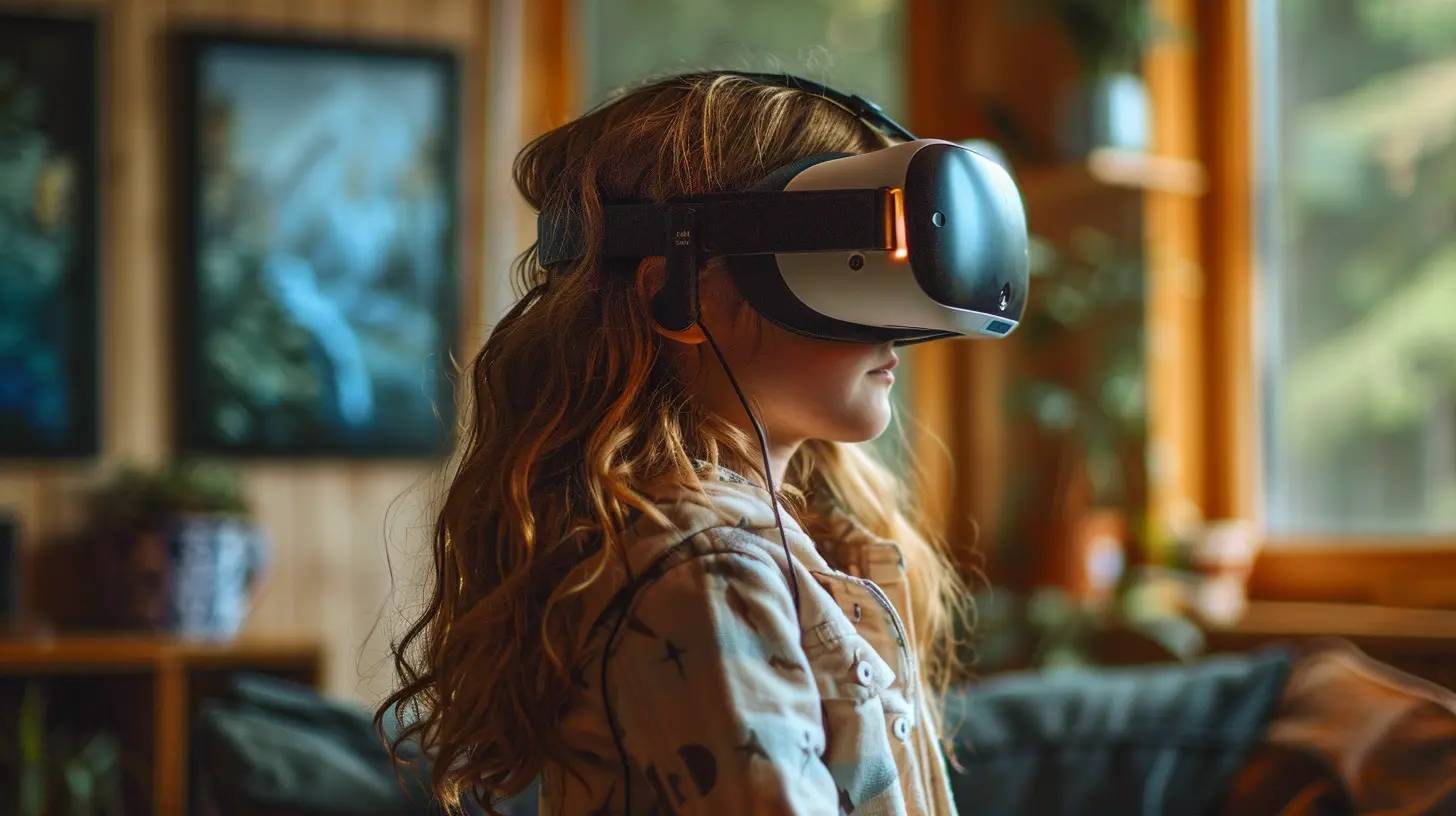
The Connection Between Gaming and Mental Health
Now, I know what you might be thinking. Video games for mental health? Really?Yes! Let’s squash an old myth: not all screen time is bad. In fact, when used mindfully, certain types of tech—AR games included—can offer serious mental health benefits.
Here’s why:
- Distraction from negative thoughts
- Physical movement and exercise
- Social interaction
- Structured routines
- Goal achievement and reward mechanisms
And AR games? Well, they bundle all of those up, with a neat little bow.
How AR Games Support Mental Wellbeing
Let’s break this down further and really look at how AR games can impact mental health in positive, valuable ways.1. Boosting Physical Activity (Without You Noticing)
Traditional games often keep us glued to a couch. AR games? Not so much.They push you to go outside, walk around, and interact with real-world environments. For someone dealing with depression or anxiety, even going for a short walk can feel like climbing a mental mountain. But chasing a virtual creature around your block? That feels more like fun than a chore.
With some AR games rewarding steps taken or distances walked, they turn movement into a game. Suddenly, you're walking more without even realizing it—and that's a big win for mental health.
2. Encouraging Social Interaction (Naturally)
Let’s face it—making social connections can be tough, especially if you’re feeling down or anxious.AR games often incorporate multiplayer features, community events, or real-world meetups. These elements create natural moments of interaction. Whether it’s joining a local “raid” in Pokémon GO or teaming up online to solve puzzles, AR games offer a low-pressure way to be around people.
You're not forced into deep conversations—you’re just sharing an experience. And sometimes, that’s all it takes to feel a little less alone.
3. Creating Mindful Moments
Mindfulness is all about being present—focusing on the here and now instead of spiraling into anxious thoughts.AR games can actually help with that. When you’re walking through a park searching for virtual clues, or observing your neighborhood with new eyes, you’re grounded in the moment. You start noticing things you otherwise wouldn’t—trees, buildings, murals, small joys.
It’s like seeing your world through a fresh lens. And for your brain? That kind of presence is incredibly soothing.
4. Reducing Anxiety and Stress
Let’s talk science for a sec. Games release dopamine—that feel-good brain chemical that lights up when you achieve something.When you solve a puzzle, complete a level, or find a rare item, your brain gets a reward. That dopamine boost can lower cortisol (a stress hormone) and help you feel happier and more relaxed.
So while it might look like you’re just catching a digital firebird in a parking lot, what’s actually happening is a mini mental vacation from stress.
5. Promoting Routine and Motivation
Struggling with motivation? You’re not the only one. Depression and other mental health issues tend to steal your drive.AR games can help here too. Many feature daily check-ins, quests, or challenges that encourage consistent play. These small, regular goals can encourage you to get out of bed, take a walk, and look forward to something—even if it's just a new item or badge.
It gives structure to your day. And sometimes, even small bits of routine can be incredibly stabilizing.
AR Games That Are Doing It Right
Not all AR games are created equal. Some are just for laughs, while others pack in more depth and benefits. Here are a few that stand out when it comes to mental wellbeing:Pokémon GO
This one almost needs no introduction. It encourages walking, socializing, and community participation. The game also holds frequent events, giving players something new to look forward to.Pikmin Bloom
Talk about wholesome. With this game, you plant flowers as you walk and interact with tiny Pikmin creatures. It’s light-hearted, slow-paced, and gently encourages daily exercise and outdoor time.Jurassic World Alive
Perfect if you’re more into dinosaurs than cute characters. Similar benefits as Pokémon GO, but with a prehistoric twist. You still walk around, collect DNA, and build your team—lots of movement and motivation.Harry Potter: Wizards Unite (RIP but worth mentioning)
Though it’s no longer active, Wizards Unite was brilliant for Harry Potter fans. It helped many fans feel part of a magical world, join forces with others, and escape reality for a bit.The Importance of Balance
Of course, moderation is key. Just like with anything else, even good things can get out of balance.Here are a few tips to make sure AR gaming stays healthy, not harmful:
- Set time limits: Play for fun, but don’t let it eat up your whole day.
- Stay safe: Keep your eyes off your screen when crossing the street, okay?
- Connect offline too: Use games to start convos, then keep those real-life friendships going.
- Take breaks: It’s okay to log off and do something else. Real life still matters more.
Mental Health Professionals Are NOTicing
The power of AR games for mental health isn’t just something gamers experience—researchers and therapists are taking note too.Some mental health professionals are even recommending AR games as part of treatment strategies. When combined with therapy or support groups, these games can act as a buffer zone—something that gives people a nudge toward the outside world or offers a sense of calm in a chaotic mind.
It’s not about replacing traditional therapy—it’s about adding something helpful to your toolkit.
The Future of AR in Mental Health
We’re only scratching the surface here.With the rise of wearable tech, AI, and immersive AR tools, we’re heading toward more personalized, responsive gaming experiences. Imagine AR games that adjust to your mood or suggest calming quests when they detect rising stress levels.
It’s not science fiction—it’s already being developed in various forms. Expect more games in the future specifically designed to support mental health, not just as a bonus but as a core mission.
Final Thoughts: Fun Can Be Therapeutic
Let’s face it—mental health can be heavy. But AR games offer a light, even playful, way to take care of ourselves.They blend fun with purpose. They push us to move, connect, explore, and smile—sometimes when we least feel like doing any of those things.
So next time you grab your phone to go on a digital adventure, remember: You’re not just playing. You might be healing, too.
Quick Tips to Get Started with AR Games for Mental Health
- Start with something simple like Pokémon GO or Pikmin Bloom- Set mini goals (like a 10-minute walk each morning)
- Invite a friend to join—it’s more fun together!
- Celebrate small wins (yes, even finding that rare creature counts!)
- Don’t be afraid to take a break when needed
Ready to Play Your Way to Better Mental Health?
AR games aren’t magic bullets—but they’re pretty close to being a gentle nudge in the right direction. They blur the line between play and self-care in the most beautiful way.So if you’re feeling anxious, low, or just stuck in a rut, maybe it’s time to see your city through new eyes—your AR eyes.
Let the games begin.
all images in this post were generated using AI tools
Category:
Augmented Reality GamesAuthor:

Jack McKinstry
Discussion
rate this article
2 comments
Kathleen Oliver
AR games are more than just fun; they're a clever way to boost mental health. Engaging with virtual worlds can provide real benefits, making therapy feel less like a chore and more like play.
August 4, 2026 at 2:32 PM
Jack McKinstry
Absolutely! AR games can transform therapy into an engaging experience, making mental health support more accessible and enjoyable.
Thea Palmer
AR games offer a unique approach to mental health by encouraging outdoor activity and social interaction. They can help reduce anxiety and boost mood while providing a fun escape. By blending gaming with real-world experiences, these tools can foster connection and promote overall wellbeing in a creative way.
June 4, 2026 at 4:56 AM
Jack McKinstry
Absolutely, AR games create an engaging way for people to connect with others and enjoy the outdoors, which can be a powerful boost for mental health. It's exciting to see how play can become a bridge to wellbeing.