Using Environment to Enhance Game Lore
24 December 2025
Game lore isn’t just about blocks of text hidden in menus or a string of cutscenes. It can be so much deeper, more immersive, and—honestly—way more fun when it’s baked right into the environment. Imagine stepping into a crumbling city and knowing, without anyone telling you, that a great war wiped it out. Or walking through a thriving marketplace and piecing together local culture through the items on sale and the chatter of NPCs. That’s the magic of environmental storytelling.
In this article, we’re diving into how carefully crafted environments can elevate game lore from basic backstory to a rich, lived-in experience. Whether you’re a game dev, a writer, or just a big fan of worldbuilding, understanding this can totally change the way you create—or play—games.
Why Environment Matters in Game Lore
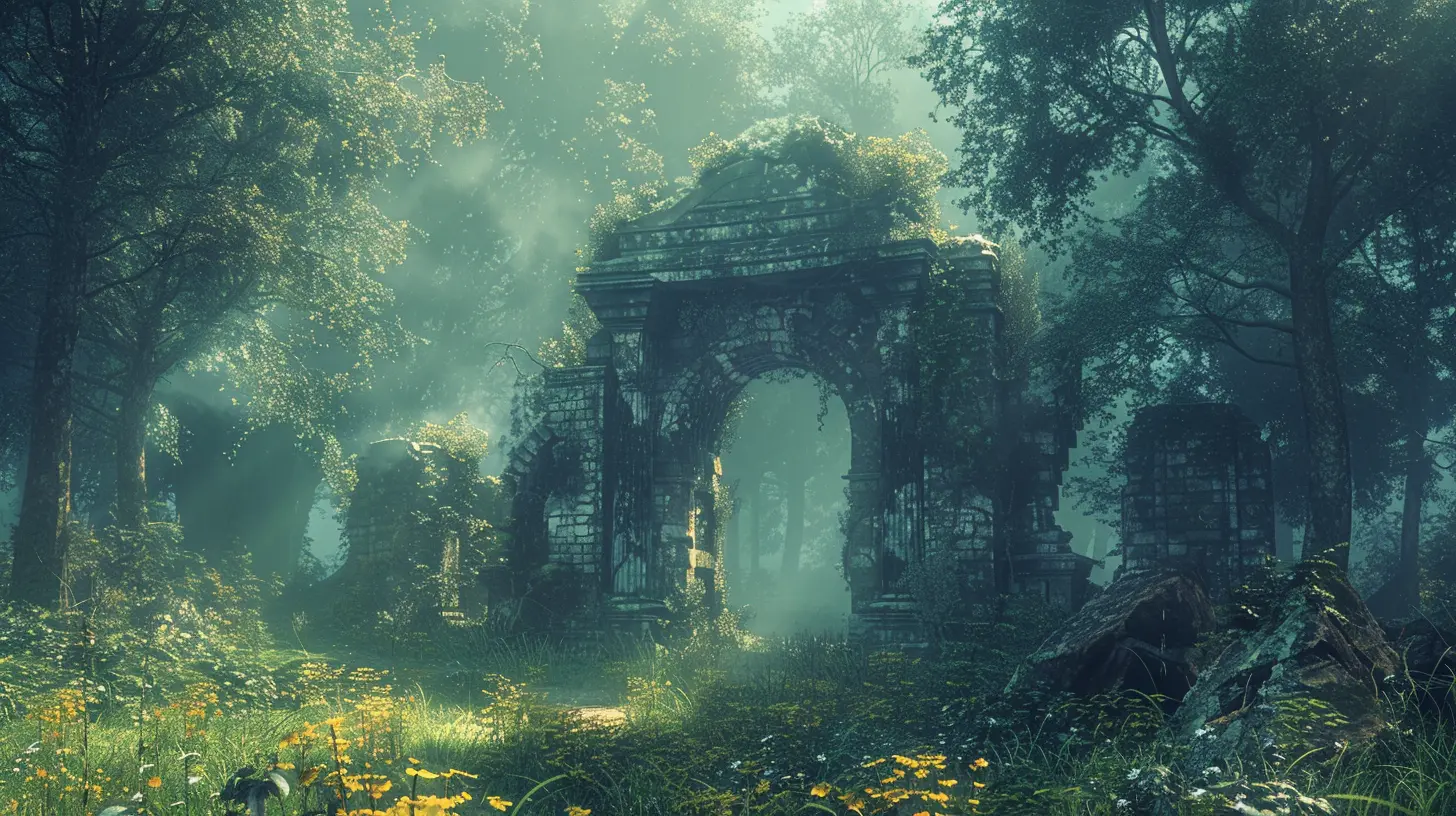
Let’s face it, most players aren’t going to read every journal entry or codex page they find. So how do you share the depth of a world without info-dumping? Easy: let the world speak for itself.The environment is more than just a backdrop—it's a silent narrator. It whispers history through cracked walls, lost relics, and eerie silence in places that should be alive. When done right, it breathes life into the game’s universe and turns passive exploration into active storytelling.
Passive vs. Active Storytelling
Think of it like this. Passive storytelling is telling someone that a plague wiped out half the population. Active storytelling is making them walk through an abandoned town full of rotting food, half-written goodbye notes, and silent houses. One is data. The other is emotion.By using the environment to convey lore, you shift the player from reader to explorer. They’re not just listening—they’re discovering.
Environmental Storytelling in Action
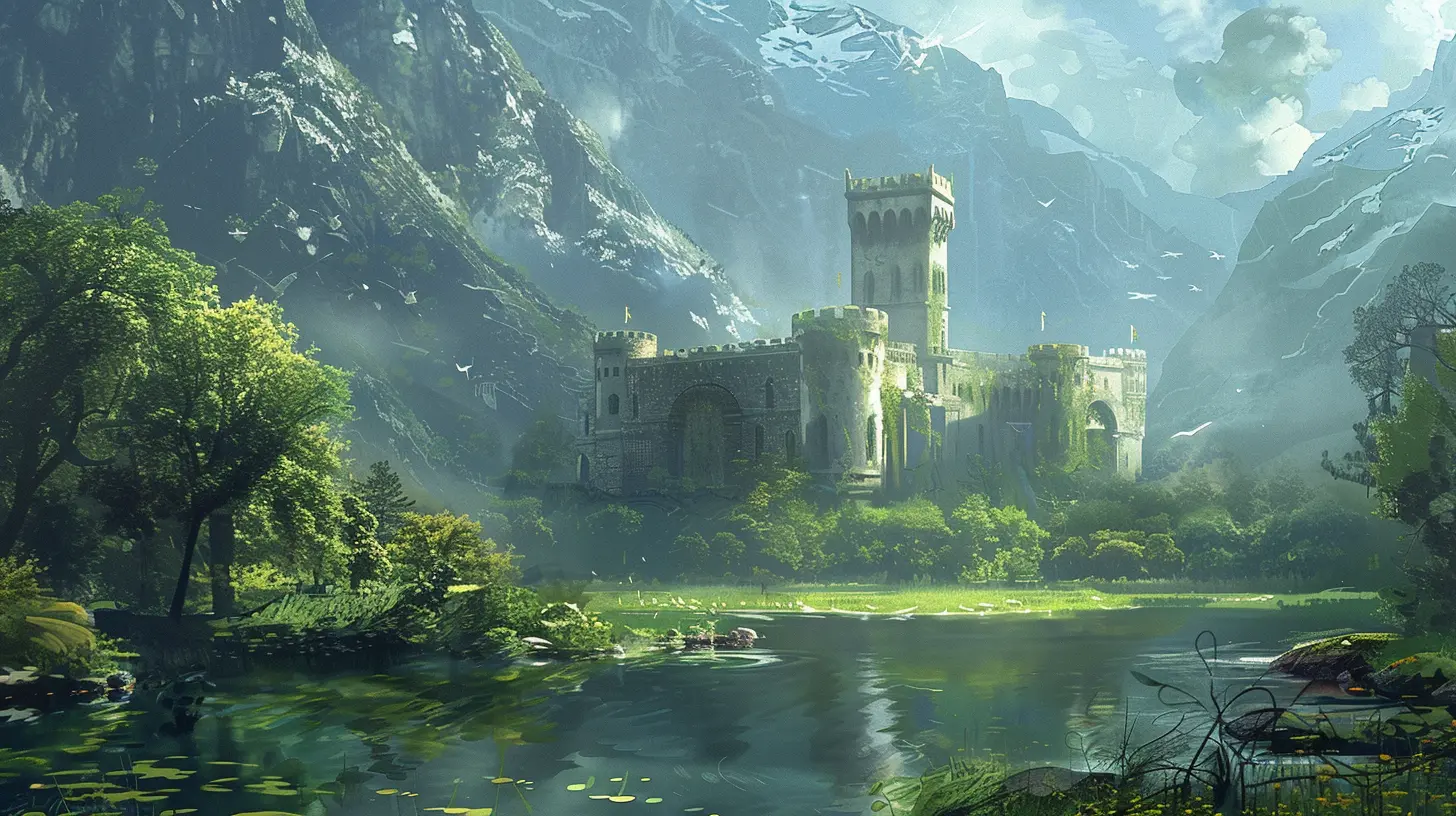
Alright, so how does this work in practice? Let’s break it down.1. Visual Cues Tell a Story
Art direction is a powerhouse. The colors, the architecture, even how much light filters through a window—all of it can tell you something about the world.- A kingdom in decline might have peeling wallpaper, fading banners, and statues that have lost their shine.
- A rebel base may have mismatched furniture, stolen tech, and graffiti representing their ideology.
- A sacred temple might use lighting and symmetry to create a sense of calm and reverence.
These visual cues don’t need explanations. They just need to be consistent and carefully thought out.
2. Soundscapes Set the Mood
Don't underestimate the power of ambient audio. The creaking of wood, wind howling through a canyon, or distant chanting builds atmosphere like nothing else.Good sound design isn't flashy—it’s subtle. It fills the gaps and makes the world feel alive (or eerily dead, depending on the lore). Think of it as the background music to your story’s soul.
3. Environmental Objects as Clues
Sometimes, it’s the little things that pack the biggest storytelling punch.- A child’s toy in a war zone.
- A broken sword embedded in a tree.
- A diary half-burned but still readable in spots.
These small items offer huge insights into the lives of those who lived in your world. What was important to them? What did they fear? What drove them to fight or flee?
Players will start connecting the dots themselves. That’s where the real storytelling happens—inside their own heads.
Building Lore Through Geography and Architecture
Your world’s layout is a story in itself. Placement matters. Why is that fortress built in the middle of a frozen wasteland? Why is that once-bustling harbor now eerily silent?Terrain Tells Tales
The terrain should reflect your world’s history and culture.- A desert kingdom might have cities built around ancient oases.
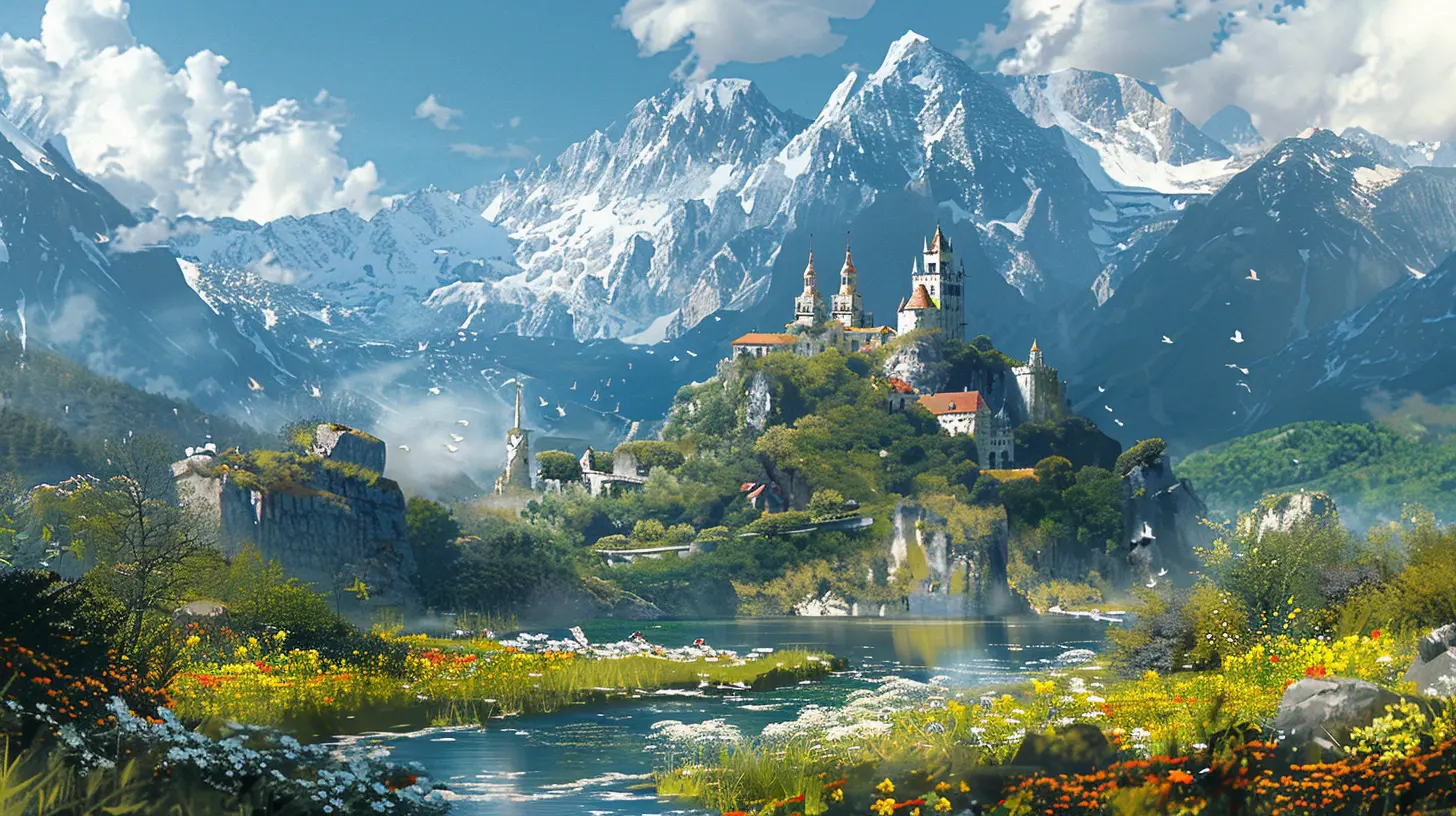
- A mountainous region might worship the peaks, with temples clinging to cliff sides.
- A flood-prone city might have homes built on stilts, with bridges crisscrossing above the streets.
Geography shapes civilization. And it does the same for your lore.
Architecture Reflects Time and Culture
Buildings can tell you everything about a society—from what they value to how they live.- A city that reveres magic might have glowing runes etched into its walls.
- A militaristic regime might have cold, rigid structures built for intimidation and control.
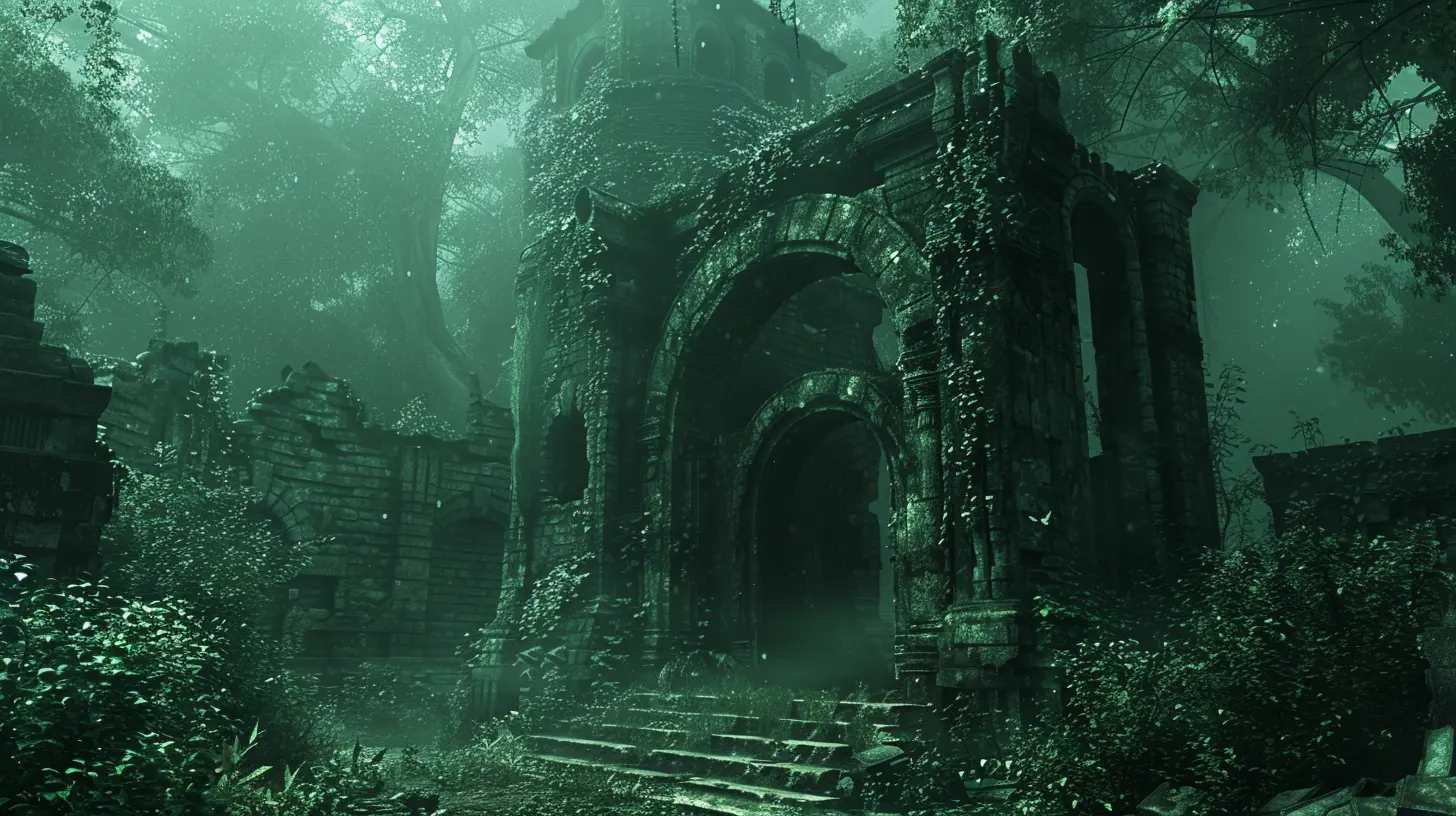
- A long-abandoned ruin, overtaken by nature, might hint at a forgotten civilization lost to time.
Architecture ages, decays, and adapts—and all of that communicates change. Use it as a timeline.
Non-Playable Characters (NPCs) as World Mirrors
NPCs doing normal things—talking, working, arguing, celebrating—all help ground your world. Their behavior should align with the lore. Happy people in a cursed land? That’s a disconnect. But villagers who avoid the woods and make symbols of protection? That says something more powerful than dialogue ever could.NPC placement matters too. A lone monk at a mountain shrine versus a bustling port full of merchants—very different vibes, right? They’re environment extensions, living proof of your world’s past and present colliding.
Interactive Lore: Let Players Unravel the Mystery
The best lore is the kind players find themselves. It’s way more powerful when people choose to dig deeper.Hidden Rooms and Secret Passages
Everyone loves the thrill of discovery. A hidden room full of ancient scrolls or a secret cave with primitive paintings? That’s gold. Let curiosity lead the narrative.Reward exploration with snippets of lore, even if they’re subtle. The more players feel like detectives piecing together the past, the more immersed they’ll become.
Environmental Puzzles
Puzzles based on lore add a layer of depth. Let players rotate totems, align stars, or decipher murals. Not only are they fun—they reinforce the mythos. And when the solution feels like unlocking a window into history? Pure, satisfying magic.
Real Examples of Environmental Lore Done Right
You don’t have to reinvent the wheel. Let’s look at a few games that absolutely nailed environmental storytelling.The Last of Us
From the overgrown cities to haunting quarantine zones, every setting in this game screams history. You can feel the collapse of society through the environments alone. Forgotten diaries, wall scribbles, and even the way furniture is stacked against doors—it all tells a story of survival and despair.Dark Souls Series
Talk about minimal exposition. In Dark Souls, the environment is the lore. Crumbling castles, statues missing heads, and twisted monsters all hint at a broken, ancient world. The game expects (and respects) players enough to let them figure it out themselves.BioShock
Rapture is practically a character on its own. Art deco elegance gone horribly wrong, its visual style tells the tale of a utopia that crumbled under its own weight. Posters, graffiti, and audio logs strategically placed around the city deepen the lore at every turn.Why This Matters for Game Developers and Writers
When you embed lore into the environment, you’re not just building a setting—you’re crafting an experience. It’s like writing a novel where the chapters are rooms, and the paragraphs are the props, whispers, and shadows within them.It’s also efficient! Environmental storytelling reduces your need for cutscenes and text dumps. It empowers players to uncover the story at their own pace, in their own way. That autonomy builds stronger emotional connections.
And let’s be real—players remember moments where they uncovered something on their own. That’s the stuff they talk about. That’s what keeps your game living in their minds long after they’ve put down the controller.
Practical Tips for Creating Environment-Driven Lore
Let’s get to some actionable advice, shall we?1. Start With the Big Picture
Understand the world’s major events, cultures, and powers. Then zoom in. How did those forces shape the terrain, the cities, and the daily lives of people?2. Think Like an Archaeologist
What would someone find 100 years from now in your world? Design your environments with layers of history in mind.3. Use Lighting to Guide Emotion
Lighting isn’t just visual—it’s emotional. Play with contrast. Use warm hues for safe spaces, harsh shadows for danger, and soft glows for mystery.4. Consistency Is Key
Nothing breaks immersion faster than a world that doesn’t make sense. Keep your themes, aesthetics, and logic consistent. If a town worships fire gods, their environment should reflect that devotion everywhere.5. Let Players Connect the Dots
Don’t over-explain. Lay out the clues and let them do the math. It’s more fun (and way more satisfying) when they feel like they discovered something all by themselves.Wrapping It Up
Using environment to enhance game lore isn’t just a trend—it’s an evolution in how we tell stories in games. When the world itself becomes your narrator, everything comes alive. Players are no longer just spectators. They’re detectives, historians, and adventurers uncovering a tale that’s felt, not just told.So next time you walk through a forest in a game and stumble across a long-abandoned campsite, pause for a second. Think about who stayed there. Why they left. What happened to them. That’s environmental storytelling at its best—and it’s quietly shaping how we tell the greatest stories in gaming.
all images in this post were generated using AI tools
Category:
Game Content CreationAuthor:

Jack McKinstry
Discussion
rate this article
2 comments
Solaria Lozano
Great insights! It's amazing how a well-crafted environment can deepen immersion and storytelling in games. Love this perspective!
January 24, 2026 at 4:43 AM
Jack McKinstry
Thank you! I'm glad you enjoyed the perspective on how environments enrich storytelling. It's a crucial element in game design!
Norah Thornton
Immersive worlds make stories unforgettable; let environments do the talking!
December 27, 2025 at 4:59 AM
Jack McKinstry
Absolutely! Immersive environments are key to deepening player engagement and enriching storytelling in games.