Using Lighting to Guide Players in Game Worlds
27 April 2026
Lighting might seem like just another tool in a game developer’s toolkit—but in reality, it's one of the most powerful ways to nudge players in the right direction without them even realizing it. Whether you're designing the next big open-world title or a tightly-packed indie platformer, lighting can be your invisible hand, guiding players through complex levels, enhancing atmosphere, and subtly telling stories.
So, how exactly can lighting be used to lead players through game worlds? And why should you care? Let’s dive into the glowing heart of it.
Why Lighting is More Than Just Aesthetic
Let’s set the record straight. Lighting in video games isn’t only about making things look pretty (although, let’s be honest, it does help). It plays a critical role in how players feel, navigate, and interact with the world.Think about it—how often have you followed a lit path in a dark cavern in a game? Or noticed how a glowing doorway practically screamed, “Hey, come here!” That’s not coincidence. That’s intentional design.
Games are all about controlled freedom. And lighting helps create that control without smacking players on the head with a tutorial popup.
The Psychology Behind Lighting in Games
Humans are naturally drawn to light. It’s hardwired into our psychology. We grew up associating light with safety, progress, and hope. Darkness? That’s where the monsters live. Game designers know this, and they use that instinct to their advantage.Here’s a bit of science: our eyes are irresistibly drawn to areas of high contrast and brightness. It’s why your eyes dart to the lighted window in a dark alley or the flicker of fire in a gloomy cave. Games tap into this reflex to guide you—without needing arrows or blinking signs.
Lighting as a Subtle Signpost
Lighting works best when it doesn’t scream. The goal isn’t to make neon signs saying “GO HERE!” but instead to gently whisper, “Hey, maybe check this path out…”Let’s break down how lighting achieves this:
1. Leading Lines with Light
In photography and art, there's the concept of "leading lines"—lines that draw your eye toward a focal point. The same idea works in games with light. You can have a streak of sunlight cutting through a forest, naturally pulling the player in that direction. Or maybe the beams from a broken ceiling spotlight a ladder or door.It’s like being handed a glow stick in a dark room—you’re probably going to follow it.
2. Color Temperature and Emotional Guidance
The color of light matters. Warm lights (oranges, yellows) often make players feel safe, hinting that this area is important or a rest spot. Think of the bonfires in Dark Souls. They’re glowing, warm, and offer a paycheck of relief.Cold lights (blues, greens), on the other hand, might suggest mystery or danger. They're great for areas you want the player to approach with caution.
Basically, if you want to mess with someone’s emotions in a game, tweak the lighting color. It’s more effective than you’d think.
3. Contrast and Isolation
If everything is equally lit, nothing stands out. But if one area is brightly lit against a backdrop of darkness, bingo—that’s where the player’s going to look.High contrast areas immediately draw attention. That’s why in stealth games, like Splinter Cell, the lit spots scream “stay out!” while the shadows are your best friends.
In game design, contrast shapes interest. Want someone to notice a hidden collectible? Try spotlighting it in an otherwise dim room. Works like a charm.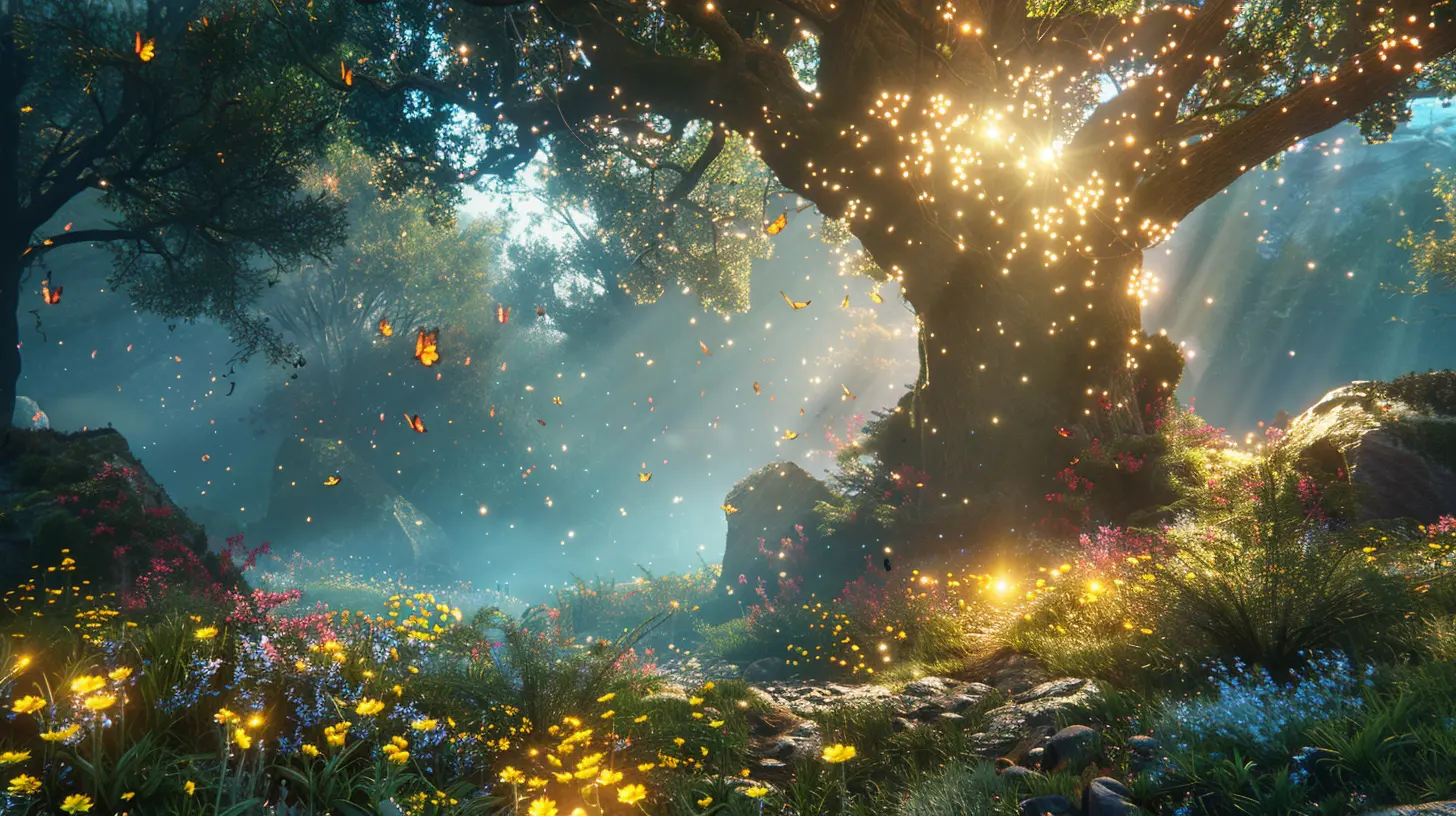
Lighting and Level Flow
Lighting doesn’t just help players find their way—it also helps keep levels feeling intuitive and immersive. Ever played a game where you got totally lost, wandering in circles? Chances are, the lighting wasn’t doing its job.Games like The Last of Us, Uncharted, and Half-Life masterfully use lighting to steer you in the right direction without making it obvious. They light the path ahead, highlight key interactables, and create eye-catching cues that keep players subconsciously moving forward.
Let’s break down why this works:
- Lighting Helps Define Space
In large environments, it’s easy to lose track of where you’re supposed to go. Lighting can guide the eye across a space, showing edges, paths, and points of interest. It helps break up the visual noise.- It Enhances Verticality
In multi-layered environments, like tall buildings or underground lairs, vertical lighting cues—like upward shafts of light or illuminated ladders—can hint at where the next move should be.- It Spurs Curiosity
A flickering light in the distance? A soft glow behind a cracked door? These are visual breadcrumbs, guiding the player through curiosity instead of compulsion.Lighting in Different Game Genres
Lighting works in any genre—but how you use it depends on what kind of game you’re crafting.? First-Person Shooters (FPS)
In games like Call of Duty or Halo, lighting can highlight objectives, point toward exits in fast-paced combat zones, or define safe zones in chaotic environments. It keeps the adrenaline pumping while offering spatial clarity.? Adventure & Exploration Games
Think Tomb Raider or Zelda: Breath of the Wild. These games use lighting to lure you into caves, reveal secrets, or entice you toward points of interest far across the map.? Horror Games
This is where lighting gets downright devious. Games like Resident Evil or Amnesia use limited light sources not just to guide—but also to terrify. A single candle becomes a lifeline. And chasing the light might be your only option.✨ Puzzle Games
Subtle lighting can indicate interactable elements or give clues to solve an environment-based puzzle. It’s less about direction and more about providing gentle visual hints.The Role of Dynamic Lighting
Static lighting is great, but dynamic lighting? That’s next-level immersion.Games are increasingly adopting real-time lighting effects that adjust based on player movement or in-game events. Torches you carry, flashlights, flares—all of these not only add realism but also reinforce direction naturally.
Want to know a brilliant trick? Use moving particles in well-lit areas—like dust motes in sunlight shafts. The combo of motion and light? Guaranteed to grab attention.
Tricks of the Trade: Pro Tips to Use Lighting Like a Pro
If you're designing your own game or just curious about how the big boys do it, here are some neat pro-level lighting techniques:- Use color coding: Assign specific light colors to gameplay elements (e.g., red = danger, green = objective).
- Bounce light into shadow: Create soft secondary illumination to prevent areas from feeling too stark.
- Animate your light: Flickering lights, pulsing neon signs, or sunlight that changes with time of day—all of these make the world feel alive.
- Light the reward: Put a subtle glow behind treasure chests, keycards, or other important items.
- Avoid over-lighting: If everything is bright, nothing grabs attention. Use darkness as contrast.
Case Studies: Masterclasses in Lighting Design
Let’s shine a spotlight on a few games that absolutely nailed lighting as a guiding tool.?️ Inside (Playdead)
A masterwork in visual storytelling, Inside uses lighting with pinpoint precision. Forward paths are gently illuminated with ambient light, while deadly traps lurk in harsh, shadowy corners. You’re always subtly being pushed forward—no signs needed.? The Last of Us Part II
Whether it's the sun peeking through a broken roof or the warm glow of a safehouse, Naughty Dog uses lighting to drive you emotionally as well as physically. It guides, soothes, and terrifies—all without breaking immersion.? Control (Remedy Entertainment)
With an ever-shifting brutalist building as a backdrop, lighting in Control acts as a visual anchor. Red hues signal danger or instability, while cool whites guide the player toward narrative progression.Lighting for Indie Game Developers
If you're a solo dev or part of a small indie team, you might be wondering—do I need a AAA lighting budget to pull this off?Absolutely not.
Simple tricks like using bloom, contrast, and basic directional lights can go a long way. Tools like Unity and Unreal Engine offer plenty of lighting options right out of the box. Combine that with mindful placement and you’ve already won half the battle.
Remember, it's not about complex tech. It's about clever design and knowing how people think and move. Use light like breadcrumbs on a dark forest path.
Wrapping It All Up
Lighting isn't just a visual treat—it's a secret communication channel between the game and the player. Done right, it guides, intrigues, and enhances the entire experience. It’s like having an invisible tour guide that nudges you, encourages you, and occasionally scares the pants off you.So whether you're diving into game development or just appreciating your favorite games on a deeper level, keep an eye out for how light shapes your journey. Because once you notice it, you’ll never unsee it.
And who knows? Next time you walk toward a warmly-lit hallway or avoid a shadowy corridor in a game—you might just thank the lighting designer.
all images in this post were generated using AI tools
Category:
Game Content CreationAuthor:

Jack McKinstry
Discussion
rate this article
2 comments
Liam Bowman
Lighting truly shapes our journey through games.
May 28, 2026 at 3:19 AM
Jack McKinstry
Absolutely! The right lighting not only enhances visuals but also directs players, creating a more immersive experience.
Darby McNeal
“Oh, you mean literally pointing a giant glowing arrow at the objective? Groundbreaking. But sure, pretend it’s not just a fancy way of holding our hands through pretty hallways.”
April 29, 2026 at 2:31 PM
Jack McKinstry
I get where you're coming from. Lighting can feel obvious, but it's also about creating atmosphere and immersion, not just guiding players. It's an art form in itself.