What Every Great Game Trailer Has in Common
9 May 2026
Let’s be honest—if you play games, you’ve probably been hyped out of your mind by a game trailer at least once. The intense music, jaw-dropping visuals, mysterious narration—it’s all carefully crafted to grab your attention and not let go. But what actually makes a game trailer great? What’s the secret sauce that gets us smashing the wishlist button or pre-ordering before we’ve even blinked twice?
In this article, we’re digging deep into what every great game trailer has in common. Whether it’s a blockbuster AAA title or an indie gem popping out of nowhere, the best trailers share specific ingredients that stir up a storm of excitement. If you’re a dev, marketer, or just a curious gamer, let’s break it all down.
First Impressions Matter: Hook the Viewer Instantly
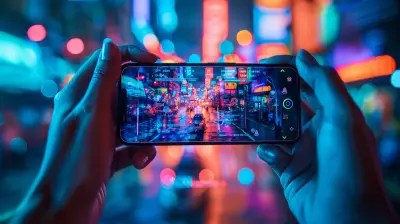
Ever heard the phrase, “You had me at hello”? Game trailers live by that rule. The first 5 to 10 seconds are crucial. That’s all the time a trailer has to convince someone to stick around.Think of it like the opening scene of a movie. You don’t start with a boring conversation—you start with action, mystery, or something absolutely gorgeous. Great trailers lay their cards on the table fast. Maybe it’s a splash of breathtaking art, a loud dramatic sound, or a single line of dialogue that teases the story.
? Key takeaway: The best trailers grab attention immediately and never let it go. If the first 10 seconds are meh, most viewers are already clicking away.
Cinematic Quality: Make It Look Like a Movie
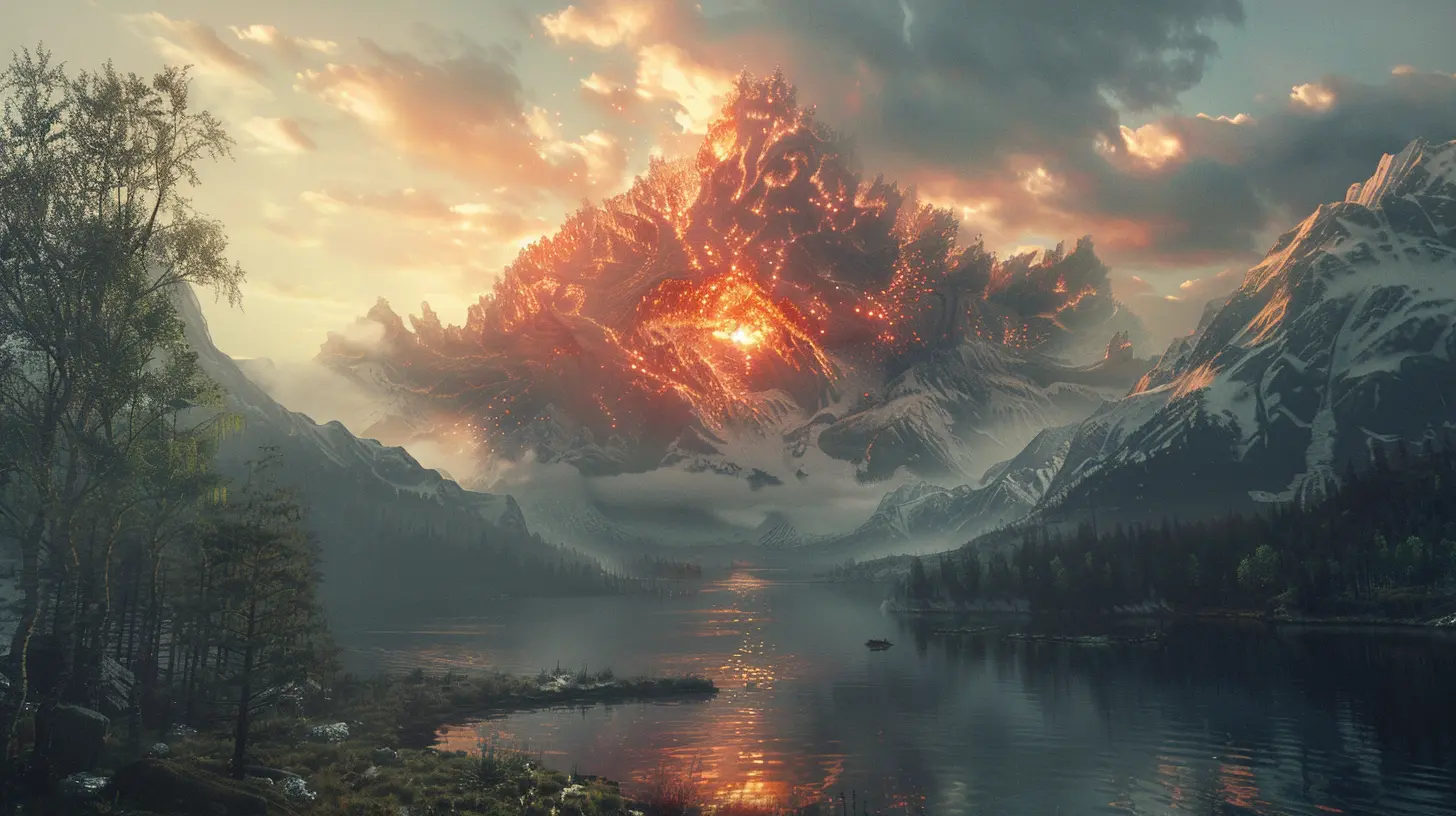
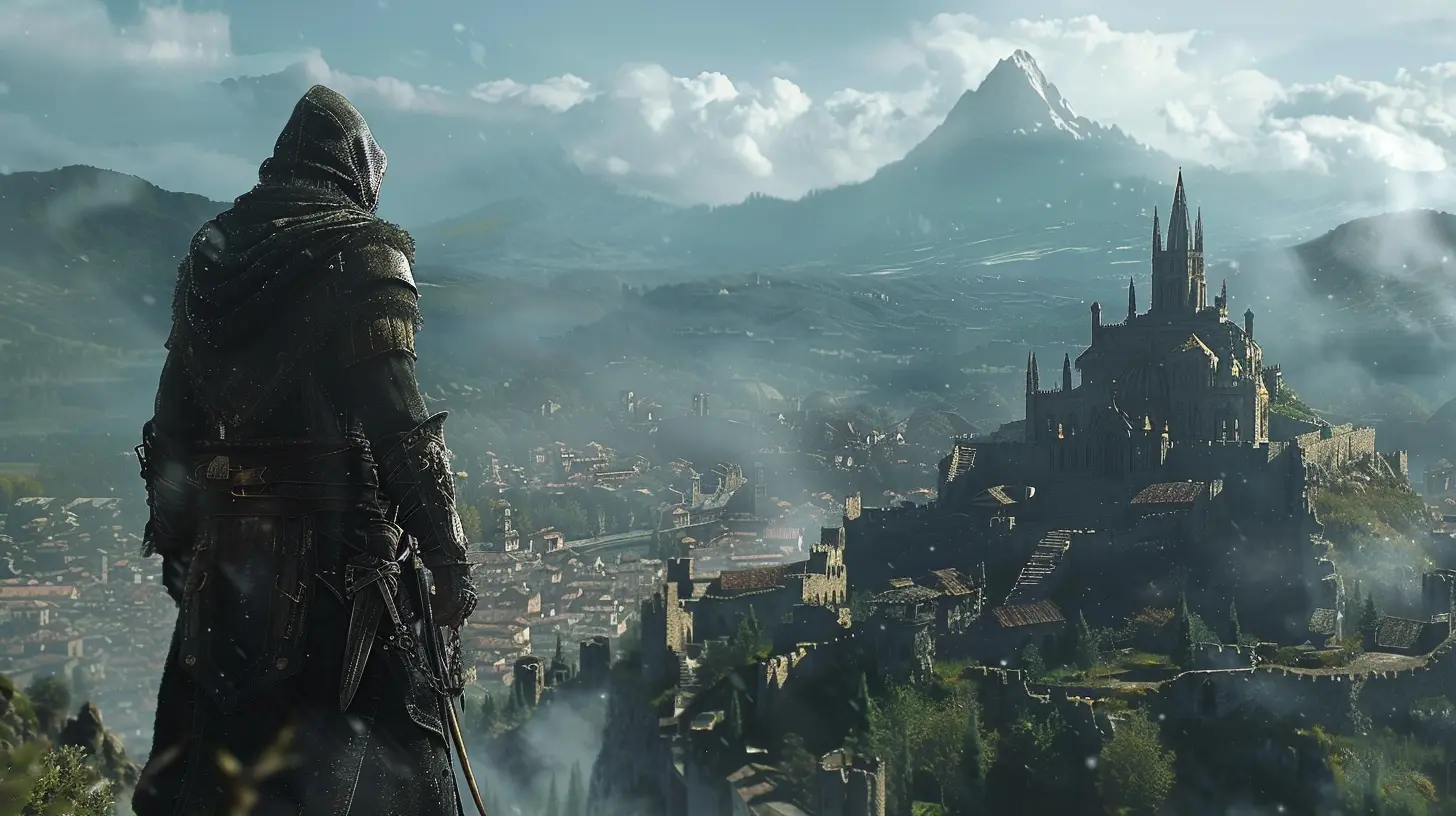
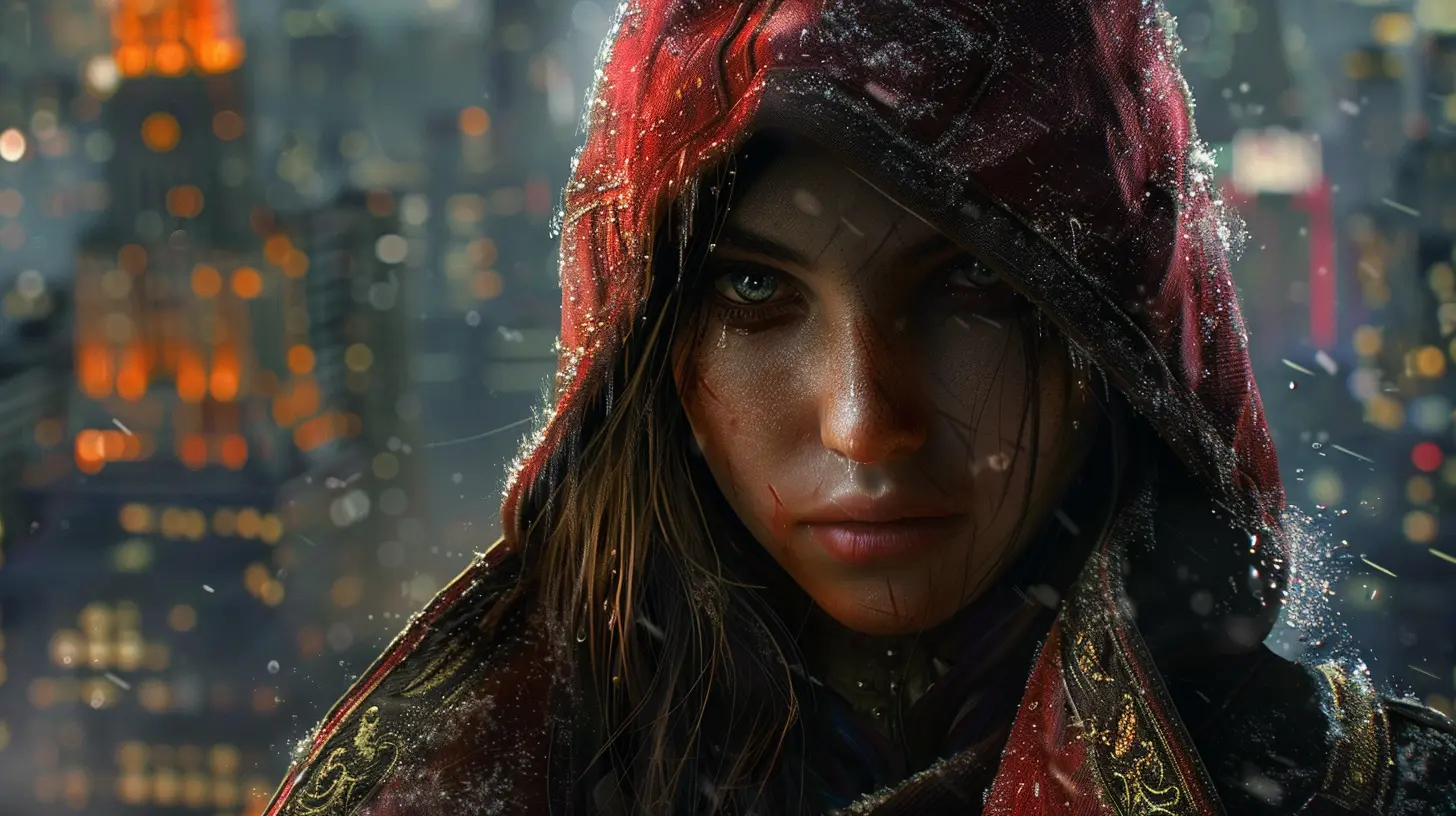
Let’s face it—gamers love drama. Not just story drama, but cinematic, edge-of-your-seat, popcorn-worthy vibes. Great game trailers tap into those film-like emotions by being visually polished and tightly edited.Look at trailers from games like God of War or The Last of Us. They’re basically short films. Even indie games have started upping the ante with striking cinematics that catch your eye.
It’s not about realism but rather immersion. The trailer should make you feel like you’re watching something epic. From camera angles to lighting and animation, everything needs to feel deliberate and elevated.
? Pro tip: Invest time into animation, voice-over, music, and pacing. It’s not just about showing the game—it’s about showing FEELINGS.
A Killer Soundtrack: Music That Moves You
You know that moment when the music swells and you get chills? That’s not an accident—that’s perfect audio design. Great trailers feel alive, and most of that emotional punch comes from the music.Sometimes it’s original. Sometimes it’s a licensed track. But either way, it fits the tone. An FPS might use aggressive electronic beats. A narrative-driven RPG could lean on orchestral scores. And horror games? Oh, boy. Silence, punctuated by eerie whispers or screeching violins, can do all the heavy lifting.
? Why it matters: Music sets the emotional stage. It gets into your bones and makes moments memorable. It's literally the heartbeat of a good trailer.
Less is More: Don’t Spoil It
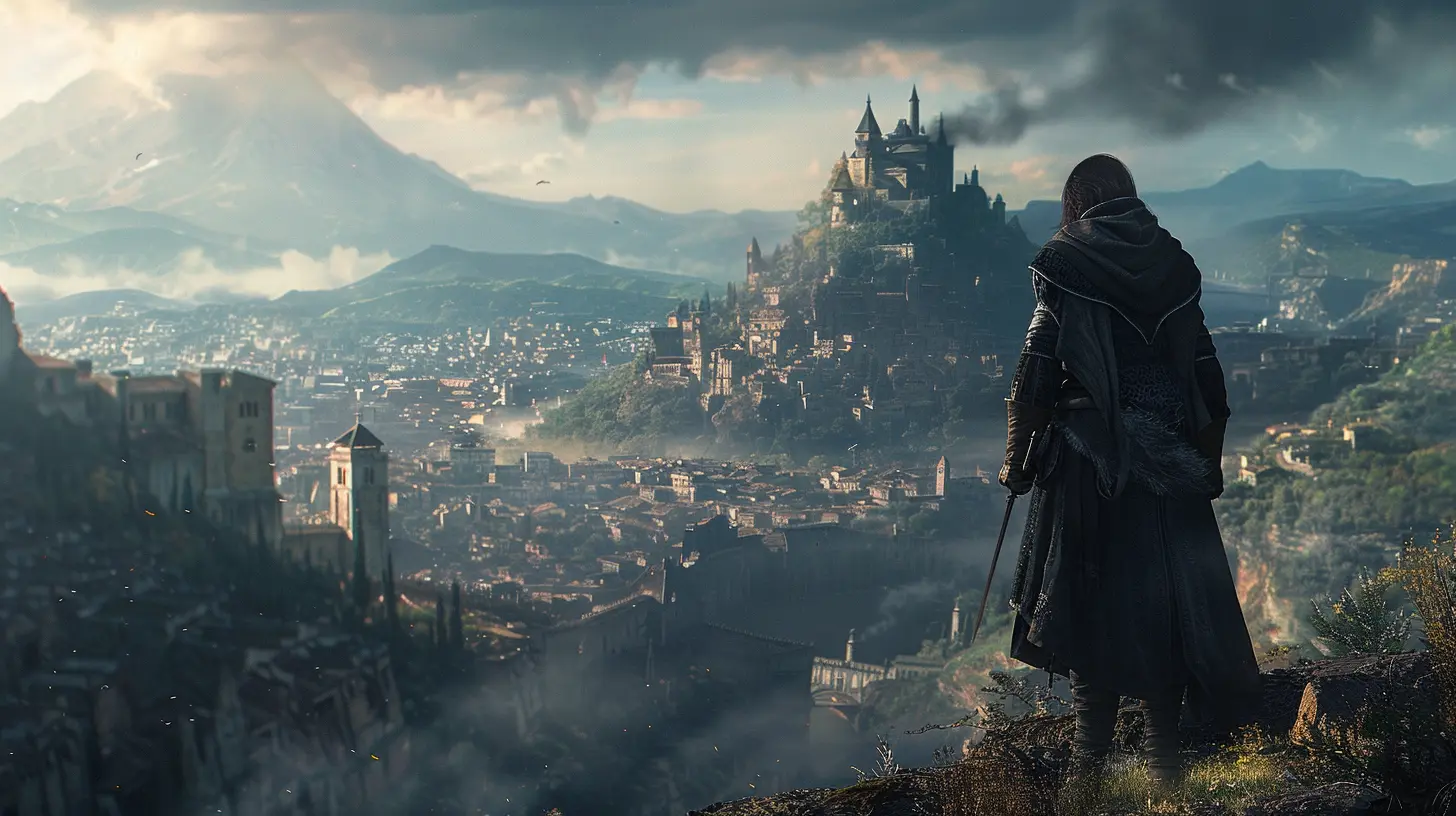
It's tempting to show off every cool thing your game has—but resist the urge. A great game trailer teases without spoiling. It opens the curtain just enough to get your imagination running wild.We’ve all seen trailers that give away the plot twist or show the final boss. Why bother playing after that? The best trailers drop hints, build suspense, and make us ask questions.
Who’s that character? What’s going on in that ruined city? Why is everything on fire?
Leave breadcrumbs—don’t lay out the whole map.
?️ Rule to follow: Don’t show all your cards. Tease the gameplay. Tease the conflict. Give just enough.
Show, Don’t Tell: Gameplay Over Narration
We get it—your game has a gripping backstory and complex lore. But guess what? Players care more about how it plays than what it’s about—at least at first glance.Nothing beats seeing the game in action. The mechanics, the UI, the combat, the exploration—all of that gets gamers far more excited than a wall of text or monologue.
That’s not to say narration is a no-go. Some trailers do it masterfully. But it should enhance the visuals, not carry them.
? Think about it like this: If story is the soul, gameplay is the body. Trailers need to show how both connect.
Pacing is Everything: Build to the Climax
A great game trailer takes you on a journey. It starts slow or mysterious, builds intensity, and ends with a bang. Kind of like a rollercoaster—you start clicking up the hill, your heart pounds, and then BOOM—you’re screaming down the other side.Good pacing keeps viewers engaged. It mixes quiet moments with action. It balances dialogue with explosions. You don’t want a constant blast of noise, and you don’t want a slow crawl either.
⚡ Pro editing tip: Align music crescendos with visual peaks. Sync action with beat drops. Make it rhythmic and satisfying.
A Clear Identity: Know the Genre, Know the Audience
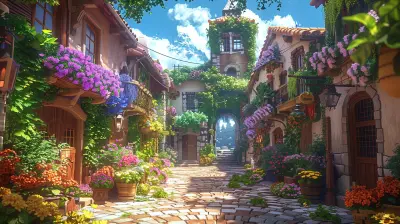
If your game is a gritty survival horror, your trailer shouldn’t look like a whimsical fantasy. The best trailers match the tone and mood of the game perfectly. They make it crystal clear what kind of experience the player is in for.Who’s the target audience? Hardcore FPS fans? Cozy sim gamers? Roguelike addicts? Your trailer should speak their language.
This means everything from font choices and color palettes to character design and dialogue should scream game identity.
? Quick check: After watching your trailer, can a viewer describe what kind of game it is in one sentence? If not, tweak it.
Memorable Moments: Give Us That “Whoa” Scene
Great trailers have at least one moment that sticks in your mind. It could be a shocking plot twist, a jaw-dropping visual, or a clever line of dialogue. Whatever it is, it’s the scene that ends up all over social media.Think of it like a movie trailer’s “money shot.” That one scene that makes you go, “I need this game NOW.”
These moments often get clipped and shared online, turning into viral gold. They become the perfect hook for TikToks, Reels, and memes. And let’s be real—if your trailer becomes meme-able, you’re already winning.
? Tip for devs: Identify that WOW moment in your game and build the trailer around it.
Emotional Connection: Make Viewers Care
You can have stunning visuals and epic music, but if the trailer doesn’t spark something inside the viewer—excitement, curiosity, fear, or even sadness—it’s forgettable.The most powerful trailers make us feel. They get under our skin. Maybe we relate to the character’s struggle, or we’re captivated by the world’s mystery. Either way, emotions are the gateway to engagement.
? Remember this: Players don’t just want cool mechanics—they want to care.
Ending With a Bang: Leave Them Wanting More
Let’s talk about endings. A weak ending can ruin an otherwise great trailer. A strong ending? That’s what sends viewers rushing to Steam, the PlayStation Store, or their favorite subreddit.Great trailers don’t just fade out—they hit you with one last punch. A surprise reveal. A plot twist. A monster roaring into the screen. Or maybe a date—yes, a real release date—that makes everyone scream, “TAKE MY MONEY!”
And don’t forget the CTA. Whether it’s “Wishlist Now,” "Join the Beta,” or “Preorder Today”—make it clear what you want the viewer to do next.
✅ Pro tip: Don’t just end—launch.
Real-World Examples of Great Trailers
Let’s wrap with a few trailers that nailed it:- Cyberpunk 2077 (E3 2019 Reveal)
Love or hate the game's launch, that trailer was an emotional rollercoaster packed with music, mystery, and Keanu freakin’ Reeves.
- Hades (Reveal Trailer)
It gave just enough gameplay, an incredible art style, and a clear tone. We knew what kind of game it was instantly.
- Breath of the Wild (Switch Launch Trailer)
No words needed—just a majestic, emotional buildup that left fans absolutely breathless.
Final Thoughts
Look, crafting a great game trailer is like orchestrating a symphony. You need the right blend of visuals, sound, pacing, and emotion. But above all, it has to respect the viewer’s time and imagination. The best trailers don’t just advertise a game—they create a whole vibe, a whole experience.They whisper, "You’re not just watching—you're about to become part of something.”
Whether you're making games, marketing them, or just love watching trailers on YouTube, next time you see one, take a moment to appreciate the craft. Because behind that 90-second clip? There’s a whole world of storytelling magic.
all images in this post were generated using AI tools
Category:
Game TrailersAuthor:

Jack McKinstry
Discussion
rate this article
2 comments
Kyle McGivern
Great trailers capture excitement and tease the adventure ahead. Can't wait to see what comes next!
July 13, 2026 at 4:29 PM
Jack McKinstry
Thanks for your enthusiasm! A great trailer really sets the tone for an unforgettable adventure. Stay tuned for more insights!
Jacob Harper
Great game trailers pull you in with emotion, captivating visuals, and a hint of the adventure ahead.
May 20, 2026 at 4:48 AM
Jack McKinstry
Absolutely! Emotion and stunning visuals are key. They set the tone and make players eager for the journey ahead.