When Trailers Outshine the Games Themselves
9 April 2026
We’ve all been there – eyes glued to the screen, heart pounding in excitement, watching a game trailer that looks like a cinematic masterpiece. The music swells, the visuals are jaw-dropping, and the story teases just enough to leave us craving more. Hype levels? Maximum. You pre-order the game, count down the days, and then... it drops. And it’s just, well... okay? Suddenly, you realize the trailer was better than the game itself. Ouch.
When did game trailers become better than the actual games? Why does this keep happening? And how do we, as players, navigate the slippery slope of marketing brilliance vs. actual gameplay? Let’s talk about it.
The Art of the Game Trailer
First Impressions Matter
Game trailers are the flashy resumes of the gaming world. They're designed to grab your attention within seconds. Developers know they have a small window to hook you, so they pour tons of resources into making trailers look incredible. And let’s face it – they work. A good trailer can make even a questionable game look like the next big thing.Think of trailers as movie posters on steroids. They're polished, dramatic, and often not an accurate representation of the gameplay. You’re seeing the absolute best parts, stitched together with slick editing, cool voiceovers, and killer soundtracks.
Selling the Fantasy
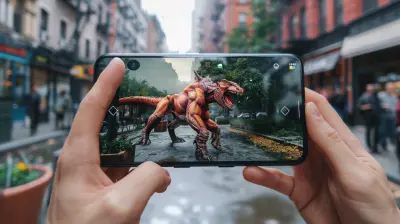
Marketing teams aren’t just selling a game; they’re selling a dream. Trailers promise epic adventures, emotional narratives, and revolutionary mechanics. It all looks amazing in a tightly edited two-minute reel. The problem? The real product rarely lives up to that fantasy.Game trailers often use pre-rendered cinematics or “in-engine” footage that isn’t actual gameplay. This creates unrealistic expectations. It’s kind of like watching a fast-food commercial where the burger looks perfect – then you get the real thing and it’s a sad, soggy mess.
Memorable Trailers That Hyped Us Too Hard
No Man’s Sky – The King of Hype
This one's a textbook case. The 2014 E3 trailer for No Man’s Sky showed a seemingly infinite universe full of vibrant planets, massive creatures, and seamless space exploration. We were blown away. The universe felt alive.But when the game launched in 2016, it was missing key features fans expected – multiplayer, varied environments, and exciting AI. The gap between the trailer and the release was massive. Thankfully, the devs worked hard, and years later, No Man’s Sky became something amazing. Still, that initial disappointment stung.
Dead Island – The Emotional Hook
Remember the Dead Island announcement trailer? That reverse-chronological masterpiece that opened with a haunting piano melody and an emotional punch to the gut? It made the game feel like a tragic, narrative-driven experience.But the actual game? It was a fun but clunky zombie shooter with campy dialogue and a paper-thin story. A complete genre mismatch from the trailer we saw. Nothing wrong with the game per se – but it wasn’t the emotionally deep journey we were sold.
Watch Dogs – Graphical Downgrade Whiplash
Ubisoft’s Watch Dogs trailer at E3 2012 promised next-gen visuals that made jaws drop. Dark, moody lighting, realistic weather effects, and smooth hacking gameplay. It was our first real peek at what the next-gen could be.When the game launched in 2014, it looked... different. The graphics were significantly downgraded, and the gameplay was more repetitive than revolutionary. Cue the outrage. This moment changed how players viewed pre-release footage forever.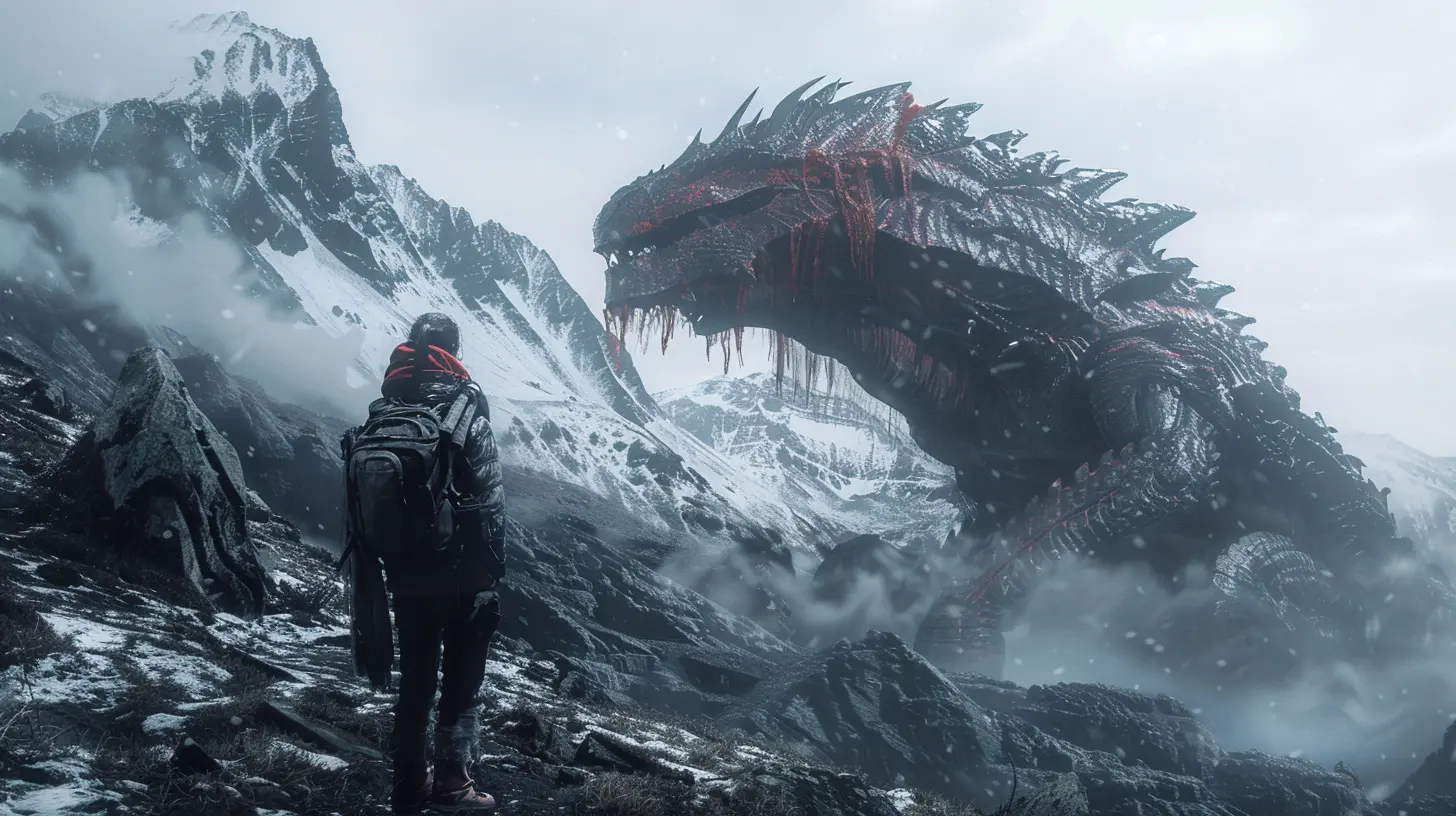
Why Do Trailers Mislead?
Marketing Runs the Show
Let’s get real – trailers are marketing tools. Their job isn’t always to be accurate; it’s to generate buzz and get pre-orders. Studios often work with external trailer houses who don’t even play the full game. These teams cherry-pick the best moments and build an engaging narrative around them.That’s like watching a movie trailer made of just the punchlines and action scenes – sure, it looks great, but it doesn’t capture the whole story.
Development Realities
Game development is messy. Features get cut, graphics get downgraded for performance, and deadlines loom large. What looks amazing in early builds might not be feasible for the final product. But by then, the trailer's already out. Expectations are set.Plus, let’s be honest – sometimes games change direction late in development. What you saw at E3 might have made sense during alpha, but by launch day, it's a completely different beast.
How to Tell If a Trailer is Too Good to Be True
Watch for "In-Engine" or "Pre-Rendered" Disclaimers
Pay attention to the fine print. If a trailer says “not actual gameplay” or “in-engine footage,” that’s code for “this might not look or feel like the final game.” It doesn’t mean the game will be bad – but it might not be what you’re expecting.Look for Gameplay Footage
Cinematic trailers are cool, but always chase down gameplay videos. How does the game handle? What’s the UI like? Are there loading screens? These details matter more than a slow-mo sword swing in dramatic lighting.Temper the Hype
This one’s tough, but important. If a trailer makes you think “this is too good to be true,” it probably is. Don’t get sold on a vibe alone. Do a little digging. Check out early access reviews, developer Q&As, and other community feedback before dropping your cash.What Happens When the Game Doesn’t Deliver?
Immediate Backlash
When players feel misled, the reaction is swift and unforgiving. Social media, YouTube rants, Reddit threads – the backlash can be brutal. Refund requests soar. Review bombs hit. And long-term? The studio's reputation takes a hit.The damage can even linger into future titles. Once trust is broken, it takes a lot to rebuild it.
Long-Term Impact on the Studio
Look at Bioware after Mass Effect: Andromeda. It had a decent trailer, but the final game was plagued by technical issues and lifeless storytelling. The result? Tarnished legacy, layoffs, and a pause on future entries.The lesson? One overhyped, under-delivering game can derail an entire franchise.
Not All Trailers Are Evil, Though
Let’s be fair – not every shiny trailer leads to disappointment. Some games come with incredible trailers 🔥 and still totally deliver. Think The Witcher 3, God of War (2018), or Red Dead Redemption 2. These games had hype-worthy trailers and still lived up to (or exceeded) expectations.The difference? These trailers showed real gameplay, stayed tonally consistent with the game, and didn’t oversell features that didn’t exist.
The Responsibility of Honest Marketing
It’s time the gaming industry did better. Consumers are smarter now, and many are no longer easily swayed by shiny cinematics. Developers and publishers need to prioritize transparency.Marketing doesn’t have to mean misleading. Show real gameplay. Explain what’s still in development. Don’t promise mechanics that aren’t finalized.
At the same time, we as players should start appreciating honest trailers more – even if they’re less flashy. A realistic trailer may not go viral, but it sets the right expectations and builds genuine excitement.
Wrapping It All Up
So what have we learned here? Trailers are great – they’re exciting, they tell awesome stories, and they help sell the fantasy. But when they sell us something the game can’t possibly deliver, it leaves a bad taste.At the end of the day, trailers are like appetizers. They can give you a taste, but they’re not the main course. The game is what really matters. And if that’s undercooked, no amount of trailer polish can hide it.
So the next time you see a game trailer that knocks your socks off – pause, take a breath, and ask yourself: “Am I falling for the sizzle or the steak?”
Because when trailers outshine the games themselves, we all lose a little trust, a little time, and sometimes, a chunk of our wallets.
all images in this post were generated using AI tools
Category:
Game TrailersAuthor:

Jack McKinstry
Discussion
rate this article
2 comments
Kimberly Morgan
Ah, the classic case of beauty over brains! It’s like dating a supermodel who can’t remember your name. Let’s hope the games don’t ghost us too!
April 18, 2026 at 4:49 AM
Jack McKinstry
Haha, exactly! It's frustrating when the glitz of a trailer doesn't match the gameplay. Here's hoping we get some surprises!
Keira McDermott
Like a peacock in a cardboard box—trailer flair eclipses the game’s true feathers!
April 15, 2026 at 2:49 AM
Jack McKinstry
I appreciate your creativity! It's true that sometimes the visuals steal the spotlight from the actual gameplay.