Why AR Games Are the Next Big Thing in Esports
15 April 2026
Gamers, welcome to the dawn of a new era in competitive gaming. We’ve seen how traditional esports have exploded in popularity—massive tournaments, jaw-dropping prize pools, and millions of viewers streaming matches around the globe. But look around... something new is brewing. It’s more than just screen-bound competition—it’s immersive, it’s physical, and it’s blending the real world with the digital. Yep, I’m talking about Augmented Reality (AR) games, and why they’re shaping up to be the next big thing in esports.
So sit back, grab your favorite energy drink, and let’s unpack why AR games are set to reshape the esports landscape in the most mind-blowing way.
Understanding AR Gaming: A Quick Dive
First off, let’s clear the air—what exactly is AR gaming?AR, or Augmented Reality, overlays digital elements onto the real world using devices like smartphones, AR glasses, or headsets. Unlike Virtual Reality (VR), which drops you into a completely digital universe, AR enhances your existing environment with interactive digital content.
Remember Pokémon GO? Yeah, that was AR 1.0. It got us off the couch, out into the streets, and introduced the magic of chasing virtual creatures in real-world parks. That game was just the tip of the iceberg.
Today, AR is way more advanced, with real-time interaction, cross-device multiplayer, and spatial awareness that makes things feel real. Now imagine adding that tech to the fast-paced, competitive world of esports—sounds like a game-changer, right?
The Rise of Esports: Why Change is Coming
Esports as we know it has matured rapidly over the last decade. We’ve got leagues, big-name sponsors, and game titles like League of Legends, Counter-Strike, and Fortnite holding center stage. But with this maturity comes saturation. Viewers want fresh experiences. Gamers want new ways to flex their skills. And sponsors? They’re looking for the next frontier to stick their brand onto.Enter AR games.
AR combines physical movement, real-world interaction, and digital strategy in a way that traditional esports just can’t. It's not just mind versus mind—it’s mind and body versus the world.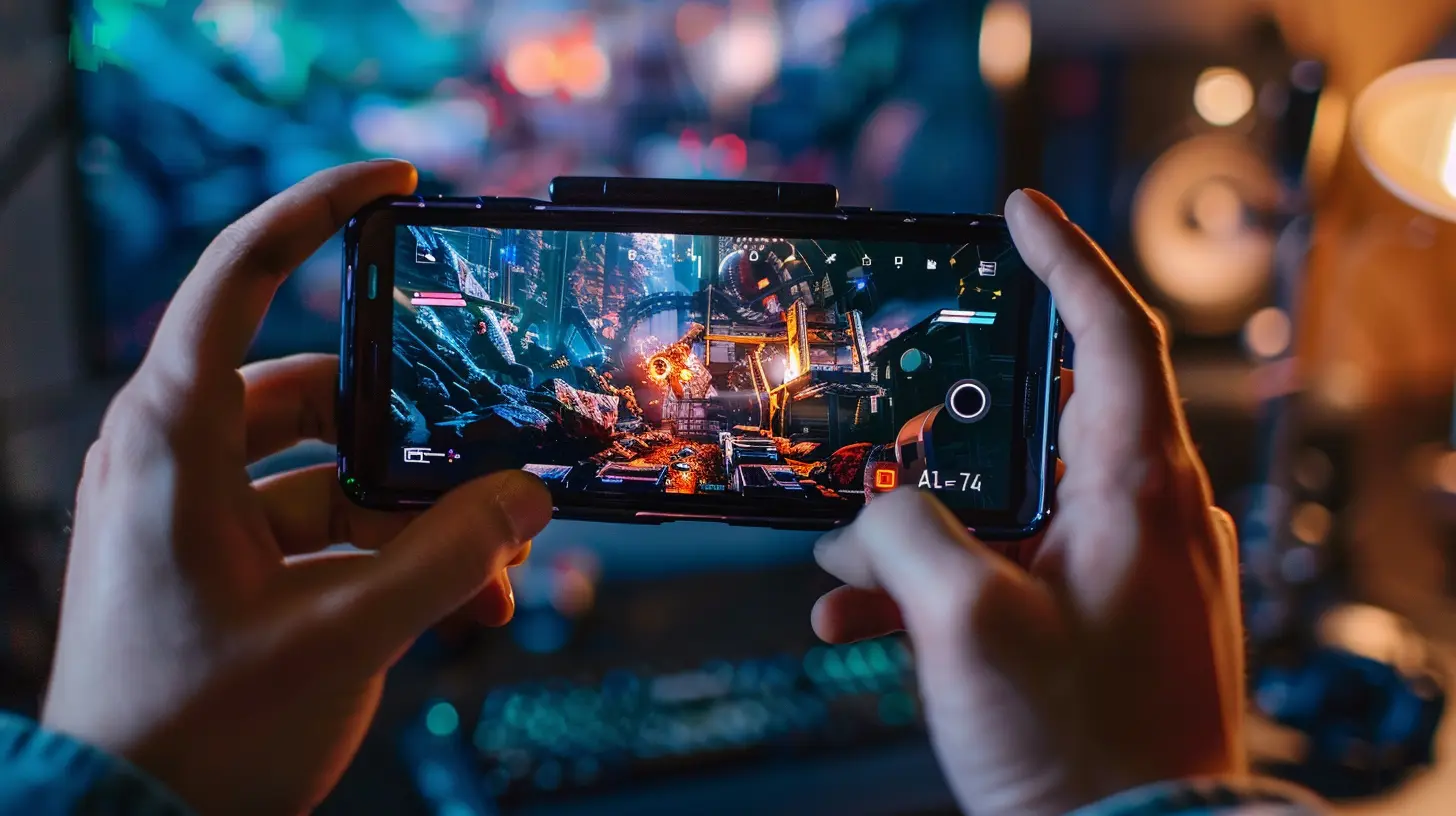
What Makes AR Games a Perfect Fit for Esports?
Let’s break down why AR games are not just a cool idea, but a perfect match for the competitive landscape of esports:1. Immersive Gameplay That Gets You Moving
Esports has always been about reaction times and coordination, but it’s largely sedentary. AR flips that script.In AR esports, players aren’t just sitting in front of screens—they’re moving, dodging, jumping, and strategizing in real life. It adds a kinetic layer to gameplay that makes the whole thing look more like a blend of chess, dodgeball, and laser tag.
For spectators? Watching live AR matches is like seeing sci-fi come to life. It’s engaging, fast-paced, and visually thrilling.
2. Enhanced Spectator Experience
Let’s be honest—watching someone play on a monitor can only get so exciting, even with flashy overlays and commentary.Now imagine watching AR matches with real-world arenas, movement-based combat, and holographic effects that both live and online audiences can enjoy in real time. Think of it like an interactive theater mixed with competitive gaming.
Augmented visuals can also be livestreamed with overlays showing power levels, health stats, and special abilities, keeping fans in the loop just like in traditional esports—but with way more flair.
3. Tech Is Finally Ready
A few years ago, AR gaming on a competitive level wasn't practical. Laggy devices, weak processing power, and battery drain were major drawbacks.But now? Hardware has caught up. We have AR glasses like Microsoft HoloLens, Magic Leap, and even smartphone-based setups that are efficient, fast, and accurate. Plus, 5G is here, making real-time multiplayer AR smooth and responsive.
The ecosystem is finally capable of hosting games that are complex, scalable, and thrilling enough for the esports big leagues.
4. Physical + Digital = More Skill Expression
Traditional esports test your mental agility, reaction time, and teamwork. AR brings in an entirely new layer of skills—spatial awareness, physical stamina, and real-time adaptability in unpredictable physical settings.Suddenly, being a top-tier gamer isn’t just about fast fingers—it’s about full-body strategy. It levels the playing field in interesting ways and opens the door for new types of players to shine.
Real-World Applications: AR Games Already Making Waves
Let’s take a look at some AR games that hint at what’s coming:? HADO
If dodgeball and Dragon Ball Z had a baby, it would look like HADO. Players wear AR gear and shoot virtual energy balls at each other in real-world courts. This game already has international tournaments and growing fan bases—it’s like a sport pulled straight out of anime.? Tilt Five
A tabletop AR system that turns your kitchen table into a tactical battlefield. While not yet in the mainstream esports circuit, it shows how AR can blend casual gaming with competitive depth.? AR Laser Tag
Enhanced versions of classic laser tag using AR gear are already being tested in arenas. They bring both nostalgia and innovation to the competitive table.These are just the early experiments. Give it a few more years, and expect games built from the ground up for AR esports.
Social and Community Aspects: A New Kind of Esports Culture
AR esports won’t just change how games are played—it’ll change how communities form and interact.? Physical Meetups with a Digital Twist
Traditionally, esports fans connect online or at massive tournaments. AR esports can make local parks, gyms, and malls into battlegrounds. Imagine neighborhood-based teams clashing every weekend. It could bring gaming back to the community level—in a big way.? Accessibility and Inclusion
With smartphones being AR-capable, players don’t need expensive PC rigs to participate. That opens the door for players in regions where high-end gaming gear is out of reach, democratizing competition and building global inclusion.Challenges Ahead (But They're Totally Doable)
Let’s be real—AR esports isn't going to skyrocket overnight. There are hurdles, like:- Cost of AR Gear – While prices are dropping, pro-level AR kits aren’t cheap yet.
- Venue Limitations – You need real space to play. Rain, snow, or lack of indoor arenas can limit gameplay.
- Standardization – Esports needs rules, rankings, and consistent formats. AR games still need time to develop those shared systems.
But here’s the thing—every frontier has its growing pains. What’s important is that the groundwork is being laid. Developers, hardware makers, event organizers, and players are all moving in the same direction.
The Future: What AR Esports Could Look Like
Fast forward five years. What might AR esports become?- AR esports leagues with city-based teams competing in futuristic arenas
- Hybrid tournaments that mix traditional esports with physical AR challenges
- Spectator apps that let you view the action from any angle via AR glasses
- Games that merge fitness tracking with competitive strategy
- Brands rushing in to sponsor gear, arenas, and even individual players
In short: everything esports is now, but with more motion, more immersion, and way more possibilities.
Final Thoughts: Why You Should Start Paying Attention Now
The esports world is built on innovation. We’ve seen it evolve from LAN parties in basements to sold-out stadiums and million-dollar prize pools. AR games are the next natural evolution—bringing depth, immersion, and physicality to a space that’s been mostly screen-bound.Will it replace traditional esports? Not at all.
But will it carve out a massive, exciting, game-changing niche of its own? Absolutely.
So if you’re a gamer, start exploring AR. If you’re a developer, start building in AR. And if you’re an esports fan? Buckle up. The future’s coming, and it’s going to be wild.
all images in this post were generated using AI tools
Category:
Augmented Reality GamesAuthor:

Jack McKinstry
Discussion
rate this article
2 comments
Zailyn Reed
Oh, because who doesn’t love tripping over their own backyard?
April 26, 2026 at 4:01 PM
Jack McKinstry
It's all about the immersive experience... even in your own yard!
Matilda Barnes
Exciting potential, understanding challenges is key!
April 16, 2026 at 2:31 PM
Jack McKinstry
Thank you! Absolutely, navigating the challenges will be crucial for unlocking AR's full potential in esports.