Why Game Trailers Are Borrowing From Hollywood
17 June 2026
Let’s be honest—if you’ve ever seen a game trailer that gave you goosebumps, left your jaw physically on the floor, or made you shout "Take my money!" before the game even had a release date, then congratulations: you’ve just experienced the Hollywood effect in gaming form.
These days, game trailers aren’t just quick gameplay montages slapped together with dubstep and pixel explosions. Oh no, my friend. They’re cinematic masterpieces—mini-blockbusters practically begging for a red carpet premiere. But why are game trailers leaning so heavily into Hollywood’s playbook?
Buckle up, grab your popcorn (extra butter, obviously), and let’s break down why the gaming industry has been raiding Tinseltown’s bag of tricks.
? Gaming Trailers: Now Featuring More Drama Than Reality TV
First off, Hollywood is the king of drama. Like, if drama were a sport, Hollywood would be winning gold medals year after year.So it only makes sense that game trailers are now borrowing that same flair. Think about it—if you're launching a game about saving the galaxy, fighting off zombie hordes, or uncovering ancient prophecies, why not wrap it up with booming orchestras, slow-mo hero walks, and buildings collapsing in the background like it's nobody’s business?
Case in Point: Remember the "Dead Island" trailer from back in the day? It was so emotionally devastating and beautifully edited, people were ugly crying over a zombie game. A zombie game.
Yeah, that’s Hollywood magic for ya.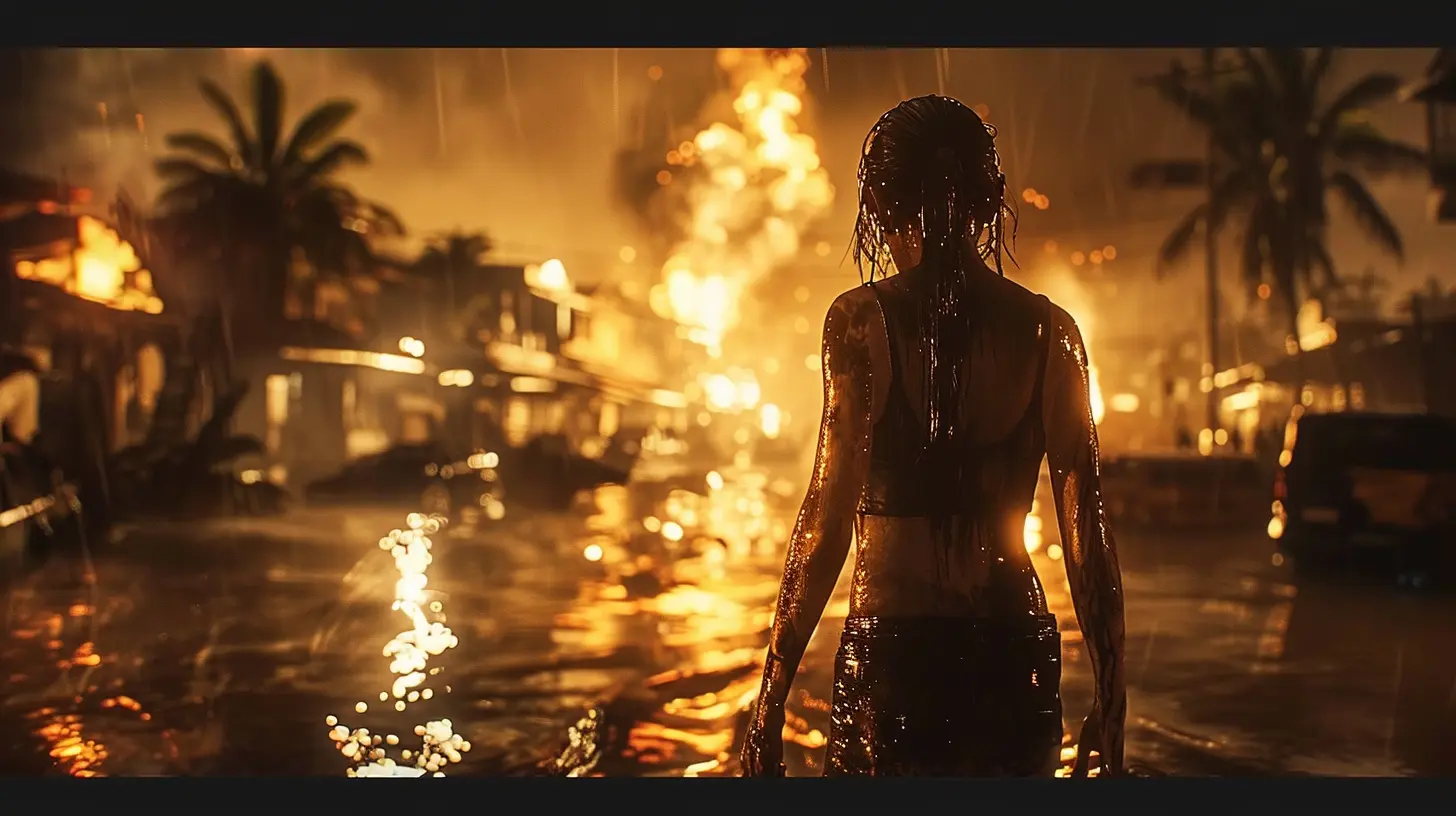
? The Rise of the “Teaser Trailer to the Teaser Trailer”
Let’s take a stroll down Nerd Memory Lane. Once upon a time, game trailers were… well, trailers. They showed gameplay. Maybe a few cutscenes. Short and sweet.Now? It’s full Hollywood mode. We’ve got:
- Teaser trailers
- Cinematic trailers
- Gameplay reveal trailers
- Behind-the-scenes trailers of the trailer (I’m not even kidding)
- And the classic "Coming Soon" teaser that shows a logo and fog. Literal fog.
Why all the theatrics? Because attention spans are shorter than a TikTok dance and competition is fierce. You need to hook gamers harder than a bass during fishing season, and Hollywood-style drama does the trick.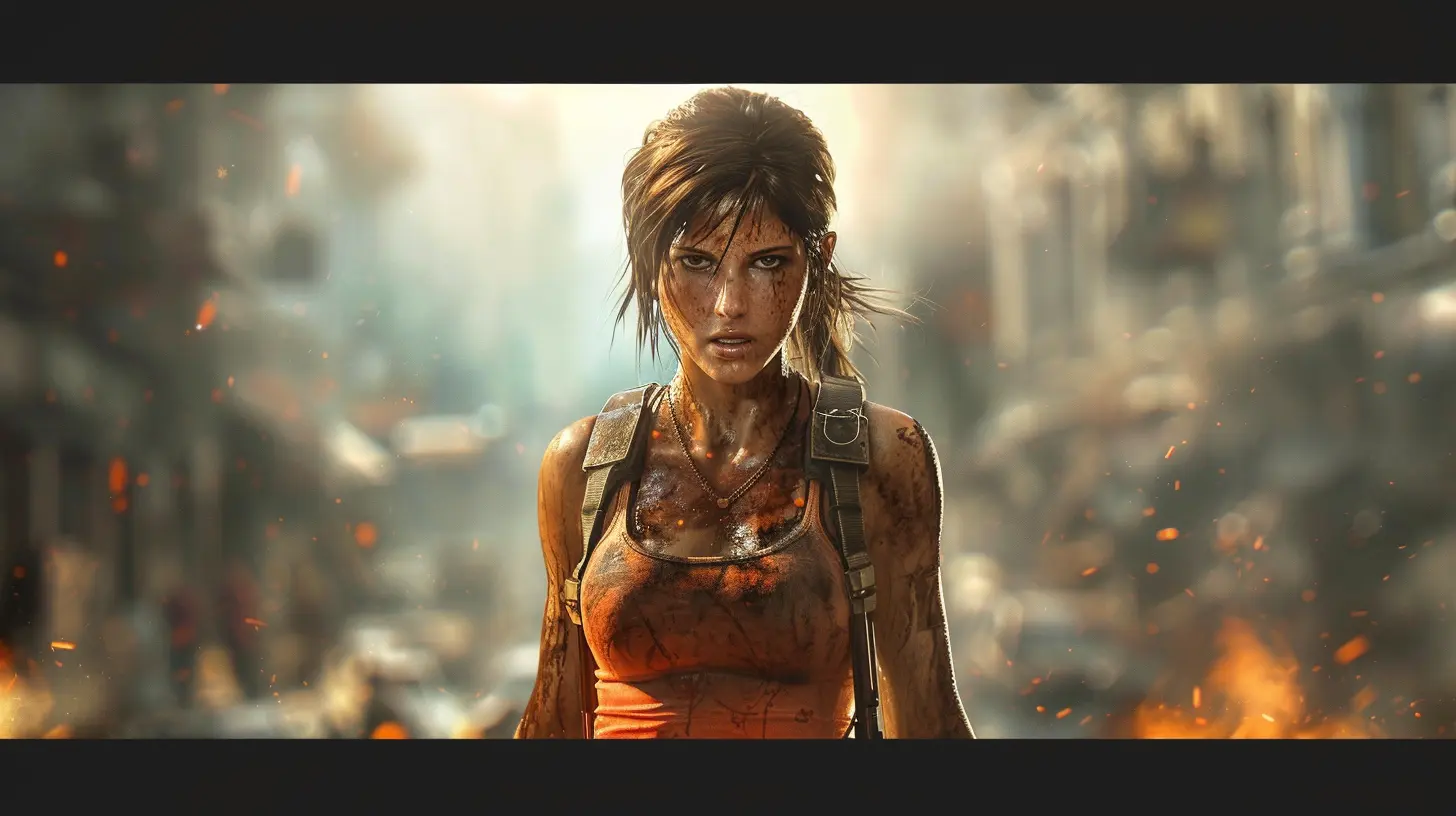
? Big Budgets, Bigger Expectations
Let’s talk money. Gaming isn’t just some nerdy hobby anymore (although we still proudly wear that badge). It’s a billion-dollar industry. And with AAA games reaching movie-like budgets (hello, $200 million productions!), studios are treating game marketing the way Hollywood treats their summer blockbusters.So, naturally, the trailers are getting the same treatment. If you’re dropping hundreds of millions on a game, you'd better believe the trailer’s gonna be dripping with intense lighting, moody music, and voice-overs that sound like Morgan Freeman’s spiritual twin.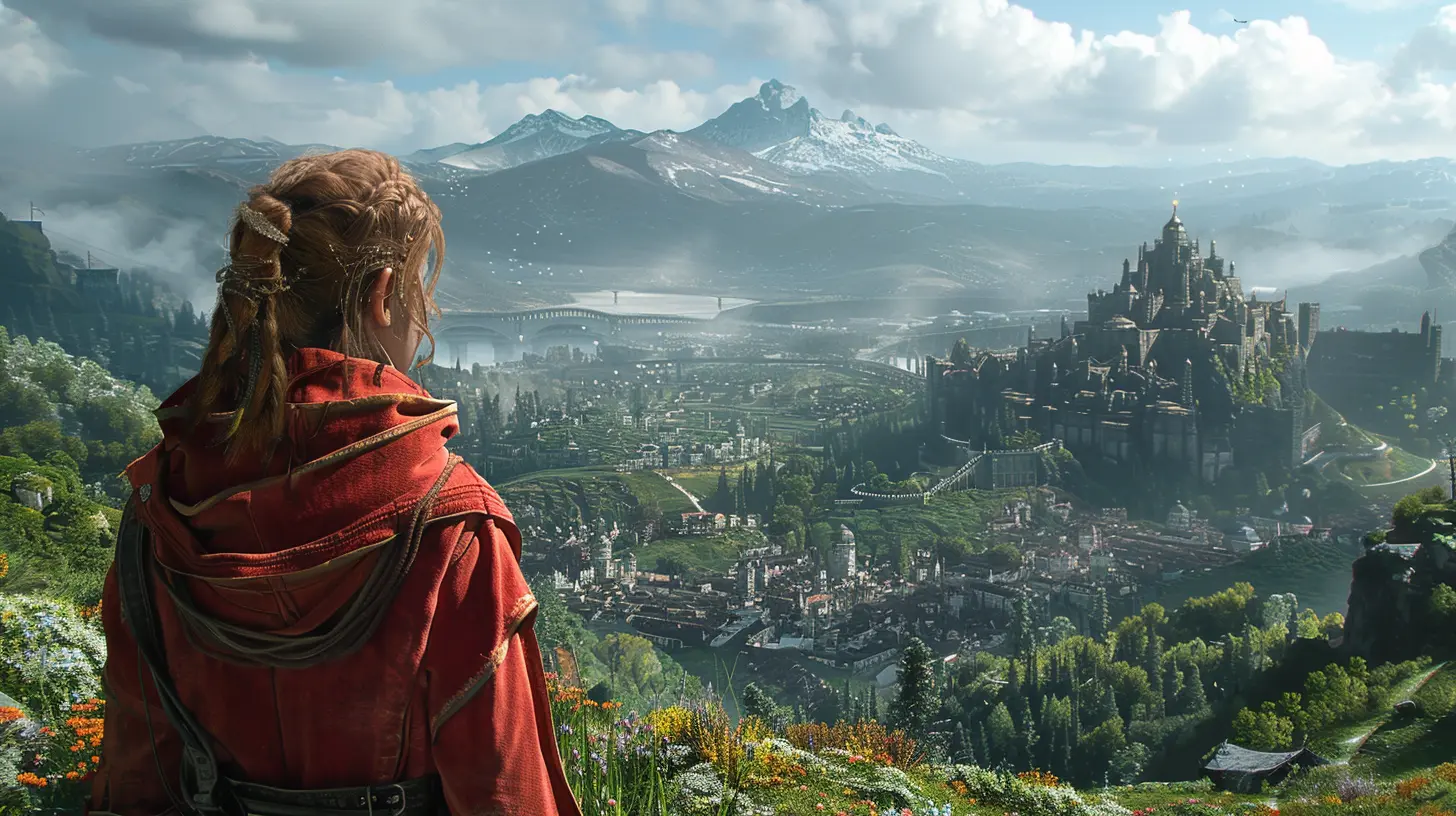
? Bring in the Actors!
Another reason game trailers are feeling more like movie trailers? The actors. Oh yeah, the big leagues have arrived.- Keanu Reeves in Cyberpunk 2077
- Giancarlo Esposito in Far Cry 6
- Norman Reedus in Death Stranding
This ain’t your grandma’s pixelated plumber anymore. These are legit Hollywood stars bringing gravitas, emotion, and “Hey, I know that guy!” energy to the trailers. It adds a layer of cinematic credibility that makes gamers (and their skeptical non-gamer parents) go, “Okay... that looks legit.”
It’s like ordering fast food and having Gordon Ramsay cook it. You’re still eating a burger, but oof—it suddenly tastes fancier.
? The Epic Soundtrack Effect
Try watching any Hollywood-style game trailer with the sound off. Kinda meh, right?Now turn that volume up, and BOOM—a Hans Zimmer-esque score slaps you in the soul. Suddenly, you’re emotionally invested in characters you’ve never met doing things you don’t understand in a world that doesn’t exist. You’re crying. You’re hyped. You’re confused—and you love it.
Game trailers are borrowing that exact emotional manipulation from Hollywood scores. Epic orchestras, somber piano notes, even epic pop song remixes (“Mad World,” anyone?) are all part of this symphonic sneak attack on your feelings. And guess what? It works. Every. Time.
? Storytelling is the New MVP
Here’s a little plot twist: gameplay is still king, but storytelling is stealing the crown jewels.More and more gamers are asking, “What’s the story here?” even before they ask how the combat feels. That smoldering narrative, cinematic tone, and deep character arcs? Straight from Hollywood's playbook.
Game developers are realizing that to really hook players, you need a story that makes them stay for 40+ hours. And to tease that story effectively? You guessed it: go full-Hollywood in the trailer.
We're talking:
- Hero’s journey arcs in 2 minutes flat
- Cryptic narrators with gravelly voices
- Flashy flashbacks
- Plot twists that would make Christopher Nolan proud
You're not just selling a game. You're promising an experience. And if your trailer can’t make someone feel something in under 120 seconds, you're toast.
? Psychology 101: FOMO and Hype
Hollywood’s been playing us like a fiddle for years, and we love it.Game trailers learned that lesson and said, “Hold my controller.”
By giving us those edge-of-our-seat, emotional, and downright jaw-dropping trailers, gaming studios tap into our good old friend: FOMO (Fear Of Missing Out). Nobody wants to be the person who didn’t get hyped about the most cinematic, story-driven, visually-stunning game of the century (until next month... when the new “most stunning” game drops).
So, by sprinkling in some Hollywood-style storytelling and visuals, trailers create that high-octane buzz. Suddenly, your group chat is popping with “Did you SEE that trailer?!” messages. Mission accomplished.
?️ Blurred Lines Between Games and Movies
Have you noticed it’s getting hard to tell whether you’re watching a trailer for a game or a movie?That’s intentional.
With gaming graphics that are inching ever closer to photorealism, and motion capture tech that records the tiniest eyebrow twitch, we're entering a weird (but exciting) era where the line between games and movies is basically a dotted suggestion.
Gaming is no longer the awkward stepsibling of Hollywood. It’s the cool cousin who just graduated from film school, started their own production company, and is making trailers that rival Christopher Nolan's stuff.
And with game adaptations becoming the new trend (hello, "The Last of Us", "Fallout", and "The Witcher"), it just makes sense for trailers to start looking like award-winning movie promos.
?♂️ The Magic of Misleading (But Beautiful) Trailers
Okay, real talk: not all cinematic game trailers are good at telling the truth.Some of them are straight up catfishing us.
They’ll show ultra-stylized visual storytelling, dramatic one-liners, and zero gameplay. ZERO. You're basically watching a movie that may or may not reflect the actual game.
It's a bold strategy, Cotton—but one that still works because, again, Hollywood polish = eye candy = HYPE.
Even if the final game looks nothing like the trailer, people appreciate the spectacle. It's like buying a mystery box: you're mostly here for the surprise.
?️ Gamers Are Sophisticated Now (Kinda)
Let’s not underestimate the modern gamer. We’ve evolved.We went from blowing into cartridges and arguing about whether Snake was better than Mario… to demanding Oscar-worthy performances in our RPGs. We want games to make us laugh, cry, scream, and maybe throw a controller or two out of sheer emotion.
Hollywood-style trailers cater to that hunger for deeper, richer experiences. We’re not here for pixels alone anymore—we want a full-on immersive ride. One trailer, ten emotions. That's the new standard.
✨ Final Boss Thoughts
So why are game trailers borrowing from Hollywood? Because it freaking works.- They grab attention.
- They build emotional investment.
- They make your game look like an epic blockbuster.
- And let’s be honest… they just look dang cool.
At the end of the day, the fusion of games and cinematic storytelling was inevitable. Hollywood brought the lights, camera, and drama—video games brought the interactivity, immersion, and nerdy passion. Together, they’re creating trailers that are so epic, they almost need critic reviews and IMDB scores.
So next time you see a game trailer that makes you feel like you just watched a Marvel-level cliffhanger, just smile and remember: that’s the Hollywood magic at work.
Now, if only actual game endings were just as satisfying, am I right?
all images in this post were generated using AI tools
Category:
Game TrailersAuthor:

Jack McKinstry
Discussion
rate this article
2 comments
Patrick Gilbert
Game trailers are increasingly mirroring Hollywood's cinematic style to capture emotions and build narratives. This approach not only engages players but also elevates the medium, blurring the lines between gaming and film. It reflects the evolving expectations of audiences looking for immersive storytelling.
September 15, 2026 at 4:22 AM
Ivory Mendez
It's fascinating how game trailers are increasingly mirroring Hollywood techniques. I wonder if this trend enhances storytelling in games or if it risks overshadowing the unique creativity that video games can offer. What do you think?
July 11, 2026 at 2:25 PM
Jack McKinstry
Game trailers borrowing from Hollywood can elevate storytelling by leveraging cinematic techniques, but there's a risk of losing the distinct creativity that makes gaming unique. It depends on how well developers balance both styles.