Why Some MMO Economies Thrive and Others Collapse
9 August 2026
Massively multiplayer online games—MMOs for short—are digital worlds buzzing with life, competition, friendships, and… cold hard (virtual) cash. Whether it’s gold, gil, credits, or runes, MMO economies are often as complex as real-world financial systems. But here’s the kicker: while some MMOs build booming player-driven economies that feel alive and self-sustaining, others spiral into chaos, inflation, and ultimately irrelevance.
So, what gives? Why do some MMO economies thrive while others nosedive? That’s exactly what we’re diving into today—with no fluff, no filler, just real talk on the real mechanics behind the virtual money.
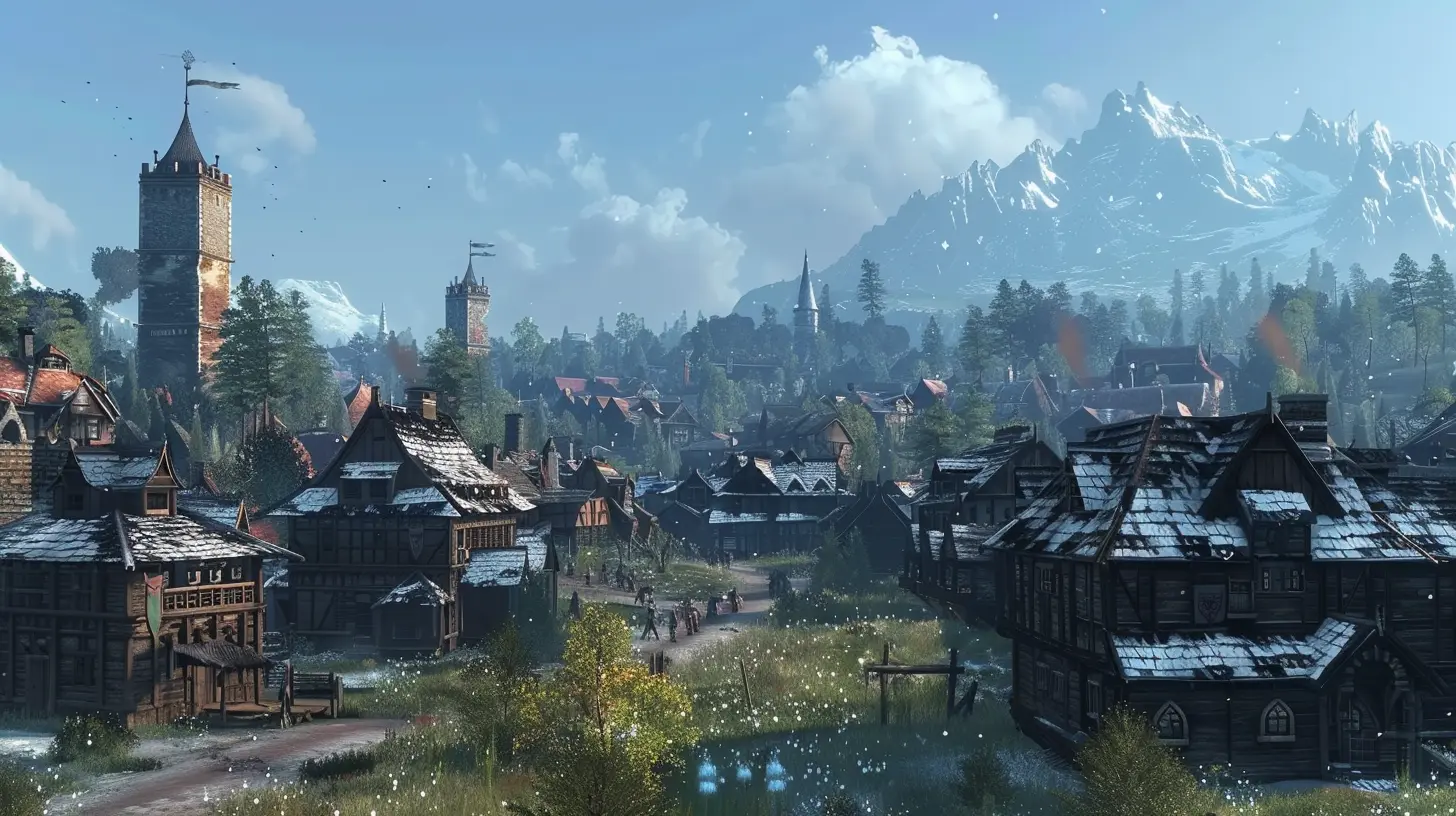
Why MMO Economies Matter In The First Place
Before we get too deep, let’s be clear: MMO economies aren’t just background noise. They’re a huge part of the gameplay.Think about it—almost every action you take in an MMO has some economic impact. Kill a mob? You might earn loot. Craft a cool sword? You can sell it. Run a dungeon? You probably spent gold on repairs, potions, and gear. The economy connects everything.
A well-functioning in-game economy gives players purpose and rewards. It makes earning loot exciting, crafting worthwhile, and trading engaging. A broken economy? It makes everything feel meaningless.
That’s why this topic matters.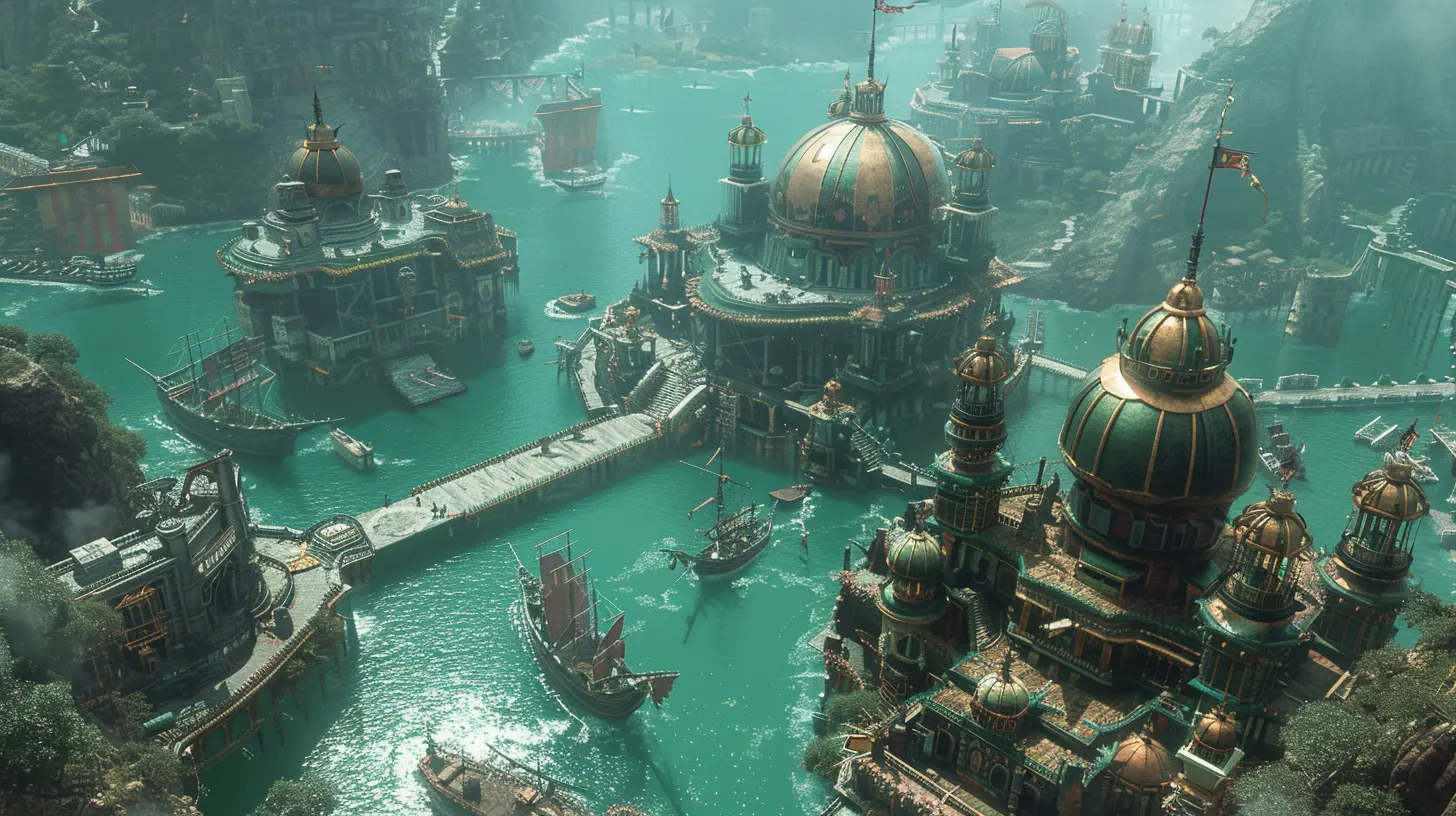
Thriving MMO Economies: What They Get Right
Let’s start with the feel-good stuff—the games that get it right. What are they doing that makes their economies so successful?1. Player-Driven Markets
Think of games like EVE Online or Old School RuneScape. These games have economies where supply and demand are dictated almost entirely by players.In EVE Online, everything from ammo to battleships is player-crafted. It’s like a digital capitalist sandbox. When wars break out, demand for ships and materials spikes. When peace returns, supply chains recover, prices adjust. It’s beautiful chaos—and it works.
2. Meaningful Resource Gathering and Crafting
Thriving MMO economies reward effort. Gathering wood, mining ore, or picking herbs is actually worth your time. Materials are needed, rare items are valuable, and crafting feels like a career path rather than a waste of time.Final Fantasy XIV is a great example. Its crafting and gathering jobs are layered, deep, and in demand. Crafters aren’t just side characters—they’re a core part of the economy.
3. Limited Gold Sources (Good Money Sinks)
Gold doesn’t grow on virtual trees—at least not in stable economies. Smart MMOs limit how much currency flows into the world and create good “money sinks” to take it back out.Repairs, broker fees, teleportation costs, housing… all these take money out of circulation. It’s kind of like taxes or bills in real life. Painful, sure—but necessary. Without them, you get inflation. We’ll get into that more soon.
4. Item Decay or Devaluation Over Time
Nothing lasts forever, not even in games. Smart MMO economies include item decay or power creep to keep demand for new items high.In EVE Online, if your ship explodes, it’s gone. Forever. That means there’s always demand for new ships, modules, and tools. This keeps the economy moving—there’s always something to build, sell, or buy.
5. Developer Intervention (But Just the Right Amount)
Sometimes, devs need to step in. Maybe a bug floods the market with gold. Maybe a certain item becomes overpowered and skews everything. The best MMO economies thrive when developers are hands-off enough to let players drive the market—but not afraid to fix serious imbalances.Think of it like a referee in a sports game. You don’t want them playing, but you do need them to blow the whistle when something’s off.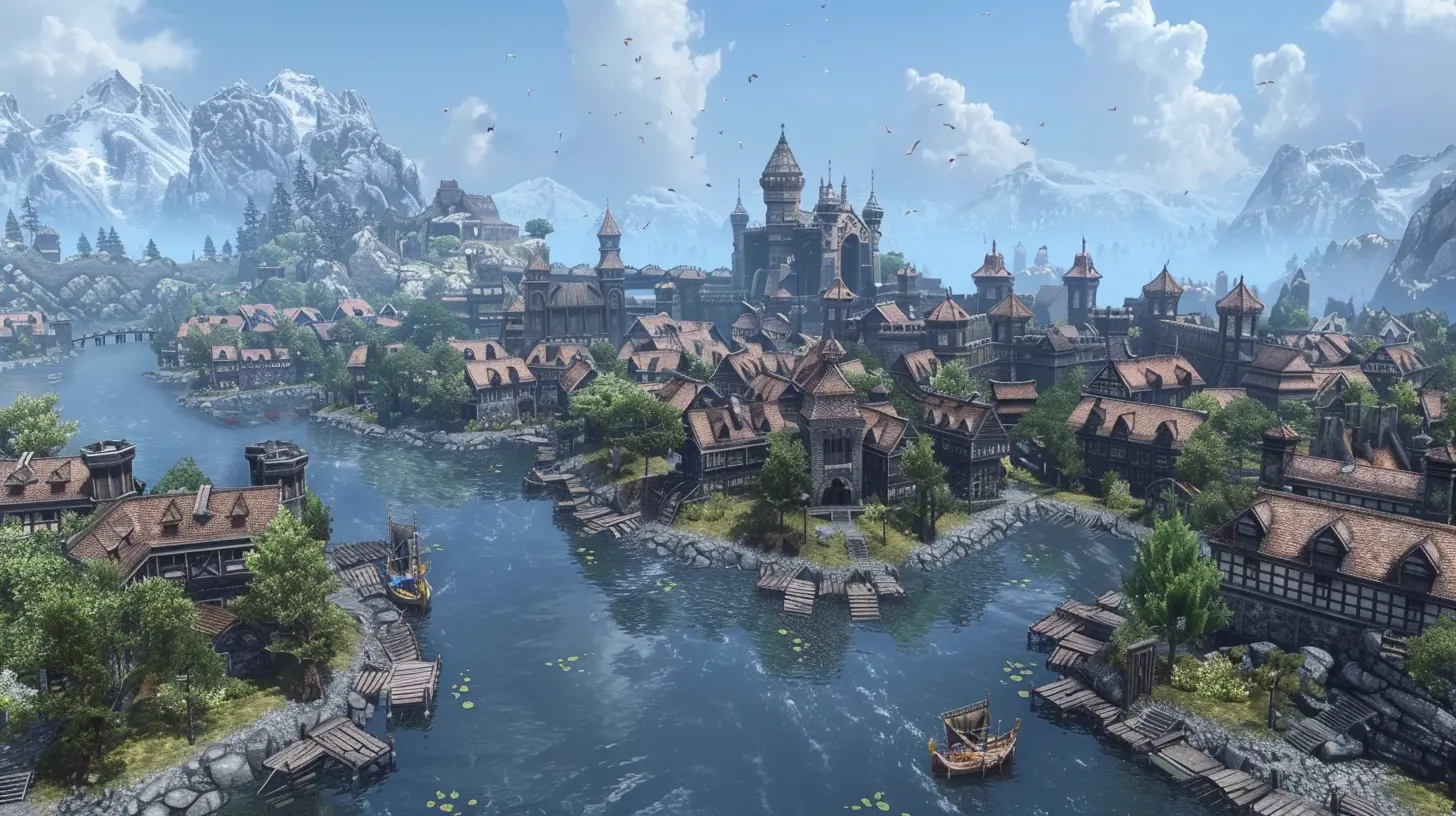
When Things Go Sideways: Why MMO Economies Collapse
Not every MMO economy has a happy ending. Some start strong and then implode. Let’s break down the common culprits of economic doom.1. Rampant Inflation
Probably the number-one killer of MMO economies. Inflation happens when there's way too much money pouring into the game world without anything taking it out.Suddenly, everything costs millions. New players can’t afford basic gear. Older players hoard mountains of cash. And eventually? Players stop caring about money. When that happens, the economy becomes meaningless.
World of Warcraft has seen this issue a few times, especially with expansions that introduced too many easy gold faucets without enough sinks.
2. Duping and Exploits
Cheaters ruin everything, right? MMO economies are no different. If players find a way to duplicate items or generate infinite currency, the market is toast.Even if the devs patch the exploit, the damage is often already done. Prices soar, trust drops, and economies flatline. Once players lose faith in the value of items or currency, it's hard to win them back.
3. Overabundant Loot and Drops
It sounds weird, but too much loot can actually wreck an economy. If players constantly get high-value items from dungeons or events, the market becomes saturated.Imagine if everyone in your MMO had the best sword. Why would anyone buy one anymore? Supply skyrockets, demand crashes, and item values plummet.
Balance is key.
4. Unregulated or Abused Auction Houses
A free market needs at least some rules. When auction houses go unregulated, it opens the door to bots, gold farmers, price fixing, and manipulation.Some games don’t have protection from tactics like undercutting, monopolizing, or bot-buying. That leads to fake scarcity, wild price swings, and frustrated players.
5. Lack of Meaningful Progression Paths
If there’s no reason to gather, craft, or trade, then there’s no economy. Some MMOs limit crafting, remove player trading, or gate progress behind fixed achievements. That turns the economy into a stale side activity, not a core gameplay pillar.No activity → no demand → no market.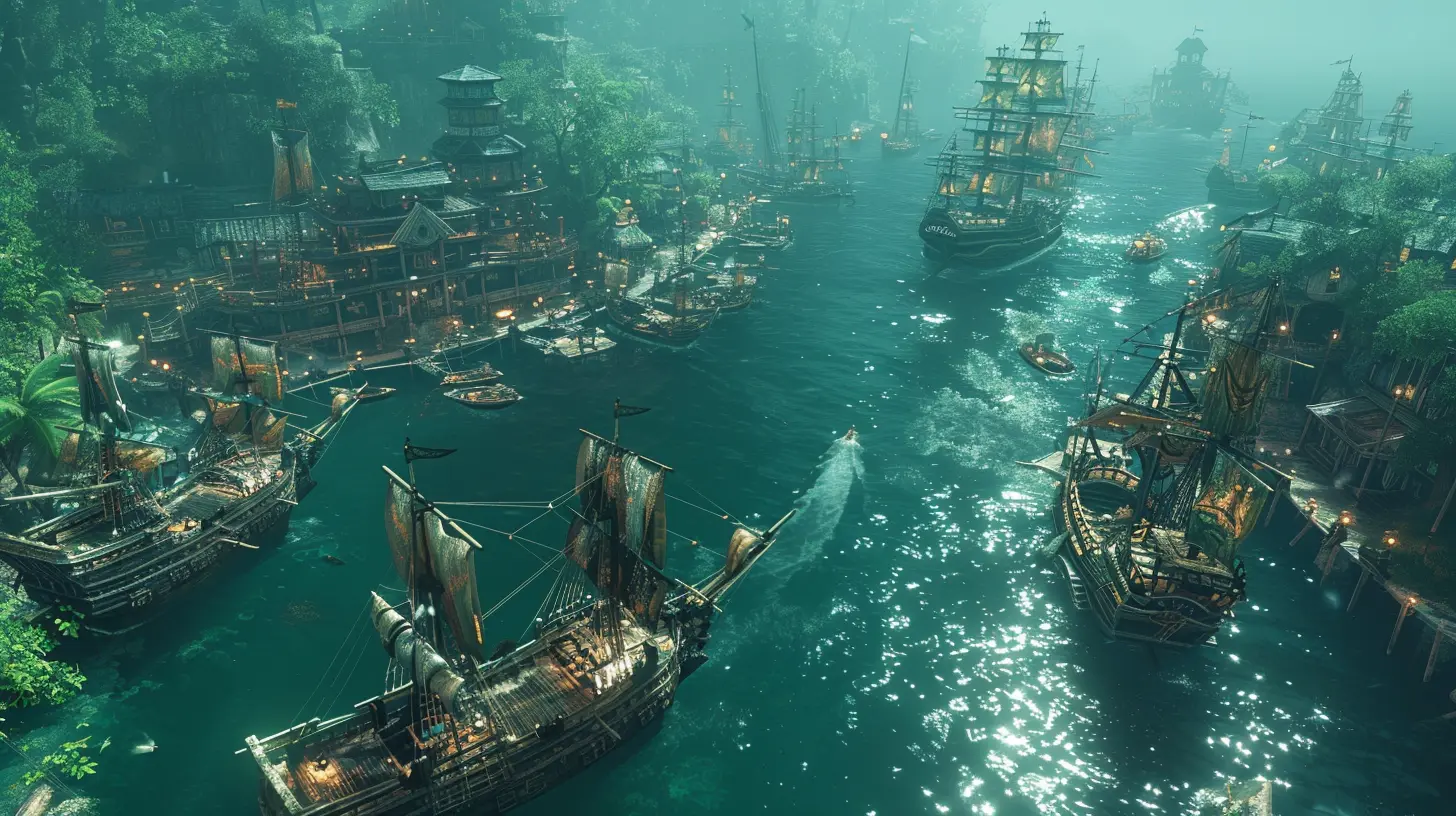
Real-World Lessons That Apply
Believe it or not, MMO economies often mirror real-world ones. Let’s take a quick look at some of the crossover concepts.Supply and Demand
This one’s basic but powerful. If something is rare and valuable, people will pay for it. If it’s easy to get and everyone has it, its value drops. Whether it’s gold in a fantasy realm or toilet paper in a pandemic, the rule holds up.Inflation and Deflation
Too much money + not enough control = inflation. Not enough money or activity = deflation. Real-world economies use interest rates, taxes, and government spending to control this. MMOs use gold sinks, loot drop rates, and developer decisions.Market Manipulation
In both real and virtual economies, smart (or shady) players can disrupt the market. Hoarding, undercutting, and price fixing can hurt everyone else. That’s why market regulation—whether by a dev team or a government—is so necessary.How Developers Can Keep MMO Economies Healthy
MMO designers play both God and central bank. It’s a tricky balance, but there are proven moves that help maintain a thriving economy.Design Smart Money Sinks
Take money out of the game in ways that feel fair—but consistent. Things like storage fees, fast travel, repairs, cosmetic upgrades, and mount licenses all help.Limit Exploits and Duplicates
Patch bugs fast and punish exploiters. One unchecked dupe glitch can throw the whole game balance out the window. And yeah, always have reporting tools for players to flag suspicious stuff.Encourage Player Crafting and Trading
Let players create meaningful gear. Give them reasons to trade rather than reward everything through RNG loot drops. It keeps interaction high—and the market alive.Monitor the Market and Adjust Accordingly
Here’s a pro tip—data is everything. Devs who actively track market trends, item prices, and gold circulation can recognize when things are slipping and proactively make changes. Whether it's tweaking drop rates or adding new sinks, small nudges make a big difference.Avoid Over-Monetization
Injecting real money into a player-driven economy? Risky move. Games that sell gold, materials, or high-value items for real cash usually end up tanking their own economy. Unless it’s a heavily regulated system like in Entropia Universe, it generally disrupts healthy player engagement.What Players Can Do To Help
Okay, so not everything is in the devs’ hands. As players, we’ve got more impact than you’d think.- Support fair markets: Don’t feed the bots. Don’t buy gold from sketchy sellers. Yeah, it’s tempting, but it ruins the fun for everyone.
- Engage in trading: Buy, sell, and craft. Be part of the loop.
- Report suspicious activity: If something seems too good to be true, it probably is. Help keep your game clean.
- Adapt and learn: Just like in real life, market-savvy players always find a way to come out on top. Follow trends, chase demand, and get creative.
Final Thoughts: MMOs Are Weirdly Economic Simulations
At the end of the day, MMO economies reflect a core truth about people: we like to trade, we like to earn, and we love a good marketplace. Whether you’re haggling in a medieval village or auctioning blaster rifles on a galactic station, economics is part of the fun.The best MMO economies aren’t the richest—they’re the ones that feel alive. They reward effort, punish cheaters, engage new players, and constantly evolve. The worst? Well, they become ghost towns where gold is worthless and trade chat is silent.
So, next time you're grinding out mats or flipping items on the in-game market, just remember—you’re not just playing a game. You’re participating in a full-blown, player-powered economy.
Wild, right?
all images in this post were generated using AI tools
Category:
In Game EconomyAuthor:

Jack McKinstry
Discussion
rate this article
1 comments
Thor McCune
Player engagement is key.
August 12, 2026 at 3:12 AM