Why Virtual Real Estate Is Becoming So Valuable
31 May 2026
Ever thought owning digital land could be more than just a hobby or a passing trend? Well, it’s not just a gimmick anymore—virtual real estate is making some big waves. And not in a sci-fi, far-off future kind of way. Right now, in the very real world of the metaverse, digital land is flipping perceptions and bank accounts on their heads.
In the same way people once thought Bitcoin was just internet money for tech nerds (oops, look where we are now), virtual land started as a niche curiosity. But things have changed—big time. Investors, gamers, artists, and even major brands are planting their flags in the metaverse and paying serious cash for the privilege.
So, what’s the deal? Why is everyone suddenly scrambling for bits and bytes of "land" you can’t physically touch?
Let’s unpack it together.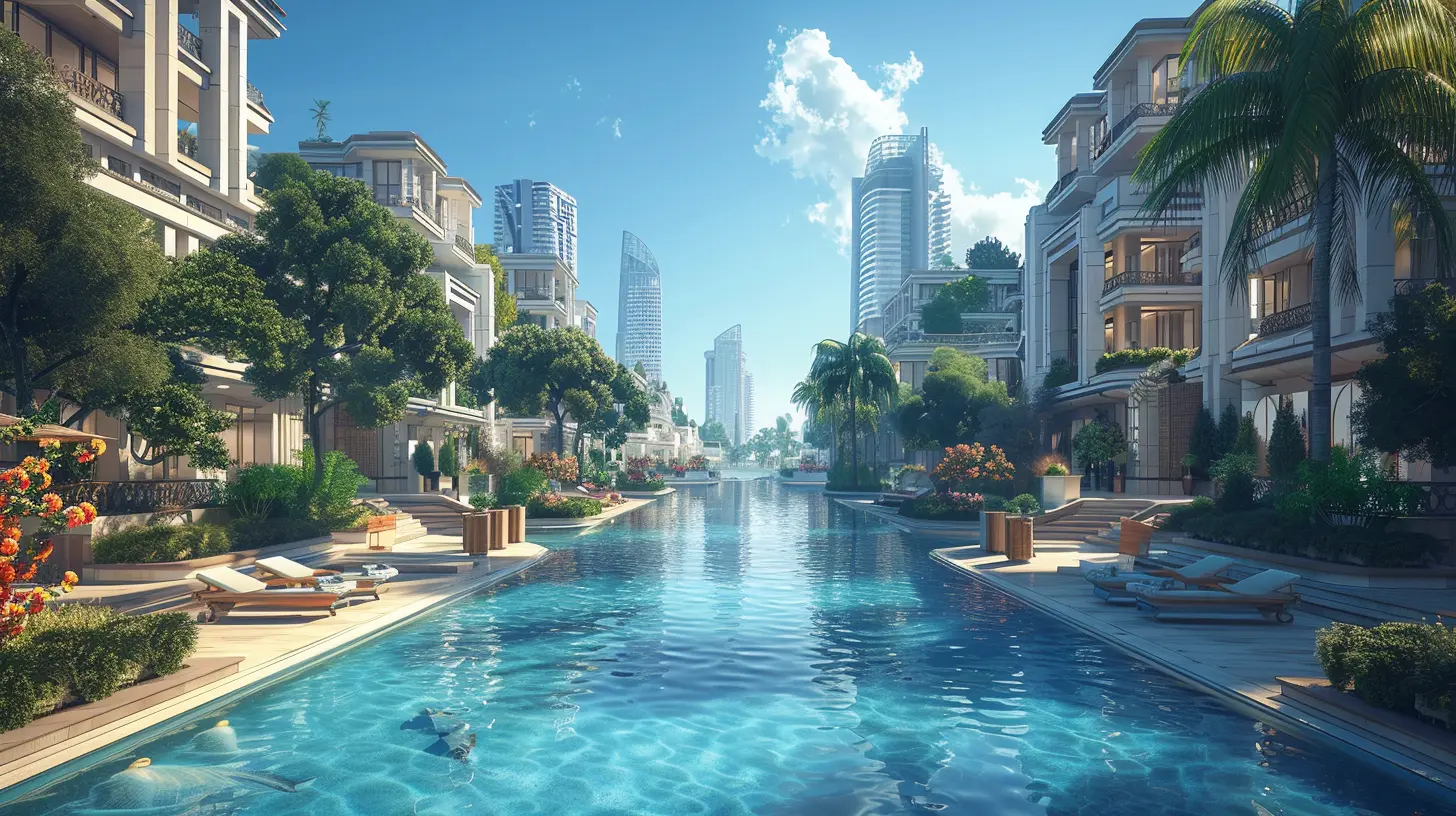
What Actually Is Virtual Real Estate?
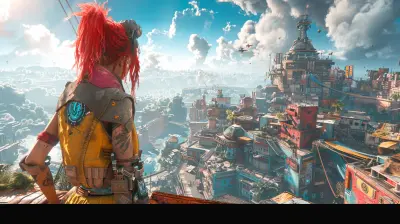
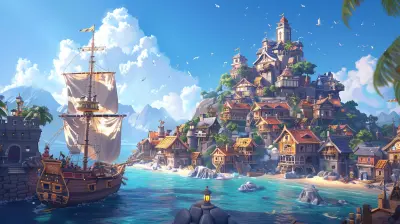
Let’s start simple. Virtual real estate is digital land or property located inside online environments—think gaming worlds, metaverse platforms, or digital cities. Common platforms like Decentraland, The Sandbox, and Meta’s Horizon Worlds are some of the big players where this virtual land exists.Imagine it like buying a plot of land in a video game, but with real money and real-world implications. You can build on it (a home, a gallery, a stadium), rent it out, sell it for profit, or even host events and charge tickets. Sounds wild, right?
But here's the kicker—it’s all happening on the blockchain, which gives you real ownership rights. Your virtual land is tied to a unique, verifiable NFT (Non-Fungible Token), and that’s why it holds actual value.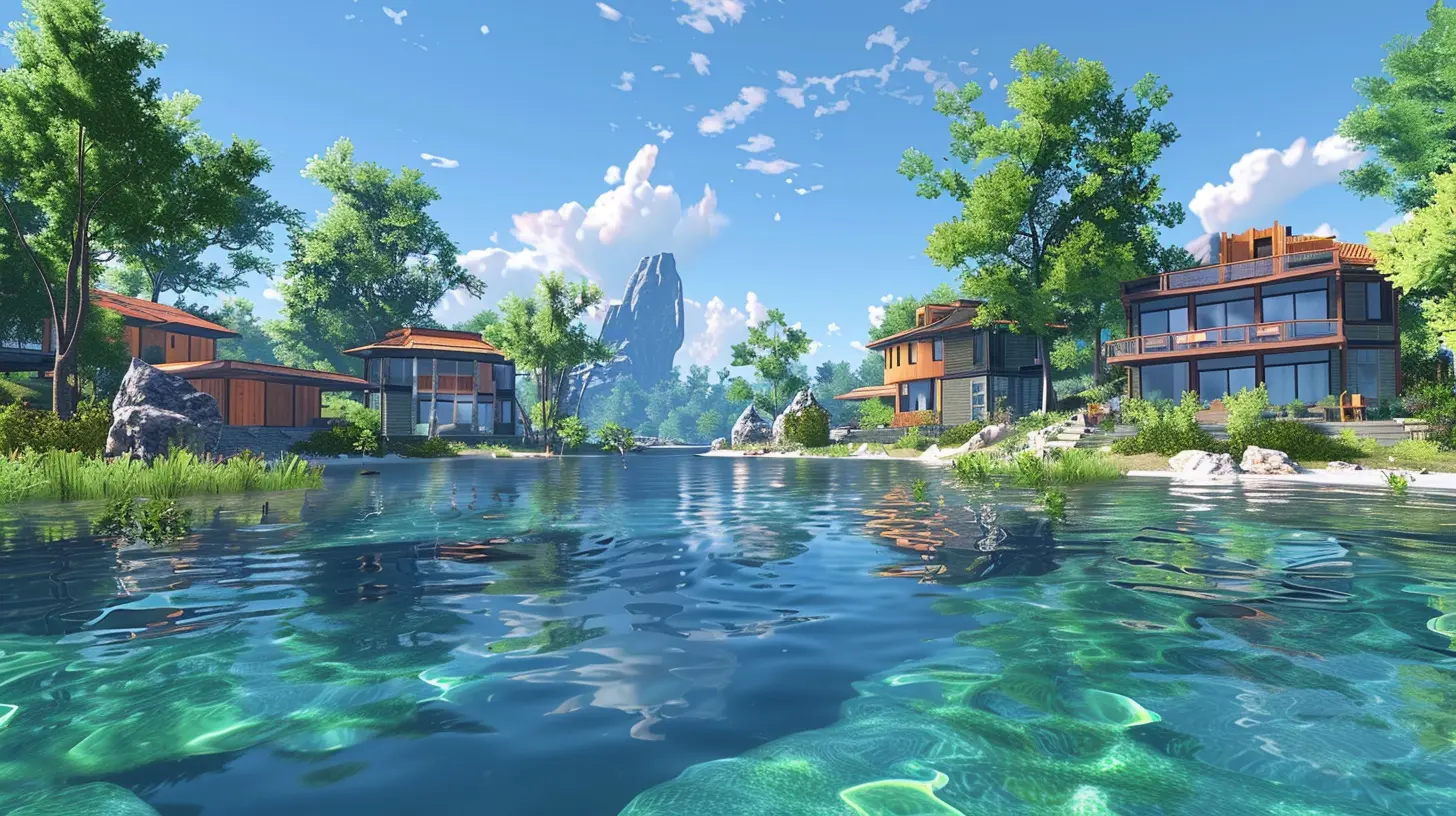
The Internet’s Next Frontier: The Metaverse
You’ve probably heard the buzzword “metaverse” more than once in the last couple of years. It’s thrown around like it’s some mythical utopia, but what is it really?In a nutshell, the metaverse is the next evolution of the internet—a space where you don’t just browse, but live, work, and play. It’s like the internet grew limbs, got a wardrobe, and started building cities.
This is where virtual real estate comes in. Just as land is vital in physical cities, digital land shapes the metaverse. Restaurants, shops, museums, and even job fairs are popping up on these digital plots. And guess what? Someone owns each one—and they're making money in the process.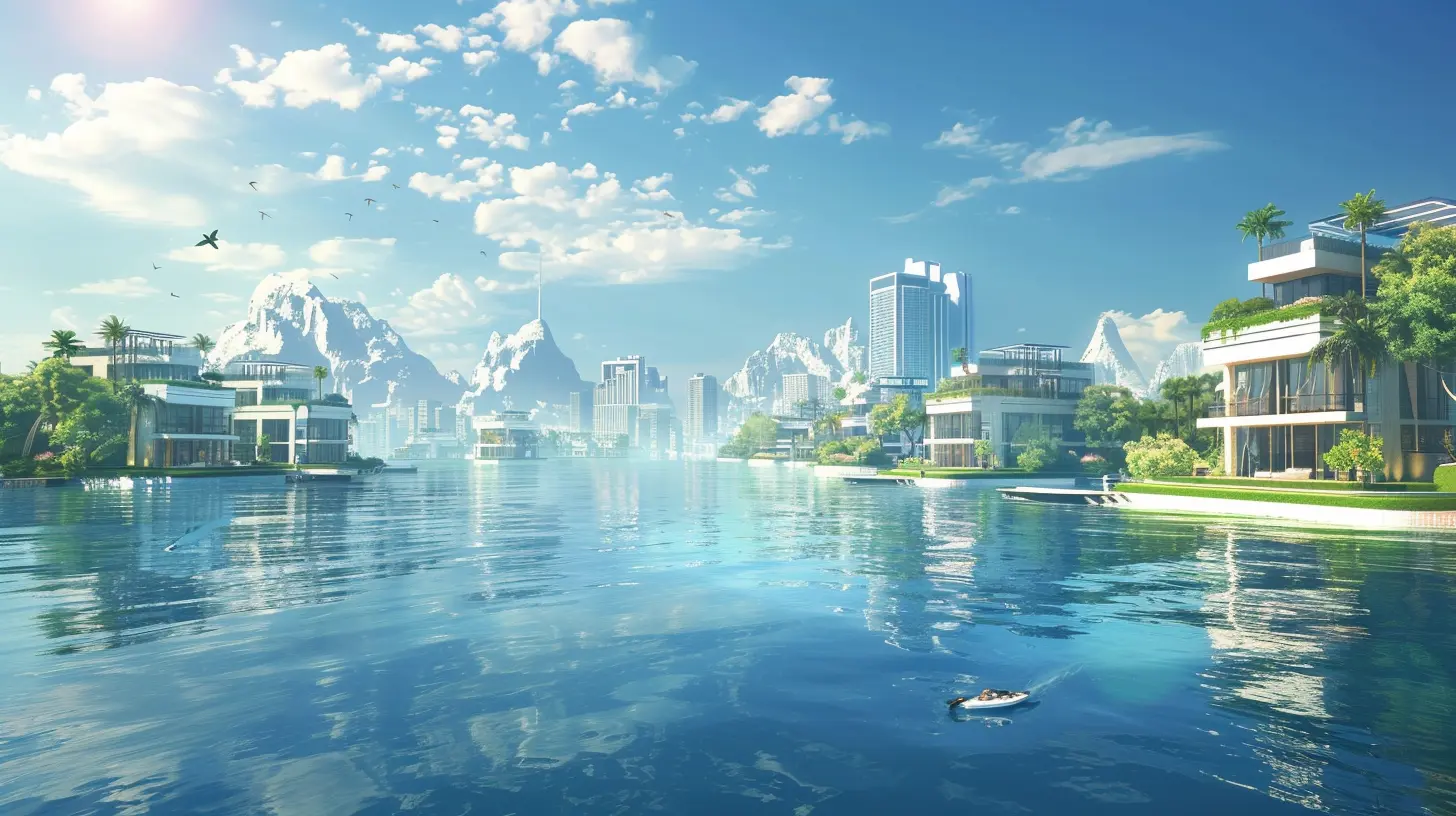
Why People Are Paying Real Money for Digital Dirt
Okay, here comes the million-dollar question—literally. Why are people dropping serious cash on something that exists only inside your screen?Let’s break it down:
1. Scarcity Creates Value
Just like land in the real world, digital land is limited in supply. Platforms like The Sandbox and Decentraland only offer a set number of plots. No matter how many people join, the land doesn’t magically expand. That scarcity creates demand, and where there's demand, there's money to be made.Think of it as digital Monopoly—the good spots go fast.
2. Potential for Profit
People aren’t just buying virtual land to admire the pixelated view. They're flipping it for profit. Some early adopters have already seen 10x or even 100x returns on investment. Buy low, sell high—it’s the oldest trick in the book.Others are monetizing it more creatively. Renting out plots for virtual shops or concerts? Yes. Hosting NFT art galleries? You bet. It’s like owning a digital mall where foot traffic = crypto.
3. Brand Invasion
When major players like Adidas, Gucci, or even Snoop Dogg start showing up in the metaverse, people take notice. These aren’t just PR stunts either. Brands are buying digital land to build stores, run events, and even sell digital-only products.With those brands moving in, the neighborhood’s value goes up—just like in real life.
4. Social Clout
Let’s be honest—part of the appeal is the flex. Owning prime virtual land in a hot digital world gives bragging rights. It’s like having the penthouse suite in a luxury skyscraper—but online.And yeah, people are willing to pay for status.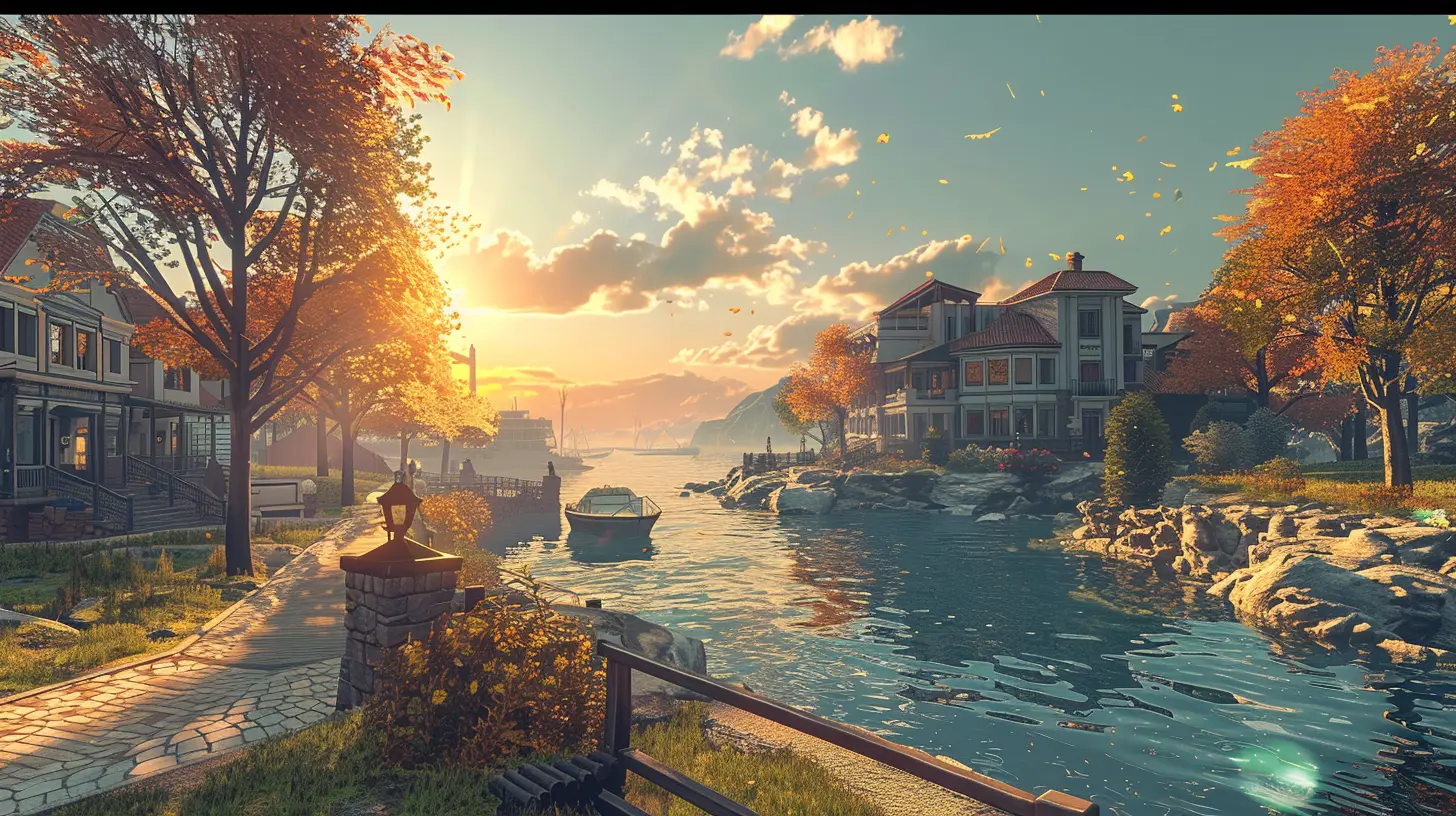
What Can You Actually Do With Virtual Land?
Still thinking it’s all hype? Let’s talk real-life (okay, virtual-life) use cases:?️ Build a Business
Virtual real estate can house anything: boutiques, clubs, casinos, NFT galleries, you name it. If you can dream it, you can build it. And charge people to use it.? Game Development
Developers are buying plots to build games within games—interactive experiences that you can monetize or use to build a following.? Events and Concerts
Remember virtual concerts during the pandemic? Artists are now hosting full-blown shows in the metaverse. You need land for that. Buy land, build a stage, sell tickets. Boom.?️ Showcasing NFTs
Got digital art you want to show off? Build a gallery. Invite guests. Maybe even sell a few pieces. Virtual land gives creatives a place to shine—without ever printing a thing.Risks and Roadblocks (Yup, It’s Not All Sunshine)
Let’s keep it real for a minute. Every gold rush has its risks.? Market Volatility
Virtual real estate prices can spike and crash like any speculative asset. One day you're the next digital Rockefeller, the next you're wondering why you paid five figures for a pixelated palm tree.?️ Scams and Scammers
The space is still a bit like the Wild West. With blockchain still mystifying to most people, scammers are out there. Do your homework. Always double-check platforms and listings.?️ Tech Limitations
The dream of a full-fledged metaverse is still baking in the oven. Lag, connectivity issues, and clunky user interfaces can kill the vibe. But hey, Rome wasn’t built in a day.How Gaming Is Fueling the Fire
Here’s where it gets spicy—gamers are driving a lot of this hype.Games like Roblox, Fortnite, and Minecraft laid the foundation by letting players build, create, and even monetize their experiences. Now, with blockchain tech entering the scene, that same creative spirit is turning into real ownership and real profits.
It's not just for big investors either. Gamers who once built castles in Minecraft can now own digital kingdoms in the metaverse—and make money off them.
Who’s Buying Virtual Real Estate?
It’s not just crypto bros and Silicon Valley types.- Artists: They're building galleries and studios.
- Entrepreneurs: Launching digital shops and experiences.
- Gamers: Creating immersive play-to-earn games.
- Investors: Flipping land and building portfolios.
- Brands: Building brand experiences and stores.
Heck, even traditional real estate companies are dipping in. Which tells you a lot.
Is Virtual Real Estate Right for You?
Let’s zoom out. Should you invest in virtual land?Well, like any investment, it depends on your goals and your risk tolerance. Are you tech-savvy, into crypto, love gaming, or have an idea you think could make waves in the metaverse?
Then yeah, it could be your playground. But if you're just chasing trends, take a beat. Do your research, start small, and don’t invest more than you can afford to lose.
The Bottom Line: It's Just Getting Started
We’re still in the early innings of this digital land game. Just as people once scoffed at blogs, social media, and online shopping, a lot of folks haven’t yet wrapped their heads around the metaverse or virtual land.But that’s what makes this moment exciting.
Virtual real estate is valuable because it’s becoming the fabric of a new kind of online existence. One where people live, play, work, create, and socialize. And just like in the real world, location, creativity, and community are going to be everything.
So, whether you’re an investor looking for the next big thing, a gamer who dreams of building your own kingdom, or just curious about the metaverse—keep your eyes on virtual land.
The digital dirt is full of treasure.
all images in this post were generated using AI tools
Category:
In Game EconomyAuthor:

Jack McKinstry
Discussion
rate this article
2 comments
Carrie Lane
This article really highlights the evolving nature of virtual real estate. It's fascinating to see how digital spaces are shaping our interactions and investments. Excited to see where this trend goes in the future!
August 21, 2026 at 3:37 AM
Jack McKinstry
Thanks for your thoughts! It's definitely an exciting time as virtual real estate continues to change the landscape of digital interactions and investments. Looking forward to the future too!
Raina McPhail
Virtual real estate is reshaping value in gaming, offering unique investment opportunities and immersive experiences for players.
June 8, 2026 at 4:35 AM
Jack McKinstry
Absolutely! Virtual real estate is changing the game, blending investment potential with engaging experiences that keep players coming back.