Writing Quests That Players Actually Care About
4 July 2026
Isn't it frustrating when you're playing an RPG and you get yet another quest to collect ten rat tails... again? You know the type—no story, no emotion, no consequence. Just busywork. Now, imagine flipping the script. What if quests could make players laugh, cry, hesitate, or even rethink their in-game choices? That’s the magic of writing quests players actually care about.
If you're building a game or dreaming of being the next great quest writer, you're in luck! In this guide, we're diving deep into how to craft meaningful, memorable, and downright fun quests that players won’t skip. Let’s quest-write like pros, shall we?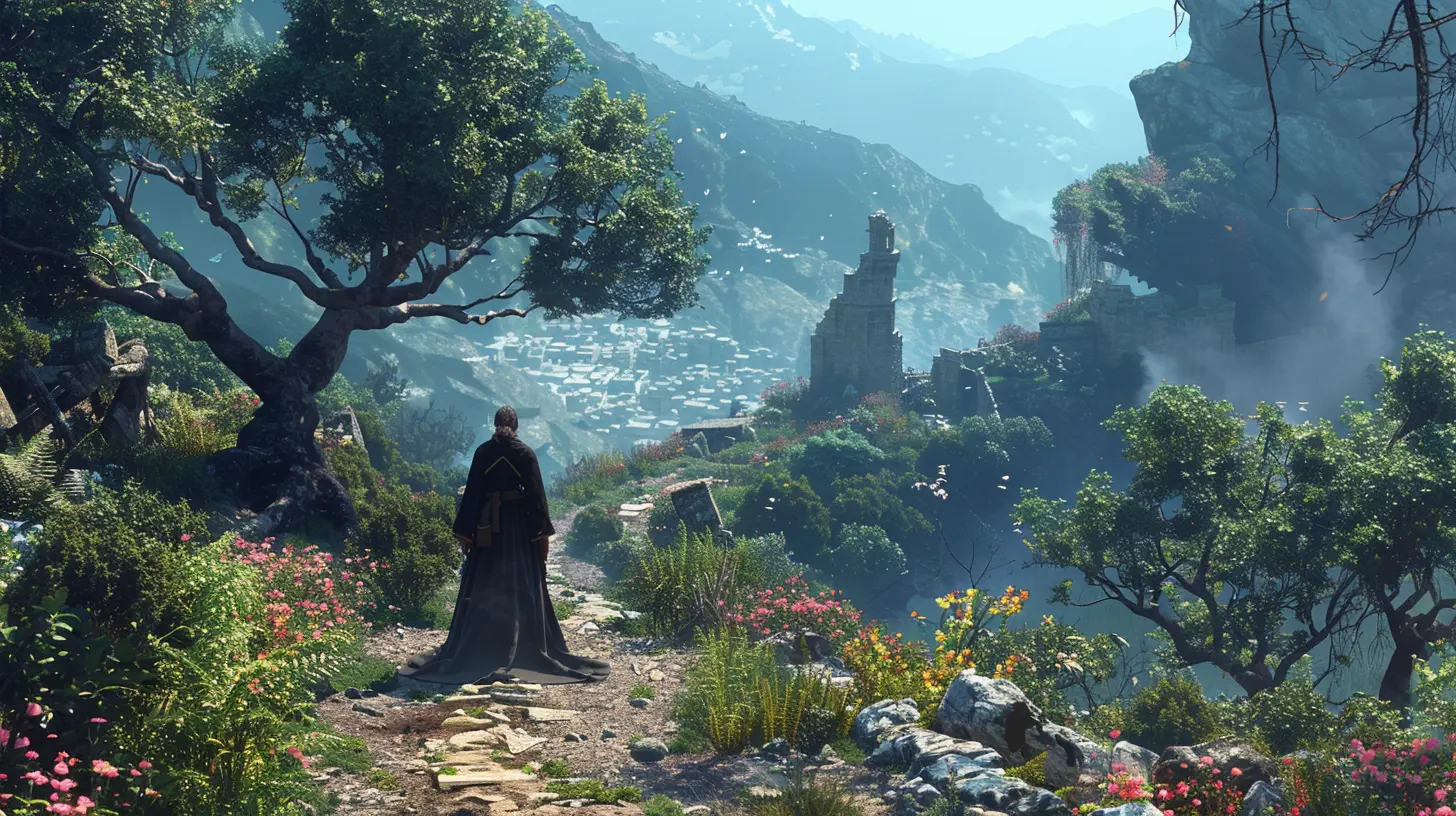
Why Quests Matter More Than You Think
Quests aren’t just checklists on a HUD. They’re the heart and soul of many games, especially RPGs and open-world adventures. Whether it’s saving a kingdom or helping a lonely ghost find peace, quests build the bridge between players and the world you've created.Think of quests as the storytelling engine in a car. Without it, the game might still run, but it sure won’t go anywhere interesting.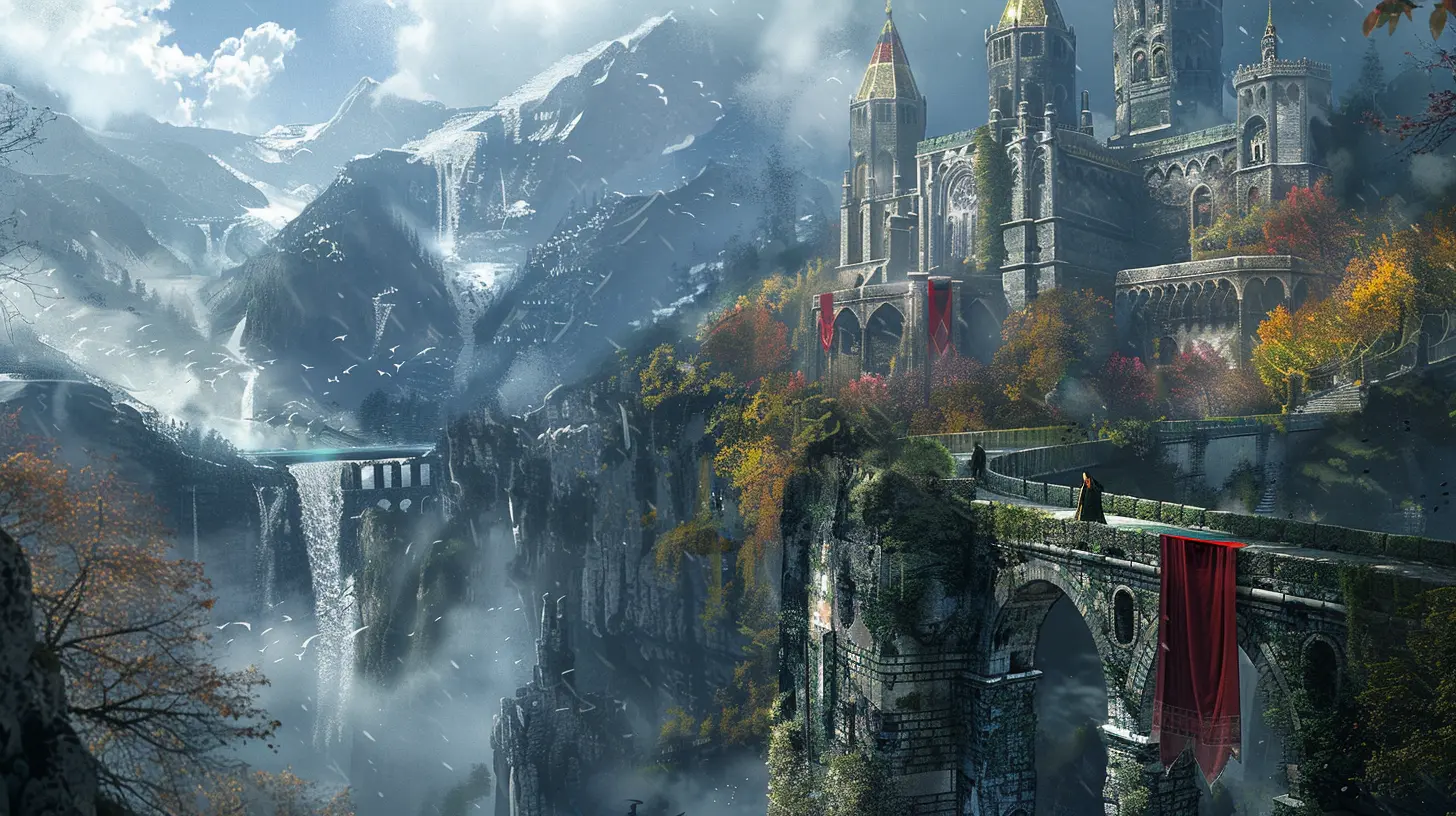
The Problem with Boring Quests
Let’s be real. Some quests suck. They’re bland, repetitive, and feel like homework. Fetch 5 herbs. Kill 10 wolves. Deliver this letter to that guy. Rinse, repeat.Why is that a problem?
Because gamers are smart and they care. They want to be engaged. If your quests don’t feel worth their time, they’ll skip them, or worse—quit your game entirely. A wasted quest is a wasted opportunity to deepen your game’s world, characters, and emotional stakes.
Key Ingredients of a Great Quest
Okay, so what makes a great quest tick? There’s no one-size-fits-all recipe, but here are the must-have ingredients:1. Emotional Hooks
Ask yourself: what’s the emotional payoff?A fantastic quest makes players feel something. It can be joy, guilt, anger, or even confusion. Add a personal stake—maybe it affects a beloved NPC or ties into a character's backstory.
? Example: Instead of “Collect herbs,” how about “Find the rare herb to save your mentor from a magical curse.”
See the difference?
2. Choices with Real Consequences
Good quests give players agency. Great quests make that agency meaningful.Let players choose how to complete a quest—and make those choices affect the world or story. Not every decision needs to cause an earthquake, but even small ripples make the world feel alive.
? Pro Tip: Create branching paths. Maybe a player can save one village but not both. Ouch—but memorable.
3. Unique Characters
Characters can make or break a quest. If your quest-givers are walking clichés, players won’t care what they have to say.Try giving your NPCs quirks, flaws, humor, or unexpected depth. Give that blacksmith a fear of fire. Let the wise old wizard be terrible at directions. Players love weird, layered people!
? Think: More “Cabbage Guy” from Avatar, less “Bland Soldier #4.”
4. A Dash of Mystery or Intrigue
Start with a question or problem that hooks the player: “Why is this village covered in ice in the middle of summer?” Mystery tickles curiosity and encourages exploration.Breadcrumb your narrative. Lead players deeper into the story as they progress. Treat quests like little mysteries—each step revealing more about the world.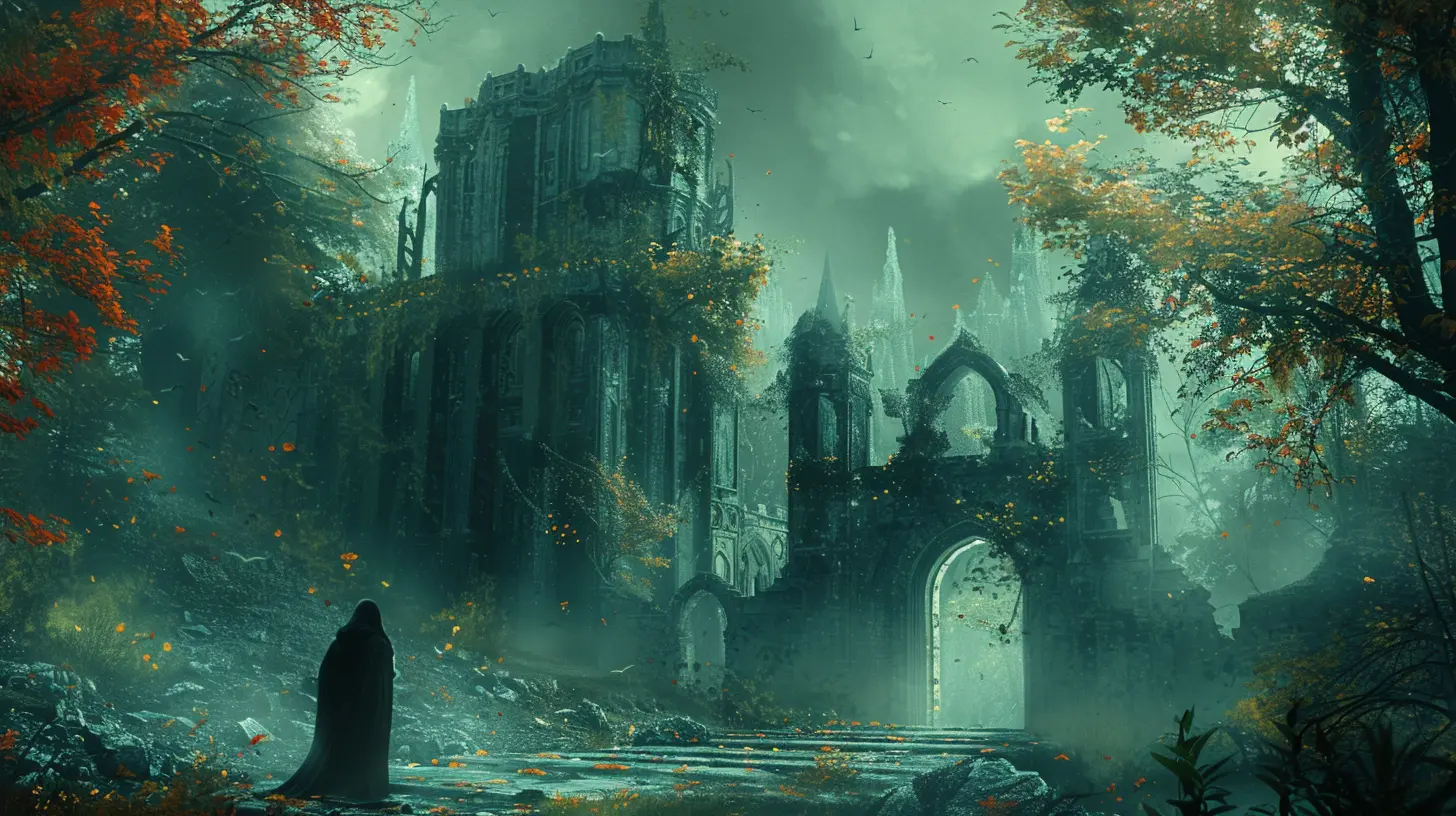
Types of Quests That Players Love
Let’s break down the kinds of quests players actually get excited about.? 1. Emotional Gut-Punches
These quests make players feel—and remember. Maybe it’s a child looking for a parent. Maybe it’s a sacrifice the protagonist has to make.? Trick: Base them on universal themes like love, loss, hope, or revenge.
? 2. Comedy Gold
Humor is a powerful tool. A quest doesn't have to be serious to be impactful. A wacky or absurd quest sticks just as much as a dramatic one.? Example: In The Witcher 3, Geralt helps a goat named Princess. It’s silly, but unforgettable!
? 3. Moral Dilemmas
Now we’re talking shades of gray. Drop players into situations where there’s no clear right answer. Make them choose between two equally rough options.⚖️ Will they lie to keep peace or tell the truth and start a war?
These quests make your game world feel complex and alive. Moral complexity = player investment.
? 4. Lore-Exploring Adventures
Quests that reveal hidden lore or ancient secrets are pure gold for world-building fans. This is where your deep storytelling chops shine.? Bonus Points: Let players piece the story together through artifacts, journals, or environmental details.
Quest Design Tips That Work Wonders
You don’t need to reinvent the wheel. You just need to avoid making it flat. Here are practical tips for top-tier quest design.? Start With “Why Should I Care?”
For every quest you write, ask: Why should the player care?If the answer is “because the quest log says so,” you’ve got work to do. Tie the quest into the player’s goals, companions, or the wider story.
?️ Use Great Dialogue
Dialogue does heavy lifting in quests. It’s how you share info, inject personality, and offer choices.Keep it snappy. Every line should serve a purpose: build character, offer direction, or deepen the world.
? Rule of Thumb: Read your dialogue out loud. If it sounds boring, rewrite it.
? Link Quests to the Game World
Make quests feel integrated, not pasted-on.For example, if a region is plagued by bandits, the quests in that area should reflect that. If there’s a festival in town, quests can involve games, thefts, or love triangles.
? Quests should feel like pieces of a larger puzzle.
? Playtest Like Crazy
You can write the most poetic and emotionally charged quest ever—but if it’s broken or confusing, players will bounce.Test for bugs, pacing, and player understanding. Ask people if the quest made them feel something. If not, revise.
Writing Side Quests vs. Main Quests
Both are important, but they serve different purposes. Let’s compare:| Quest Type | Purpose | Best Use Case |
|----------------|----------------------------------------------|----------------------------------------------|
| Main Quests | Drive forward the central story | Big reveals, emotional arcs, epic battles |
| Side Quests | Flesh out the world and add flavor | Humor, world-building, personal stories |
? Pro Tip: Don’t treat side quests like filler. Some of gaming’s most iconic moments come from side content. Looking at you, Skyrim’s “A Night to Remember.”
Secret Sauce: Storytelling with Gameplay
Writing is half the battle. The other half? Marrying it to gameplay.Combine story beats with mechanics. If a character is scared, maybe they run from combat. If someone lies to the player, maybe the wrong location is marked on the map.
Let players learn stories by doing—not just reading dialog boxes.
Think of it like theater: your actors are the world, enemies, systems, and the player’s actions. All must work together for a killer performance.
Common Pitfalls to Avoid
Now let’s dodge the landmines. Here’s what NOT to do when writing quests:- ❌ Don't make everything a fetch quest. Variety is the spice of life.
- ❌ Don't spoon-feed everything. Trust players to figure things out.
- ❌ Don’t forget the payoff. If you build up tension, deliver resolution.
- ❌ Don’t make irrelevant quests. If it doesn’t add to the world or character, maybe skip it.
Wrapping It All Up (With a +10 Bow of Insight)
Writing quests that players actually care about isn’t about following a formula—it’s about capturing emotion. It’s crafting experiences that make someone pause the game just to reflect. Your quests are invitations into a world—make the invitation irresistible.So next time you write a quest, ask not just “what does the player need to do?” but “how will this make the player feel?”
Inject heart, sprinkle humor, shake in some mystery, and always—always—respect your players. They’ll thank you with memories that last well beyond the end credits.
Happy questing, hero!
all images in this post were generated using AI tools
Category:
Game Content CreationAuthor:

Jack McKinstry
Discussion
rate this article
2 comments
Zareth McMichael
Ah, the quest for meaningful quests! It's like trying to find a good Wi-Fi signal in a dungeon. Spice it up with quirky characters and unexpected twists, and players will be hooked... or at least not bored!
September 30, 2026 at 4:24 PM
Pilar Hensley
Crafting meaningful quests can transform a game. When players connect with the story and characters, it elevates the whole experience. Let's inspire them to make every journey unforgettable!
July 7, 2026 at 2:32 PM
Jack McKinstry
Absolutely! Meaningful quests create lasting memories and deepen player engagement. Let's keep pushing for that connection.