Balancing Inflation in Virtual Game Worlds
25 December 2025
So you've been grinding mobs for hours, selling dragon scales like it's a yard sale, and suddenly—bam! That potion that used to cost 10 gold is now 500. What in the pixelated economy just happened? You, my friend, are knee-deep in virtual inflation.
Yes, just like in real-world economies (but probably with fewer suited bankers and more goblins), inflation can totally wreck or revitalize a game world. But don’t worry. We’re diving deep into the hows, whys, and LOLs of balancing inflation in virtual game worlds.
What Is Virtual Inflation Anyway?
Let’s break it down. In a virtual game world, inflation happens when in-game currency loses value because there's just too darn much of it. Imagine if everyone in an MMO suddenly hit the jackpot and had millions of gold coins. Awesome, right?Well, not really.
Vendors crank up prices, poor new players can't even afford a basic sword, and suddenly, the economy looks like the Wild West—chaotic and ruled by the richest folks with raid loot pouring from their inventories.
To put it plainly: The value of virtual money drops faster than your win rate in ranked matches.
Why Should Gamers Care About Virtual Inflation?
Because it affects everything. No, really—everything.Whether you're a newbie trading wood for copper or a veteran auctioning off rare mounts, if the economy's broken, your gameplay gets a whole lot less fun. And let's be honest—if we wanted to deal with economic instability, we'd check our credit scores, not log into a fantasy game.
Plus, if inflation runs wild, developers may step in with an iron fist. Reset the economy? Nerf the gold drops? Limit trading? Yikes.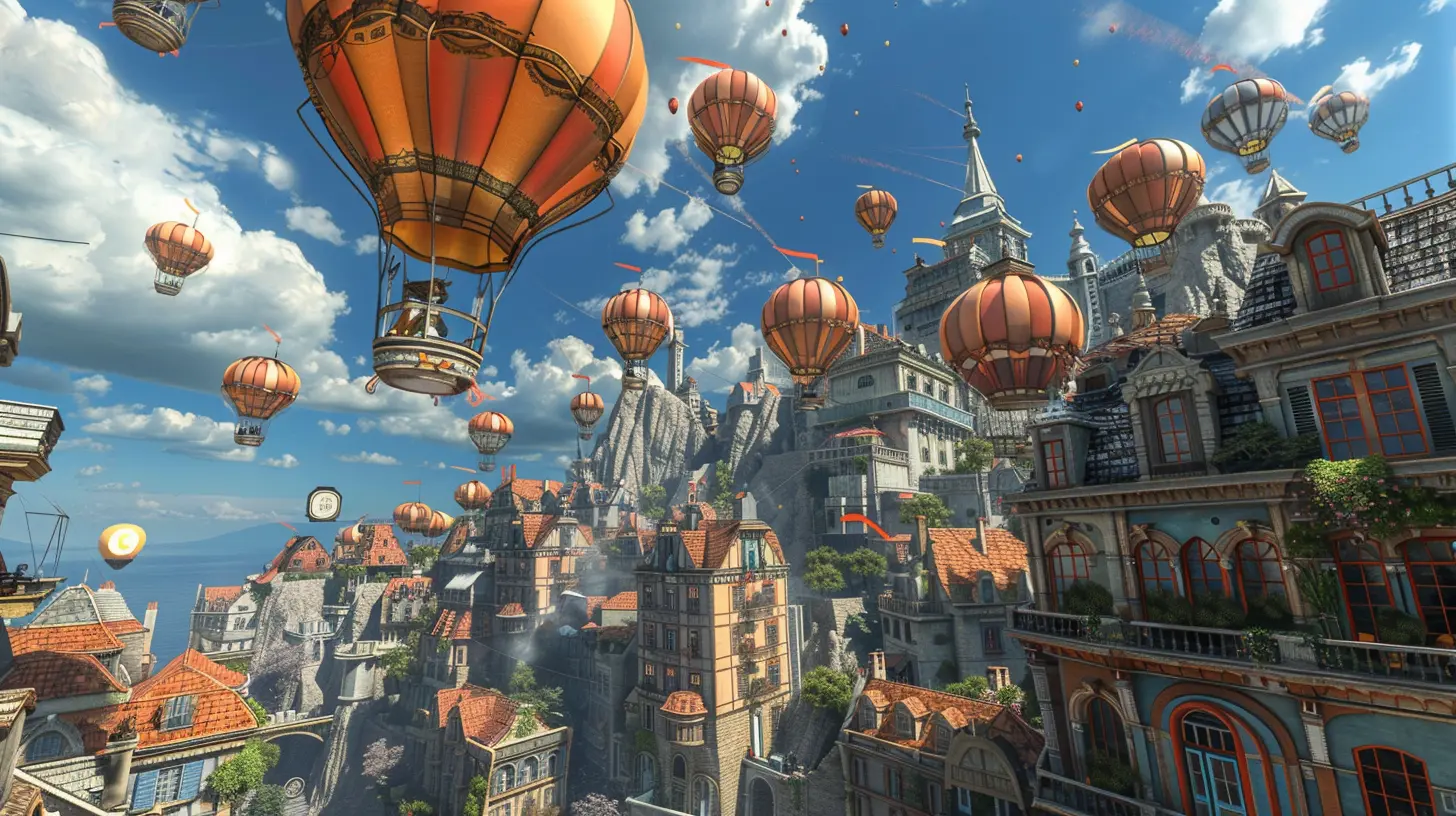
How Does Virtual Inflation Happen?
Think of inflation in games like a gold-plated snowball rolling downhill. It starts small and innocent, then BOOM, it’s flattening the town.Here are a few culprits behind the chaos:
1. Too Much Loot, Too Easily
If every quest spits gold like it's a jackpot slot machine, we’ve got too much supply. The economy floods with currency, and nothing is rare anymore.2. No Money Sinks
If there’s no reason to spend money (like expensive items, repairs, or taxes), coins pile up. And when everyone’s rich, no one is.3. Botting and Farming
Ah, the dark underbelly of online gaming. Bots farm gold 24/7, injecting fake wealth into the economy. It’s like printing money with zero consequences. And yes, it’s as bad as it sounds.4. Duplication Glitches and Exploits
Nothing screams "hyperinflation" like that one guy who figures out how to duplicate gold and goes full Scrooge McDuck in a digital coin vault.
Real-World Examples of In-Game Inflation Rollin’ Outta Control
Remember Runescape’s infamous party hats? Back in the early 2000s, they were just holiday items. Fast-forward, and those paper hats are worth billions of GP. Why? Because the economy inflated around them like crazy.Same with World of Warcraft. Before Blizzard began controlling inflation (kind of), gold farming was such a problem that entire black markets popped up online.
And we can't forget Diablo III’s real-money auction house. Oh boy, that was a rollercoaster of economic madness. So much inflation, so many tears.
How Developers Combat Inflation (A.K.A. “Shoving Gold Down the Drain”)
Game devs have their eyes on the economy dashboard like hawks—with calculators. Here’s how they generally tackle inflation:1. Creating Gold Sinks
This is a fancy way of saying “force players to spend money.” Think high repair costs, fancy mounts, housing fees, auction taxes. Anything to suck coins out of the world and balance the inflow.Ever bought a sparkly unicorn that cost a gazillion coins? Yep. That was inflation control in action. And hey, you look fabulous.
2. Limited Item Supplies
Some games use rotating stocks or rare item drops that get consumed when used. This makes people spend more, keeping the economy moving instead of hoarding money like gold-obsessed squirrels.3. Scaling Rewards Over Time
Instead of making that level 5 boar drop the same gold forever, devs adjust rewards as the player base grows. This helps prevent low-level activities from being too profitable.4. Banning Bots and Plugging Exploits
Bots are the termites of game economies. Devs regularly nuke illegal gold farms and patch duplication glitches. It’s like pest control, but with more banhammers.Who Gets Hit the Hardest by Inflation? (Hint: It's Not the Rich Guys)
Okay, get your tiny violin ready—because newbies suffer the most when inflation goes wild. Prices skyrocket. Basic gear costs a fortune. You finally scrape together the cash to buy a sword and—oh wait, it’s gone up in price again. Fantastic.Meanwhile, high-level players with fortress-sized vaults just yawn and keep rolling in riches.
In-game social gaps grow wider, and that ruins the community vibe. Remember, a happy MMO is one where noobs and veterans can all buy healing potions without selling their pixelated kidneys.
What Role Does the Player Base Play? (Spoiler: You’re Part of the Problem... or Solution)
Yup, we’re looking at you.Players influence the economy more than they think. Hoarding rare items, undercutting on auction houses, or even organizing fake scarcity can drive inflation. Remember the cabbage cartel in Runescape? That’s what we’re talking about.
But players can also help stabilize things:
- Support fair trading
- Report exploits
- Actually spend those coins instead of stockpiling them till the next expansion
So yeah, you’ve got some power here. Use it responsibly, internet warrior.
Can Virtual Economies Learn from Real Ones?
Short answer? Kinda.Real-world economics can inspire some clever systems in games. Some dev teams hire actual economists (hi, EVE Online) to monitor and design balanced systems. But let’s not kid ourselves—no one’s lobbying Congress for potion price caps.
However, watching things like supply and demand, inflation rates, and currency circulation? That applies in both fantasy realms and the real-deal moneyverse. Who knew your gold hoarding could be so educational?
Some Games Absolutely NAIL the Balance
Let’s shout out to games that surprisingly (or not-so-surprisingly) have well-balanced economies:🪙 EVE Online
This game is basically a spreadsheet simulator in outer space. But it works. It has a player-driven economy and even a dedicated economist. It’s complex, but stable.🪙 Final Fantasy XIV
Between its market board, crafting system, and gil sinks (hello, ridiculously priced houses), Square Enix keeps inflation in check pretty well—despite having a million catgirls selling fish.🪙 Guild Wars 2
With strong control over item drops, gold-farming limits, and conversion rates between currencies, this game stays relatively stable despite being free-to-play.Tips for Players to Survive (and Thrive) in Inflated Worlds
Just because inflation’s out there doesn’t mean you’re doomed. Here’s how to keep your wallet healthy when prices start ballooning:1. Diversify Your Income – Don't rely on one source. Quest, trade, craft, flip on the market—whatever works.
2. Don’t Hoard – Prices can drop too. That hoard of wolf pelts might be worthless next patch.
3. Invest Smart – Rare items and resources tend to keep their value. Think of it like buying gold bars… just nerdier.
4. Keep Tabs on the Market – Some people call it “playing the auction house.” Others call it “fantasy day trading.”
The Future of Virtual Economies
Gaming economies are only getting more complex. With Web3, NFTs (I know, groan), and player-run marketplaces coming into the scene, the next generation of in-game inflation may involve real money and real consequences.But no matter how shiny and futuristic things get, the key remains the same: Balance the gold in, balance the gold out. Just like your diet. Too much junk (money) and things get bloated and sluggish pretty fast.
Final Thoughts: The Goldilocks Zone of Game Economies
Balancing inflation in virtual game worlds isn’t just about numbers—it’s about making sure everyone from level 1 newbies to battle-hardened raiders has a reason to play, trade, and have fun.Too much money, and things get stale. Too little, and the grind becomes unbearable. But just the right amount? That’s when the world feels alive, rewarding, and exciting.
So pay attention, spend wisely, and maybe—just maybe—you’ll become the next virtual tycoon without accidentally causing the apocalypse.
Now, go forth and may your digital economy stay forever balanced... as all things should be.
all images in this post were generated using AI tools
Category:
In Game EconomyAuthor:

Jack McKinstry
Discussion
rate this article
2 comments
Ardent Clark
Great insights on managing inflation in virtual game economies! Balancing currency supply and demand is crucial for player satisfaction. Implementing dynamic pricing and rewards can enhance engagement and fairness, ensuring a thriving in-game marketplace. Excited to see how developers adapt!
January 16, 2026 at 5:31 PM
Jack McKinstry
Thank you for your thoughtful comment! I completely agree that dynamic pricing and rewards are key to maintaining a healthy in-game economy and enhancing player experience. Excited for the future of game development in this area!
Astoria Griffin
Revolutionize gameplay: balance inflation for fair fun!
December 26, 2025 at 4:43 PM
Jack McKinstry
Thank you for your comment! Balancing inflation is essential for ensuring a fair and enjoyable gameplay experience. Your insights are appreciated!